

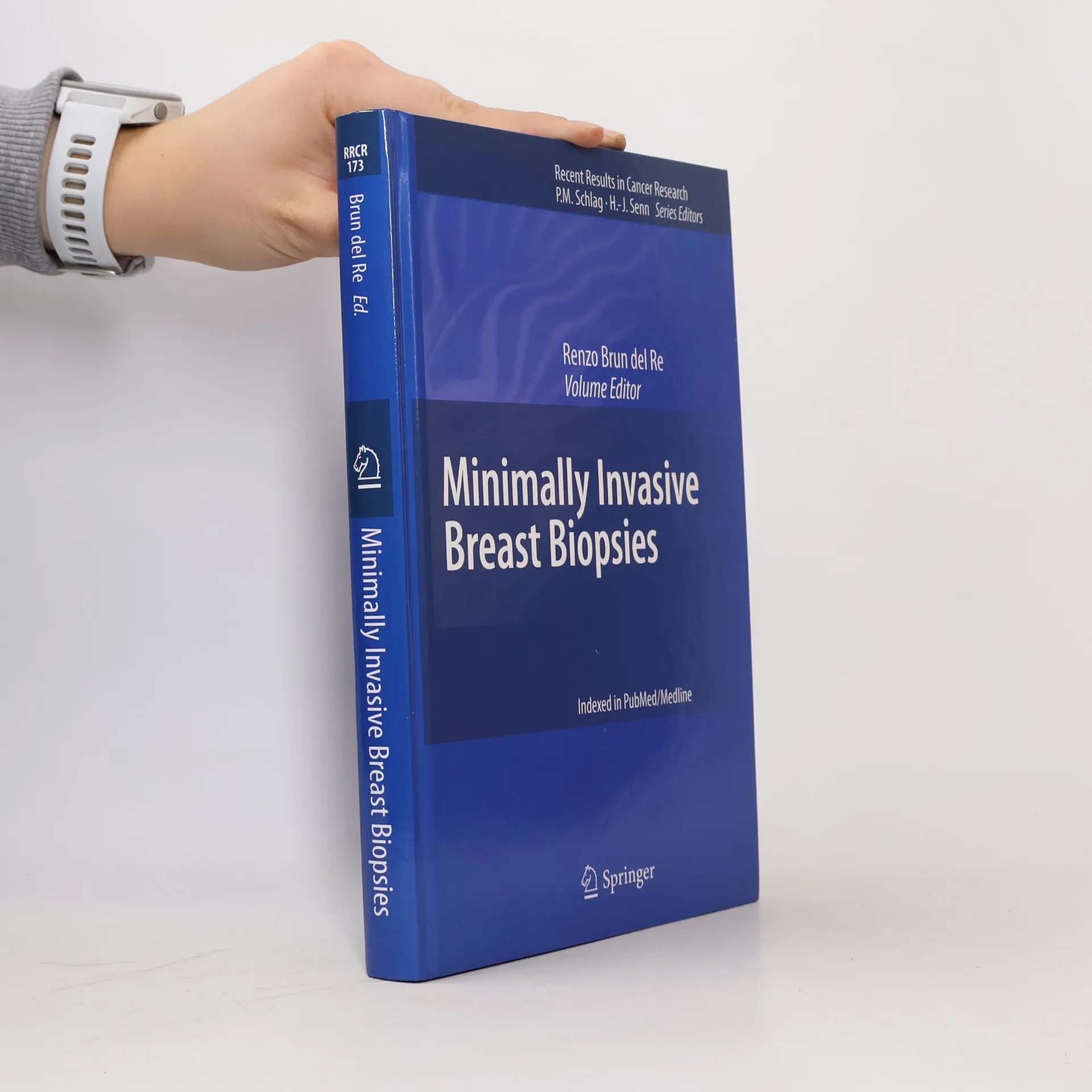
Recent Results in Cancer Research - 173: Minimally Invasive Breast Biopsies
Maggiori informazioni sul libro
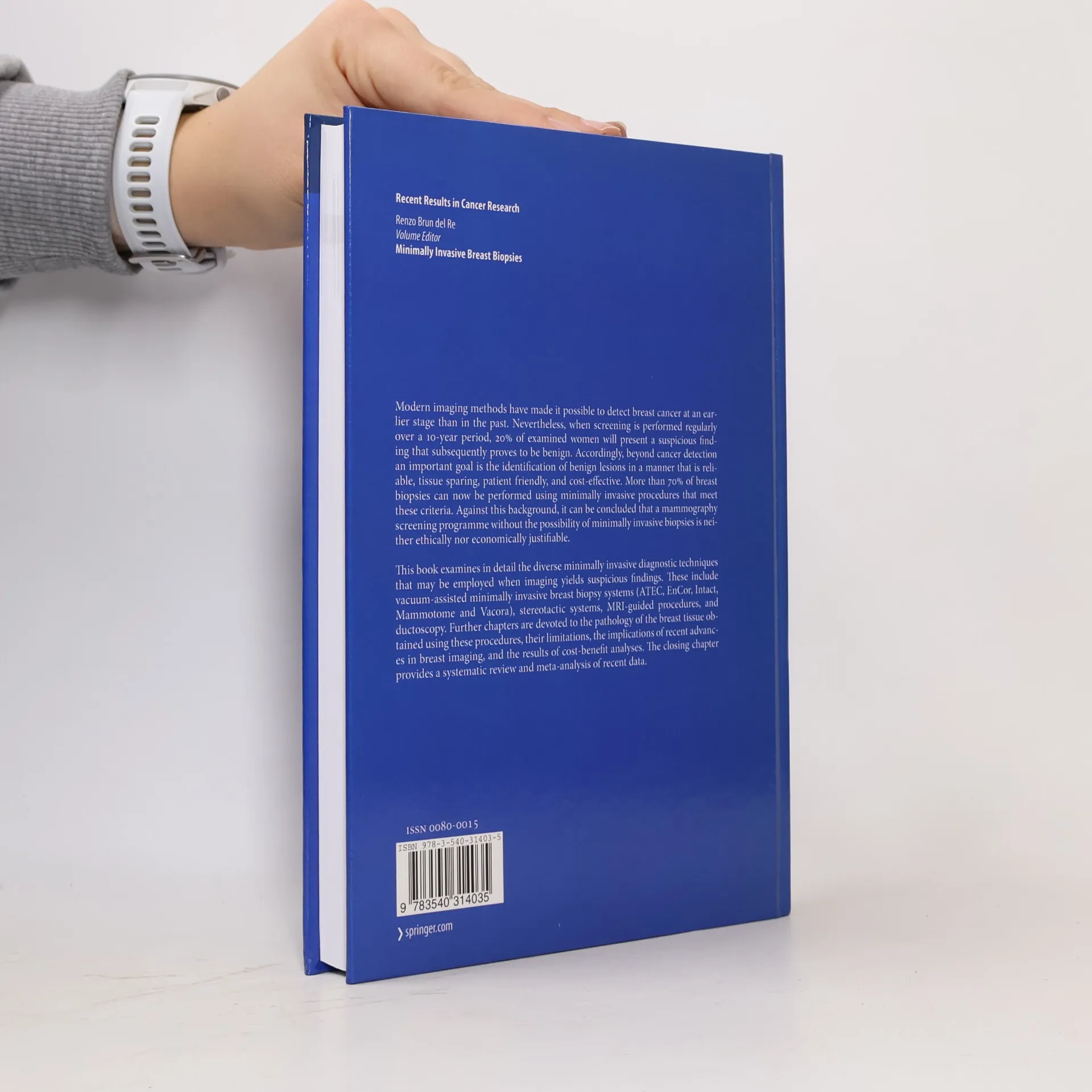
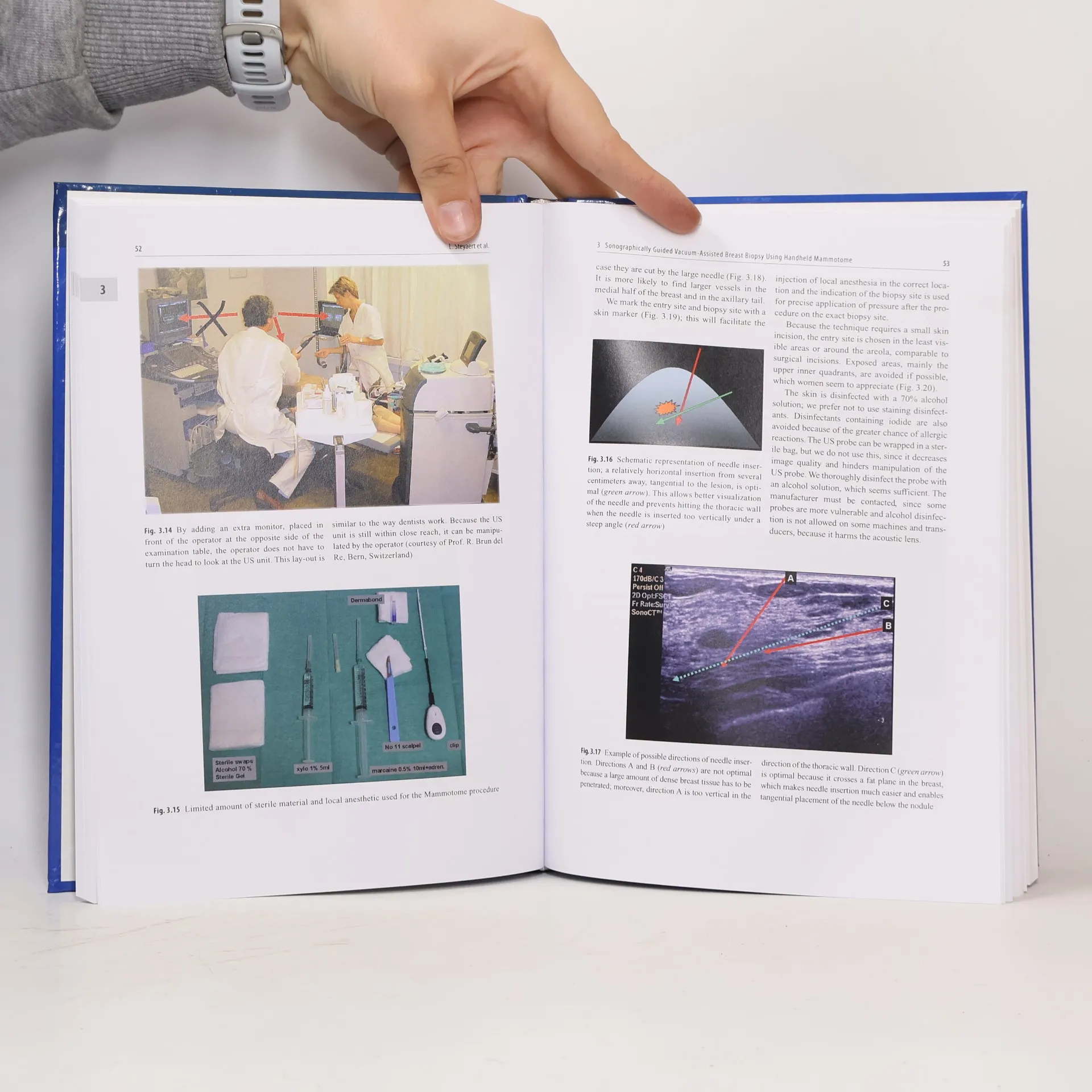
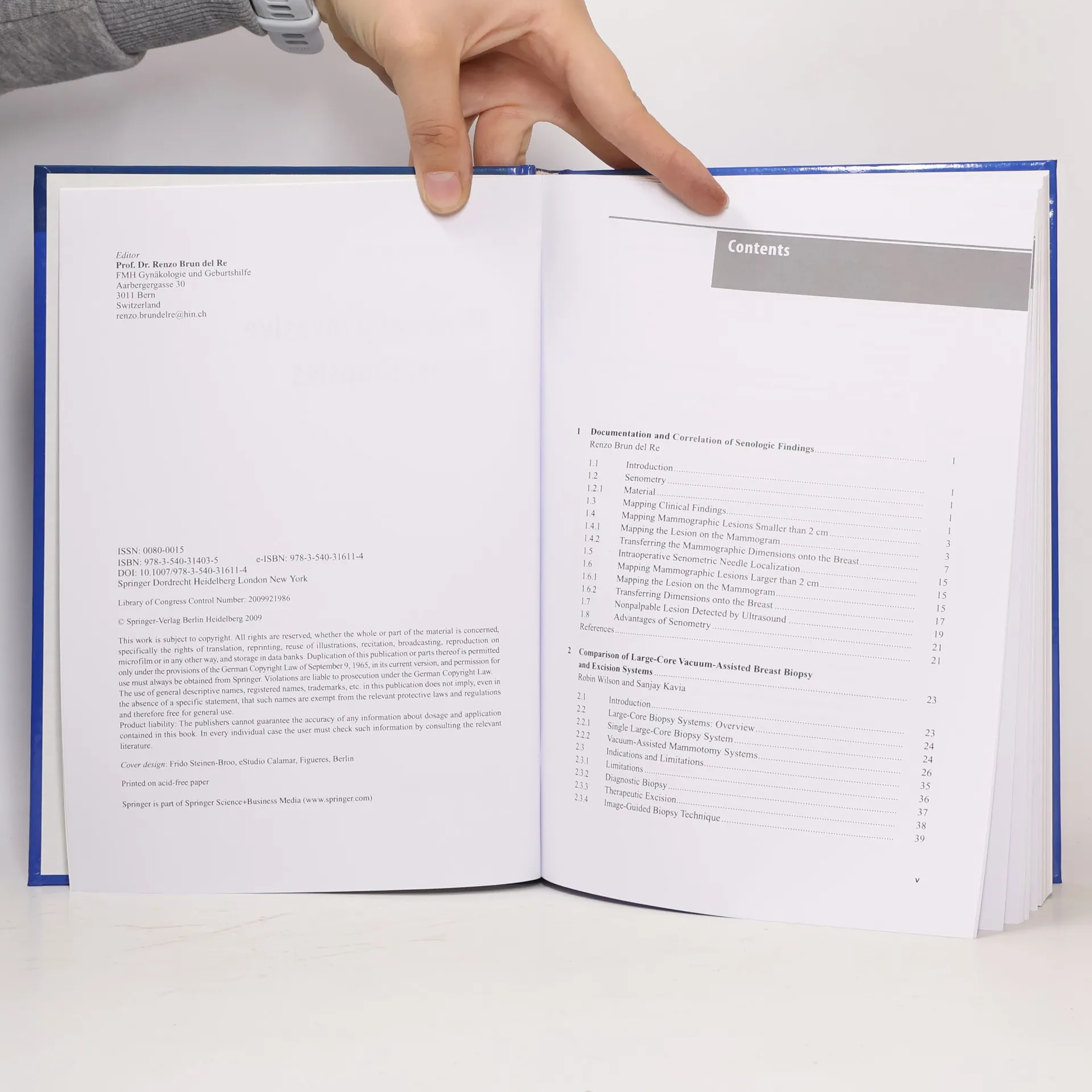
Modern imaging methods have made it possible to detect breast cancer at an earlier stage than in the past. Nevertheless, a large majority of suspicious findings at screening subsequently prove to be benign. It is therefore important to be able to identify benign lesions in a manner that is reliable, tissue sparing, patient friendly, and cost-effective. More than 70% of breast biopsies can now be performed using minimally invasive procedures that meet these criteria. This book examines in detail vacuum-assisted minimally invasive breast biopsy systems (ATEC, EnCor, Intact, Mammotome and Vacora), stereotactic systems, MRI-guided procedures, and ductoscopy. Further chapters are devoted to the pathology of the breast tissue obtained using these procedures, their limitations, the implications of recent advances in breast imaging, and the results of cost-benefit analyses. The closing chapter provides a systematic review and meta-analysis of recent data.
Acquisto del libro
Recent Results in Cancer Research - 173: Minimally Invasive Breast Biopsies, H. J. Senn, Renzo Brun del Re, P.M. Schlag
- Lingua

- Pubblicato
- 2009
- Rilegatura
- (Copertina rigida),
- Condizioni del libro
- In buone condizioni
- Prezzo
- 48,99 €
Metodi di pagamento
Ancora nessuna valutazione.
- Titolo
- Recent Results in Cancer Research - 173: Minimally Invasive Breast Biopsies
- Lingua
- Inglese
- Autori
- H. J. Senn, Renzo Brun del Re, P.M. Schlag
- Editore
- Springer
- Pubblicato
- 2009
- Formato
- Copertina rigida
- Pagine
- 225
- ISBN10
- 3540314032
- ISBN13
- 9783540314035
- Serie
- Tag
- Salute & Medicina, Medicina, Opere Complete, Chirurgia, Oncologia, Patologie, Ginecologia, Cancro al seno, Chirurgia mini-invasiva
- Descrizione
- Modern imaging methods have made it possible to detect breast cancer at an earlier stage than in the past. Nevertheless, a large majority of suspicious findings at screening subsequently prove to be benign. It is therefore important to be able to identify benign lesions in a manner that is reliable, tissue sparing, patient friendly, and cost-effective. More than 70% of breast biopsies can now be performed using minimally invasive procedures that meet these criteria. This book examines in detail vacuum-assisted minimally invasive breast biopsy systems (ATEC, EnCor, Intact, Mammotome and Vacora), stereotactic systems, MRI-guided procedures, and ductoscopy. Further chapters are devoted to the pathology of the breast tissue obtained using these procedures, their limitations, the implications of recent advances in breast imaging, and the results of cost-benefit analyses. The closing chapter provides a systematic review and meta-analysis of recent data.