



Parametri
- 160pagine
- 6 ore di lettura
Maggiori informazioni sul libro
Georg Lukacs wrote The Theory of the Novel in 1914-1915, a period that also saw the conception of Rosa Luxemburg's Spartacus Letters, Lenin's Imperialism: The Highest Stage of Capitalism, Spengler's Decline of the West, and Ernst Bloch's Spirit of Utopia. Like many of Lukacs's early essays, it is a radical critique of bourgeois culture and stems from a specific Central European philosophy of life and tradition of dialectical idealism whose originators include Kant, Hegel, Novalis, Marx, Kierkegaard, Simmel, Weber, and Husserl.The Theory of the Novel marks the transition of the Hungarian philosopher from Kant to Hegel and was Lukacs's last great work before he turned to Marxism-Leninism.


Acquisto del libro
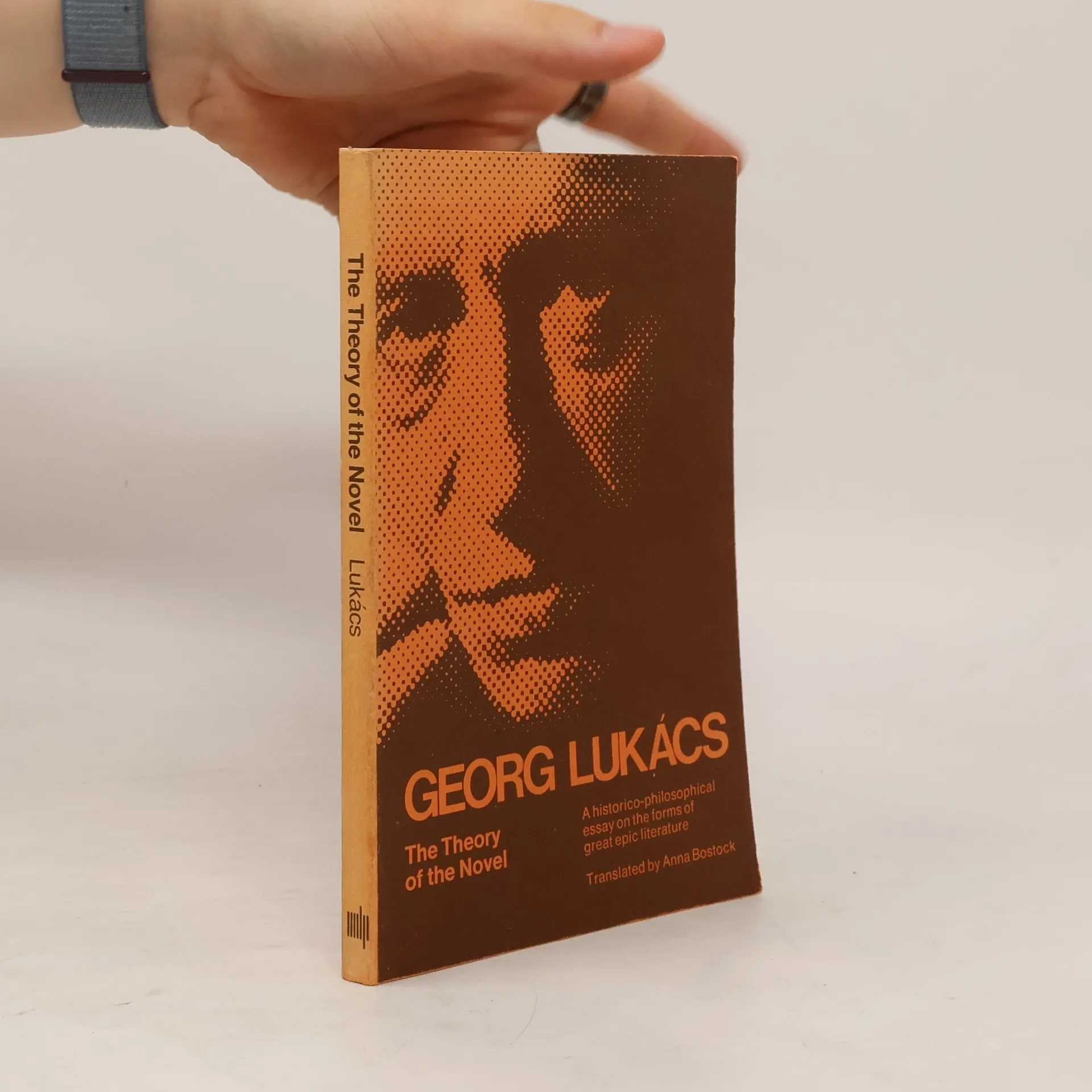
The Theory of the Novel, György Lukács
- Lingua

- Pubblicato
- 1974
- Rilegatura
- (In brossura)
Metodi di pagamento
Qui potrebbe esserci la tua recensione.
- Titolo
- The Theory of the Novel
- Lingua
- Inglese
- Autori
- György Lukács
- Editore
- MIT Press
- Pubblicato
- 1974
- Formato
- In brossura
- Pagine
- 160
- ISBN10
- 0262620278
- ISBN13
- 9780262620277
- Serie
- Titolo originale
- Die Theorie des Romans
- Valutazione
- 3,9 su 5
- Descrizione
- Georg Lukacs wrote The Theory of the Novel in 1914-1915, a period that also saw the conception of Rosa Luxemburg's Spartacus Letters, Lenin's Imperialism: The Highest Stage of Capitalism, Spengler's Decline of the West, and Ernst Bloch's Spirit of Utopia. Like many of Lukacs's early essays, it is a radical critique of bourgeois culture and stems from a specific Central European philosophy of life and tradition of dialectical idealism whose originators include Kant, Hegel, Novalis, Marx, Kierkegaard, Simmel, Weber, and Husserl.The Theory of the Novel marks the transition of the Hungarian philosopher from Kant to Hegel and was Lukacs's last great work before he turned to Marxism-Leninism.