

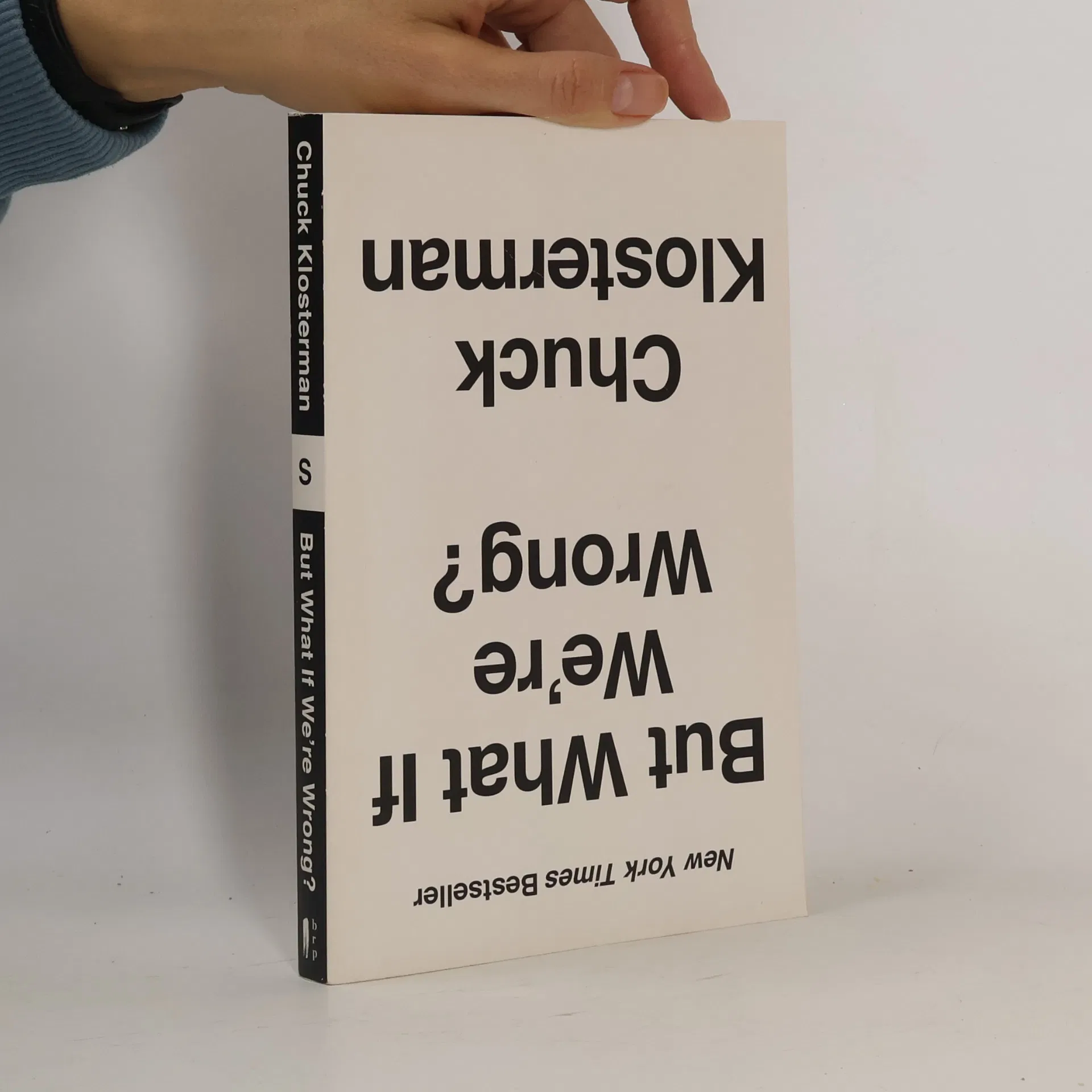
But What If We´re Wrong? : Thinking about the Present as If It Were the Past
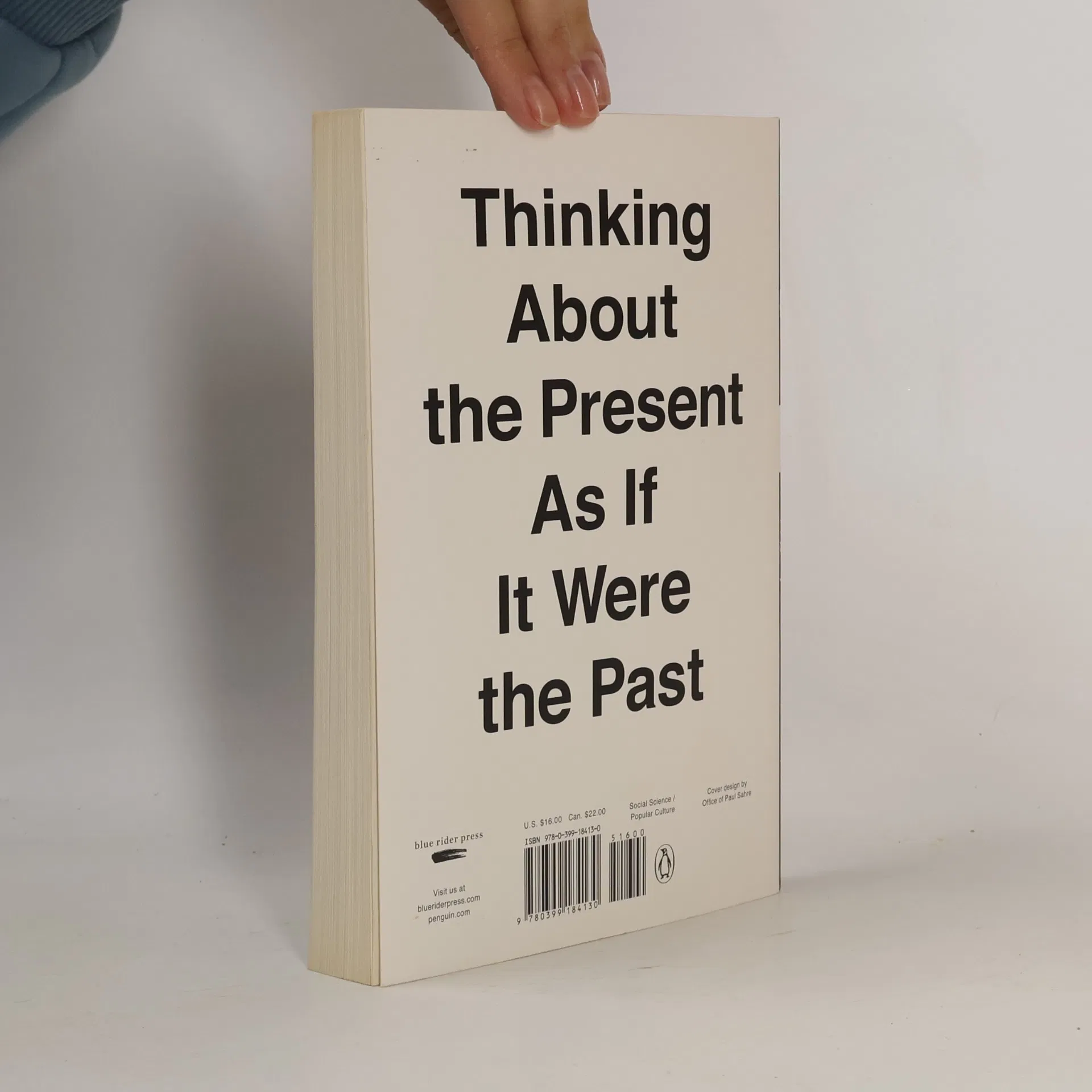
Thinking About the Present As If It Were the Past
Autori
Valutazione del libro
Maggiori informazioni sul libro
New York Times bestselling author Chuck Klosterman poses profound questions about our understanding of gravity, time, and the future of rock music. He explores the significance of dreams and television, the fate of sports, and the possibility that the greatest artist of our time remains unknown or disrespected. He challenges the value we place on democracy and contemplates whether we have reached the end of knowledge. Klosterman envisions how the contemporary world will be perceived by future generations, reflecting on a broad spectrum of objective and subjective issues. The narrative is enriched by interviews with creative thinkers such as George Saunders, David Byrne, Jonathan Lethem, Kathryn Schulz, Neil deGrasse Tyson, and others, blending high-wire humor with unconventional analysis. This book tackles the seemingly impossible: discussing what we cannot know as if we did, capturing the essence of how we live now, as the present transitions into the past.


Acquisto del libro
But What If We´re Wrong? : Thinking about the Present as If It Were the Past, Chuck Klosterman
- Lingua

- Pubblicato
- 2017
Metodi di pagamento
Qui potrebbe esserci la tua recensione.
- Titolo
- But What If We´re Wrong? : Thinking about the Present as If It Were the Past
- Sottotitolo
- Thinking About the Present As If It Were the Past
- Lingua
- Inglese
- Autori
- Chuck Klosterman
- Editore
- Blue Rider Press
- Pubblicato
- 2017
- Pagine
- 288
- ISBN10
- 0399184139
- ISBN13
- 9780399184130
- Serie
- Valutazione
- 3,65 su 5
- Descrizione
- New York Times bestselling author Chuck Klosterman poses profound questions about our understanding of gravity, time, and the future of rock music. He explores the significance of dreams and television, the fate of sports, and the possibility that the greatest artist of our time remains unknown or disrespected. He challenges the value we place on democracy and contemplates whether we have reached the end of knowledge. Klosterman envisions how the contemporary world will be perceived by future generations, reflecting on a broad spectrum of objective and subjective issues. The narrative is enriched by interviews with creative thinkers such as George Saunders, David Byrne, Jonathan Lethem, Kathryn Schulz, Neil deGrasse Tyson, and others, blending high-wire humor with unconventional analysis. This book tackles the seemingly impossible: discussing what we cannot know as if we did, capturing the essence of how we live now, as the present transitions into the past.