

An Associative Art History
Autori
Maggiori informazioni sul libro
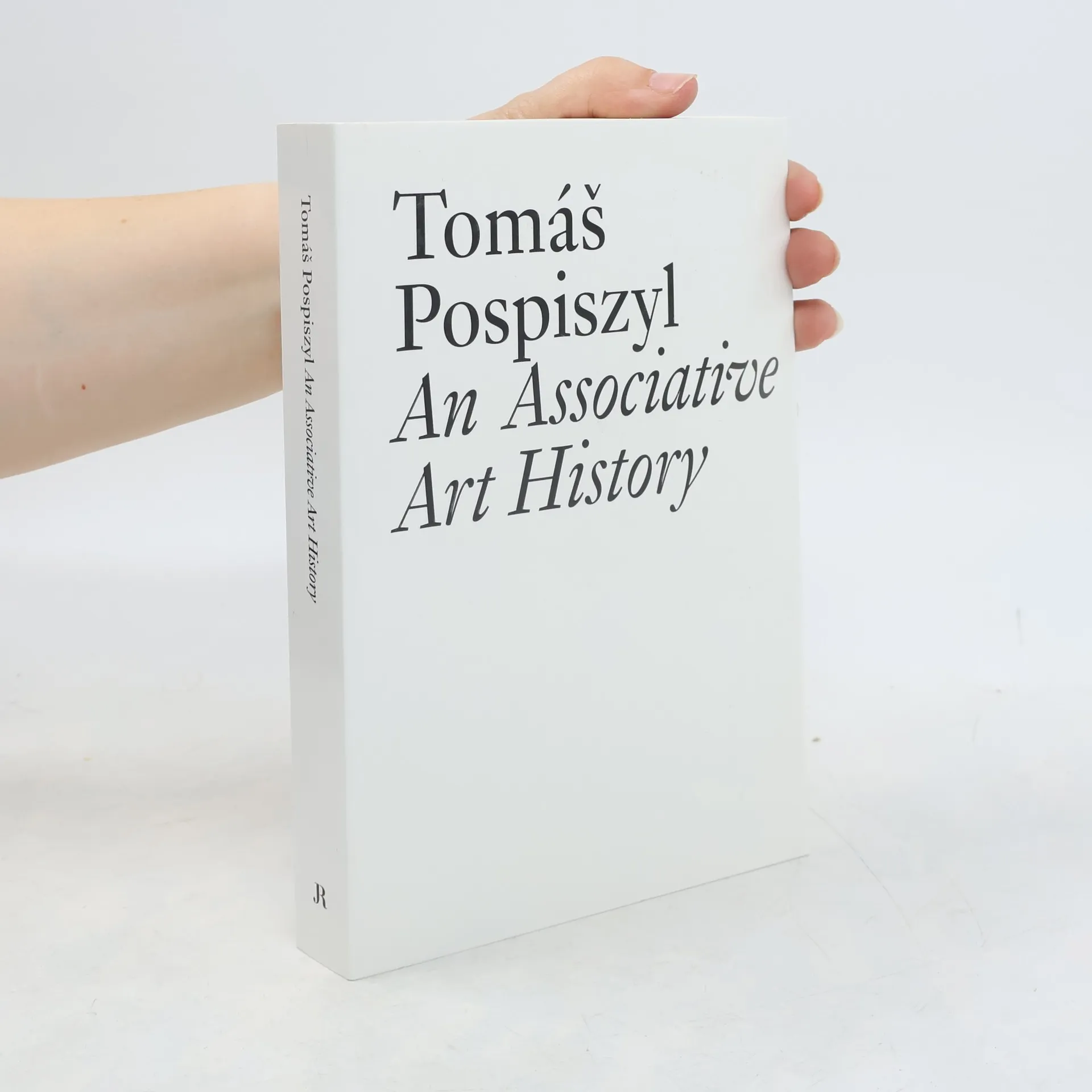
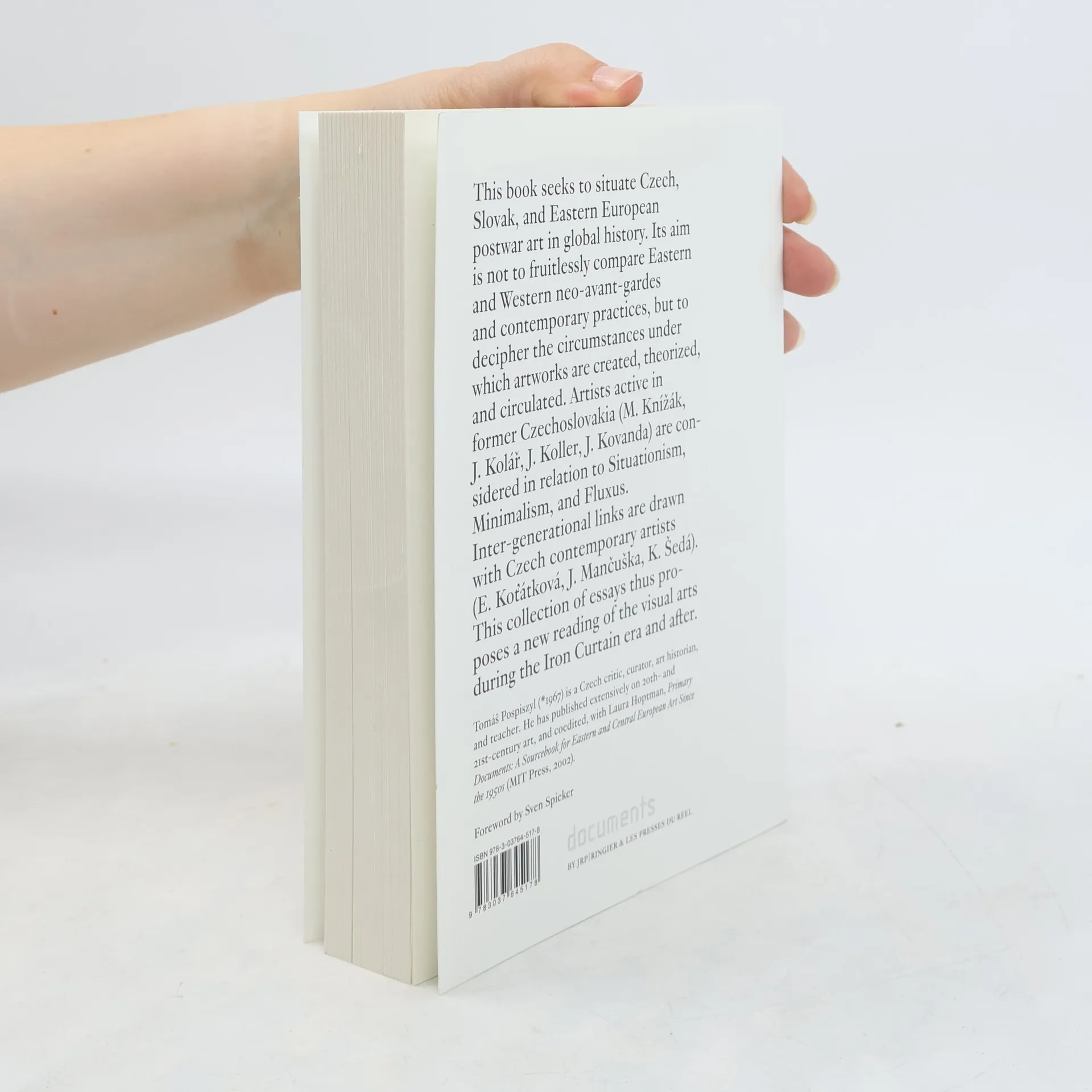
This publication explores the role of Czech, Slovak, and Eastern European postwar art within global history, intentionally avoiding the typical Western canonization processes. Its focus is on understanding the contexts in which artworks are created and theorized, emphasizing their interconnections rather than comparing Eastern and Western neo-avant-gardes. Tomas Pospiszyl highlights key narratives from the Eastern European art scene, blending personal stories with artistic agendas. Artists from former Czechoslovakia, such as Knizak, Kolar, Koller, and Kovanda, are examined alongside Situationists, Minimalists, and Fluxus figures. The text also connects these historical figures with contemporary Czech artists like Kotatkova, Mancuska, and Seda. Through nine essays spanning 1939 to 2013, the collection offers a fresh perspective on visual arts during and after the Iron Curtain era, linking various artistic ideologies to the political and social contexts of the West. Pospiszyl draws parallels between the theories of Clement Greenberg and Jindrich Chalupecky, suggesting they are akin to "identical twins raised apart," shaped by a shared intellectual background. The volume is introduced by British art historian Sven Spieker and is part of the Documents series, co-published with Les presses du réel and tranzit.cz.
Acquisto del libro
An Associative Art History, Tomáš Pospiszyl
- Lingua

- Pubblicato
- 2018
- Rilegatura
- (In brossura)
Metodi di pagamento
Ancora nessuna valutazione.
- Titolo
- An Associative Art History
- Lingua
- Inglese
- Autori
- Tomáš Pospiszyl
- Editore
- JRP Ringier Kunstverlag
- Pubblicato
- 2018
- Formato
- In brossura
- Pagine
- 296
- ISBN10
- 3037645172
- ISBN13
- 9783037645178
- Serie
- Categoria
- Tag
- Tema stórico
- Descrizione
- This publication explores the role of Czech, Slovak, and Eastern European postwar art within global history, intentionally avoiding the typical Western canonization processes. Its focus is on understanding the contexts in which artworks are created and theorized, emphasizing their interconnections rather than comparing Eastern and Western neo-avant-gardes. Tomas Pospiszyl highlights key narratives from the Eastern European art scene, blending personal stories with artistic agendas. Artists from former Czechoslovakia, such as Knizak, Kolar, Koller, and Kovanda, are examined alongside Situationists, Minimalists, and Fluxus figures. The text also connects these historical figures with contemporary Czech artists like Kotatkova, Mancuska, and Seda. Through nine essays spanning 1939 to 2013, the collection offers a fresh perspective on visual arts during and after the Iron Curtain era, linking various artistic ideologies to the political and social contexts of the West. Pospiszyl draws parallels between the theories of Clement Greenberg and Jindrich Chalupecky, suggesting they are akin to "identical twins raised apart," shaped by a shared intellectual background. The volume is introduced by British art historian Sven Spieker and is part of the Documents series, co-published with Les presses du réel and tranzit.cz.