


Maggiori informazioni sul libro
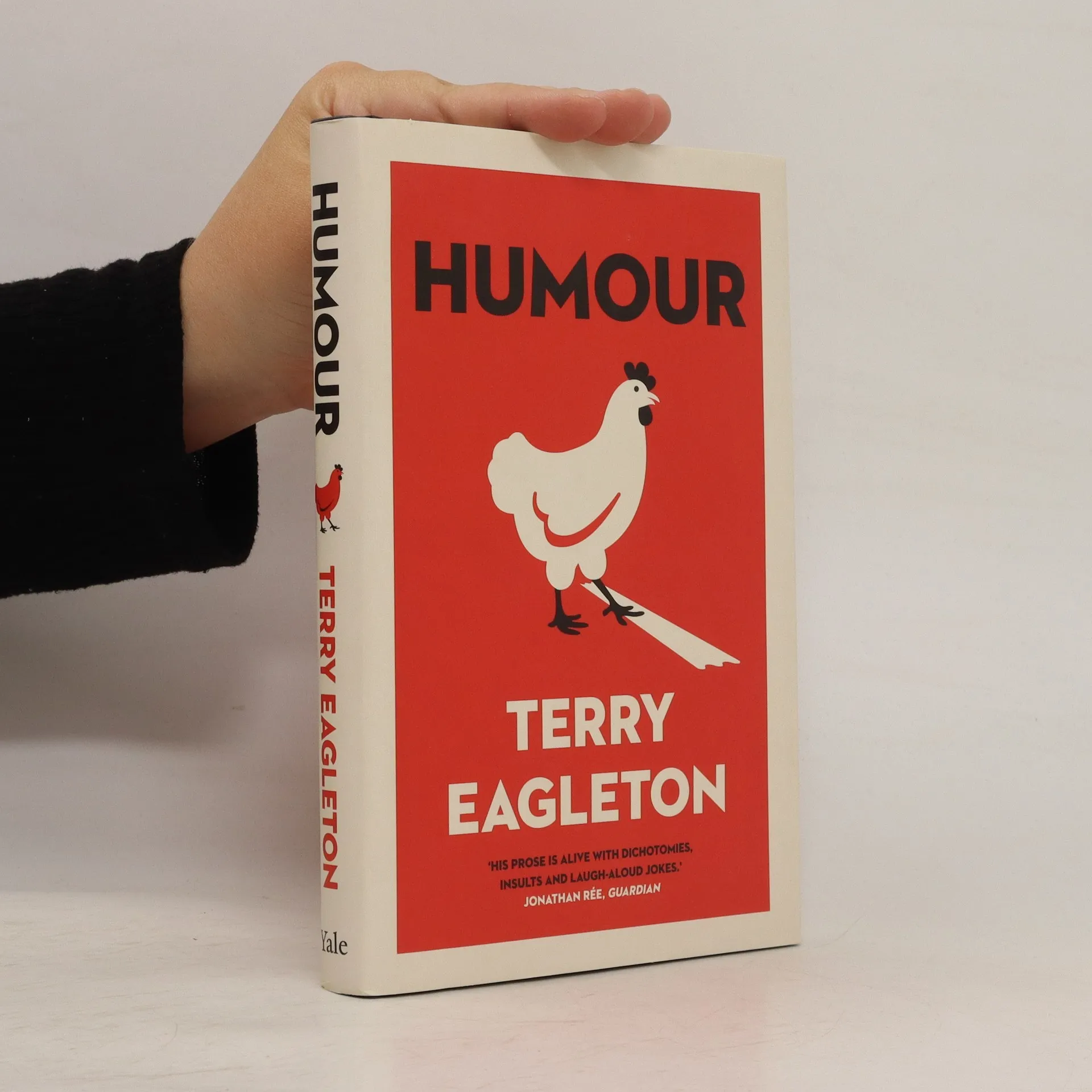
A compelling guide to the fundamental place of humour and comedy within Western culture—by one of its greatest exponentsWritten by an acknowledged master of comedy, this study reflects on the nature of humour and the functions it serves. Why do we laugh? What are we to make of the sheer variety of laughter, from braying and cackling to sniggering and chortling? Is humour subversive, or can it defuse dissent? Can we define wit? Packed with illuminating ideas and a good many excellent jokes, the book critically examines various well-known theories of humour, including the idea that it springs from incongruity and the view that it reflects a mildly sadistic form of superiority to others. Drawing on a wide range of literary and philosophical sources, Terry Eagleton moves from Aristotle and Aquinas to Hobbes, Freud, and Bakhtin, looking in particular at the psychoanalytical mechanisms underlying humour and its social and political evolution over the centuries.
Pubblicazione

Acquisto del libro
Humour, Terry Eagleton
- Lingua

- Pubblicato
- 2019
- Rilegatura
- (Copertina rigida)
Metodi di pagamento
Qui potrebbe esserci la tua recensione.
- Titolo
- Humour
- Lingua
- Inglese
- Autori
- Terry Eagleton
- Editore
- Yale University Press
- Pubblicato
- 2019
- Formato
- Copertina rigida
- Pagine
- 224
- ISBN10
- 0300243146
- ISBN13
- 9780300243147
- Serie
- Categoria
- Valutazione
- 3,25 su 5
- Descrizione
- A compelling guide to the fundamental place of humour and comedy within Western culture—by one of its greatest exponentsWritten by an acknowledged master of comedy, this study reflects on the nature of humour and the functions it serves. Why do we laugh? What are we to make of the sheer variety of laughter, from braying and cackling to sniggering and chortling? Is humour subversive, or can it defuse dissent? Can we define wit? Packed with illuminating ideas and a good many excellent jokes, the book critically examines various well-known theories of humour, including the idea that it springs from incongruity and the view that it reflects a mildly sadistic form of superiority to others. Drawing on a wide range of literary and philosophical sources, Terry Eagleton moves from Aristotle and Aquinas to Hobbes, Freud, and Bakhtin, looking in particular at the psychoanalytical mechanisms underlying humour and its social and political evolution over the centuries.