





Maggiori informazioni sul libro
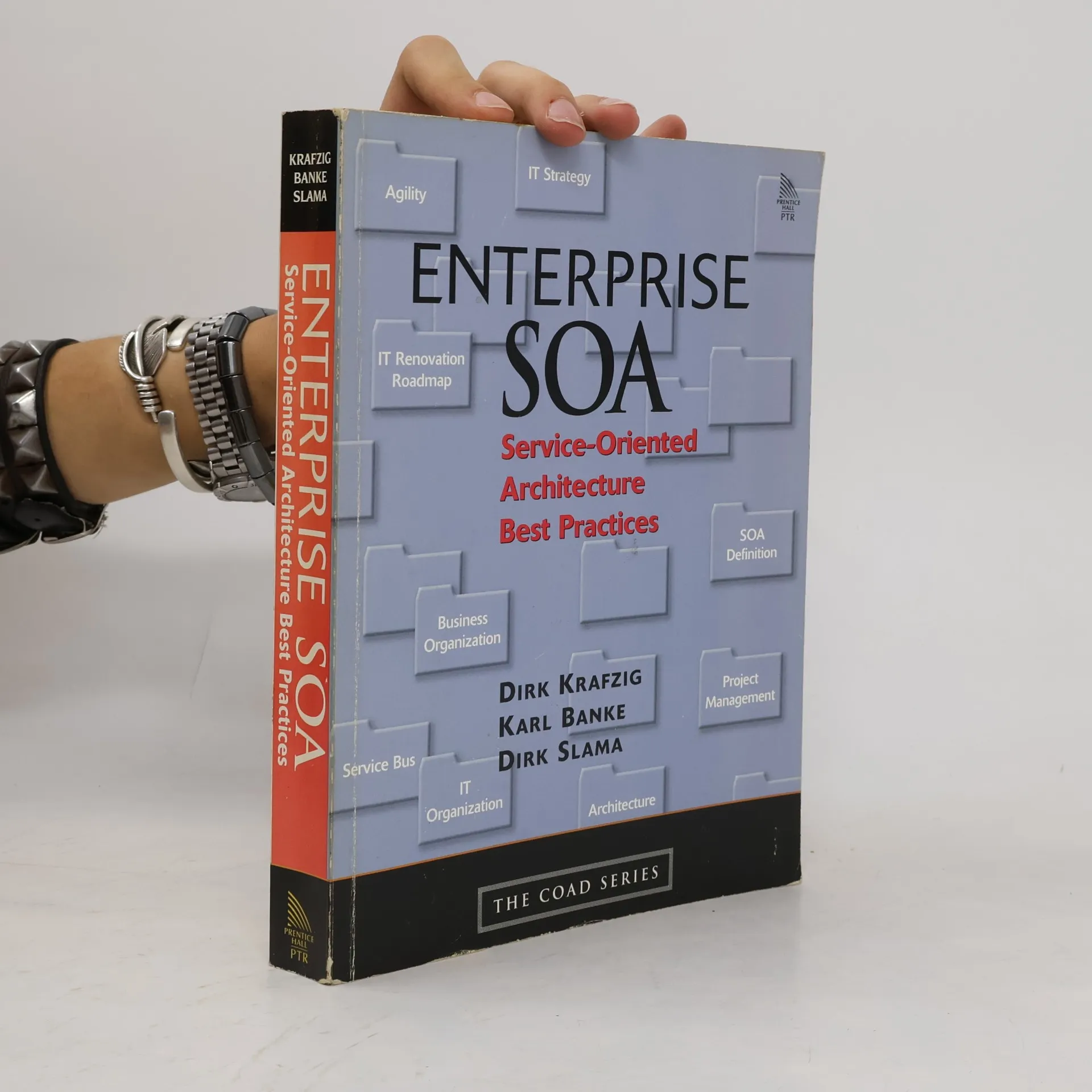
This book spells out guidelines and strategies for successfully using ServiceOriented Architecture (SOA) in large-scale projects. SOA represents the latestparadigm in distributed computing and middleware development. However,SOA is not a revolution, but rather an evolution in software architecture. SOAis a collection of best practice software construction principles accompanied byproven methodologies in development and project management.This book is unique in that it offers a pragmatic approach to the topic. Theauthors borrow from their more than forty years of collective enterpriseexperience, and offer a frank discussion of the challenges associated withadopting SOA. They also help readers ensure that their organization does notbecome too closely tied to a specific technology. The result is a detailedintroduction to the topic and an architectural blueprint for implementing SOA.
Acquisto del libro
Enterprise SOA. Service-Oriented Architecture Best Practices, Dirk Slama, Dirk Krafzig, Karl Banke
- Lingua

- Pubblicato
- 2005
- Rilegatura
- (In brossura),
- Condizioni del libro
- Danneggiato
- Prezzo
- 2,06 €
Metodi di pagamento
Qui potrebbe esserci la tua recensione.
- Titolo
- Enterprise SOA. Service-Oriented Architecture Best Practices
- Lingua
- Inglese
- Autori
- Dirk Slama, Dirk Krafzig, Karl Banke
- Editore
- Prentice Hall
- Pubblicato
- 2005
- Formato
- In brossura
- Pagine
- 408
- ISBN10
- 0131465759
- ISBN13
- 9780131465756
- Serie
- Categoria
- Tag
- Commercio, Tecnologia
- Valutazione
- 3,35 su 5
- Descrizione
- This book spells out guidelines and strategies for successfully using ServiceOriented Architecture (SOA) in large-scale projects. SOA represents the latestparadigm in distributed computing and middleware development. However,SOA is not a revolution, but rather an evolution in software architecture. SOAis a collection of best practice software construction principles accompanied byproven methodologies in development and project management.This book is unique in that it offers a pragmatic approach to the topic. Theauthors borrow from their more than forty years of collective enterpriseexperience, and offer a frank discussion of the challenges associated withadopting SOA. They also help readers ensure that their organization does notbecome too closely tied to a specific technology. The result is a detailedintroduction to the topic and an architectural blueprint for implementing SOA.