

Maggiori informazioni sul libro
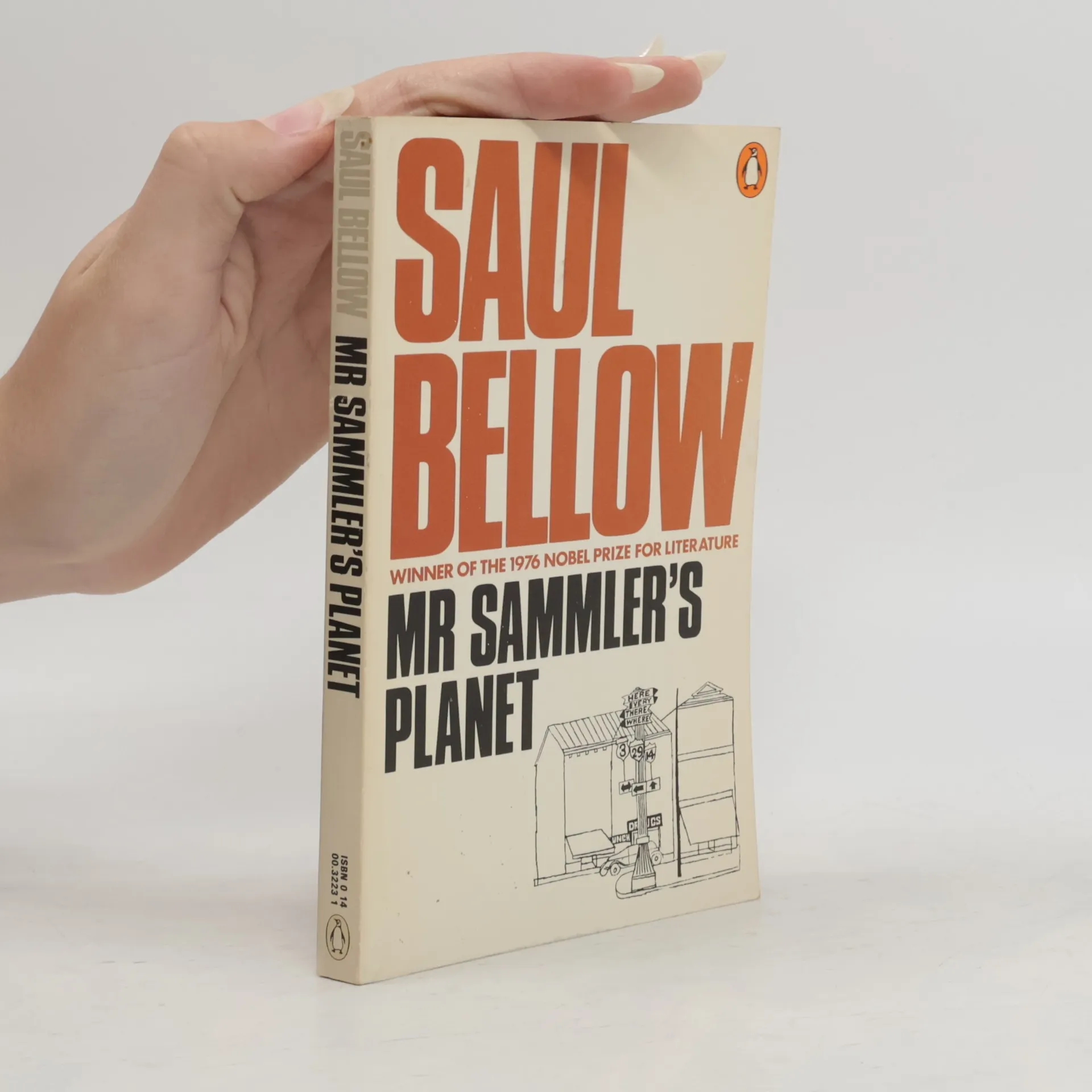
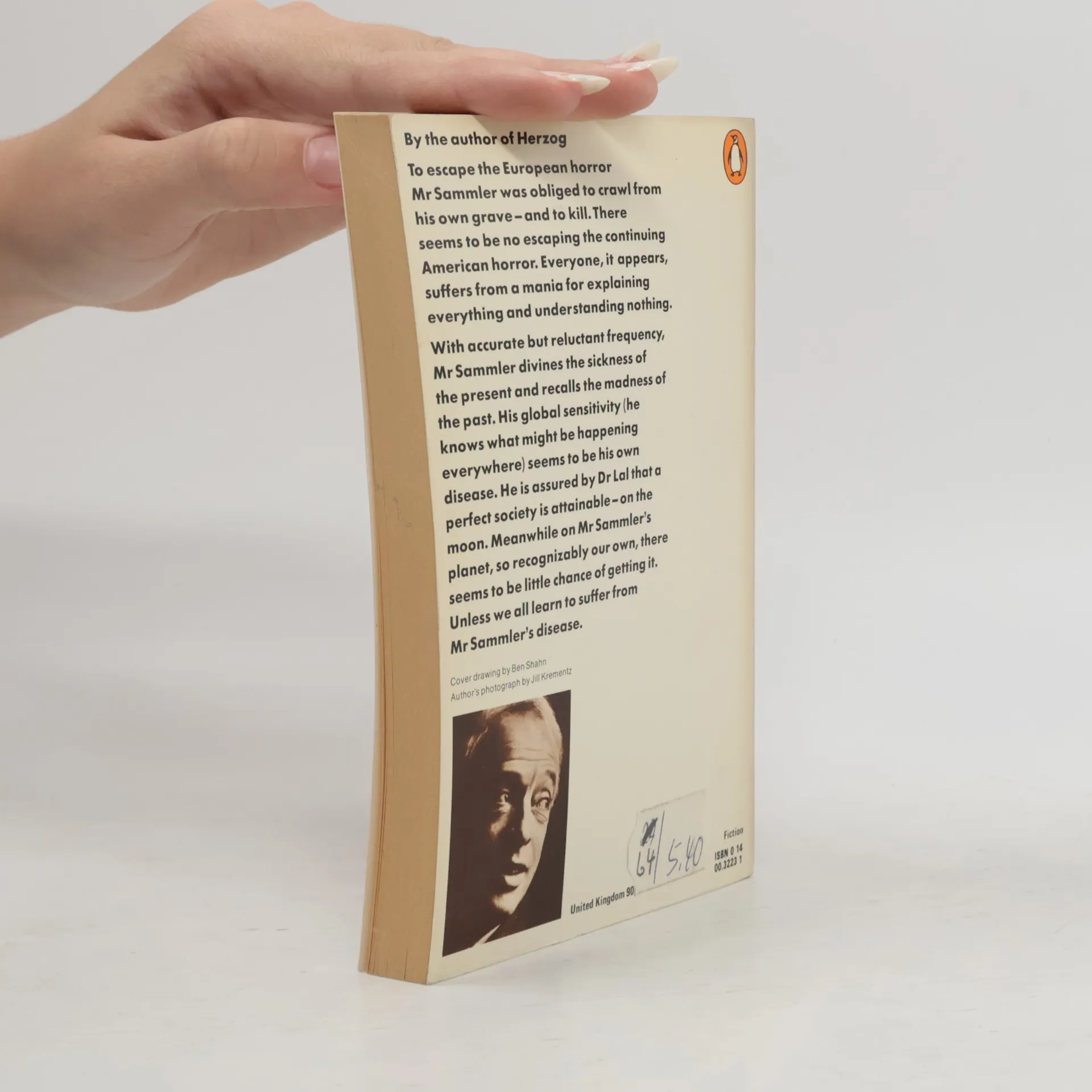
Mr. Artur Sammler, Holocaust survivor, intellectual and occasional lecturer at Columbia University in 1960s New York, is a 'registrar of madness', a refined and civilized being caught among people crazy with the promises of the future (moon landings, endless possibilities). His Cyclopean gaze reflects on the degradations of city life while looking deep into the sufferings of the human soul. 'Sorry for all and sore at heart', he observes how greater luxury & leisure have only led to more suffering. To Sammler--who by the end of this ferociously unsentimental novel has found the compassionate consciousness necessary to bridge the gap between himself and his fellow beings--a good life is one in which a person does what is 'required of him'. To know and to meet the 'terms of the contract" was as true a life as one could live. At its heart, this novel is quintessential Bellow: moral, urbane, sublimely humane.



Acquisto del libro
Mr. Sammler's Planet, Saul Bellow
- Lingua

- Pubblicato
- 1970
- Rilegatura
- (In brossura),
- Condizioni del libro
- In buone condizioni
- Prezzo
- 2,79 €
Metodi di pagamento
Qui potrebbe esserci la tua recensione.
- Titolo
- Mr. Sammler's Planet
- Lingua
- Inglese
- Autori
- Saul Bellow
- Editore
- Penguin Books
- Pubblicato
- 1970
- Formato
- In brossura
- Serie
- Tag
- USA, Letteratura Americana, Società, Ebrei, Olocausto, Letteratura ebraica, Riflessioni e Pensieri, Polonia, Premio Nobel, Campi di Concentramento, Anni '60 del 20° secolo, Premio Nobel per la letteratura
- Prima pubblicazione
- 1970
- Titolo originale
- Mr. Sammler's Planet
- Valutazione
- 3,75 su 5
- Descrizione
- Mr. Artur Sammler, Holocaust survivor, intellectual and occasional lecturer at Columbia University in 1960s New York, is a 'registrar of madness', a refined and civilized being caught among people crazy with the promises of the future (moon landings, endless possibilities). His Cyclopean gaze reflects on the degradations of city life while looking deep into the sufferings of the human soul. 'Sorry for all and sore at heart', he observes how greater luxury & leisure have only led to more suffering. To Sammler--who by the end of this ferociously unsentimental novel has found the compassionate consciousness necessary to bridge the gap between himself and his fellow beings--a good life is one in which a person does what is 'required of him'. To know and to meet the 'terms of the contract" was as true a life as one could live. At its heart, this novel is quintessential Bellow: moral, urbane, sublimely humane.