


Parametri
- 272pagine
- 10 ore di lettura
Maggiori informazioni sul libro
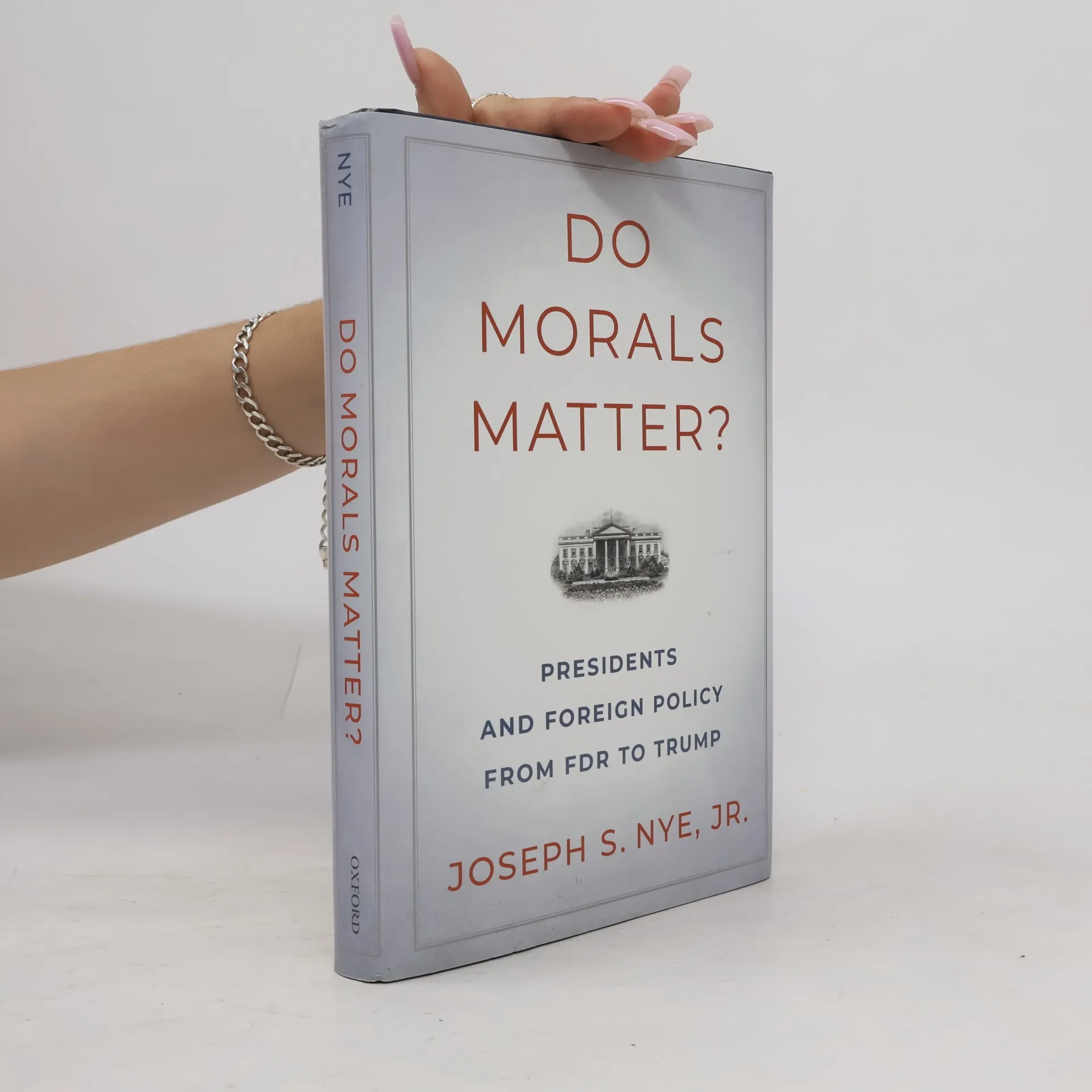
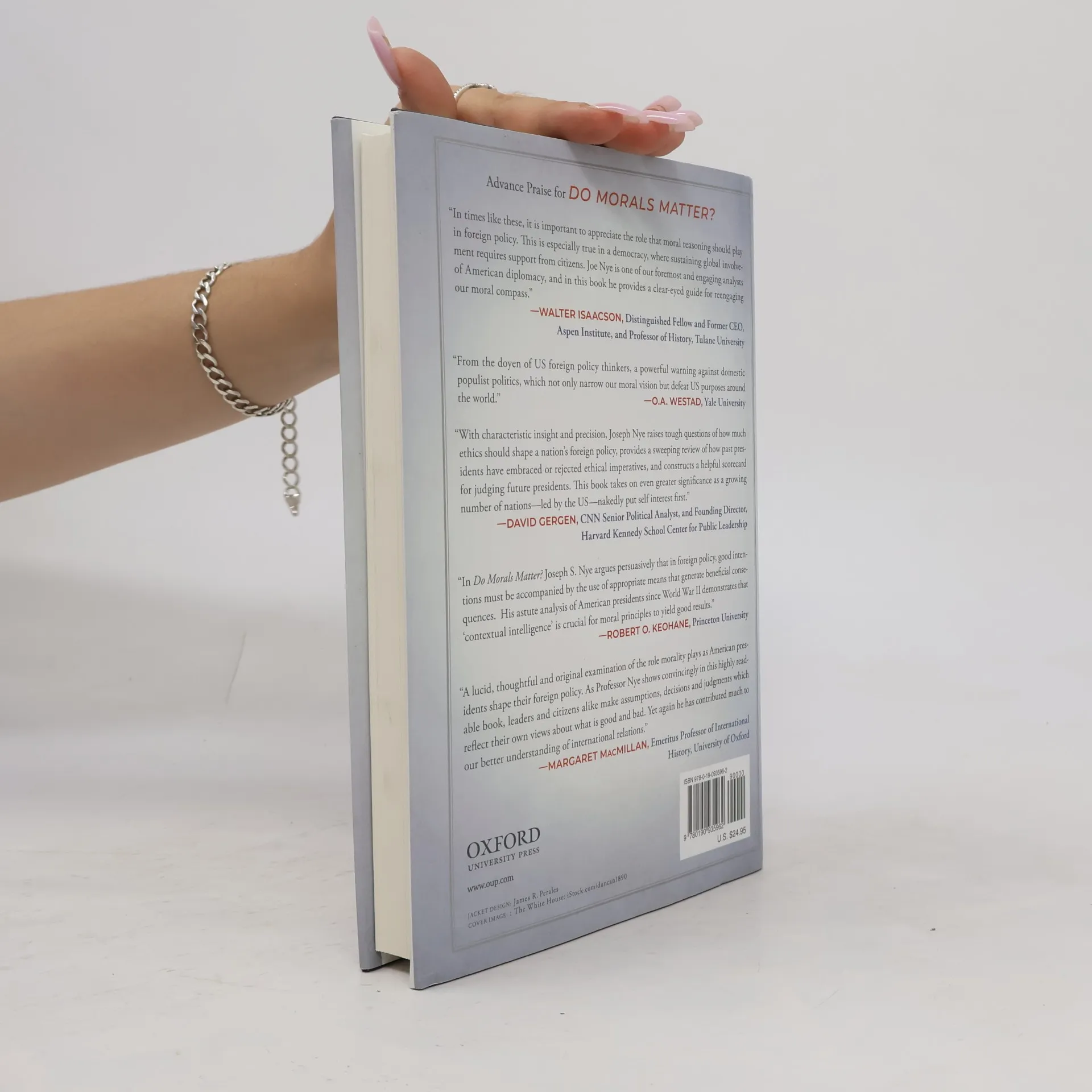
Americans frequently assess the morality of presidents and their foreign policies, often without deep consideration. Praise is given for moral clarity, while judgments focus solely on outcomes. Historical examples illustrate this: Woodrow Wilson's good intentions led to negative consequences, while Richard Nixon's actions to end the Vietnam War resulted in significant loss of life for minimal gain. In this analysis, Joseph S. Nye, Jr., a prominent international relations scholar, examines the ethical dimensions of U.S. foreign policy from Truman to Trump, evaluating each presidency based on intentions, means, and consequences. He also assesses leadership qualities, identifying effective and ineffective approaches. Nye emphasizes that presidents had choices beyond the constraints of the system, highlighting the ethical implications of inaction, such as Truman's decision to avoid nuclear weapons in Korea. Given the frequent application of moral reasoning in foreign policy, Nye offers guidance on improving this process. He stresses the importance of considering political context and resource availability when crafting ethical policies, particularly in a future characterized by great power competition and transnational threats, including drugs, diseases, terrorism, cybercrime, and climate change.
Pubblicazione

Acquisto del libro
Do Morals Matter?, Joseph S. Nye
- Lingua

- Pubblicato
- 2020
- Rilegatura
- (Copertina rigida)
Metodi di pagamento
Qui potrebbe esserci la tua recensione.
- Titolo
- Do Morals Matter?
- Lingua
- Inglese
- Autori
- Joseph S. Nye
- Editore
- Oxford University Press
- Pubblicato
- 2020
- Formato
- Copertina rigida
- Pagine
- 272
- ISBN10
- 0190935960
- ISBN13
- 9780190935962
- Serie
- Valutazione
- 3,9 su 5
- Descrizione
- Americans frequently assess the morality of presidents and their foreign policies, often without deep consideration. Praise is given for moral clarity, while judgments focus solely on outcomes. Historical examples illustrate this: Woodrow Wilson's good intentions led to negative consequences, while Richard Nixon's actions to end the Vietnam War resulted in significant loss of life for minimal gain. In this analysis, Joseph S. Nye, Jr., a prominent international relations scholar, examines the ethical dimensions of U.S. foreign policy from Truman to Trump, evaluating each presidency based on intentions, means, and consequences. He also assesses leadership qualities, identifying effective and ineffective approaches. Nye emphasizes that presidents had choices beyond the constraints of the system, highlighting the ethical implications of inaction, such as Truman's decision to avoid nuclear weapons in Korea. Given the frequent application of moral reasoning in foreign policy, Nye offers guidance on improving this process. He stresses the importance of considering political context and resource availability when crafting ethical policies, particularly in a future characterized by great power competition and transnational threats, including drugs, diseases, terrorism, cybercrime, and climate change.