

Maggiori informazioni sul libro
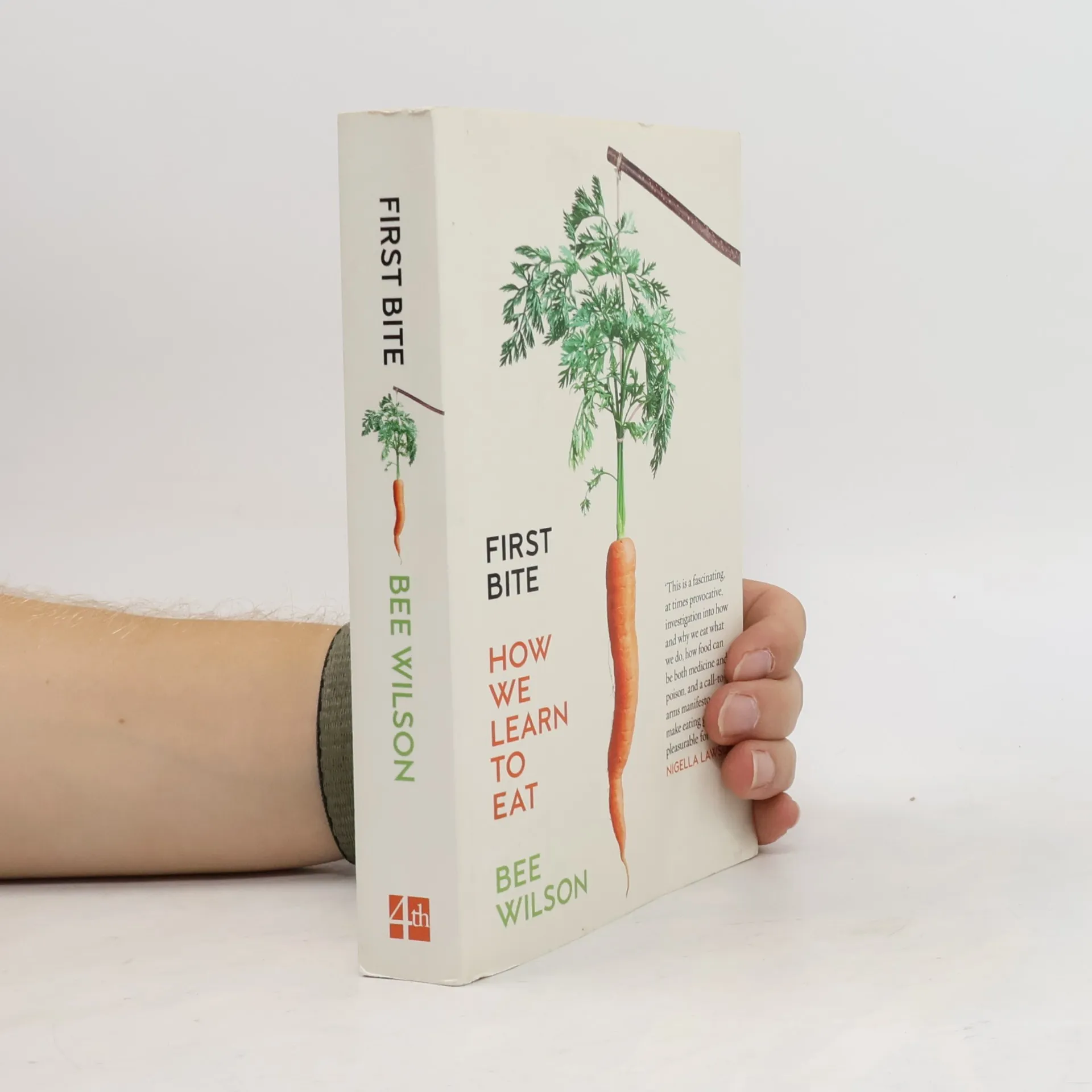
We are not born knowing what to eat; as omnivores, we must navigate our own food choices. From childhood, we learn about portion sizes and sweetness levels, and we develop preferences for certain foods. But how does this education occur? What shapes our tastes? An award-winning food writer draws on research from food psychologists, neuroscientists, and nutritionists to explore how our eating habits are influenced by various factors, including family, culture, memory, gender, hunger, and love. The narrative takes readers around the world, introducing individuals with unique food experiences: those limited to specific colors, prisoners of war longing for home-cooked meals, a young girl with anosmia lacking memories of flavor, and toddlers with narrow diets. It also highlights researchers and doctors who successfully encourage children to try new vegetables. The book examines dietary differences across cultures, such as the healthy eating habits of the Japanese compared to the weight issues faced by many teenagers in Kuwait, offering insights for Americans on improving their diets. Ultimately, it reveals that our learning about food is crucial to understanding the widespread dietary issues today, while also emphasizing the potential for both adults and children to adopt healthier eating habits. This exploration of the origins of our tastes provides a roadmap for changing our palates and leading healthier, happier lives.




Acquisto del libro
First Bite, Beatrice Wilson
- Lingua

- Pubblicato
- 2015
- Rilegatura
- (In brossura)
Metodi di pagamento
Qui potrebbe esserci la tua recensione.
- Titolo
- First Bite
- Sottotitolo
- How We Learn to Eat
- Lingua
- Inglese
- Autori
- Beatrice Wilson
- Editore
- Fourth Estate
- Pubblicato
- 2015
- Formato
- In brossura
- Pagine
- 432
- ISBN10
- 0007549709
- ISBN13
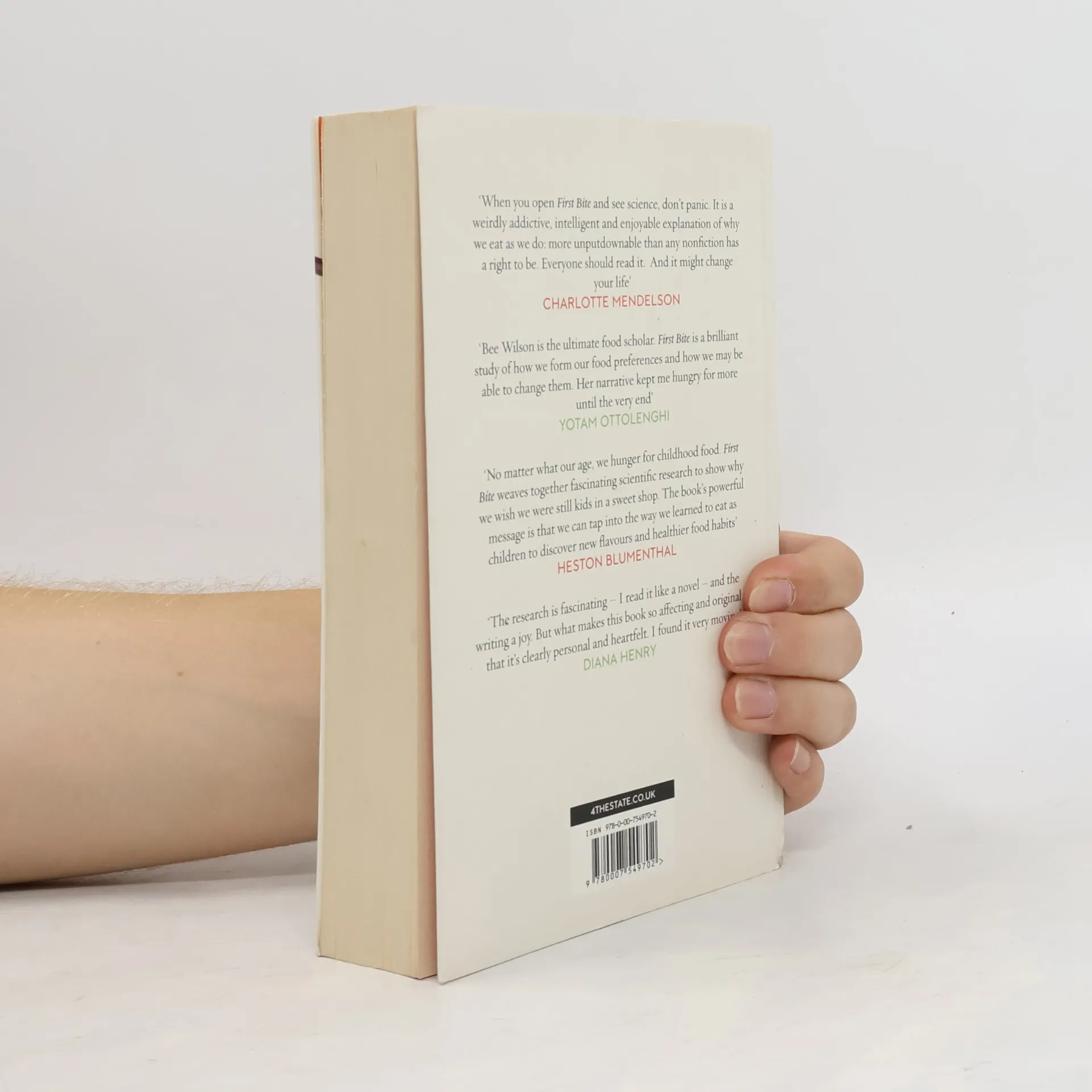
- 9780007549702
- Serie
- Valutazione
- 3,85 su 5
- Descrizione
- We are not born knowing what to eat; as omnivores, we must navigate our own food choices. From childhood, we learn about portion sizes and sweetness levels, and we develop preferences for certain foods. But how does this education occur? What shapes our tastes? An award-winning food writer draws on research from food psychologists, neuroscientists, and nutritionists to explore how our eating habits are influenced by various factors, including family, culture, memory, gender, hunger, and love. The narrative takes readers around the world, introducing individuals with unique food experiences: those limited to specific colors, prisoners of war longing for home-cooked meals, a young girl with anosmia lacking memories of flavor, and toddlers with narrow diets. It also highlights researchers and doctors who successfully encourage children to try new vegetables. The book examines dietary differences across cultures, such as the healthy eating habits of the Japanese compared to the weight issues faced by many teenagers in Kuwait, offering insights for Americans on improving their diets. Ultimately, it reveals that our learning about food is crucial to understanding the widespread dietary issues today, while also emphasizing the potential for both adults and children to adopt healthier eating habits. This exploration of the origins of our tastes provides a roadmap for changing our palates and leading healthier, happier lives.