

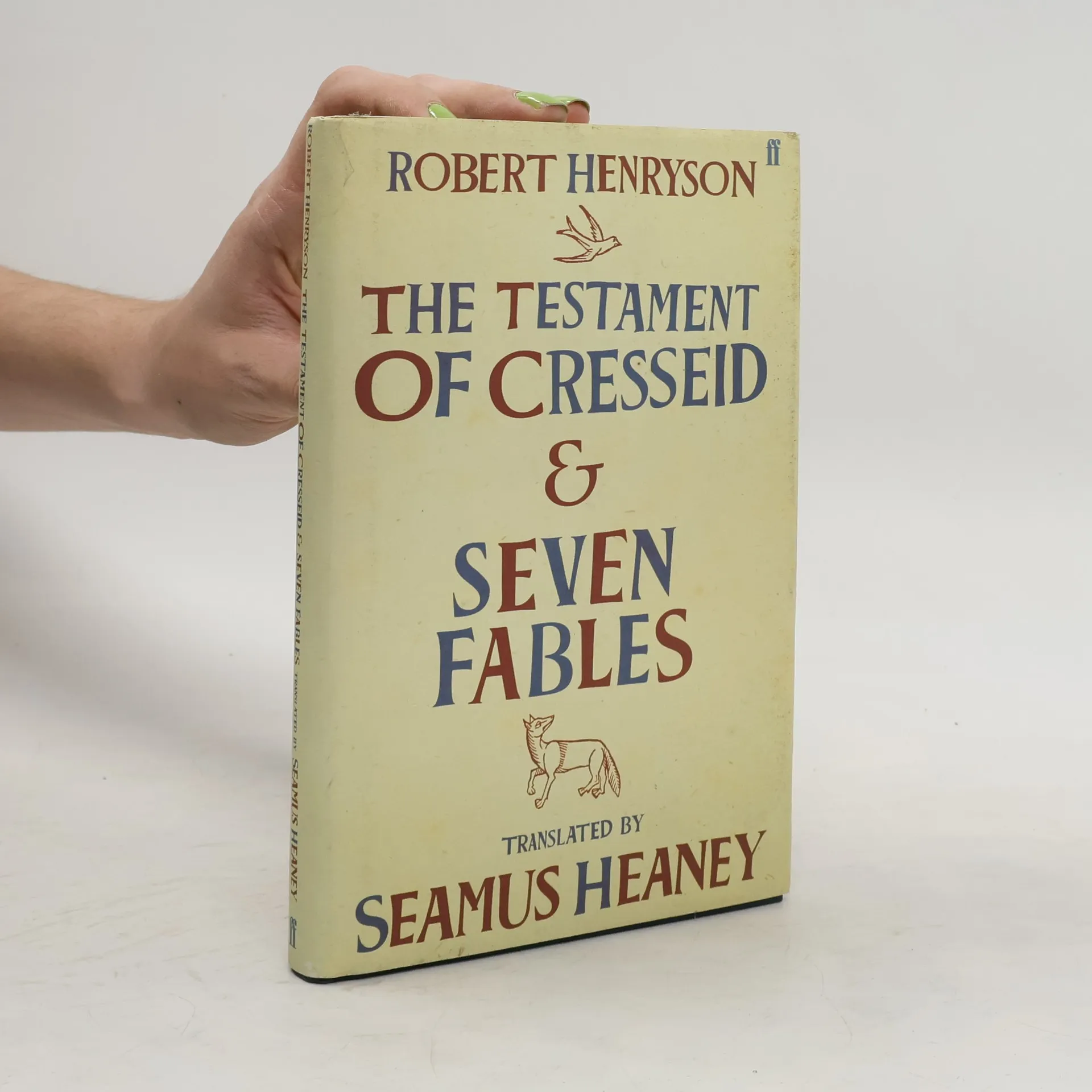
The Testament of Cresseid & Seven Fables
Valutazione del libro
Maggiori informazioni sul libro
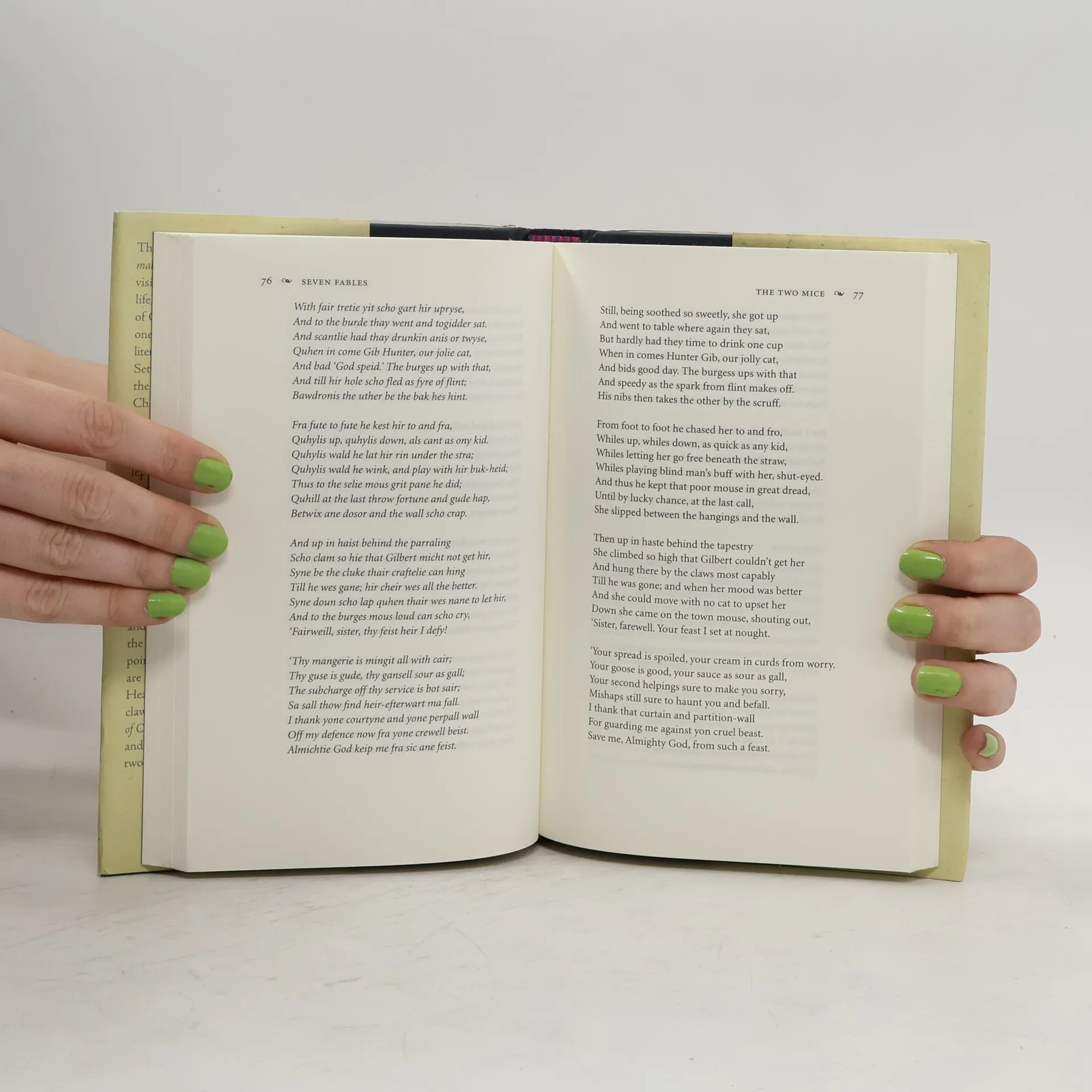
The greatest of the late medieval Scots "makars," Robert Henryson was influenced by their vision of the frailty and pathos of human life, and by the inherited poetic example of Geoffrey Chaucer. Henryson’s finest poem, and one of the rhetorical masterpieces of Scots literature, is the narrative Testament of Cresseid. Set in the aftermath of the Trojan War, the Testament "completes the story of Chaucer’s Troilus and Criseyde, offering a tragic account of its faithless heroine’s rejection by her lover, Diomede, and of her subsequent decline into prostitution and leprosy. Written in Middle Scots, the Testament "has been translated by Seamus Heaney into a confident but faithful idiom that matches the original verse form and honors the poem’s unique blend of detachment and compassion.A master of high narrative, Henryson was also a comic master of the verse fable, and his burlesques of human weakness in the guise of animal wisdom are delicately pointed with irony. Seven of the Fables "are here sparklingly translated by Heaney, their freshness rendered to the last claw and feather. Together, The Testament of Cresseid and Seven Fables provide a rich and wide-ranging encounter between two poets across six centuries.
Acquisto del libro
The Testament of Cresseid & Seven Fables, Seamus Heaney, Robert Henryson
- Lingua

- Pubblicato
- 2009
- Rilegatura
- (Copertina rigida)
Metodi di pagamento
Qui potrebbe esserci la tua recensione.
- Titolo
- The Testament of Cresseid & Seven Fables
- Lingua
- Inglese
- Autori
- Seamus Heaney, Robert Henryson
- Editore
- Faber & Faber
- Pubblicato
- 2009
- Formato
- Copertina rigida
- Pagine
- 183
- ISBN10
- 0571249280
- ISBN13
- 9780571249282
- Serie
- Valutazione
- 3,95 su 5
- Descrizione
- The greatest of the late medieval Scots "makars," Robert Henryson was influenced by their vision of the frailty and pathos of human life, and by the inherited poetic example of Geoffrey Chaucer. Henryson’s finest poem, and one of the rhetorical masterpieces of Scots literature, is the narrative Testament of Cresseid. Set in the aftermath of the Trojan War, the Testament "completes the story of Chaucer’s Troilus and Criseyde, offering a tragic account of its faithless heroine’s rejection by her lover, Diomede, and of her subsequent decline into prostitution and leprosy. Written in Middle Scots, the Testament "has been translated by Seamus Heaney into a confident but faithful idiom that matches the original verse form and honors the poem’s unique blend of detachment and compassion.A master of high narrative, Henryson was also a comic master of the verse fable, and his burlesques of human weakness in the guise of animal wisdom are delicately pointed with irony. Seven of the Fables "are here sparklingly translated by Heaney, their freshness rendered to the last claw and feather. Together, The Testament of Cresseid and Seven Fables provide a rich and wide-ranging encounter between two poets across six centuries.