

Parametri
Maggiori informazioni sul libro
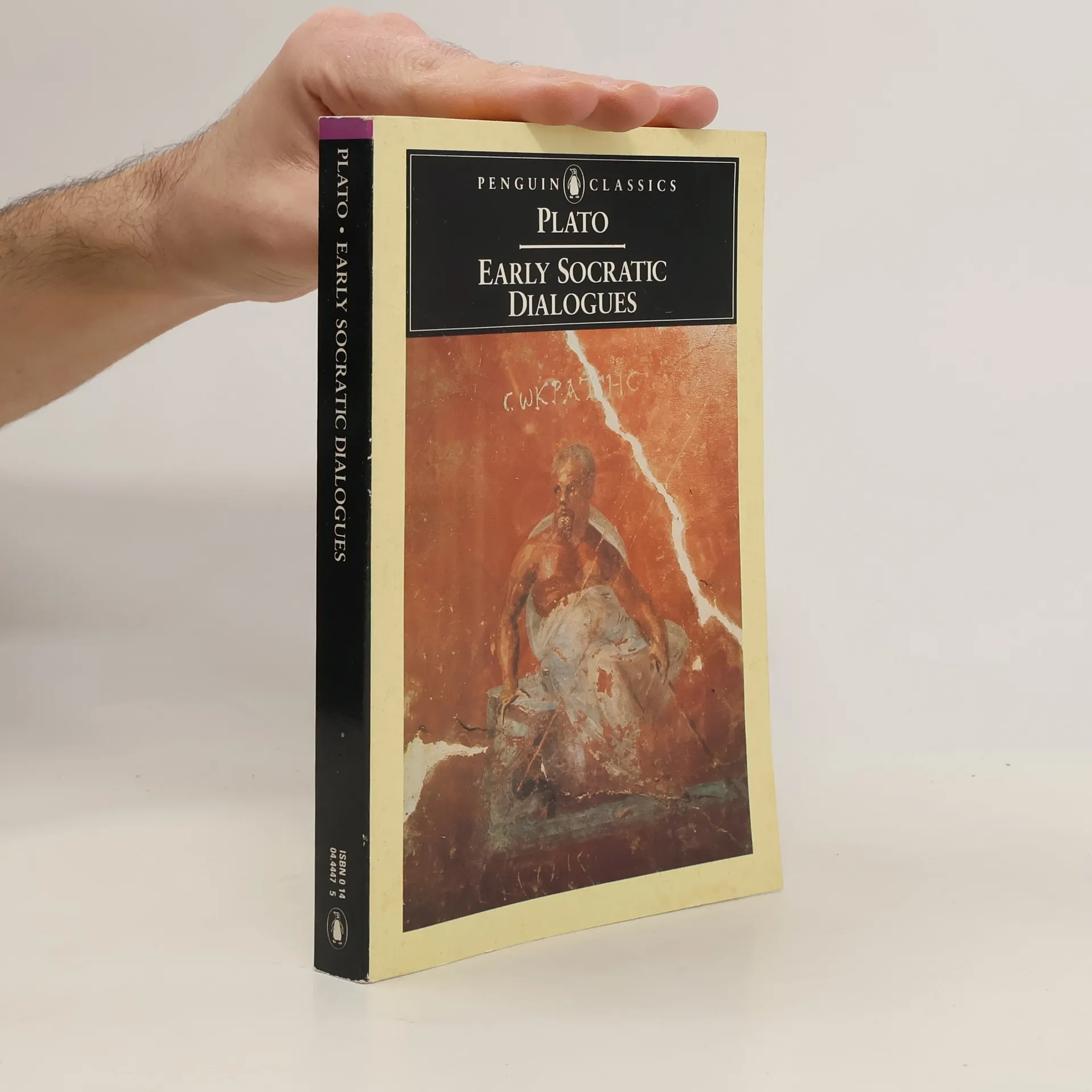
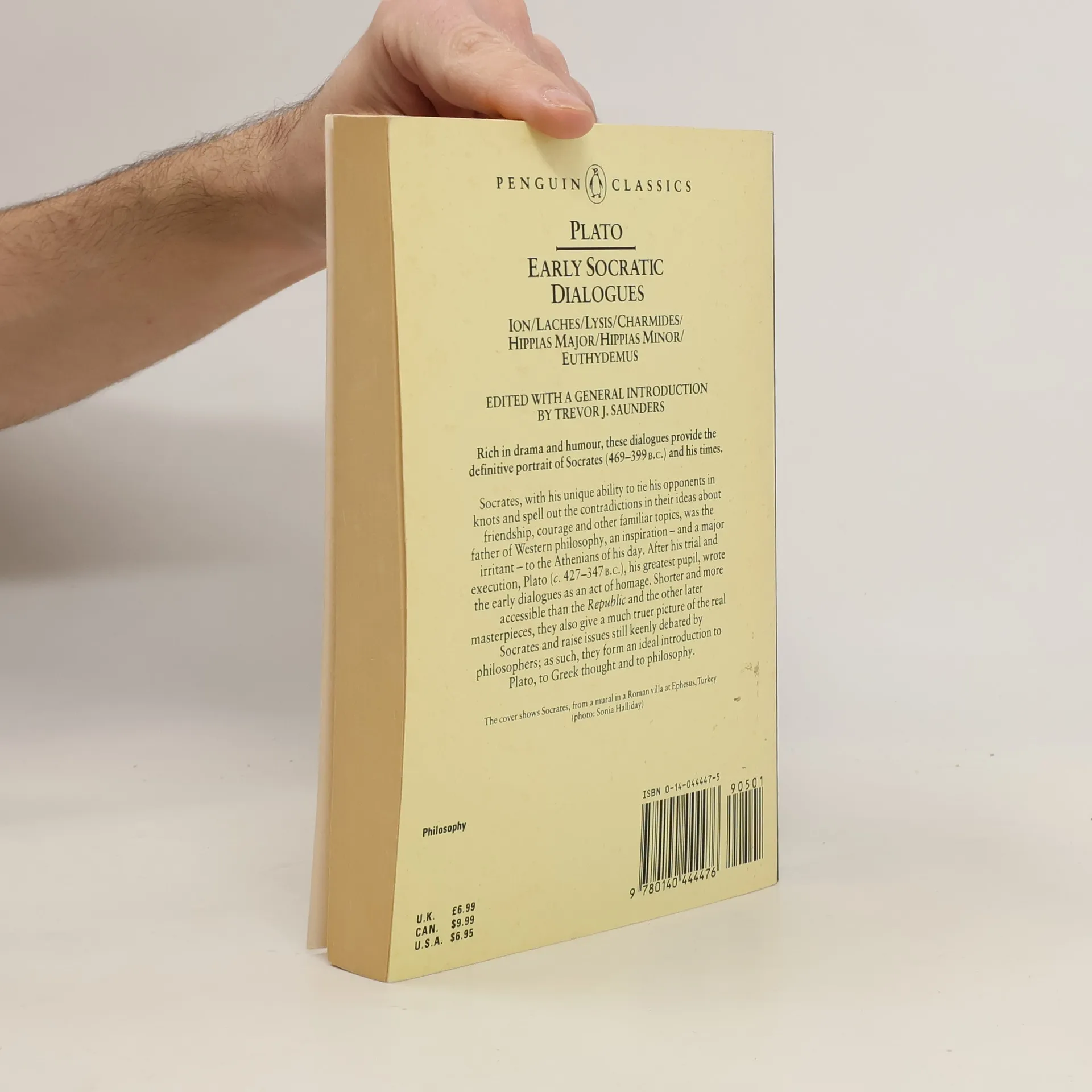
Ion/Laches/Lysis/Charmides/Hippias Major/Hippias Minor/EuthydemusRich in drama and humor, these dialogues provide the definitive portrait of Socrates (469-399 B.C.) and his times.Socrates, with his unique ability to tie his opponents in knots and spell out the contradictions in their ideas about friendship, courage, and other familiar topics, was the father of Western philosophy, ann inspiration - and a major irritant - to the Athenians of his day. After his trial and execution, Plato (c. 427-347 B.C.), his greatest pupil, wrote the early dialogues as an act of homage. Shorter and more accessible than the Republic and the other later masterpieces, they also give a much truer picture of the real Socrates and raise issues still keenly debated by philosophers; as such, they form an ideal introduction to Plato, to Greek thought and to philosophy.
Acquisto del libro
Early Socratic Dialogues, Platón
- Lingua

- Pubblicato
- 1987
- Rilegatura
- (In brossura)
Metodi di pagamento
Qui potrebbe esserci la tua recensione.
- Titolo
- Early Socratic Dialogues
- Lingua
- Inglese
- Autori
- Platón
- Editore
- Penguin
- Pubblicato
- 1987
- Formato
- In brossura
- ISBN10
- 0140444475
- ISBN13
- 9780140444476
- Serie
- Categoria
- Valutazione
- 4,05 su 5
- Descrizione
- Ion/Laches/Lysis/Charmides/Hippias Major/Hippias Minor/EuthydemusRich in drama and humor, these dialogues provide the definitive portrait of Socrates (469-399 B.C.) and his times.Socrates, with his unique ability to tie his opponents in knots and spell out the contradictions in their ideas about friendship, courage, and other familiar topics, was the father of Western philosophy, ann inspiration - and a major irritant - to the Athenians of his day. After his trial and execution, Plato (c. 427-347 B.C.), his greatest pupil, wrote the early dialogues as an act of homage. Shorter and more accessible than the Republic and the other later masterpieces, they also give a much truer picture of the real Socrates and raise issues still keenly debated by philosophers; as such, they form an ideal introduction to Plato, to Greek thought and to philosophy.