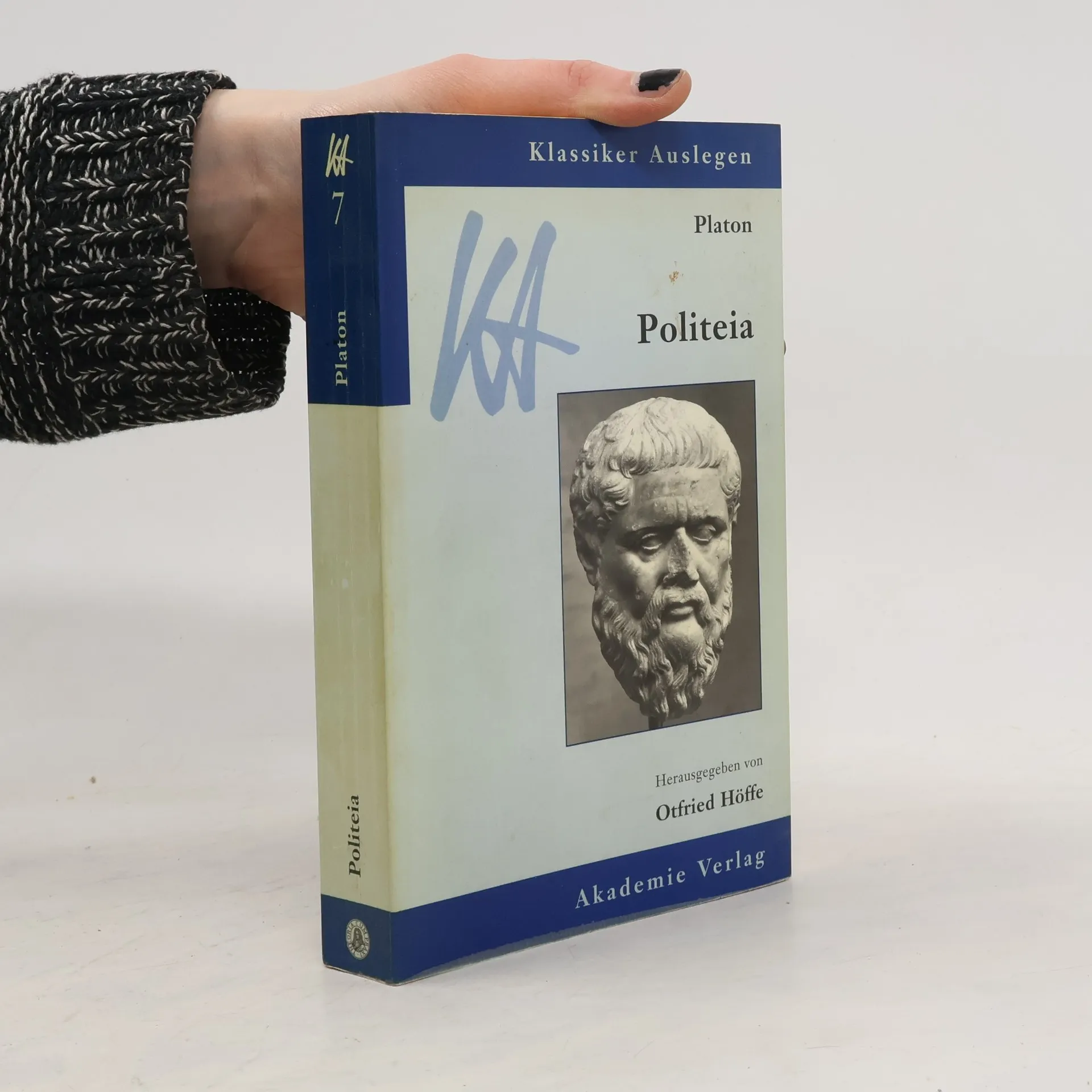
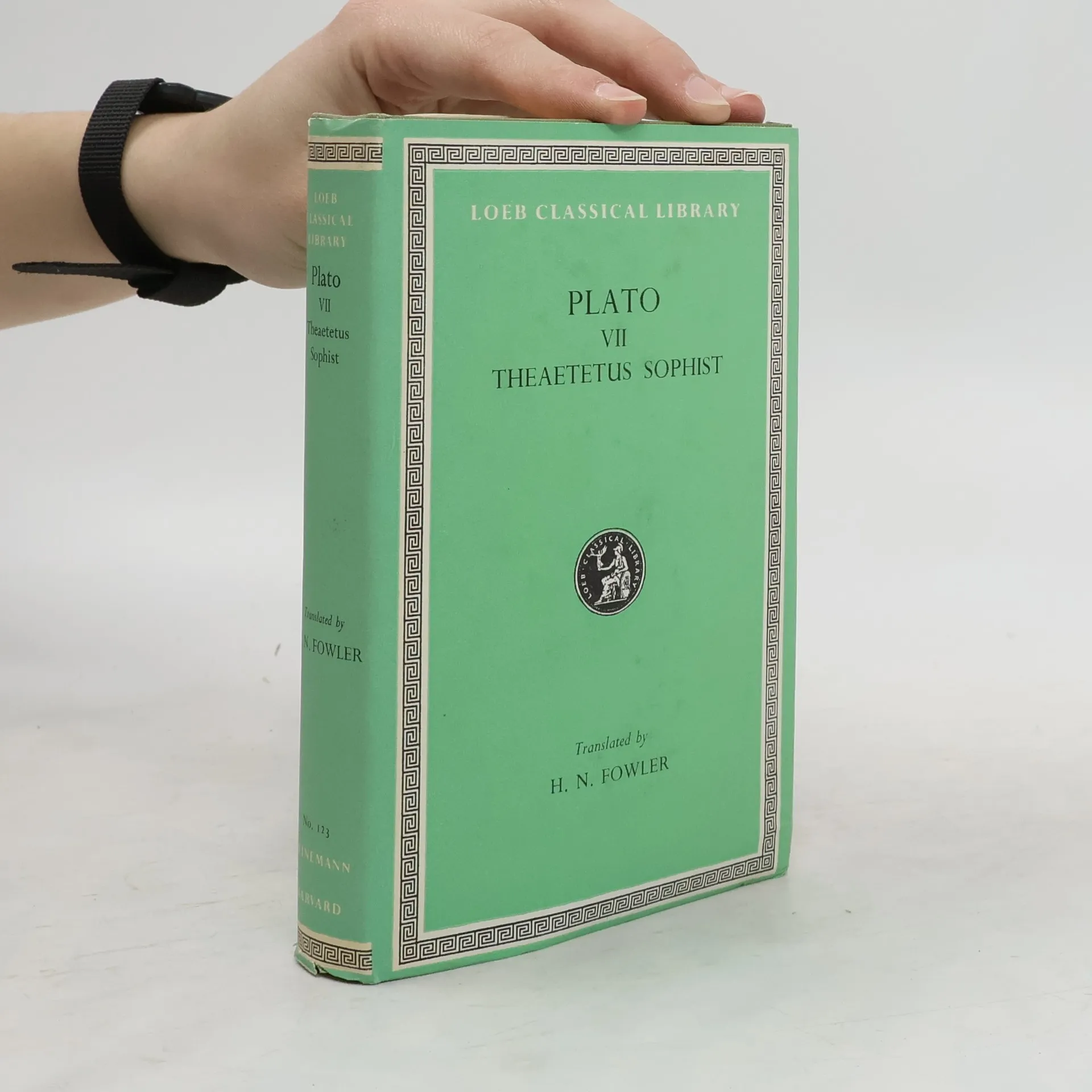
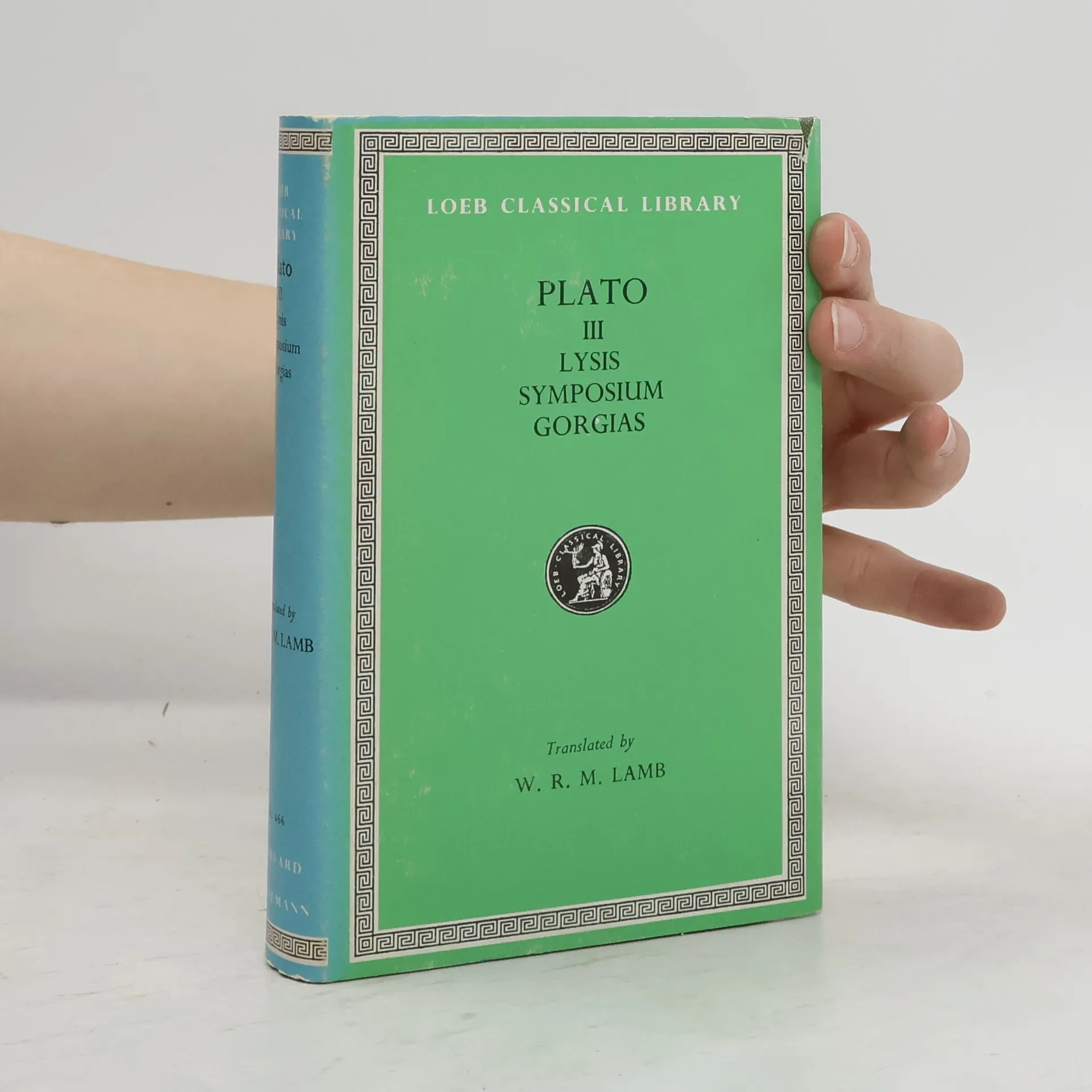
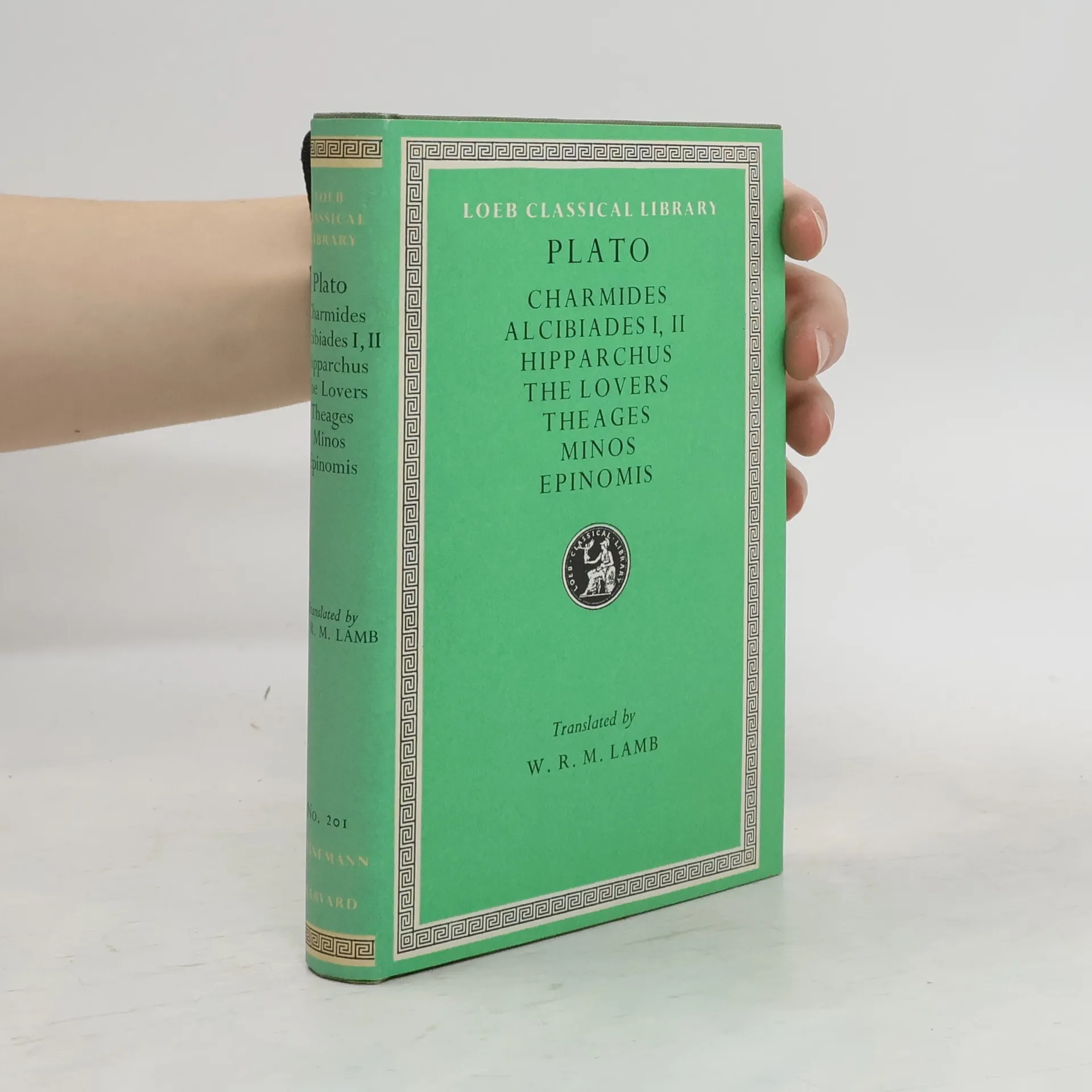
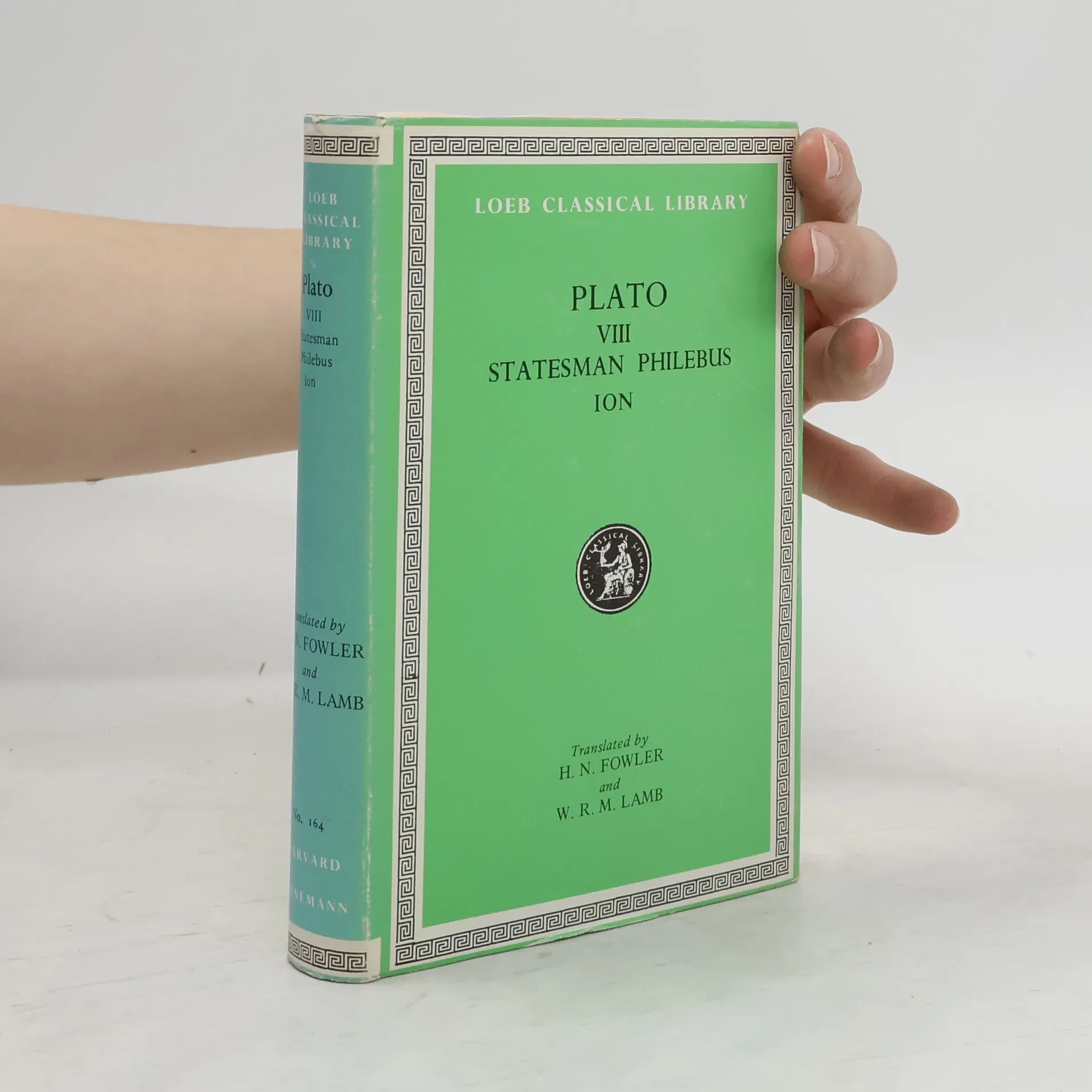
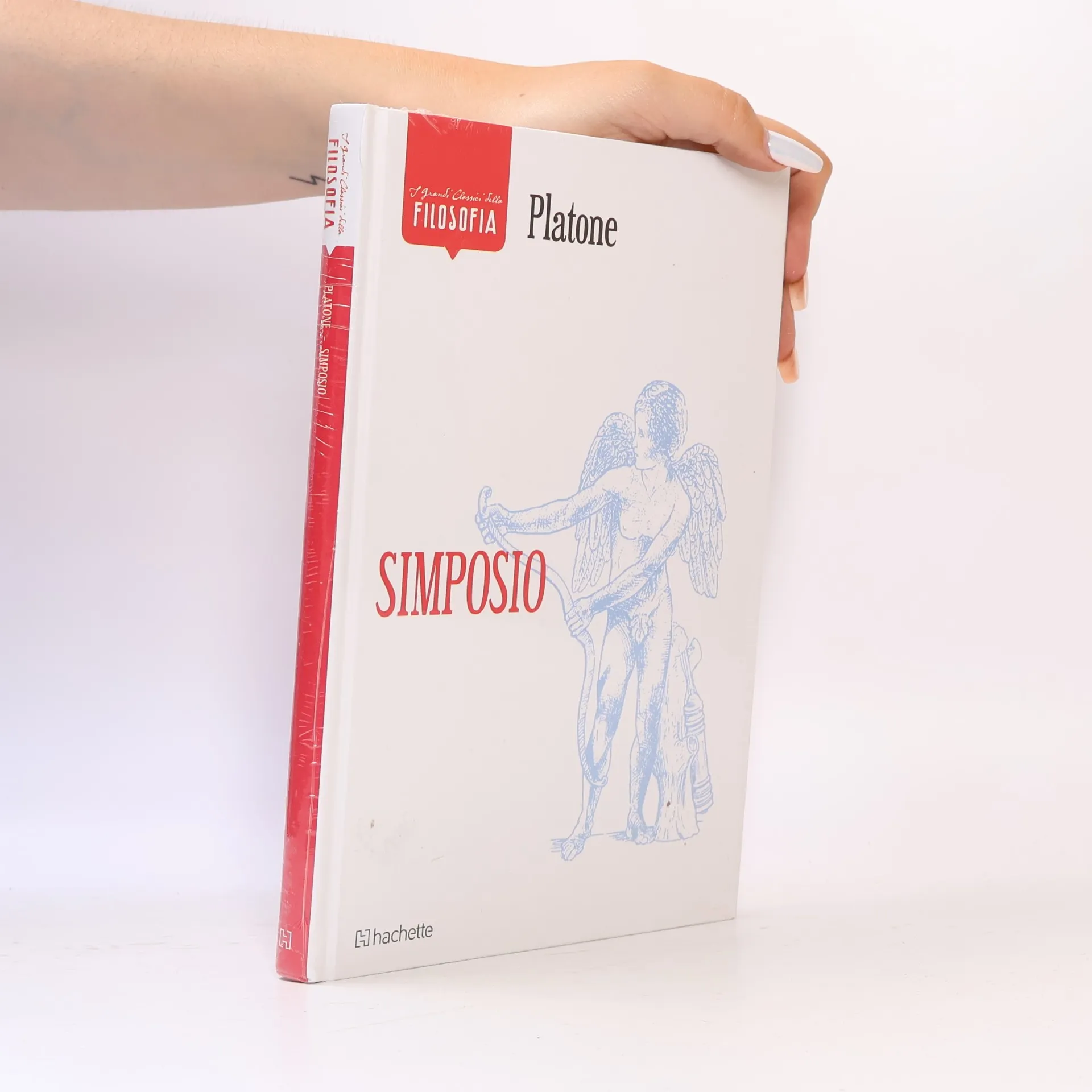
Tra la riflessione filosofica e la teoria psicologica, Platone (c. 427 – 347 a.C.) ci offre con il Simposio una brillante ed elaborata esposizione della sua teoria degli affetti. Il dialogo, appartenente al periodo di maturità, in cui il filosofo ateniese si interessa all'essenza ontologica di diverse idee, presenta una struttura semplice. Attraverso sei discorsi che trovano il loro asse in questo sentimento, l'autore analizza le molteplici sfaccettature: la natura divina di Eros, le sue diverse forme e manifestazioni, i suoi disegni e desideri, o la sua incidenza nella vita umana. In queste pagine si snoda, in sintesi, la consistente dottrina dell'amore platonico che costituisce in sé la sua esaltazione. La vasta produzione di Platone raggiunge con il Simposio una delle sue vette e, con essa, lo fa anche il complesso del pensiero occidentale.
Platón Libri
Non sono disponibili informazioni su questo autore.
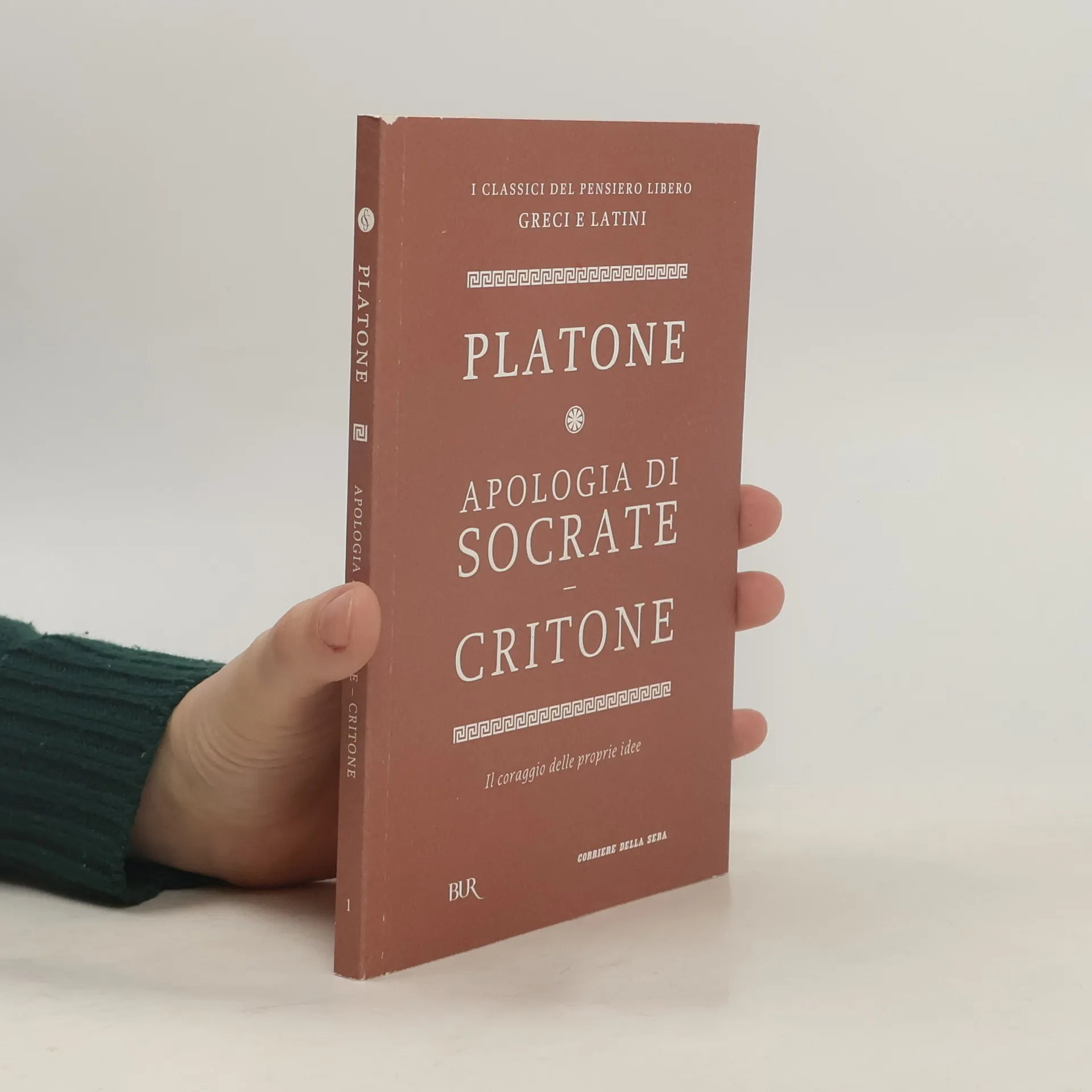
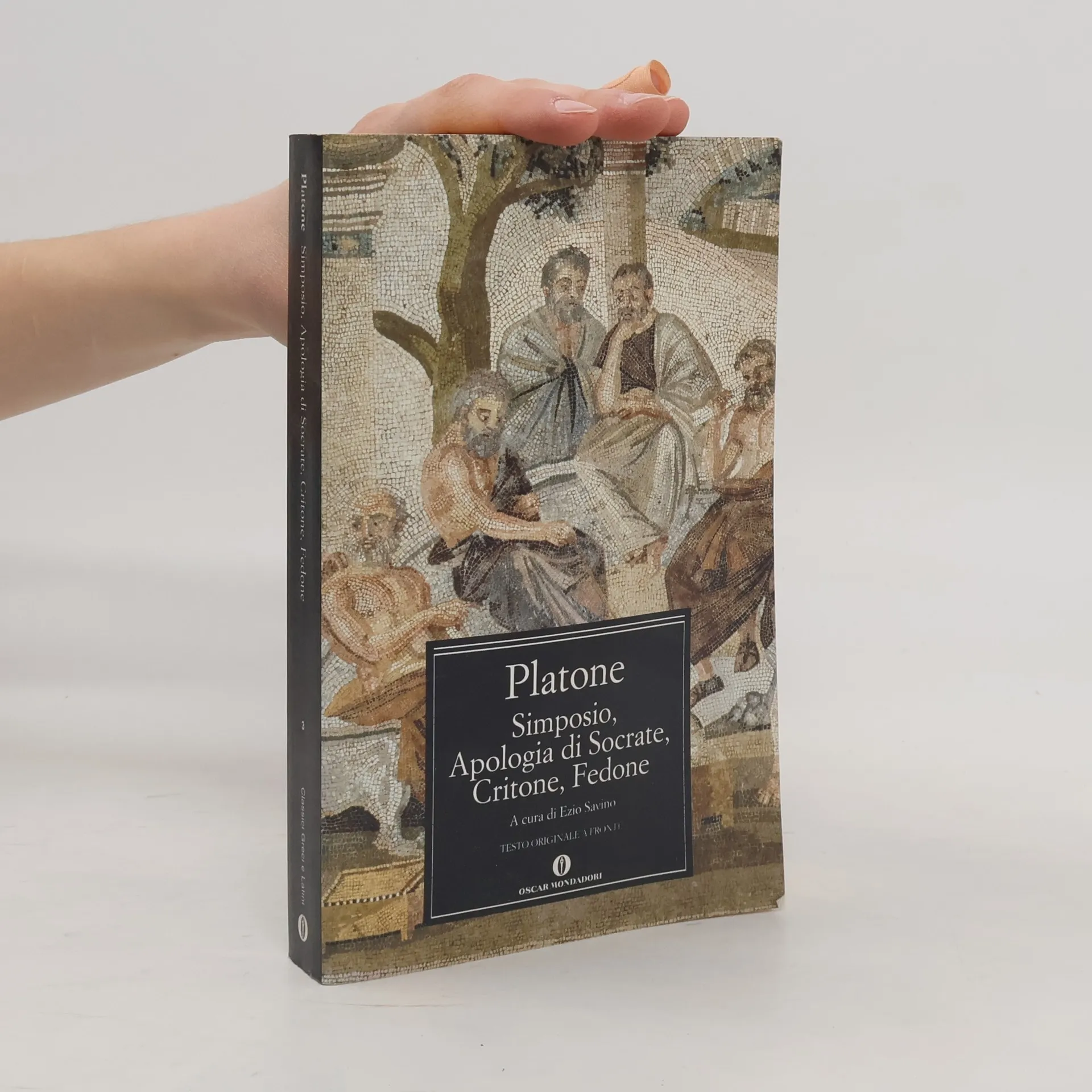
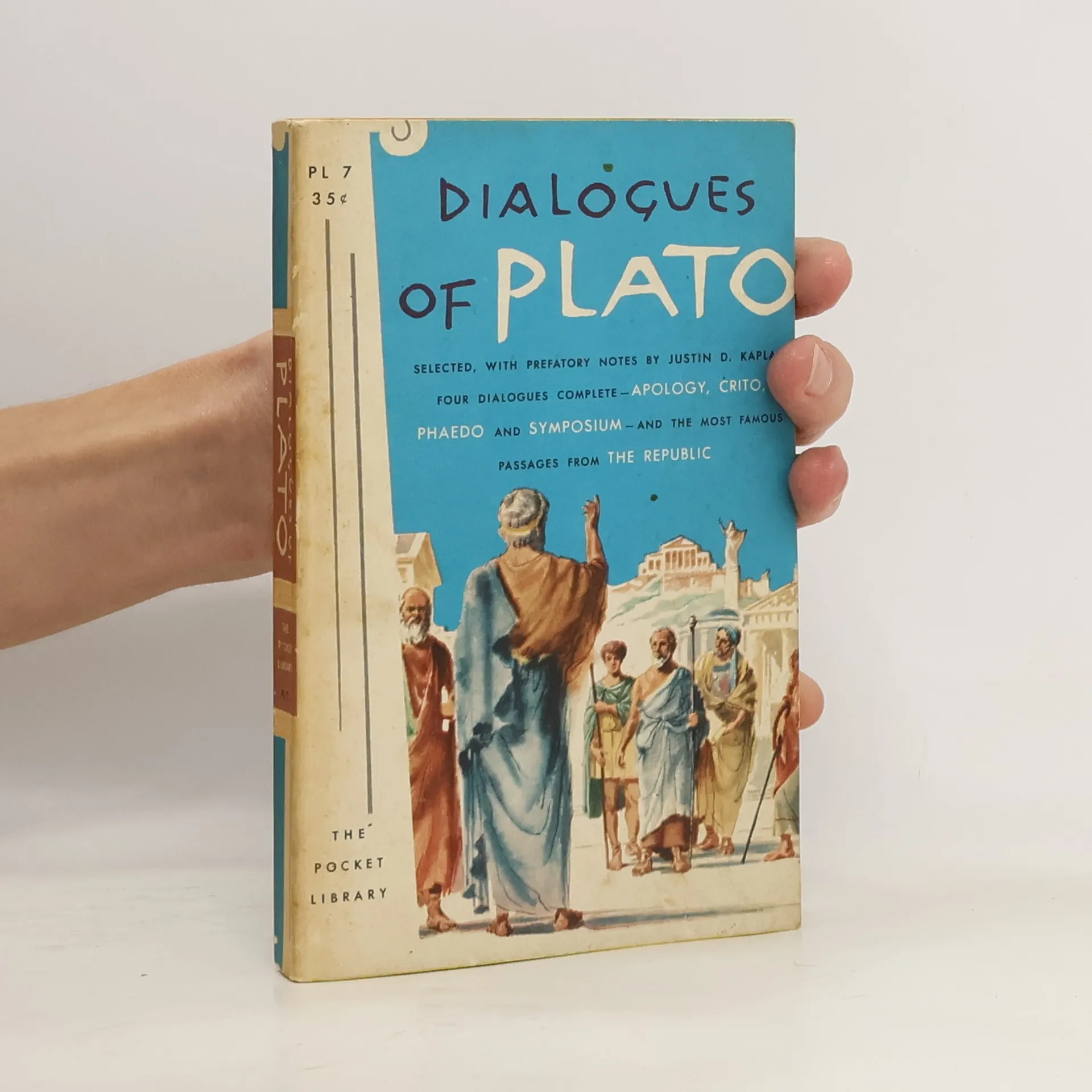
Platone è uno dei filosofi più influenti di tutti i tempi. Insieme al suo maestro Socrate e al suo allievo Aristotele, ha posto le basi per la filosofia, la scienza e l'etica occidentali, oltre a fondare la prima accademia per l'istruzione superiore nel mondo occidentale. Socrate è una delle grandi figure della storia occidentale e il padre fondatore della sua tradizione filosofica. Nei Dialoghi di Platone emerge un ritratto affascinante di un uomo che disprezzava la ricchezza materiale e credeva soprattutto nell'apprendimento e nell'indagine. L'Apologia, il Crito e il Fedone raccontano il processo di Socrate con l'accusa di corrompere i giovani di Atene, la sua sfida al tribunale e i suoi ultimi giorni in prigione trascorsi in discussione con gli amici. Questi testi offrono un'eccellente introduzione a una figura coraggiosa e avvincente che ha pagato con la vita il diritto al libero pensiero.
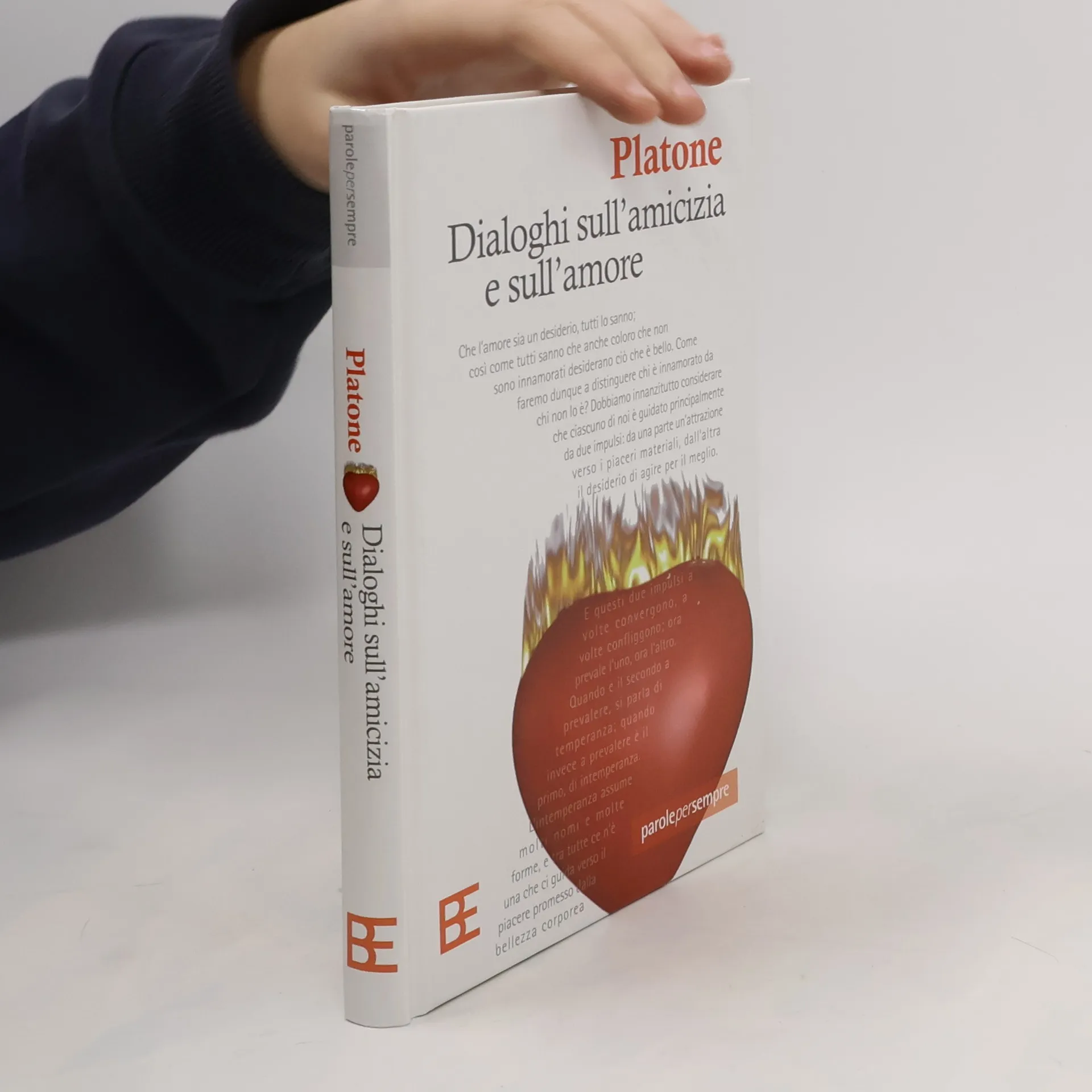
Parole per sempre: Dialoghi sull'amore e l'amicizia
- 121pagine
- 5 ore di lettura
=Talks About Friendship & Love <> Platone, il piu' grande filosofo dell'antichita' (427-347 a.C.), nasce ad Atene ed incontra Socrate a vent'anni. Nel 387 fonda l'Accademia, centro di studi filosofici. Della sua dottrina, resta un "corpus" di trentasei titoli formato da trentacinque dialoghi e tredici lettere.
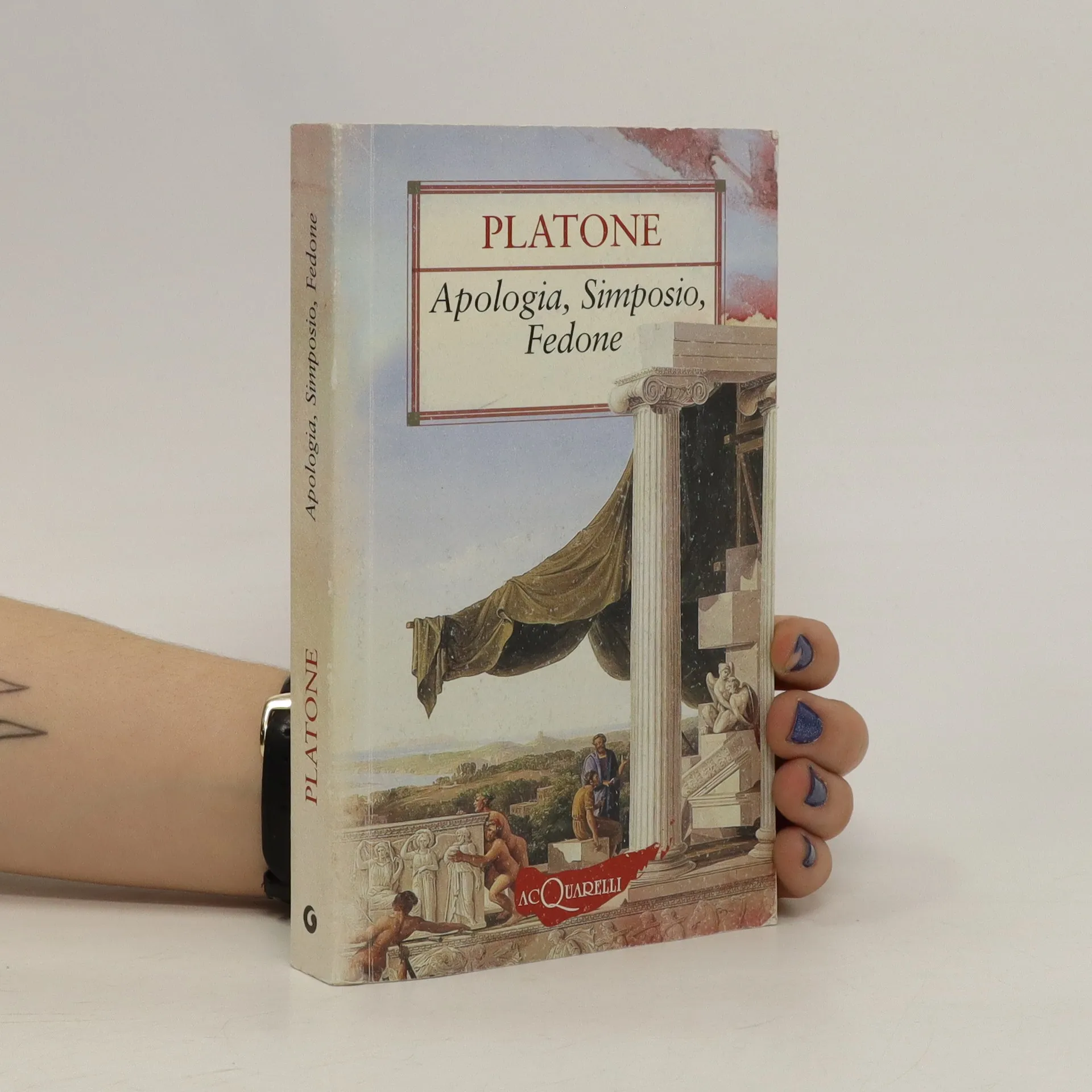
Il contenuto del libro comprende: Simposio; Apologia di Socrate; Critone; Fedone.
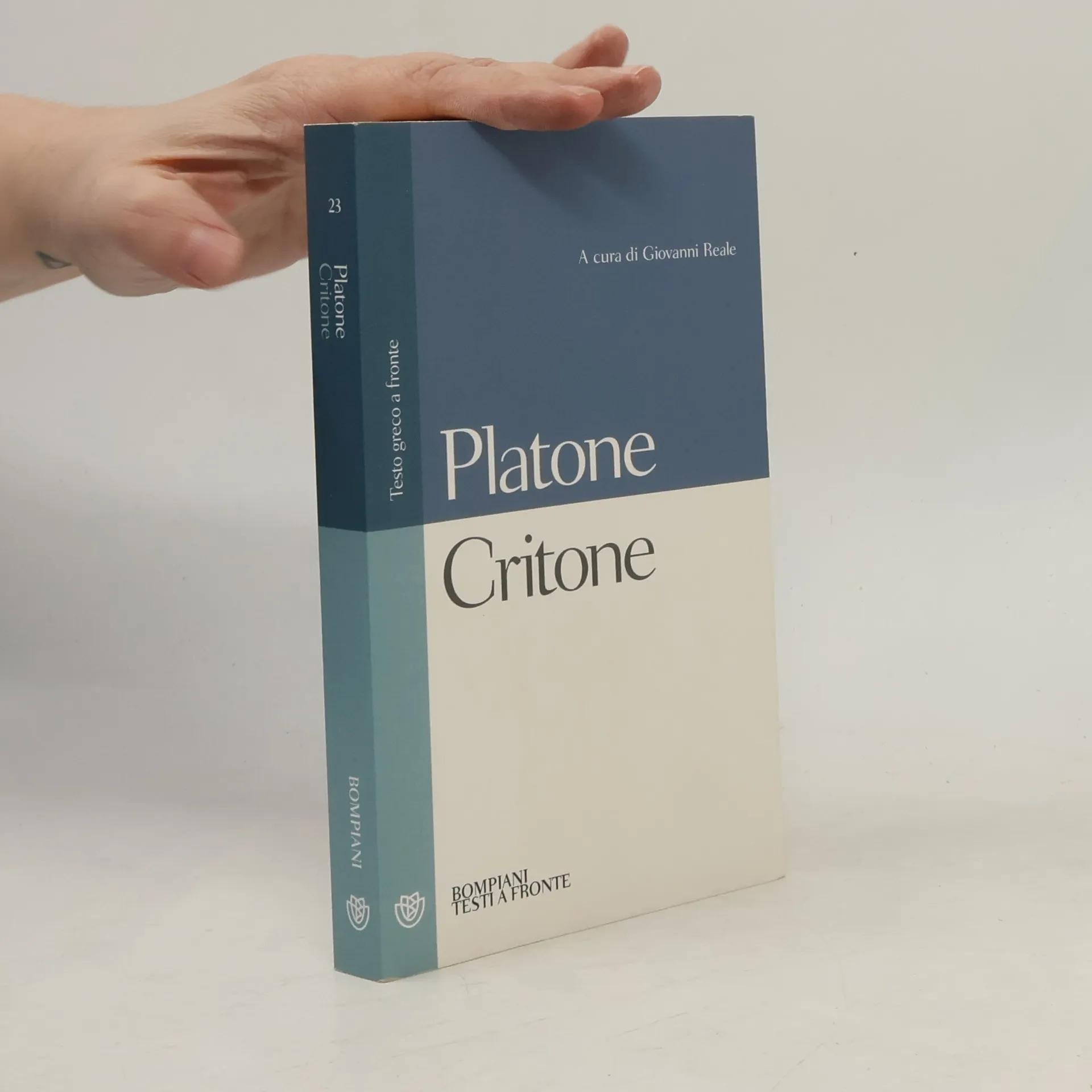
Il dialogo presenta una trama nota: Critone, discepolo e amico d'infanzia di Socrate, visita il filosofo in carcere nel 399 a.C. e lo esorta a fuggire per evitare la condanna a morte. Socrate, tuttavia, rifiuta, sostenendo che non si deve reagire all'ingiustizia con l'ingiustizia. Per Platone, la legge non è solo una convenzione tra cittadini, ma un contraente fondamentale nel rapporto giuridico, rappresentato attraverso la personificazione delle Leggi nella Prosopopea. Il messaggio centrale è rivoluzionario: la violenza non trionfa mai, e il vero vincere consiste nel persuadere attraverso il ragionamento. Anche se non sempre si riesce, è fondamentale continuare a testimoniare la verità, anche a costo della vita. Il volume, curato da Giovanni Reale, esperto di Platone, si propone come punto di riferimento per specialisti, affrontando questioni di datazione e interpretazione del dialogo. L'introduzione esamina le problematiche del testo, mentre la traduzione è presentata in modo drammaturgico, in particolare nella Prosopopea. Le note, le parole chiave e la bibliografia arricchiscono l'opera, che include il testo greco a fronte della traduzione, riproducendo l'edizione critica di riferimento.
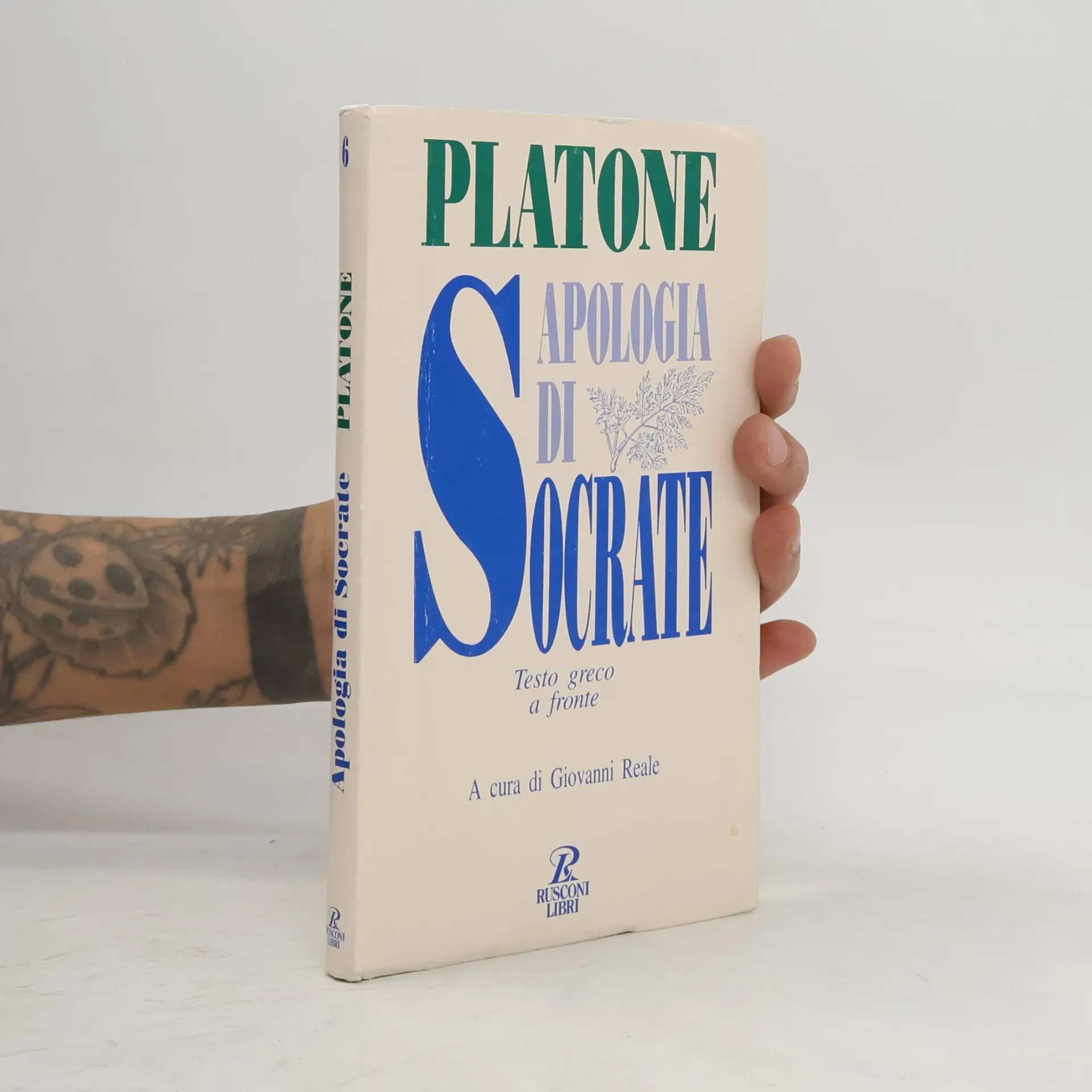
Nel 399 a.C., ad Atene, Socrate comparve davanti al Tribunale della città. Accusato di non riconoscere l'esistenza degli dèi tradizionali, di creare nuove divinità e di corrompere la gioventù, fu condannato a morte. L'Apologia di Socrate di Platone trasforma questo processo in un mito fondatore della filosofia. Davanti ai suoi giudici, Socrate difende la pratica filosofica, sostenendo che è l'unica cosa che rende la vita degna di essere vissuta. Successivamente, nella prigione dove attende l'esecuzione della condanna, si confronta con il suo amico Critone, che gli propone di fuggire. Socrate ribatte che è meglio affrontare la morte piuttosto che violare le leggi della città e commettere ingiustizia. Secondo Platone, la morte di Socrate è necessaria affinché la filosofia possa vivere.
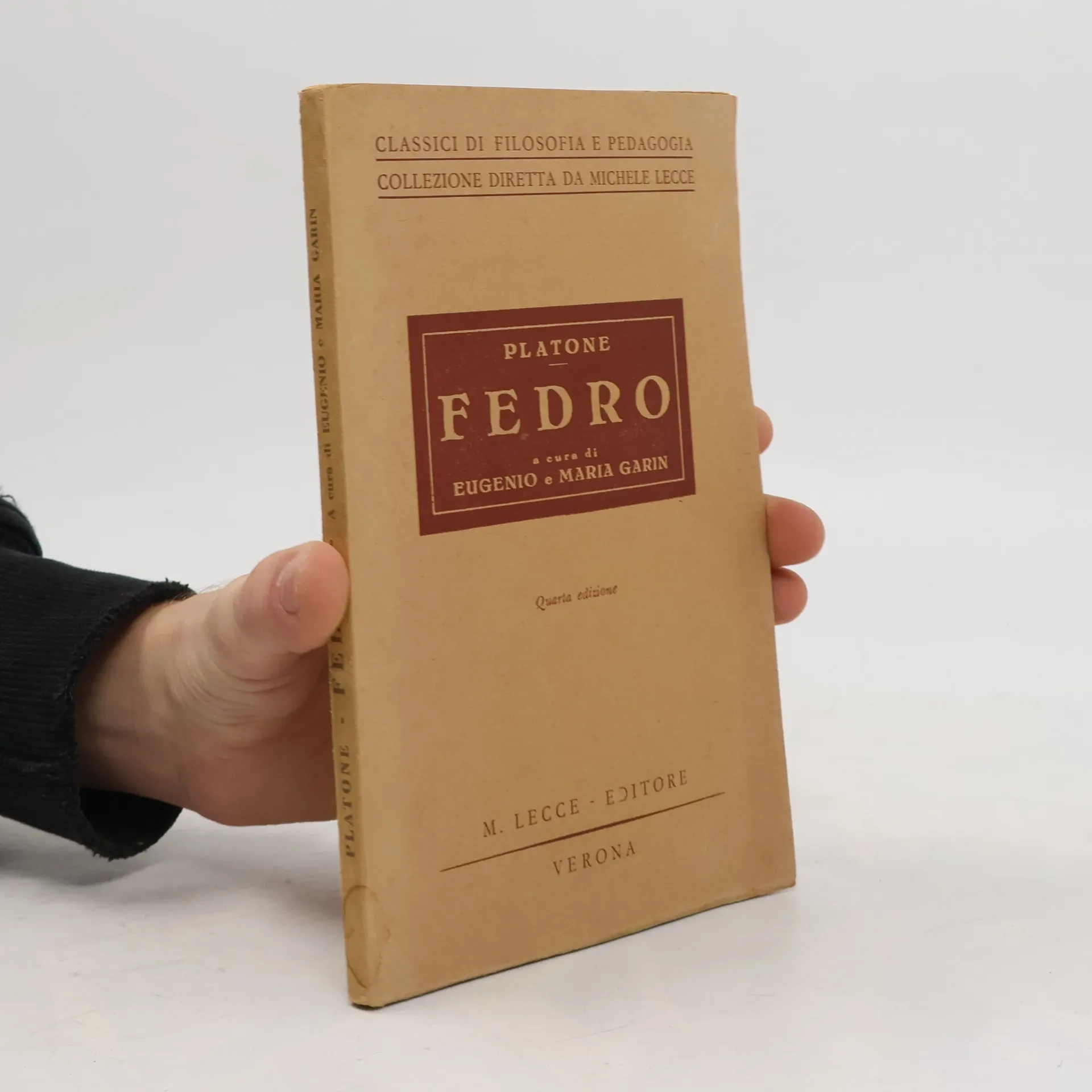
Il "Fedro" è da sempre uno dei dialoghi di Platone più letti e amati ma anche, per la molteplicità e l'eterogeneità dei temi affrontati, uno dei più controversi e discussi. Passeggiando con Fedro lungo le rive dell'Ilisso, Socrate discorre dell'amore tra un uomo adulto e un giovane dello stesso sesso, della vita ultraterrena dell'anima e delle sue successive reincarnazioni, dell'iperuranio e del mondo delle idee, del rapporto tra scrittura e oralità e tra retorica e filosofia. Ma soprattutto riafferma la centralità dell'indagine sulla natura dell'uomo e la fecondità della cultura tradizionale contro la vuotaggine della "nuova" cultura sofistica, antesignana delle tante pseudorivoluzioni culturali che seguirono nei secoli. Nell'introduzione Roberto Velardi interpreta temi e argomenti del dialogo, partendo dal confronto tra le posizioni platoniche e lo sfondo storico-culturale nel quale maturarono.
Il Simposio. Testo greco a fronte
- 132pagine
- 5 ore di lettura
La scena del logos
- 224pagine
- 8 ore di lettura
La Repubblica
- 345pagine
- 13 ore di lettura
Perle di saggezza: Il simposio
- 128pagine
- 5 ore di lettura
Il simposio era un’esperienza che nella vita delle società aristocratiche rappresentava e riproduceva il modello dell’etica sociale dei greci: nessuno ascetico distacco dai piaceri, ma neppure una frustrante privazione. Anche nel bere, l’ideale greco era la misura.
Fedro
a cura di EUGENIO e MARIA GARIN
Apologia di Socrate
Testo greco a fronte
Universale Economica Feltrinelli - I Classici - 2125: Simposio o sull'amore. Testo greco a fronte
- 199pagine
- 7 ore di lettura
Il "Simposio" è la grande "lezione d'amore" del pensiero occidentale. Nella polifonia di voci riunite nella gaia e giocosa atmosfera di un banchetto, Platone ci presenta, l'una dopo l'altra, le dottrine dell'eros esposte nell'orizzonte del mito, nella filosofia presocratica, nella scienza medica, nel sentire comune e in quello dei poeti. A questa vera e propria "summa enciclopedica" del sapere erotico dell'antichità, la possente parola di Socrate contrappone una nuova visione dell'amore, che libera la forza demoniaca dell'eros al di là del vincolo dei corpi e degli individui, in una autentica ascesa conoscitiva verso l'idea del bene e del bello. Introduzione di Umberto Galimberti. Testo originale a fronte.
Riflessi: Il simposio
Solo quelli che amano son pronti a morire in cambio d'un altro
- 136pagine
- 5 ore di lettura
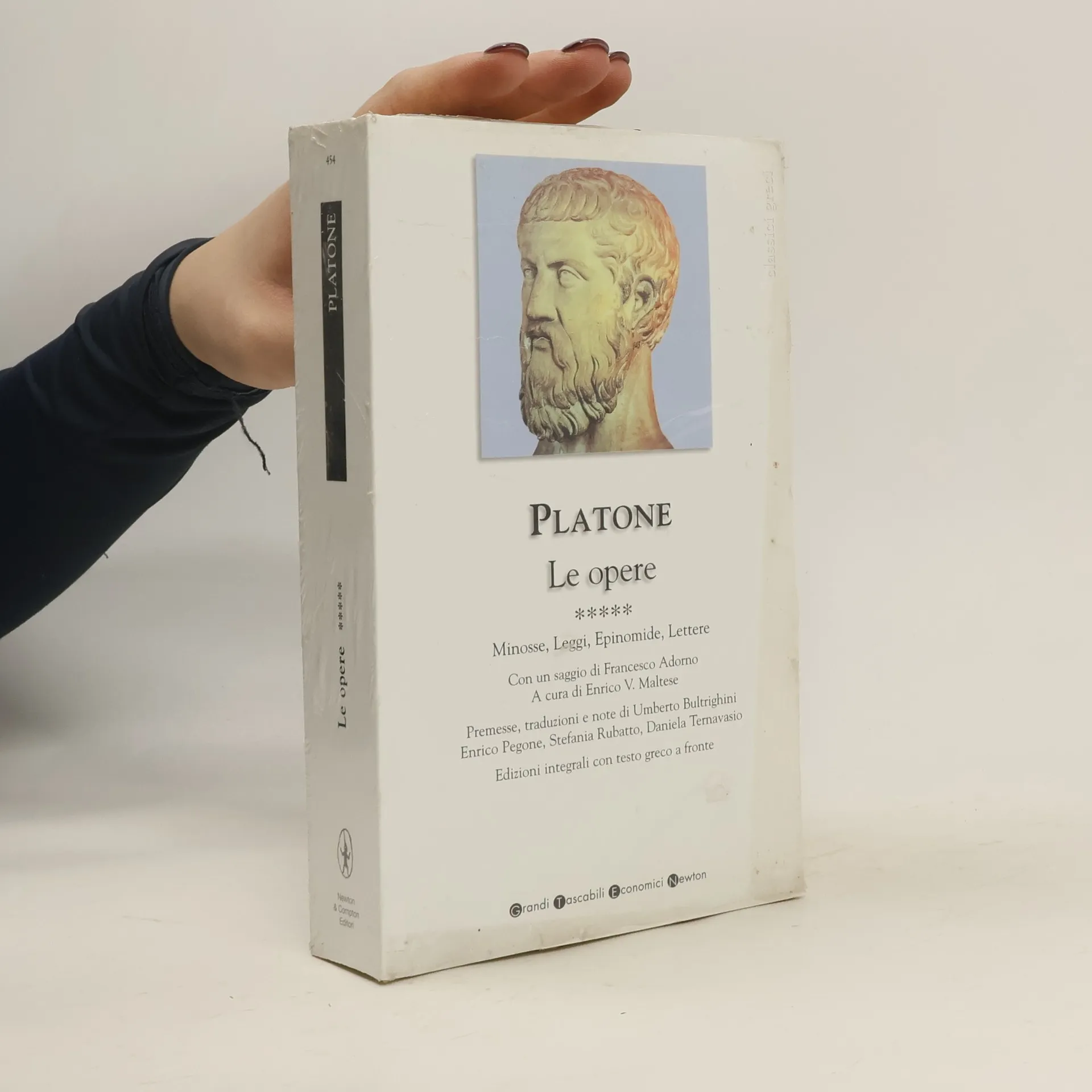
Platone è l'unico pensatore antico di cui siano rimaste tutte le opere integrali. Nacque ad Atene nel 427 a.C.; fu iniziato alla filosofia dall'eracliteo Cratilo, ma l'incontro con Socrate (408) rimane l'episodio più significativo per la sua maturazione intellettuale. Dopo la morte del maestro fu a Megera e poi in Italia meridionale. Tornò quindi ad Atene, fondando nel 387 l'Accademia, prima scuola filosofica dell'antichità; morì nel 347 a.C.
Il processo di Socrate. L'apologia rievocata da un discepolo d'eccezione
- 64pagine
- 3 ore di lettura
Republic, Volume I
- 490pagine
- 18 ore di lettura
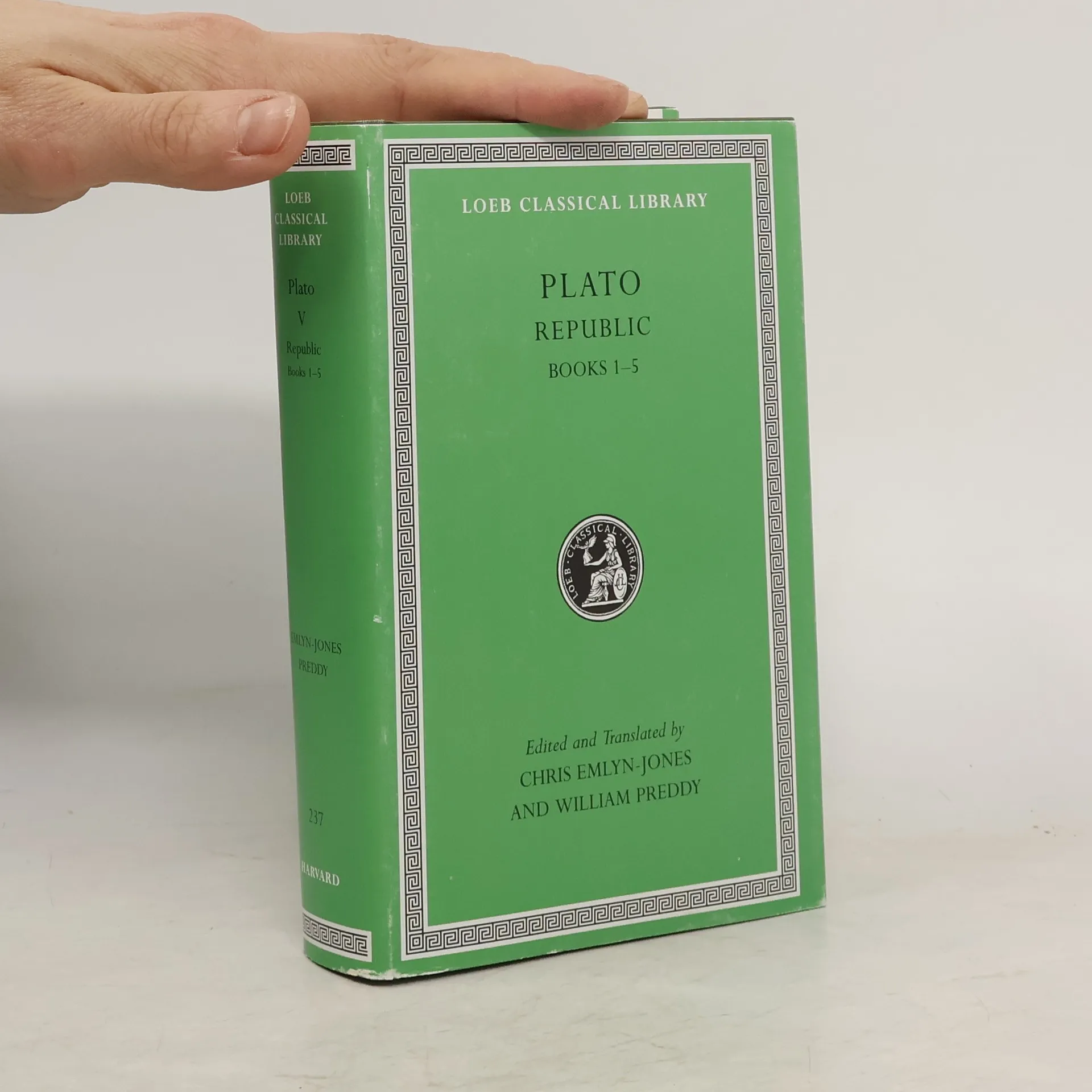
Plato's Republic concerns righteousness both in individuals and in communities, and proposes an ideal state organized and governed on philosophical principles. This edition, which replaces Shorey's, offers text, translation, and annotation that are fully current with modern scholarship. The Loeb Classical Library edition of Plato is in 12 volumes.
Gorgias, Phaedo, and The Symposium hold a central place in the series of Plato's Dialogues. Composed during his mature period, these texts exhibit profound philosophical depth and an engaging formal composition. Gorgias explores rhetoric and politics, contrasting Socrates with the sophists Gorgias and Polus, and the young Callicles, a prototype of the immoral politician. Phaedo examines the arguments regarding the immortality of the soul in Socrates' final conversation with his disciples before his death. The Symposium presents various perspectives on eros from the dinner guests, all surpassed in transcendence and beauty by Socrates' exalted discourse. In these three dialogues, Plato recreates his teacher's conversations on themes of enduring relevance. Authentic life, the afterlife, and the ambiguity of love are treated with an unparalleled balance between the poetic and the ideological, articulated in such clear language that, even after centuries, their perennial interest remains irresistible.
Plato of Athens, who laid the foundations of the Western philosophical tradition and ranks among its greatest practitioners, was born to a prosperous and politically active family around 427 BCE. An admirer of Socrates in his early life, Plato later founded the first institution of higher learning in the West, the Academy, whose notable alumni included Aristotle. Traditionally ascribed to Plato are thirty-six dialogues that develop Socrates' dialectic method and are composed with great stylistic virtuosity, along with thirteen letters. "Republic," a masterpiece of philosophical and political thought, concerns righteousness in individuals and communities and proposes an ideal state organized and governed on philosophical principles.
Plato
Five Dialogues: Euthyphro, Apology, Crito, Meno, Phaedo (Royal Collector's Edition) (Case Laminate Hardcover with Jacket)
- 232pagine
- 9 ore di lettura
The dialogues feature Socratic conversations that explore profound philosophical themes such as morality, justice, and the nature of knowledge. Through the lens of Socrates, Plato addresses critical questions about ethics and the soul, showcasing the influence of Socratic thought on his own philosophical development. Each dialogue serves as a platform for Socratic questioning, revealing insights into human behavior and the pursuit of truth.
Five Dialogues
Euthyphro, Apology, Crito, Meno, Phaedo (Deluxe Library Edition)
- 232pagine
- 9 ore di lettura
Set in the weeks leading up to Socrates' trial, this dialogue features a conversation between Socrates and Euthyphro that delves into profound philosophical themes. The discussion explores the nature of piety and justice, challenging the characters to examine their beliefs and the implications of their definitions. Through their exchange, readers are invited to reflect on the complexities of moral concepts and the essence of virtue.
Socrates' defence
- 64pagine
- 3 ore di lettura
'I'll stop doing it as soon as I understand what I'm doing.' Somewhere between a historical account and work of philosophy, Socrates' Defence details the final plea of Plato's beloved mentor. Introducing Little Black Classics: 80 books for Penguin's 80th birthday. Little Black Classics celebrate the huge range and diversity of Penguin Classics, with books from around the world and across many centuries. They take us from a balloon ride over Victorian London to a garden of blossom in Japan, from Tierra del Fuego to 16th-century California and the Russian steppe. Here are stories lyrical and savage; poems epic and intimate; essays satirical and inspirational; and ideas that have shaped the lives of millions. Plato (474 BC-347 BC). Plato's works available in Penguin Classics are Republic, The Last Days of Socrates, The Laws, Phaedrus, Protagoras and Meno, Timaeus and Critias, Theaetetus, Early Socratic Dialogues, The Symposium and Gorgias.
Works in this volume explore the relationship between two people known as love (eros) or friendship (philia). In Lysis, Socrates meets two young men at a wrestling school; in Symposium, he joins a company of accomplished men at a drinking party; and in Phaedrus, experimental speeches about love lead to a discussion of rhetoric.
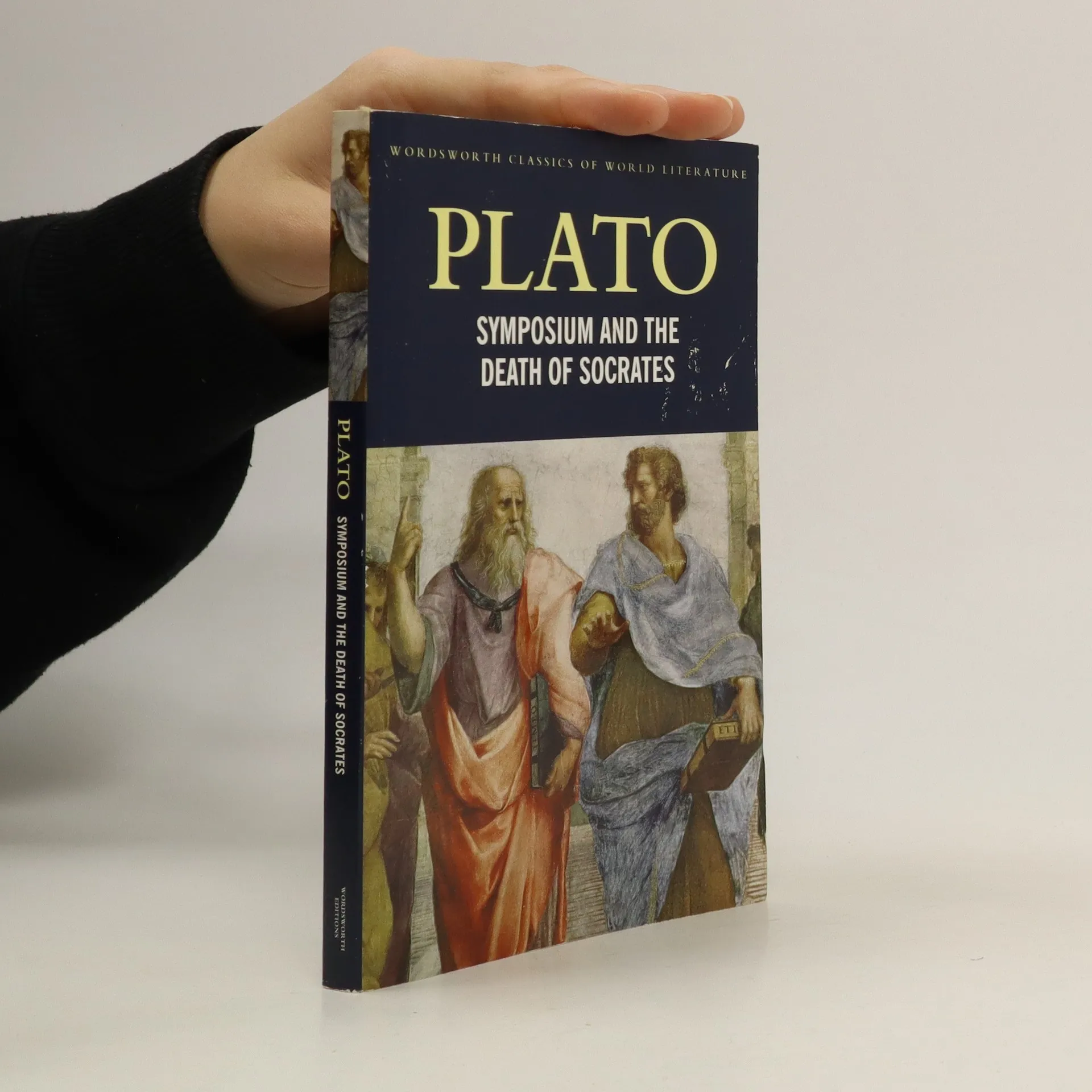
"Symposium" gives an account of the sparkling society that was Athens at the height of her empire. The other dialogues collected here under the title "The Death of Socrates" tell the tale of how Socrates was put on trial for impiety, found guilty and sentenced to death.
German, English
The Republic of Plato explores themes of justice, the ideal state, and the philosopher-king. It presents a dialogue led by Socrates, examining the nature of justice and the just individual, as well as the structure of an ideal society. The work delves into the roles of education, the importance of the guardians, and the allegory of the cave, illustrating the philosopher's journey from ignorance to enlightenment.
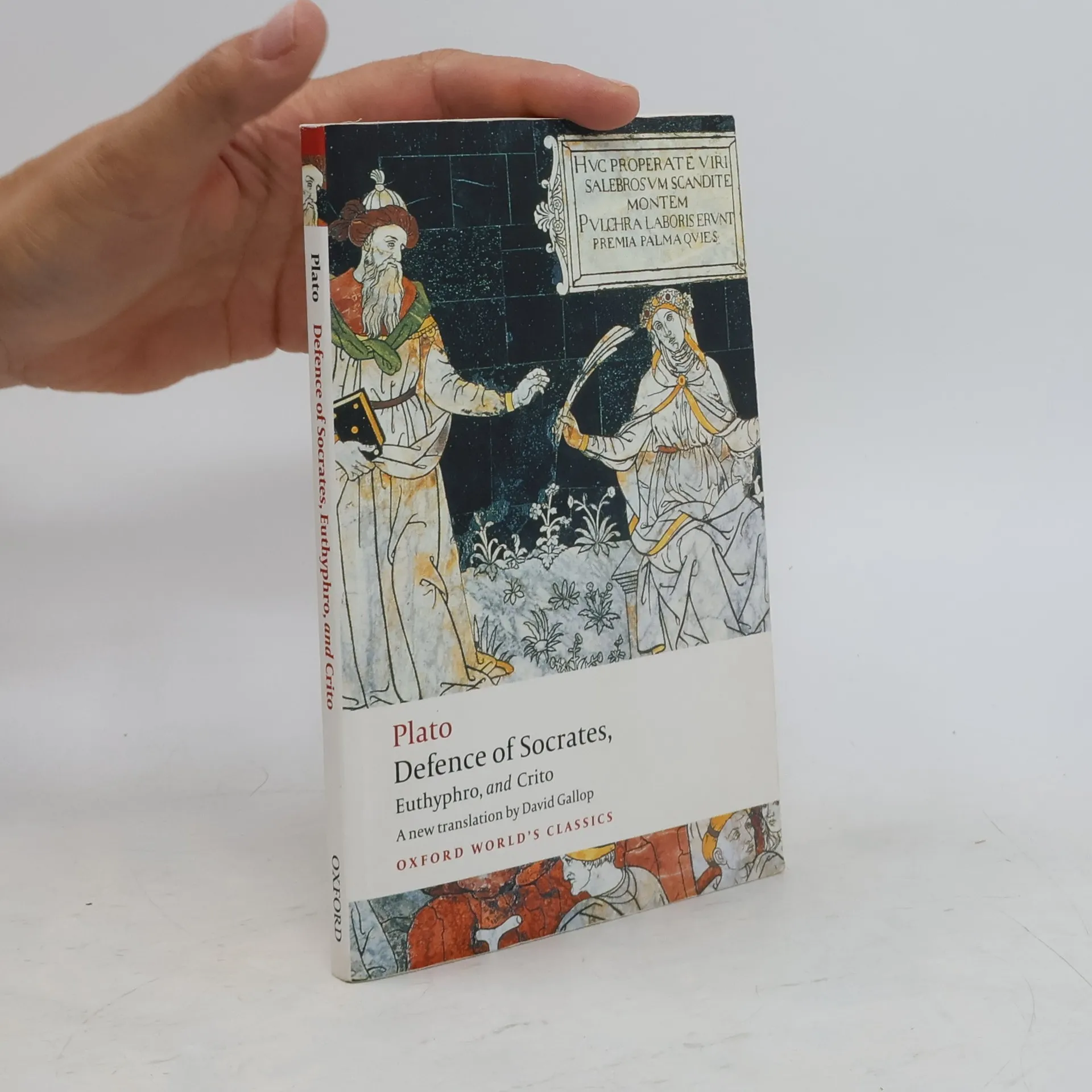
Defence of Socrates, Euthyphro, Crito
- 119pagine
- 5 ore di lettura
These new translations present Plato's remarkable dramatizations of the momentous events surrounding the trial of Socrates on charges of irreligion and corrupting the young.
Meno and Other Dialogues
- 190pagine
- 7 ore di lettura
In these four dialogues Plato considers virtue and its definition. Charmides, Laches, and Lysis investigate the specific virtues of self-control, courage, and friendship; the laterMeno discusses the concept of virtue as a whole, and whether it is something that can be taught.
Sophist
- 122pagine
- 5 ore di lettura
Engaging in a compelling dialectic, Socrates meets the mysterious Stranger from Elea to explore the complex relationship between being and appearance. This philosophical dialogue delves into profound questions surrounding truth, reality, and deception, making it a significant contribution to the study of ontology. Through their conversation, readers are invited to reflect on the nature of existence and the nuances of perception, highlighting timeless philosophical inquiries that resonate through the ages.
"This is a superb new translation that is remarkably accurate to Plato's very difficult Greek, yet clear and highly readable. The notes are more helpful than those in any other available translation of the Laws since they contain both the information needed by the beginning student as well as analytical notes that include references to the secondary literature for the more advanced reader. For either the beginner or the scholar, this should be the preferred translation." --Christopher Bobonich, Clarence Irving Lewis Professor of Philosophy, Stanford University
Symposium attempts to find the ultimate manifestation of the love that controls the world, leading to mystic union with eternal & supercosmic beauty. Phaedrus discusses the psychology of love, resulting in the concept of the familiar Platonic "forms" as objects of transcendental emotion.
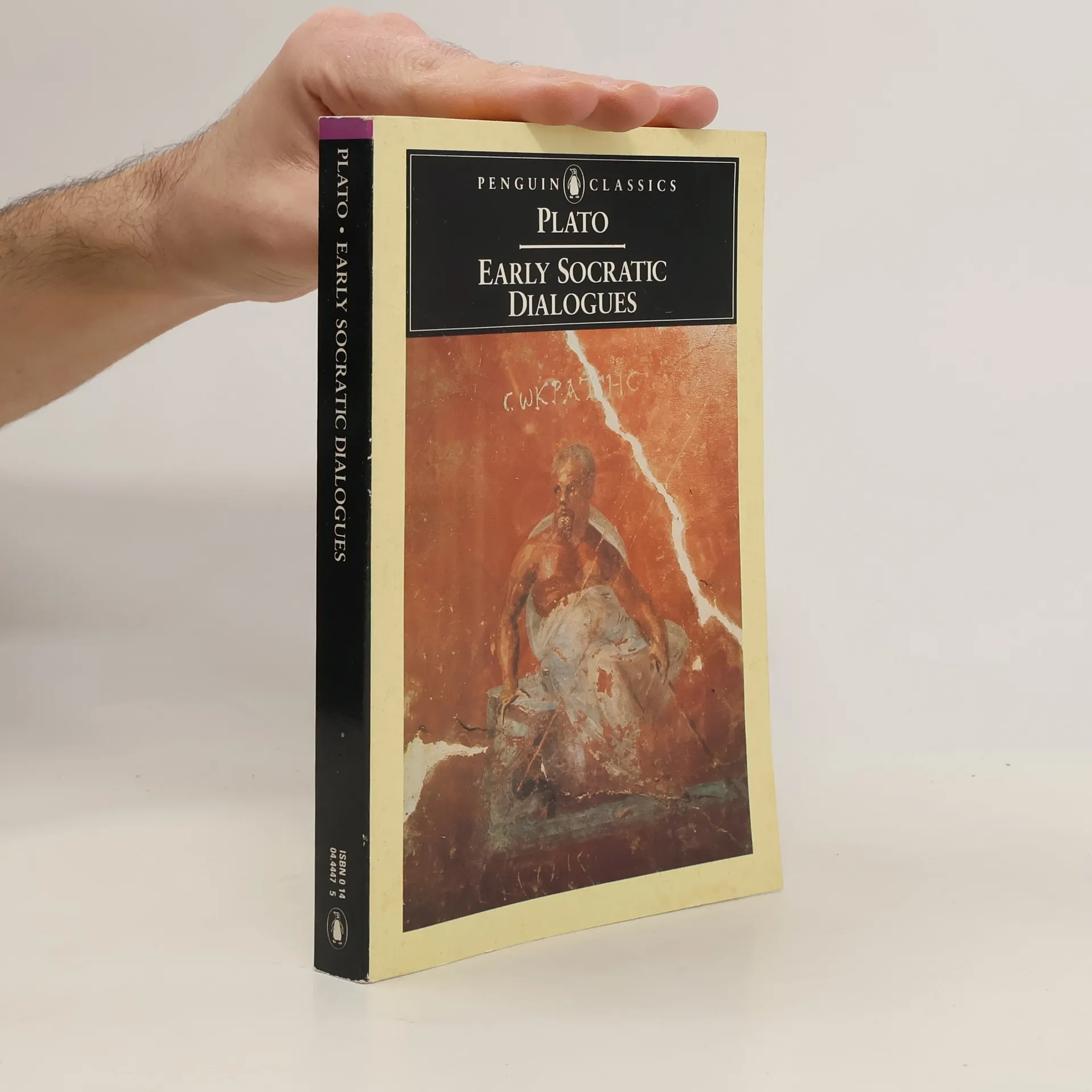
Ion/Laches/Lysis/Charmides/Hippias Major/Hippias Minor/EuthydemusRich in drama and humor, these dialogues provide the definitive portrait of Socrates (469-399 B.C.) and his times.Socrates, with his unique ability to tie his opponents in knots and spell out the contradictions in their ideas about friendship, courage, and other familiar topics, was the father of Western philosophy, ann inspiration - and a major irritant - to the Athenians of his day. After his trial and execution, Plato (c. 427-347 B.C.), his greatest pupil, wrote the early dialogues as an act of homage. Shorter and more accessible than the Republic and the other later masterpieces, they also give a much truer picture of the real Socrates and raise issues still keenly debated by philosophers; as such, they form an ideal introduction to Plato, to Greek thought and to philosophy.
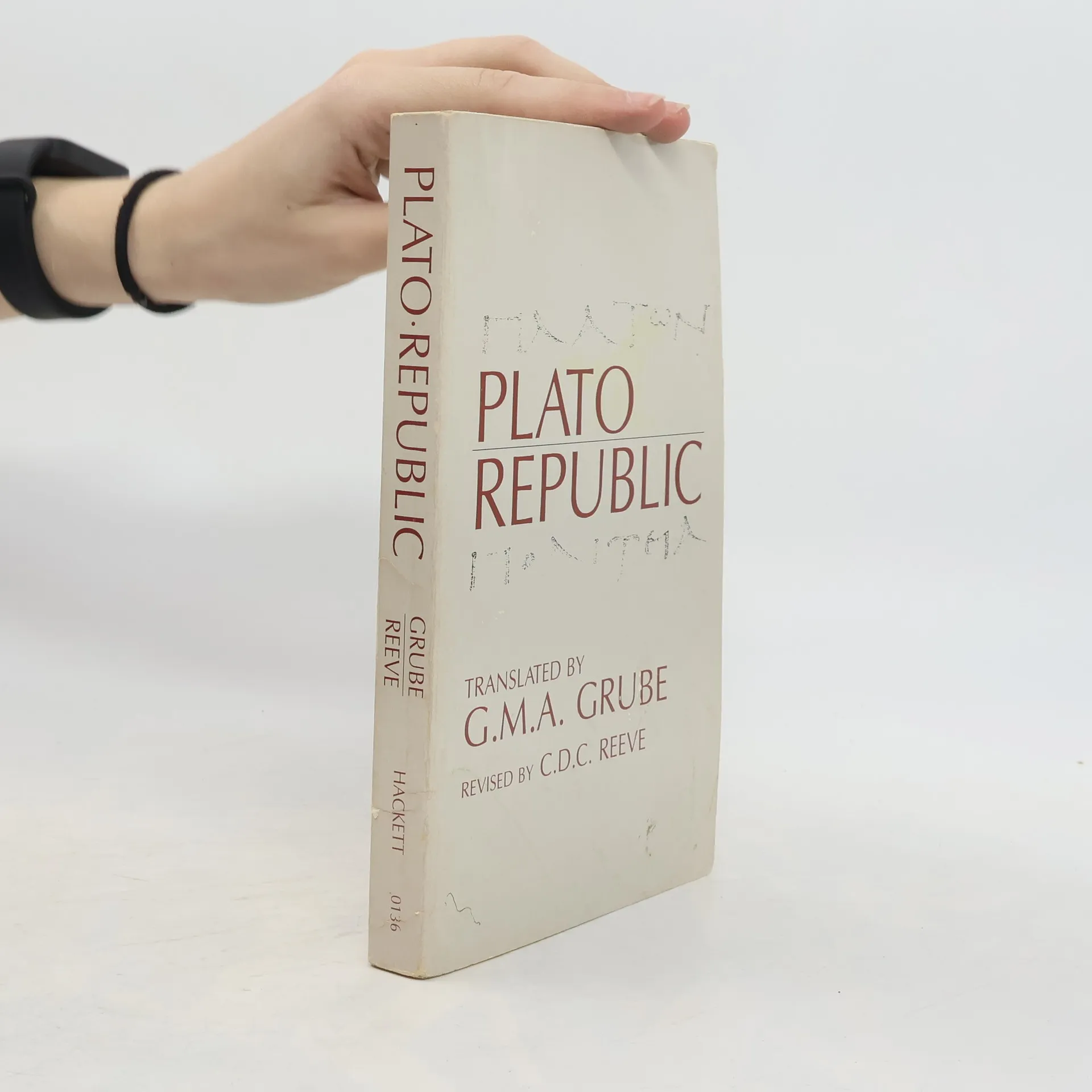
Since its publication in 1974, scholars throughout the humanities have adopted G M A Grube's masterful translation of the Republic as the edition of choice for their study and teaching of Plato's most influential work. In this brilliant revision, C D C Reeve furthers Grube's success both in preserving the subtlety of Plato's philosophical argument and in rendering the dialogue in lively, fluent English, that remains faithful to the original Greek. This revision includes a new introduction, index, and bibliography by Reeve.
Parmenides
- 122pagine
- 5 ore di lettura
Plato, an influential Athenian philosopher, established the Platonist school and the Academy, the first higher learning institution in the West. Renowned for his contributions to philosophy, he is a key figure alongside Socrates and Aristotle. His work laid the groundwork for Western thought and religion, with neoplatonism significantly impacting early Christian theology through figures like Augustine. His legacy continues to shape philosophical and spiritual discourse today.
Philebus
- 132pagine
- 5 ore di lettura
The dialogue explores the philosophical debate between hedonism and the pursuit of higher pleasures. Socrates engages with Protarchus, who defends the hedonistic viewpoint of Philebus, yet Socrates argues for a balanced life that harmonizes both physical and intellectual pleasures. Through this discussion, the text delves into the nature of happiness and the complexities of human fulfillment, ultimately questioning what constitutes the best life.
Euthyphro
- 36pagine
- 2 ore di lettura
Set in the weeks leading up to Socrates' trial, this Socratic dialogue features a conversation between Socrates and Euthyphro that explores profound themes of piety and justice. Through their exchange, Plato delves into philosophical inquiries that ultimately lead to uncertainty and unresolved questions, characteristic of his early works. The dialogue invites readers to reflect on moral concepts while showcasing the complexities of ethical discourse.
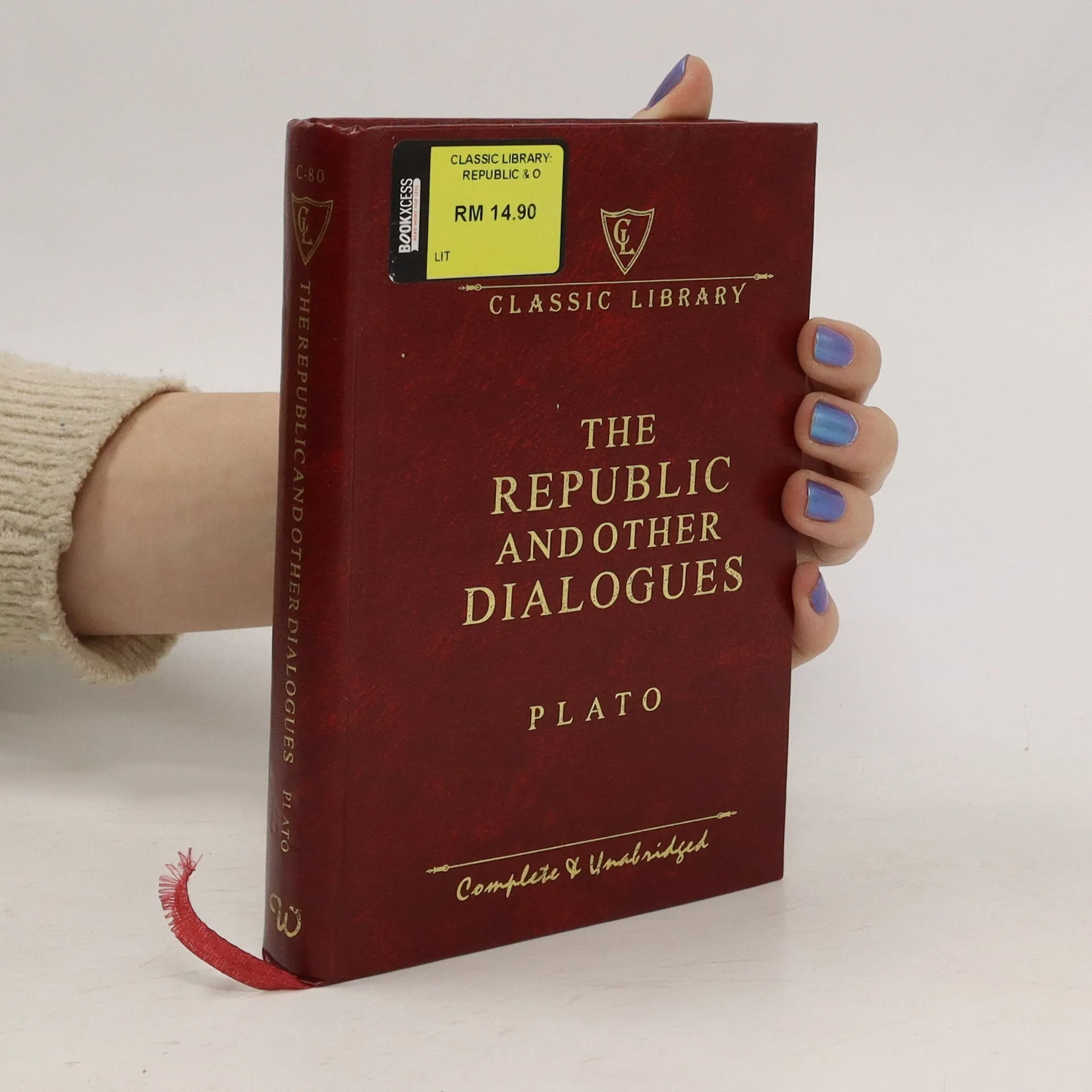
The Republic and Other Dialogues
- 405pagine
- 15 ore di lettura
These portable, handy sized classics are a great addition to your collection or they make a great gift item. All are hardcover editions in imitation red leather with golden foil stamping. Includes a red ribbon marker.
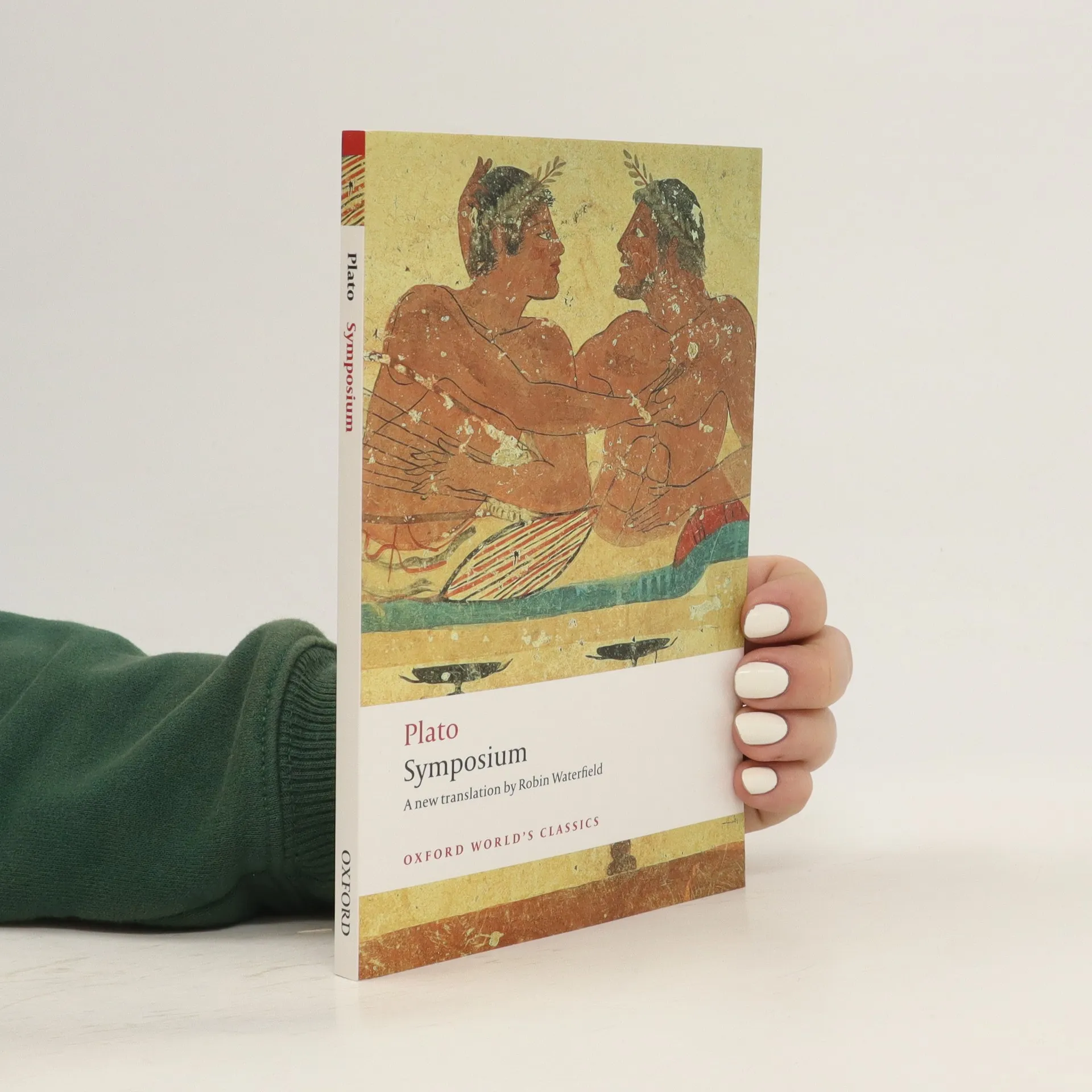
Symposium
- 104pagine
- 4 ore di lettura
In his celebrated masterpiece, Symposium, Plato imagines a high-society dinner-party in Athens in 416 BC at which the guests - including the comic poet Aristophanes and, of course, Plato's mentor Socrates - each deliver a short speech in praise of love. The sequence of dazzling speeches culminates in Socrates' famous account of the views of Diotima, a prophetess who taught him that love is our means of trying to attain goodness. And then into the party bursts the drunken Alcibiades, the most popular and notorious Athenian of the time, who insists on praising Socrates himself rather than love, and gives us a brilliant sketch of this enigmatic character. The power, humour, and pathos of Plato's creation engages the reader on every page. This new translation is complemented by full explanatory notes and an illuminating introduction.
Phaedo
- 110pagine
- 4 ore di lettura
The narrative is presented through Phaedo, a disciple of Socrates, recounting the philosopher's final moments and discussions on the immortality of the soul. Central to the text are the Cyclical and Affinity Arguments, which assert that the soul is imperishable, contrasting with the mortal body. Plato introduces the Theory of Recollection, suggesting that the soul possesses innate knowledge from a pre-birth existence. This dialogue not only explores profound philosophical concepts but also highlights the enduring nature of the soul as part of the eternal Forms.
Gorgias
- 160pagine
- 6 ore di lettura
Excerpt from Plato Gorgias: Edited, on the Basis of Deuschle-Cron's Edition The appendix, which is much more extensive than that of'the German edition, will be found to contain, in addition to the regis ter of textual variations, much matter which could not be inserted in a commentary, but which students should know. About the Publisher Forgotten Books publishes hundreds of thousands of rare and classic books. In rare cases, an imperfection in the original, such as a blemish or missing page, may be replicated in our edition. We do, however, repair the vast majority of imperfections successfully; any imperfections that remain are intentionally left to preserve the state of such historical works.
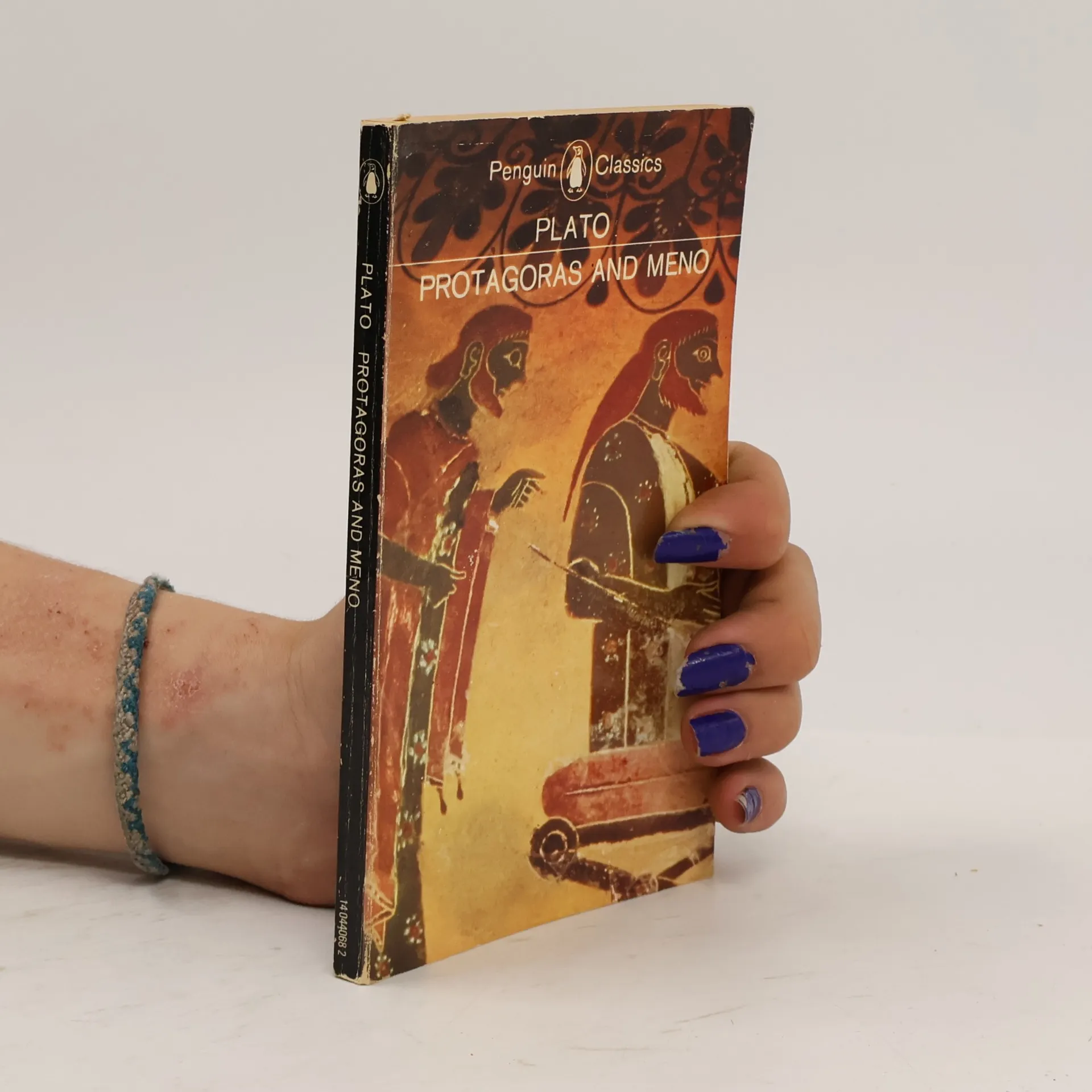
This volume contains new translations of two dialogues of Plato, the Protagoras and the Meno, together with explanatory notes and substantial interpretive essays. Robert C. Bartlett's translations are as literal as is compatible with sound English style and take into account important textual variations. Because the interpretive essays both sketch the general outlines of the dialogues and take up specific theoretical or philosophic difficulties, they will be of interest not only to those reading the dialogues for the first time but also to those already familiar with them. The Protagoras and the Meno are linked by the attention each pays to the idea of virtue: the latter dialogue focuses on the fundamental Socratic question "What is virtue?," the former on the specific virtue of courage, especially in its relation to wisdom. An appendix contains a short extract from Xenophon's Anabasis of Cyrus that vividly portrays the figure of Meno.
This translation of Plato's classic work is published along with an extensive introductory essay, which situates the work in the context of the development of Greek science and discusses points of contemporary interest. schovat popis
ION
- 30pagine
- 2 ore di lettura
The book invites readers into a captivating narrative that promises to engage and intrigue. It offers a blend of compelling themes and rich character development, making it a noteworthy addition to your reading list. The exploration of its central ideas is designed to resonate with a wide audience, ensuring that it leaves a lasting impact. Prepare for an immersive experience that challenges perspectives and ignites curiosity.
Taking the form of dialogues between Socrates, Timaeus, Critias and Hermocrates, these two works are among Plato's final writings. In Timaeus, he gives a thorough account of the world in which we live, describing a cosmos composed of four elements - earth, air, fire and water - which combine to give existence to all things. An exploration of the origins of the universe, life and humanity, which outlines not just physical laws but also metaphysical and religious principles, it remained a paradigm of science for two thousand years. The mysterious preamble to Timaeus contains the first account in literature of Atlantis, while the fragmentary Critias, unfinished by its author, provides a spellbinding description of the lost continent's ideal society, which Critias asserts was created by the god-like children of Poseidon himself.
The new translation offers a clear and contemporary rendition of Plato's dialogue, tailored for students of political thought. It includes an introduction that contextualizes the argument within the evolution of Plato's ideas, providing essential philosophical and historical background. This approach enhances understanding for readers interested in political theory, making the text more accessible and relevant to modern discussions.
Apology, Crito, and Phaedo of Socrates
- 100pagine
- 4 ore di lettura
The writings of Plato are numerous, and most are in the form of dialogues. This edition contains translations of three of his works: "The Apologia," "The Crito" and "The Phaedo," all of which have reference to the trial, imprisonment and death of Socrates."
Statesman
- 176pagine
- 7 ore di lettura
Plato's Statesman is the second of a projected trilogy of dialogues, in which an unnamed stranger sets out to satisfy Socrates' desire for an account of sophist, statesman, and philosopher. (The third was never written.) It includes a clear English translation along with notes and supplementary materials.
Plato: Meno
- 80pagine
- 3 ore di lettura
"As one would expect from the team of Brann, Kalkavage and Salem, their edition of Plato's Meno is a fine one. The translation meets their stated goal of remaining 'as faithful as possible to the Greek, while using lively, colloquial English.' Their notes are consistently helpful and will be particularly useful to those readers willing to explore the nuances of Plato's extraordinary prose. Their introduction is clear and compact, and it highlights the most philosophically important themes of the dialogue. One particularly useful feature of this edition is the manner in which it displays the diagrams Socrates draws in order to illustrate his famous 'square within a square.' Instead of relegating them to the notes, it integrates them into the text of the dialogue itself. Readers are able to follow along, and 'watch' Socrates actually construct them." --David Roochnik, Boston University
Theaetetus
- 150pagine
- 6 ore di lettura
Focusing on the nature of knowledge, this dialogue features Socrates questioning the young mathematician Theaetetus about perception, belief, and true knowledge. Through their conversation, Plato articulates his philosophical views, emphasizing that true understanding is achieved through inquiry and contemplation. The text also addresses the philosopher's role in the pursuit of wisdom. "Theaetetus" stands as a pivotal work in Western philosophy, showcasing the depth of philosophical exploration in ancient Greece.
Plato, an Athenian philosopher of the Classical period, established the Academy, marking the beginning of higher education in the Western world. Renowned for his profound influence on philosophy, he is often regarded alongside Socrates and Aristotle as a cornerstone of Ancient Greek thought. His contributions extend beyond philosophy, impacting Western religion and spirituality, particularly through the neoplatonism of later thinkers like Plotinus and Porphyry, which significantly shaped Christian theology as seen in the works of Church Fathers such as Augustine.
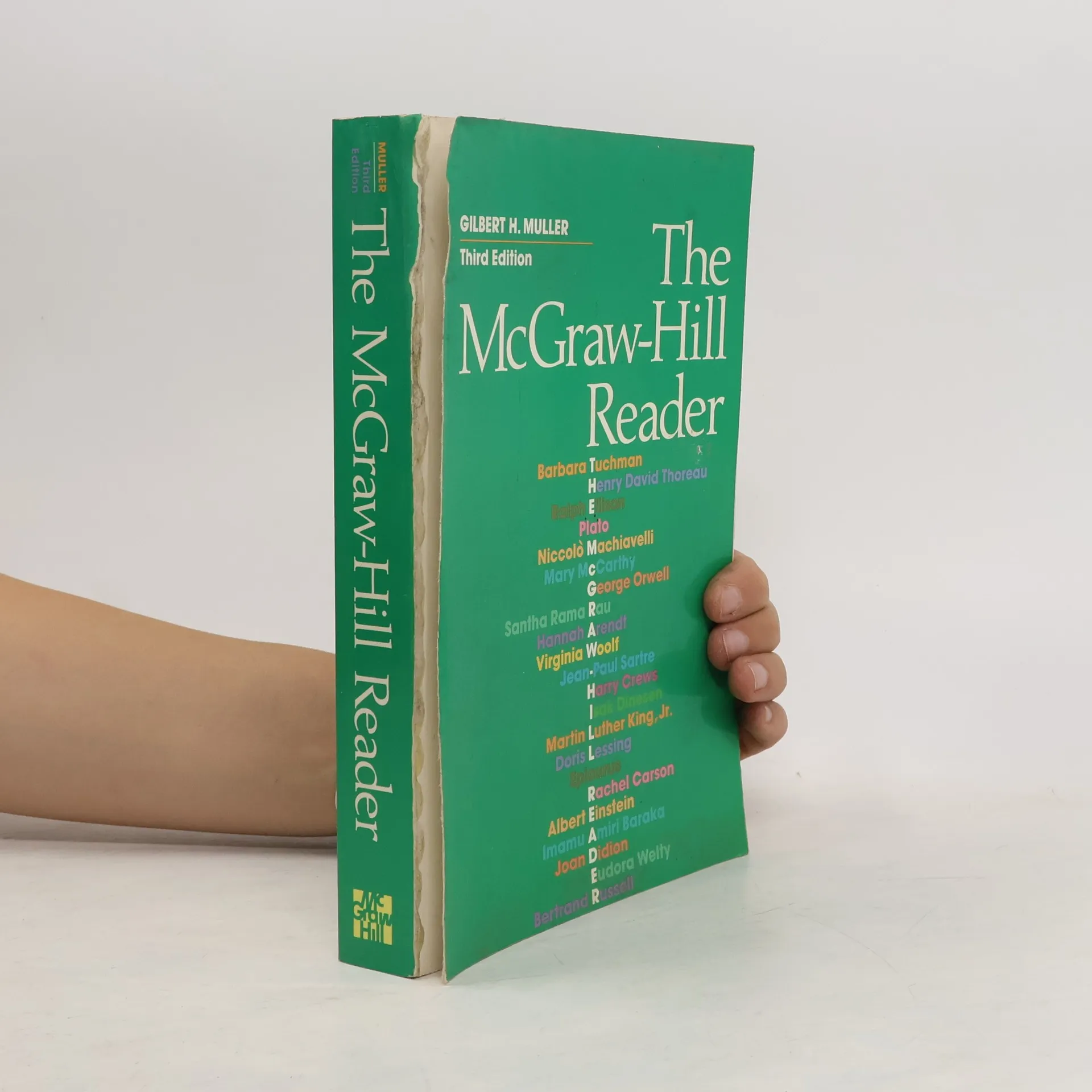
The McGraw-Hill Reader: Third Edition
- 725pagine
- 26 ore di lettura
Approaching a liberal arts tradition in the classroom, across the curriculum, and beyond, The McGraw-Hill Reader offers rich and diverse readings in education, the social sciences, business and economics, the humanities, and the sciences. This new eleventh edition offers a new focus on reading and composing across various media; it includes over 100 selections from prominent thinkers and writers; each essay was chosen to provoke critical thought and encourage effective writing.
Lysis. Symposium. Gorgias
- 556pagine
- 20 ore di lettura
Ah, Hippothales, I said; what a noble and really perfect love you have found! I wish that you would favour me with the exhibition which you have been making to the rest of the company, and then I shall be able to judge whether you know what a lover ought to say about his love, either to the youth himself, or to others.
The Republic is a Socratic dialogue, written by Plato around 380 BC, concerning the definition of justice, the order and character of the just city-state and the just man-for this reason, ancient readers used the name On Justice as an alternative title (not to be confused with the spurious dialogue also titled On Justice). The dramatic date of the dialogue has been much debated and though it might have taken place some time during the Peloponnesian War, "there would be jarring anachronisms if any of the candidate specific dates between 432 and 404 were assigned". It is Plato's best-known work and has proven to be one of the most intellectually and historically influential works of philosophy and political theory. In it, Socrates along with various Athenians and foreigners discuss the meaning of justice and examine whether or not the just man is happier than the unjust man by considering a series of different cities coming into existence "in speech", culminating in a city called Kallipolis, which is ruled by philosopher-kings and by examining the nature of existing regimes. The participants also discuss the theory of forms, the immortality of the soul, and the roles of the philosopher and of poetry in society.
Experience the timeless wisdom and insight of one of ancient Greece's greatest thinkers with this essential collection. Plato's Apology, Crito, and Phaedo are masterpieces of philosophy, offering insights into morality, justice, and the nature of reality. More's introduction provides helpful context and analysis, making this a perfect resource for students, scholars, and anyone seeking to deepen their understanding of Plato's work.
Ancient Greek Philosophers Plato Aristotle Collection
Plato's Phaedrus, Symposium, Euthyphro, Apology, Crito, Meno, Phaedo & Aristotle's Poetics, Politics
- 482pagine
- 17 ore di lettura
Plato
Complete Works Vol 1 (The Republic, Symposium, Apology, Phaedrus & Laws) (Hardcover Library Edition)
- 1042pagine
- 37 ore di lettura
Charmides Lysis Laches Protagoras Euthydemus Cratylus Phaedrus Ion Symposium Meno Euthyphro Apology Crito Phaedo Gorgias The Republic Timaeus Critias Parmenides Theaetetus Sophist Statesman Philebus Laws The Seventh Letter
The book explores the life and contributions of Plato, an Athenian philosopher who established the Academy, the first higher learning institution in the West. It highlights his pivotal role in shaping Ancient Greek and Western philosophy alongside Socrates and Aristotle. Additionally, the text delves into Plato's influence on Western religion and spirituality, particularly through the lens of neoplatonism and its impact on early Christian thought as seen in the works of Church Fathers like Augustine.
The book is a reproduction of a historical work, produced by Megali, a publishing house dedicated to creating large print editions. This initiative aims to enhance accessibility for readers with impaired vision, ensuring that important historical texts are available to a wider audience.
Focusing on accessibility, this book is a reproduction of a historical work presented in large print, catering specifically to individuals with impaired vision. Published by Megali, a house dedicated to enhancing readability, it aims to make classic literature more inclusive for all readers.
The book is a reproduction of a historical work, presented in large print to enhance accessibility for readers with impaired vision. Published by Megali, a house dedicated to making historical texts more readable, it aims to preserve important literature while accommodating the needs of those who struggle with standard print sizes.