

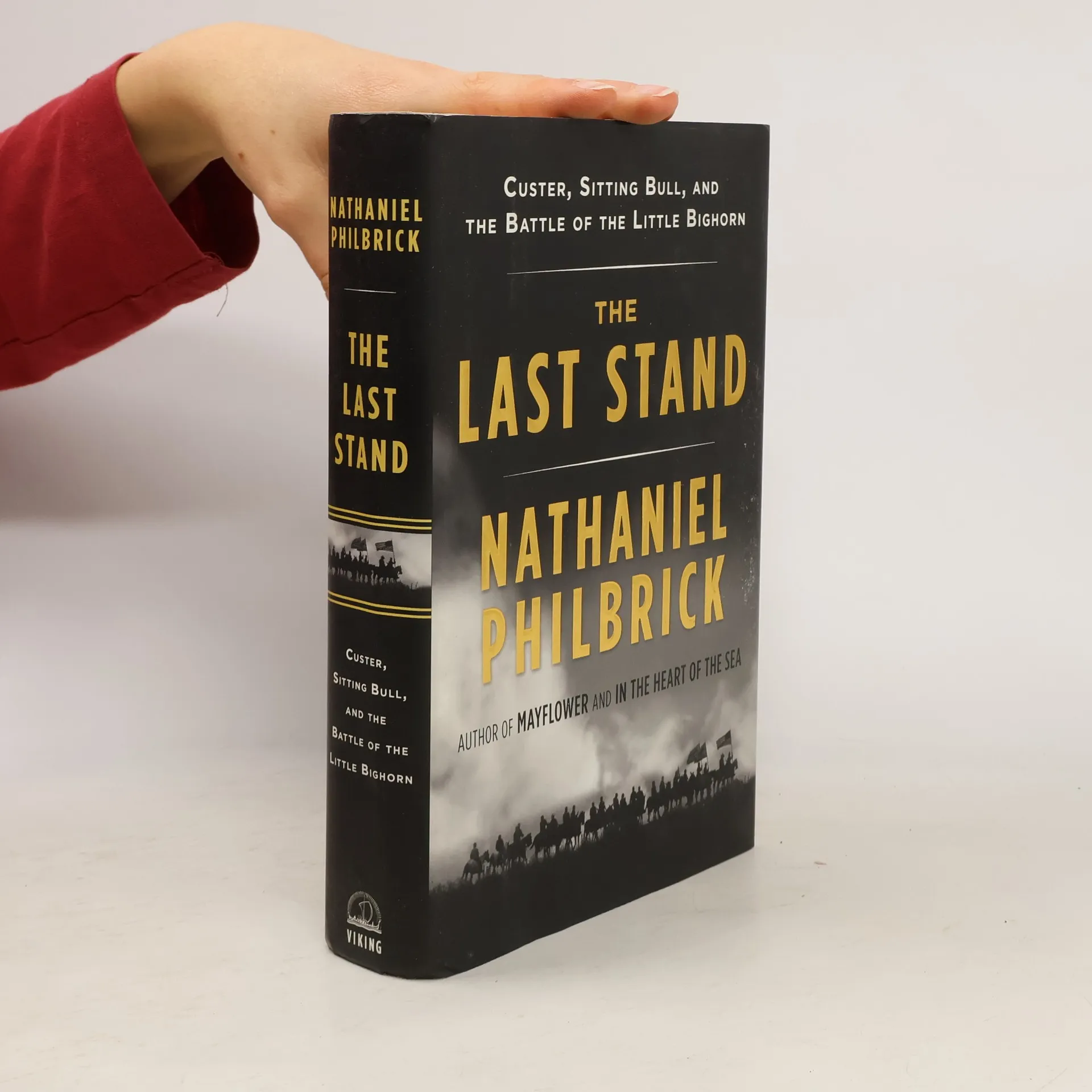
The Last Stand
Custer, Sitting Bull, and the Battle of the Little Bighorn
Autori
Valutazione del libro
Parametri
- 466pagine
- 17 ore di lettura
Maggiori informazioni sul libro
The bestselling author of "Mayflower" sheds new light on one of the iconic stories of the American West. Little Bighorn and Custer are names synonymous with unmatched bravery and spectacular defeat. Mythologized as Custer's Last Stand, the June 1876 battle is often compared to other famous last stands, such as the Spartans at Thermopylae and Davy Crockett at the Alamo. In a tightly structured narrative, Nathaniel Philbrick sketches the larger-than-life figures of Sitting Bull, a charismatic leader of the Plains Indians, and George Armstrong Custer, a renowned Union cavalry officer known for his fearless yet reckless bravery. Philbrick emphasizes that the Battle of the Little Bighorn marked the last stand for the Sioux and Cheyenne nations, who, outraged by government policies, united to defend their territory in southern Montana. Yet, within a few years, all major tribal leaders would be confined to reservations. Throughout the narrative, Philbrick evokes the history and geography of the Great Plains with grace and drama. This account of the archetypal story of the American West continues to resonate in our collective imagination.


Acquisto del libro
The Last Stand, Nathaniel Philbrick
- Lingua

- Pubblicato
- 2010
- Rilegatura
- (Copertina rigida)
Metodi di pagamento
Qui potrebbe esserci la tua recensione.
- Titolo
- The Last Stand
- Sottotitolo
- Custer, Sitting Bull, and the Battle of the Little Bighorn
- Lingua
- Inglese
- Autori
- Nathaniel Philbrick
- Editore
- Viking
- Pubblicato
- 2010
- Formato
- Copertina rigida
- Pagine
- 466
- ISBN10
- 0670021725
- ISBN13
- 9780670021727
- Serie
- Valutazione
- 4 su 5
- Descrizione
- The bestselling author of "Mayflower" sheds new light on one of the iconic stories of the American West. Little Bighorn and Custer are names synonymous with unmatched bravery and spectacular defeat. Mythologized as Custer's Last Stand, the June 1876 battle is often compared to other famous last stands, such as the Spartans at Thermopylae and Davy Crockett at the Alamo. In a tightly structured narrative, Nathaniel Philbrick sketches the larger-than-life figures of Sitting Bull, a charismatic leader of the Plains Indians, and George Armstrong Custer, a renowned Union cavalry officer known for his fearless yet reckless bravery. Philbrick emphasizes that the Battle of the Little Bighorn marked the last stand for the Sioux and Cheyenne nations, who, outraged by government policies, united to defend their territory in southern Montana. Yet, within a few years, all major tribal leaders would be confined to reservations. Throughout the narrative, Philbrick evokes the history and geography of the Great Plains with grace and drama. This account of the archetypal story of the American West continues to resonate in our collective imagination.