

Parametri
Maggiori informazioni sul libro
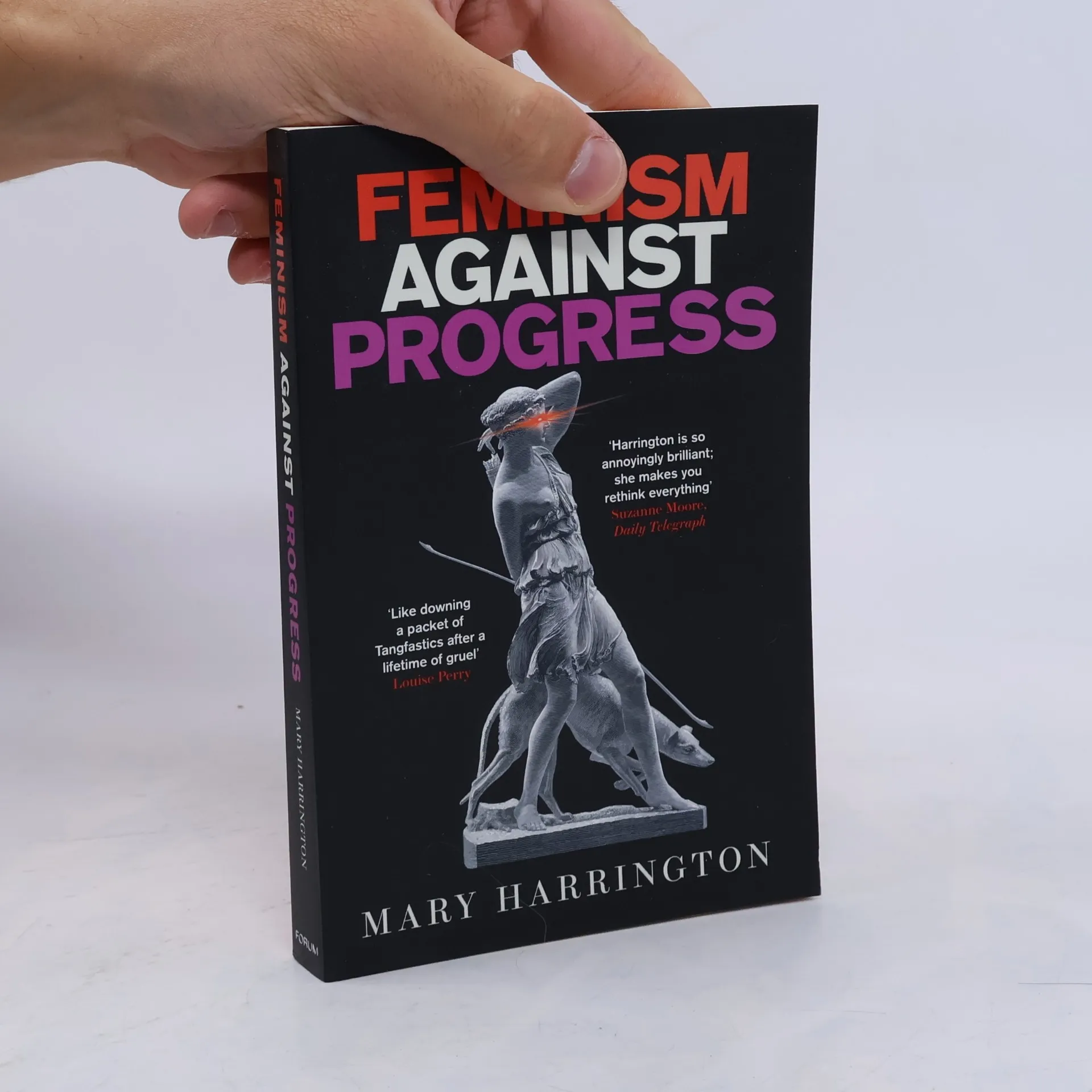
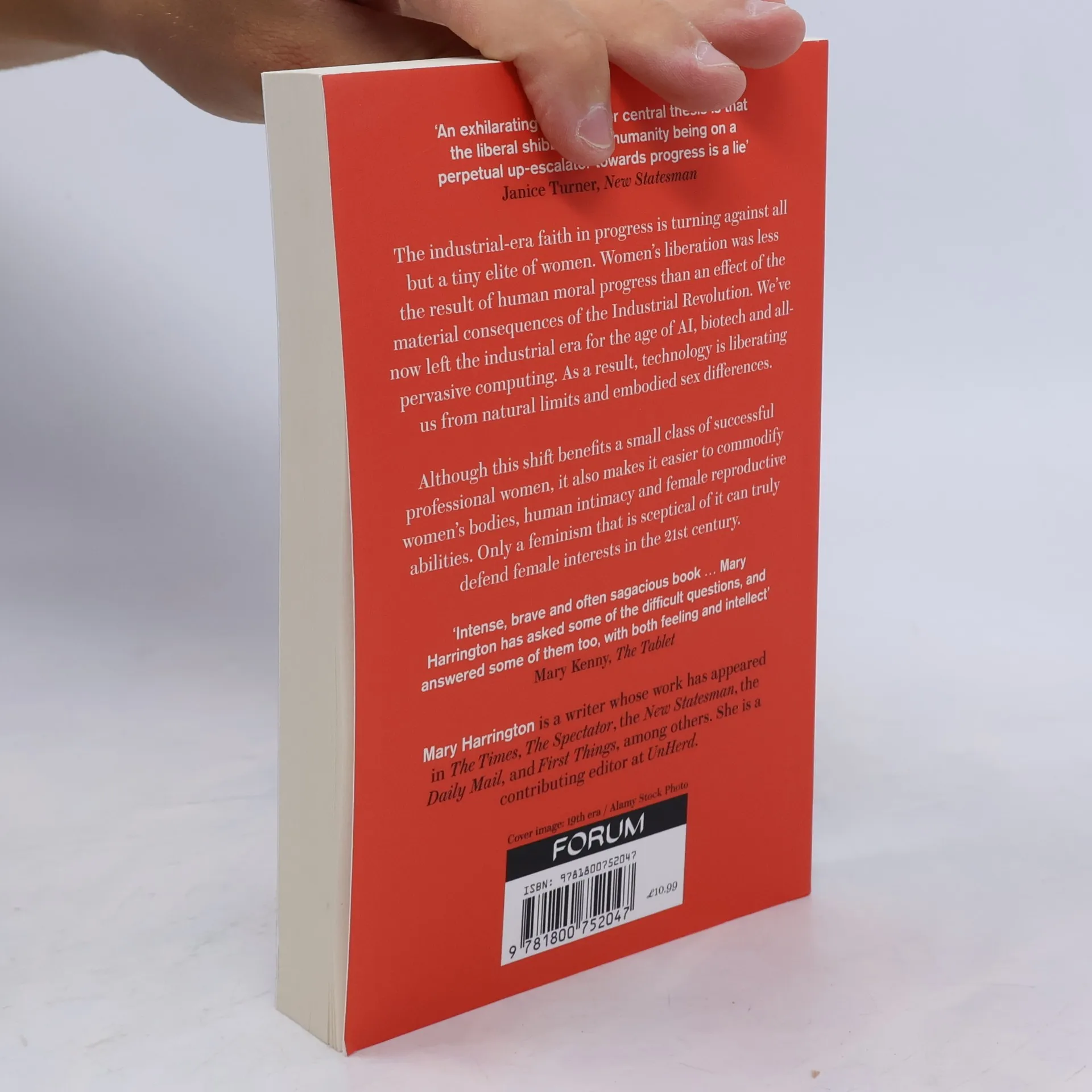
'An exhilarating read' New Statesman In Feminism Against Progress, Mary Harrington argues that the industrial-era faith in progress is turning against all but a tiny elite of women. Women's liberation was less the result of human moral progress than an effect of the material consequences of the Industrial Revolution. We've now left the industrial era for the age of AI, biotech and all-pervasive computing. As a result, technology is liberating us from natural limits and embodied sex differences. Although this shift benefits a small class of successful professional women, it also makes it easier to commodify women's bodies, human intimacy and female reproductive abilities. This is a stark warning against a dystopian future whereby poor women become little more than convenient sources of body parts to be harvested and wombs to be rented by the rich. Progress has now stopped benefiting the majority of women, and only a feminism that is sceptical of it can truly defend female interests in the 21st century.
Pubblicazione

Acquisto del libro
Feminism Against Progress, Kieran Harrington
- Lingua

- Pubblicato
- 2024
- Rilegatura
- (In brossura)
Metodi di pagamento
Qui potrebbe esserci la tua recensione.
- Titolo
- Feminism Against Progress
- Lingua
- Inglese
- Autori
- Kieran Harrington
- Editore
- Swift Press
- Pubblicato
- 2024
- Formato
- In brossura
- ISBN10
- 1800752040
- ISBN13
- 9781800752047
- Serie
- Valutazione
- 4,25 su 5
- Descrizione
- 'An exhilarating read' New Statesman In Feminism Against Progress, Mary Harrington argues that the industrial-era faith in progress is turning against all but a tiny elite of women. Women's liberation was less the result of human moral progress than an effect of the material consequences of the Industrial Revolution. We've now left the industrial era for the age of AI, biotech and all-pervasive computing. As a result, technology is liberating us from natural limits and embodied sex differences. Although this shift benefits a small class of successful professional women, it also makes it easier to commodify women's bodies, human intimacy and female reproductive abilities. This is a stark warning against a dystopian future whereby poor women become little more than convenient sources of body parts to be harvested and wombs to be rented by the rich. Progress has now stopped benefiting the majority of women, and only a feminism that is sceptical of it can truly defend female interests in the 21st century.