


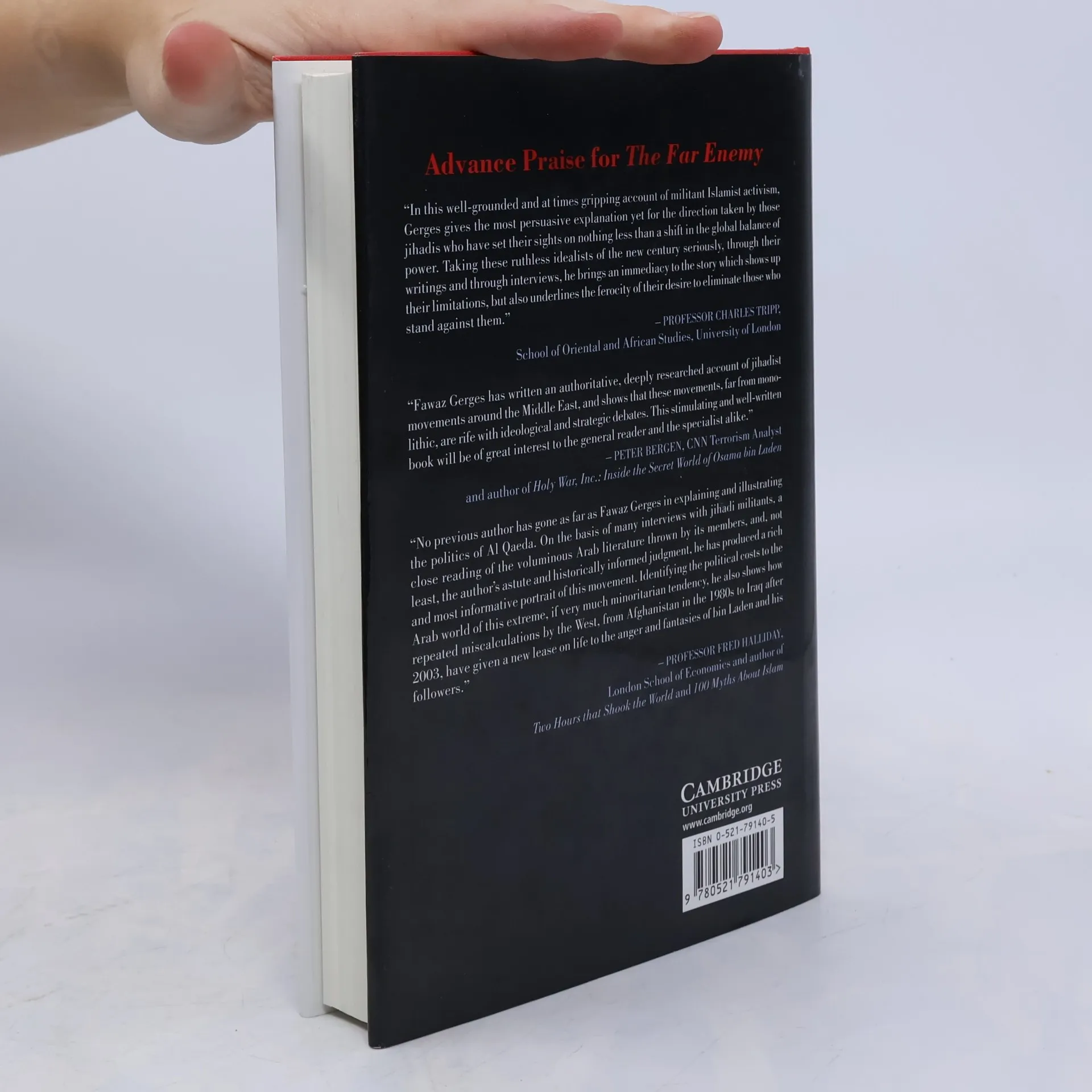

Cambridge Middle East Studies: The Far Enemy
Why Jihad Went Global
Autori
Valutazione del libro
Maggiori informazioni sul libro
Since September 11, Al Qaeda has often been depicted as a unified Islamist force engaged in jihad against the Christian West. However, historian Fawaz A. Gerges argues that the reality is more nuanced. Al Qaeda is a minority within the broader jihadist movement, facing criticism from religious nationalists who prioritize reforming the Muslim world over global conflict. This internal division contributed to the events of September 11 and has influenced subsequent developments. Drawing on years of primary field research, Gerges examines the jihadist movement's origins, the philosophies of its founders, its organizational structure, and the tensions that have emerged within its ranks. He explores why figures like Osama bin Laden and Ayman al-Zawahiri opted for international strategies rather than local ones. This insightful work illuminates the tactics employed by jihadis over the past three decades and raises critical questions about the future of the movement, particularly as more disaffected young Muslims are drawn into its fold. Gerges holds the Christian A. Johnson Chair in International Affairs and Middle Eastern Studies at Sarah Lawrence College, with a background from Oxford and the London School of Economics, and has been a Research Fellow at Harvard and Princeton. He is a senior analyst for ABC News and has authored several significant works on Arab and Muslim politics, Islamist movements, and U.S. foreign policy.
Pubblicazione

Acquisto del libro
Cambridge Middle East Studies: The Far Enemy, Fawaz A. Gerges
- Lingua

- Pubblicato
- 2005
- Rilegatura
- (Copertina rigida)
Metodi di pagamento
Qui potrebbe esserci la tua recensione.
- Titolo
- Cambridge Middle East Studies: The Far Enemy
- Sottotitolo
- Why Jihad Went Global
- Lingua
- Inglese
- Autori
- Fawaz A. Gerges
- Editore
- Cambridge University Press
- Pubblicato
- 2005
- Formato
- Copertina rigida
- Pagine
- 358
- ISBN10
- 0521791405
- ISBN13
- 9780521791403
- Serie
- Categoria
- Valutazione
- 3,75 su 5
- Descrizione
- Since September 11, Al Qaeda has often been depicted as a unified Islamist force engaged in jihad against the Christian West. However, historian Fawaz A. Gerges argues that the reality is more nuanced. Al Qaeda is a minority within the broader jihadist movement, facing criticism from religious nationalists who prioritize reforming the Muslim world over global conflict. This internal division contributed to the events of September 11 and has influenced subsequent developments. Drawing on years of primary field research, Gerges examines the jihadist movement's origins, the philosophies of its founders, its organizational structure, and the tensions that have emerged within its ranks. He explores why figures like Osama bin Laden and Ayman al-Zawahiri opted for international strategies rather than local ones. This insightful work illuminates the tactics employed by jihadis over the past three decades and raises critical questions about the future of the movement, particularly as more disaffected young Muslims are drawn into its fold. Gerges holds the Christian A. Johnson Chair in International Affairs and Middle Eastern Studies at Sarah Lawrence College, with a background from Oxford and the London School of Economics, and has been a Research Fellow at Harvard and Princeton. He is a senior analyst for ABC News and has authored several significant works on Arab and Muslim politics, Islamist movements, and U.S. foreign policy.