

Esaurito ma molto ricercato!
Ce l'hai a casa?Guadagna tra 0 € e 0,53 € vendendo questo libro con.
Vendi libriThe Great Transformation
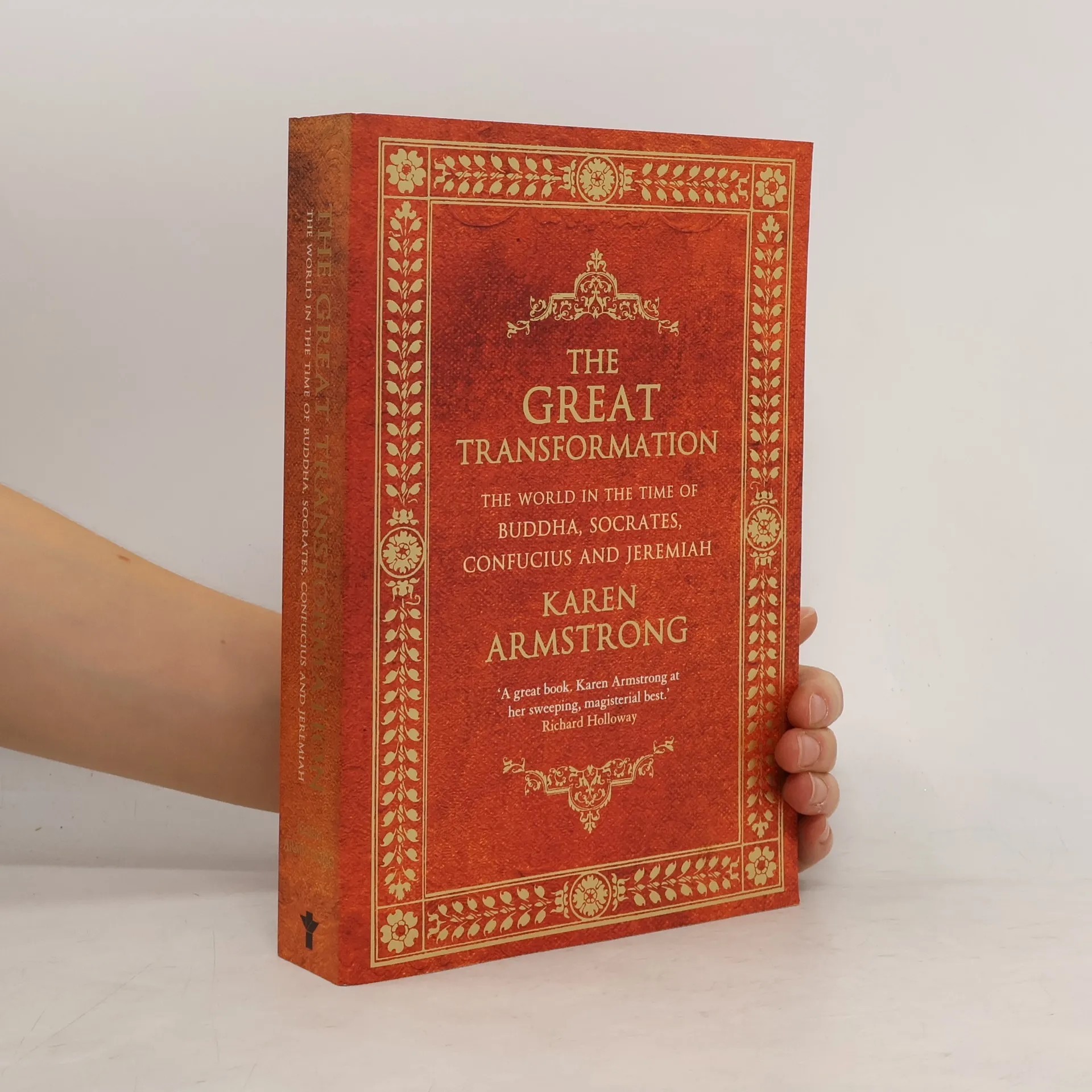
The World in the Time of Buddha, Socrates, Confucius and Jeremiah
Autori
Valutazione del libro
Maggiori informazioni sul libro
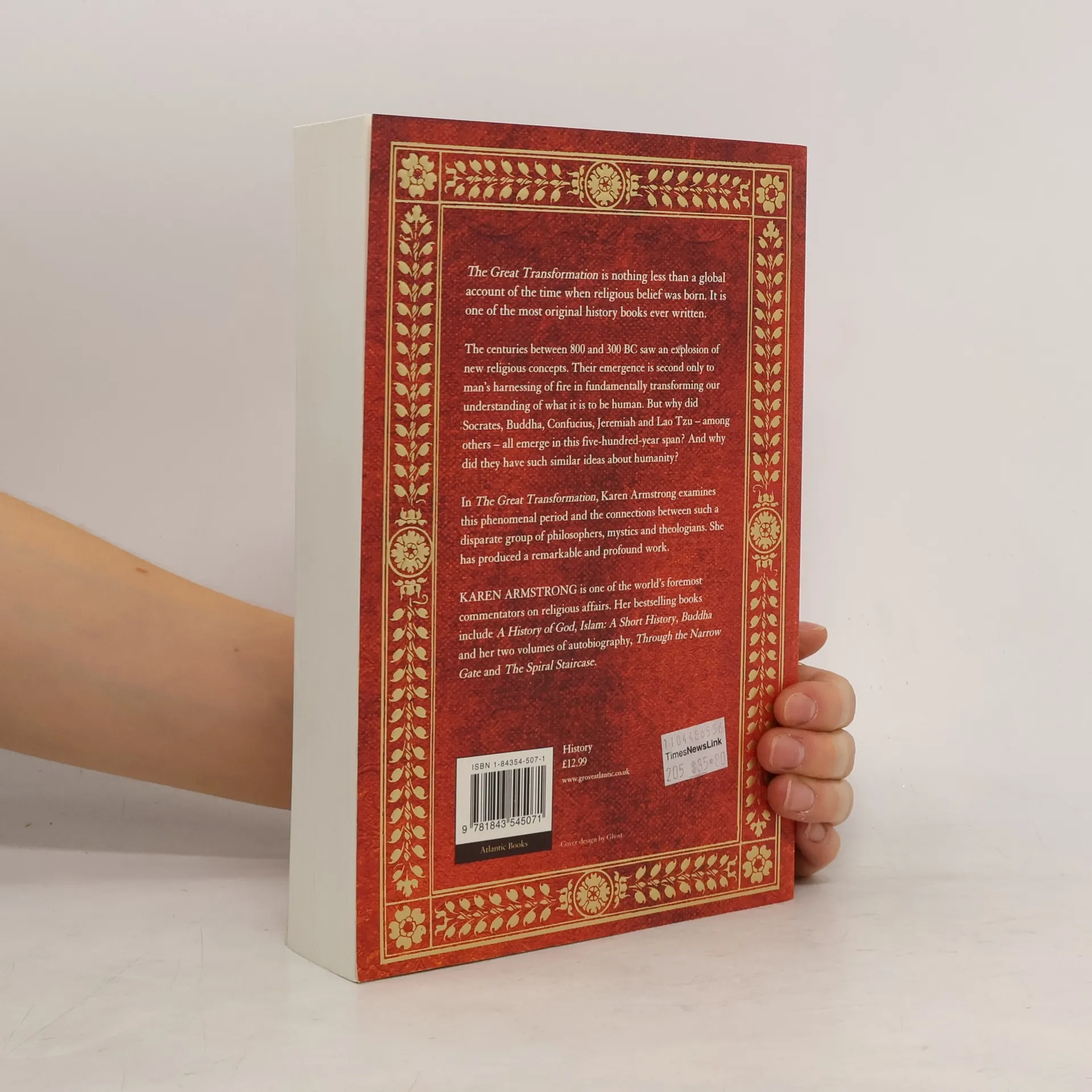
The centuries between 800 and 300 BC saw an explosion of new religious concepts. Their emergence is second only to man's harnessing of fire in fundamentally transforming our understanding of what it is to be human. But why did Socrates, Buddha, Confucius, Jeremiah, Lao Tzu and others all emerge in this five-hundred-year span? And why do they have such similar ideas about humanity?In The Great Transformation, Karen Armstrong examines this phenomenal period and the connections between this disparate group of philosophers, mystics and theologians.





Acquisto del libro
The Great Transformation, Karen Armstrong
- Lingua

- Pubblicato
- 2006
- Rilegatura
- (In brossura)
Ti avviseremo via email non appena lo rintracceremo.
Metodi di pagamento
4,1
Molto buono
99+ Valutazioni
Qui potrebbe esserci la tua recensione.
- Titolo
- The Great Transformation
- Sottotitolo
- The World in the Time of Buddha, Socrates, Confucius and Jeremiah
- Lingua
- Inglese
- Autori
- Karen Armstrong
- Editore
- Atlantic Books
- Pubblicato
- 2006
- Formato
- In brossura
- Pagine
- 464
- ISBN10
- 1843545071
- ISBN13
- 9781843545071
- Serie
- Categoria
- Tag
- Tema stórico, Temi religiosi, Tematica filosofica, Spiritualità e Religione, Teologia, Tempi antichi, Ebrei, Buddha, Confucianesimo, Trasformazione della società
- Prima pubblicazione
- 2006
- Titolo originale
- The Great Transformation. The World in the Time of Buddha, Socrates, Confucius and Jeremiah
- Valutazione
- 4,05 su 5
- Descrizione
- The centuries between 800 and 300 BC saw an explosion of new religious concepts. Their emergence is second only to man's harnessing of fire in fundamentally transforming our understanding of what it is to be human. But why did Socrates, Buddha, Confucius, Jeremiah, Lao Tzu and others all emerge in this five-hundred-year span? And why do they have such similar ideas about humanity?In The Great Transformation, Karen Armstrong examines this phenomenal period and the connections between this disparate group of philosophers, mystics and theologians.