

Maggiori informazioni sul libro
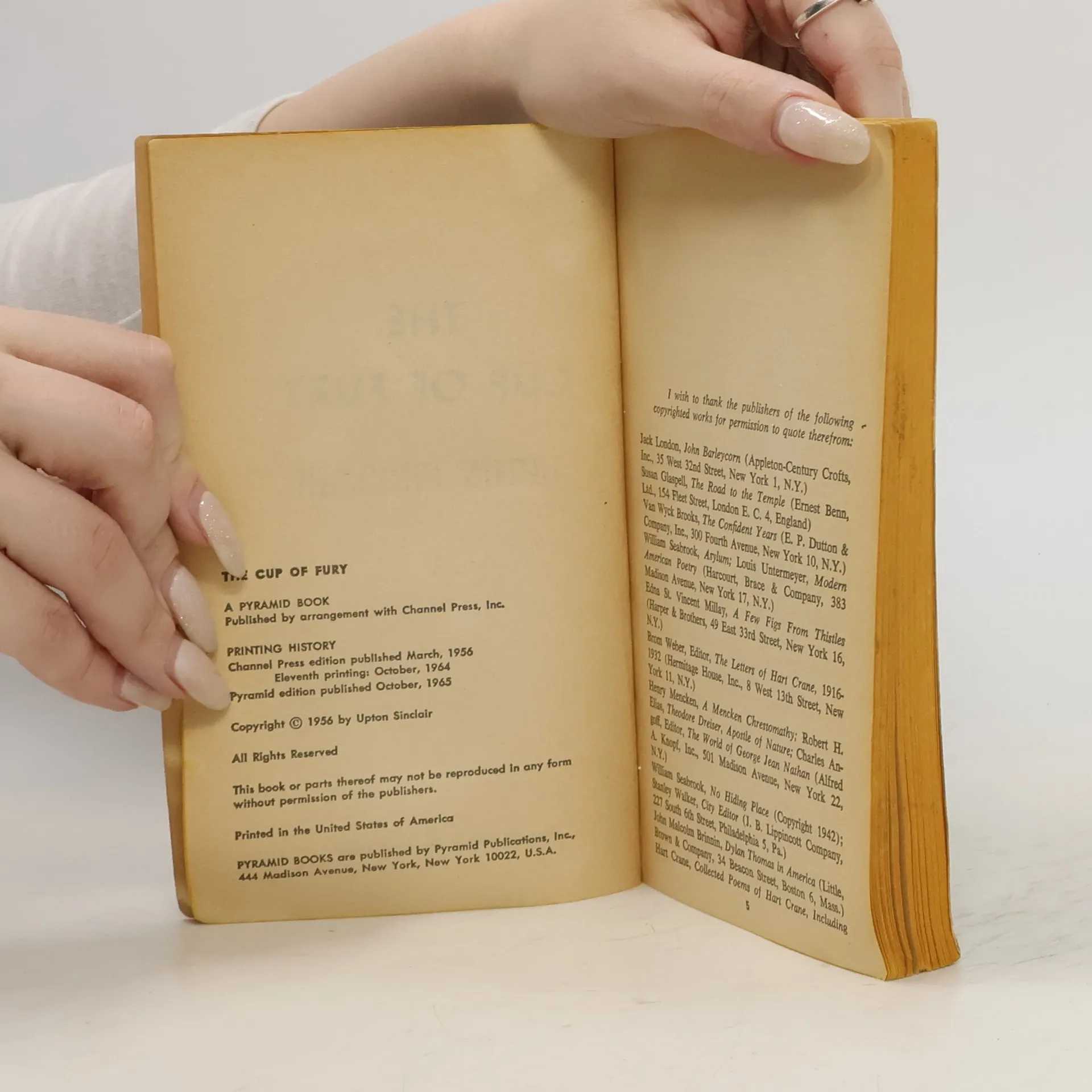
Excerpt from The Cup of Fury I also want to thank the publishers of the following periodicals for permission to quote from the indicated articles: Atlantic Monthly, The Incorruptible Sinclair Lewis, by Perry Miller (april, 1951) New York Times, obituary on Maxwell Bodenheim (pebru ary 8, 1954) New Republic, The Violence of Dylan Thomas, by Hans Meyerhoff (july II, I 955) The Reporter, A Luncheon With Dylan Thomas, by Mary Ellin Barrett (april 27, 1954) About the Publisher Forgotten Books publishes hundreds of thousands of rare and classic books. In rare cases, an imperfection in the original, such as a blemish or missing page, may be replicated in our edition. We do, however, repair the vast majority of imperfections successfully; any imperfections that remain are intentionally left to preserve the state of such historical works.

Pubblicazione


Acquisto del libro
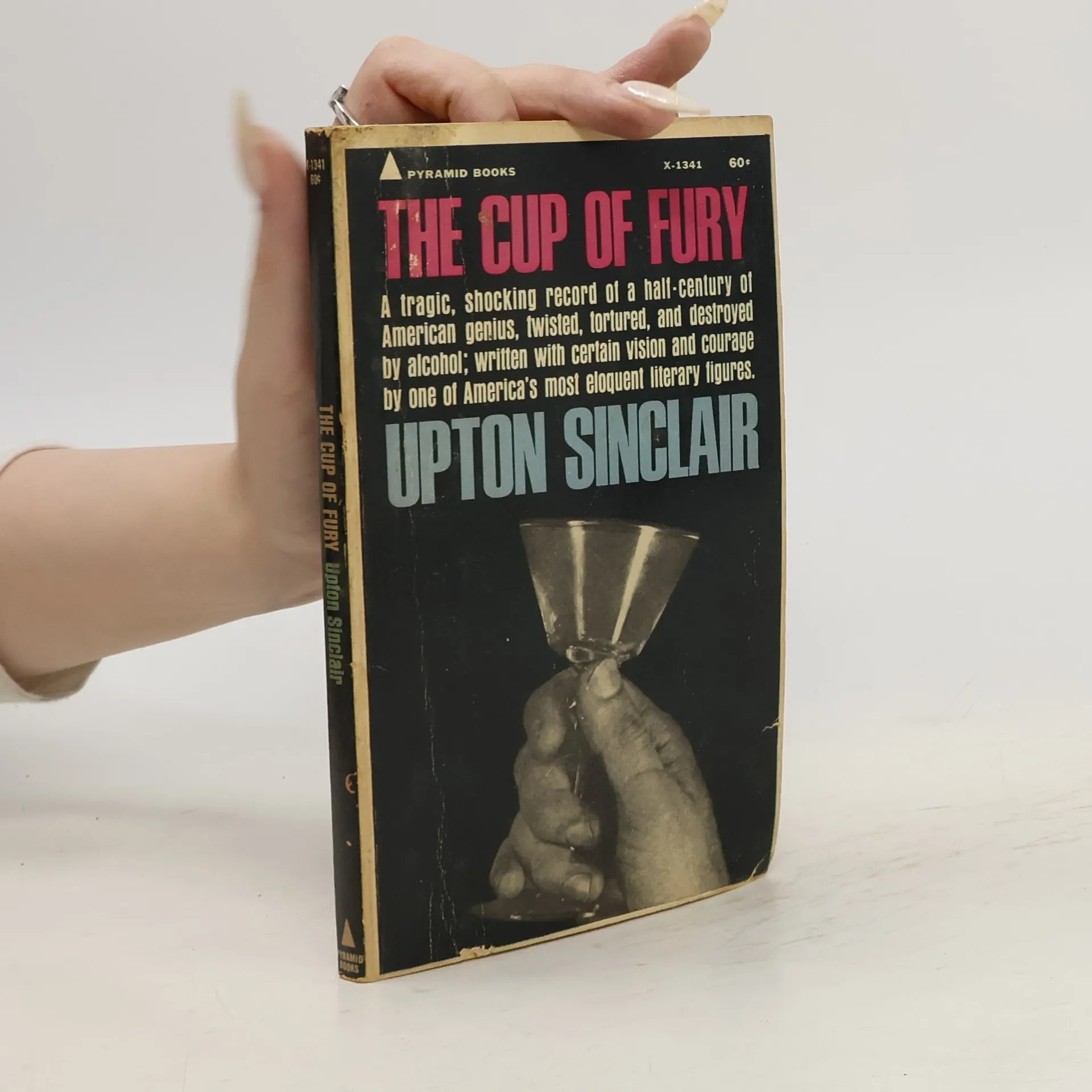
The Cup of Fury, Upton Sinclair
- Lingua

- Pubblicato
- Rilegatura
- (In brossura)
Metodi di pagamento
Qui potrebbe esserci la tua recensione.
- Titolo
- The Cup of Fury
- Lingua
- Inglese
- Autori
- Upton Sinclair
- Formato
- In brossura
- Serie
- Categoria
- Valutazione
- 3,3 su 5
- Descrizione
- Excerpt from The Cup of Fury I also want to thank the publishers of the following periodicals for permission to quote from the indicated articles: Atlantic Monthly, The Incorruptible Sinclair Lewis, by Perry Miller (april, 1951) New York Times, obituary on Maxwell Bodenheim (pebru ary 8, 1954) New Republic, The Violence of Dylan Thomas, by Hans Meyerhoff (july II, I 955) The Reporter, A Luncheon With Dylan Thomas, by Mary Ellin Barrett (april 27, 1954) About the Publisher Forgotten Books publishes hundreds of thousands of rare and classic books. In rare cases, an imperfection in the original, such as a blemish or missing page, may be replicated in our edition. We do, however, repair the vast majority of imperfections successfully; any imperfections that remain are intentionally left to preserve the state of such historical works.