


Maggiori informazioni sul libro
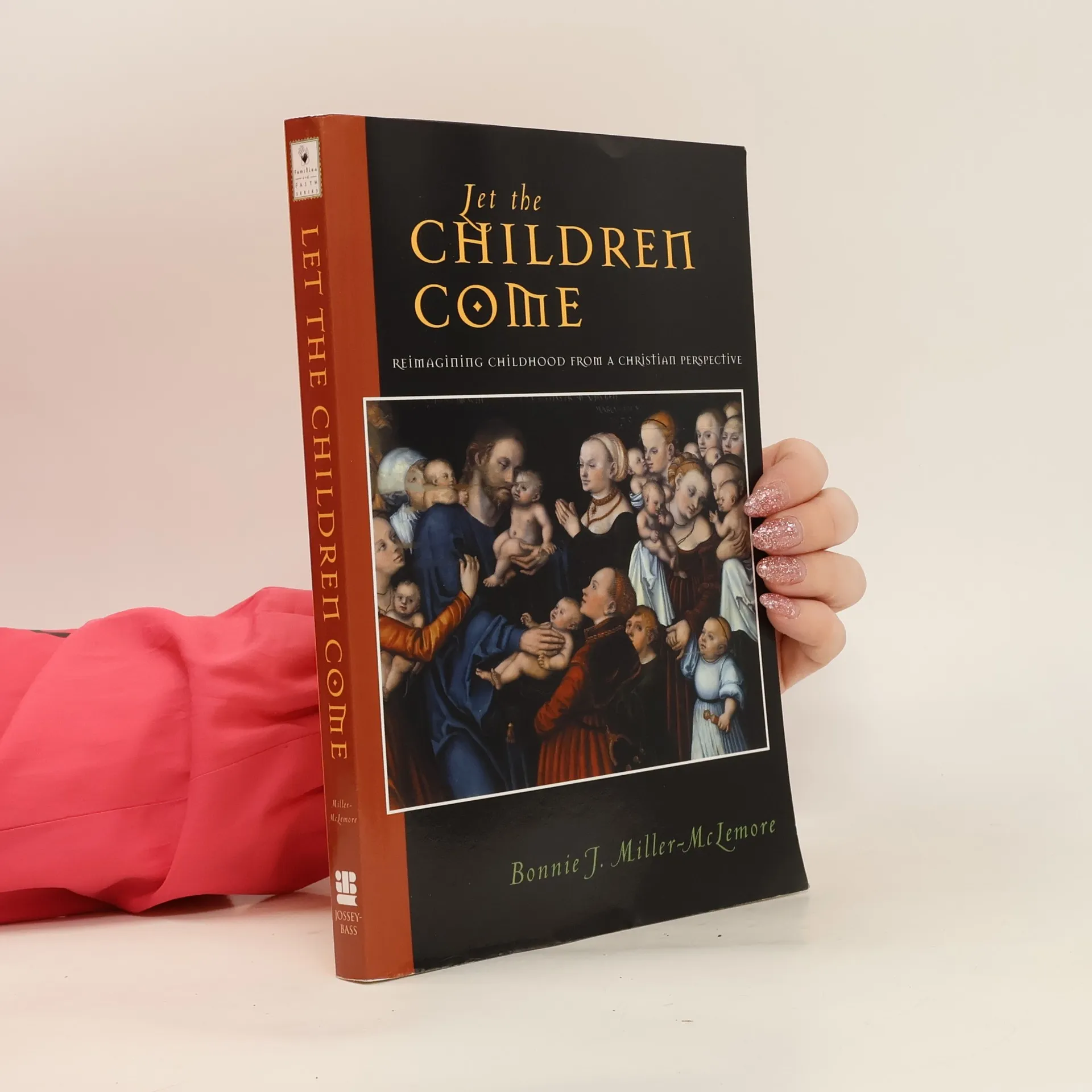
In this important and much-needed book, theologian, author, and teacher Bonnie J. Miller-McLemore writes about the struggle to raise children with integrity and faithfulness as Christians in a complex postmodern society. Let the Children Come shows that the care of children is in itself a religious discipline and a communal practice that places demands on both congregations and society as a whole. The author calls for clearer and more defined ways in which Christians can respond to the call to nurture all children (not just their own) as manifestations of God's presence in the world. Miller-McLemore raises and investigates questions that up until now have largely been left unasked, such What are the dominant cultural perceptions of children— including religious perceptions— with which parents must grapple? How have Christians defined children and parenting, and how should they today?
Acquisto del libro
Let the Children Come, Bonnie J. Miller-McLemore
- Lingua

- Pubblicato
- 2003
- Rilegatura
- (In brossura)
Metodi di pagamento
Qui potrebbe esserci la tua recensione.
- Titolo
- Let the Children Come
- Lingua
- Inglese
- Editore
- Jossey-Bass
- Pubblicato
- 2003
- Formato
- In brossura
- Pagine
- 256
- ISBN10
- 0787956651
- ISBN13
- 9780787956653
- Serie
- Categoria
- Tag
- Valutazione
- 4,2 su 5
- Descrizione
- In this important and much-needed book, theologian, author, and teacher Bonnie J. Miller-McLemore writes about the struggle to raise children with integrity and faithfulness as Christians in a complex postmodern society. Let the Children Come shows that the care of children is in itself a religious discipline and a communal practice that places demands on both congregations and society as a whole. The author calls for clearer and more defined ways in which Christians can respond to the call to nurture all children (not just their own) as manifestations of God's presence in the world. Miller-McLemore raises and investigates questions that up until now have largely been left unasked, such What are the dominant cultural perceptions of children— including religious perceptions— with which parents must grapple? How have Christians defined children and parenting, and how should they today?