

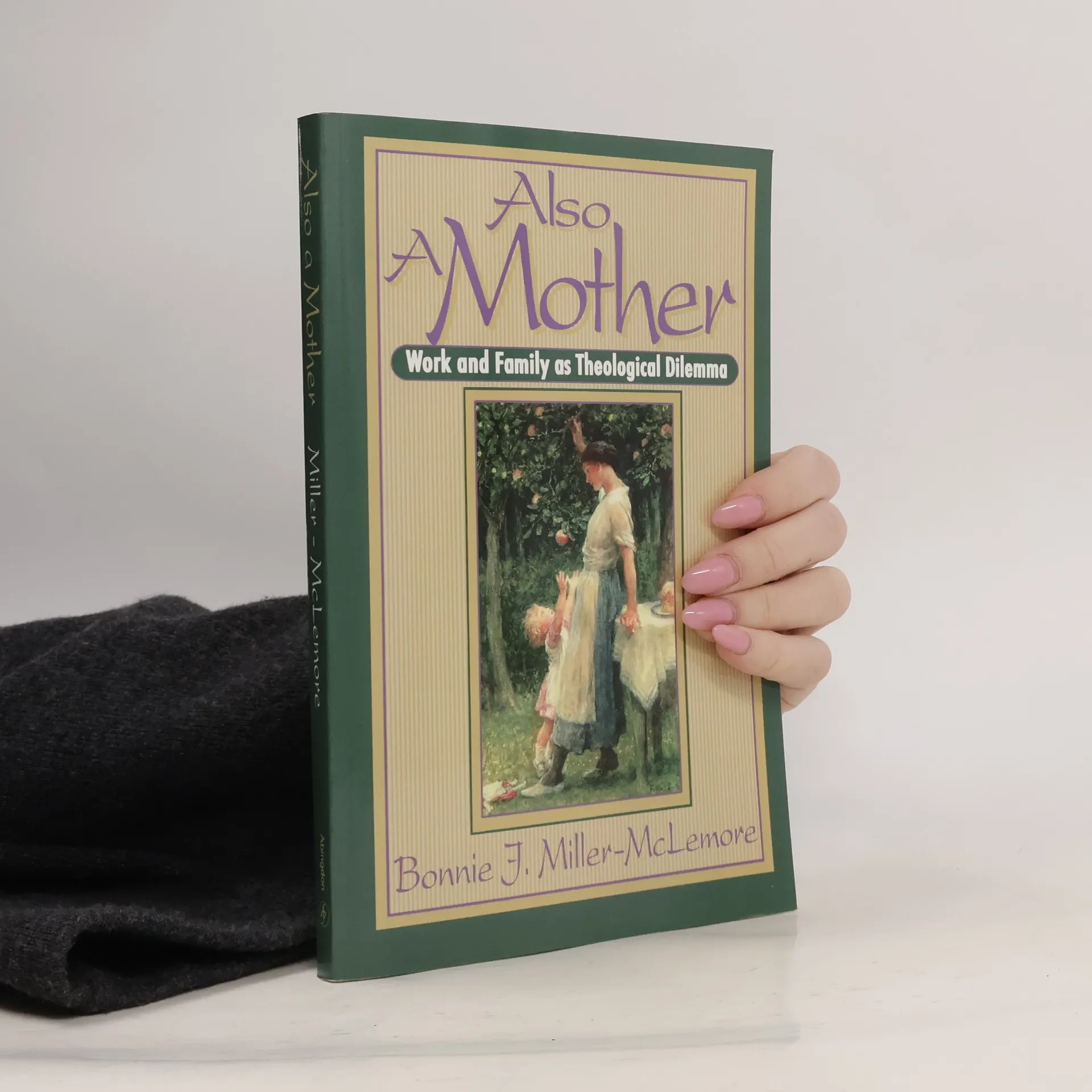
As the twentieth century closes, the demand for gender equality is igniting significant conflicts between women and men in both the workplace and family settings. Women of various backgrounds continue to perform essential, unpaid caring labor, which, as defined by men, is often deemed peripheral and without value. This work is at the heart of a broader religious crisis concerning work and love. Drawing from her experiences as a seminary professor and mother of three sons, Bonnie J. Miller-McLemore critiques the Christian ideals of motherly self-sacrifice and fatherly hard work, arguing that these interpretations fail many individuals today and misrepresent God's creation and the gospel's promise. She explores how theological doctrines of love, self-sacrifice, creation, procreation, vocation, and community can better serve women and men seeking fulfilling work and intimate relationships, including parenting. To achieve this, theology must genuinely consider the thoughts, feelings, desires, and bodily knowledge of mothers, which it has largely overlooked. Miller-McLemore's Christian feminist maternal theology challenges societal norms that divide family and work responsibilities along gender lines, advocates for a reevaluation of biblical and theological traditions that support this division, and reclaims the value of caring labor for all.
Bonnie J. Miller-McLemore Libri
La scrittura di Miller-McLemore approfondisce la teologia vissuta in mezzo alle lotte quotidiane come la malattia, la morte, il lavoro e la genitorialità. Il suo prolífico lavoro, tradotto in numerose lingue, esplora le dimensioni teologiche dell'esperienza umana. Riconosciuta come leader nelle teologie pratiche e negli studi su donne e infanzia, offre profonde intuizioni sulla condizione umana.
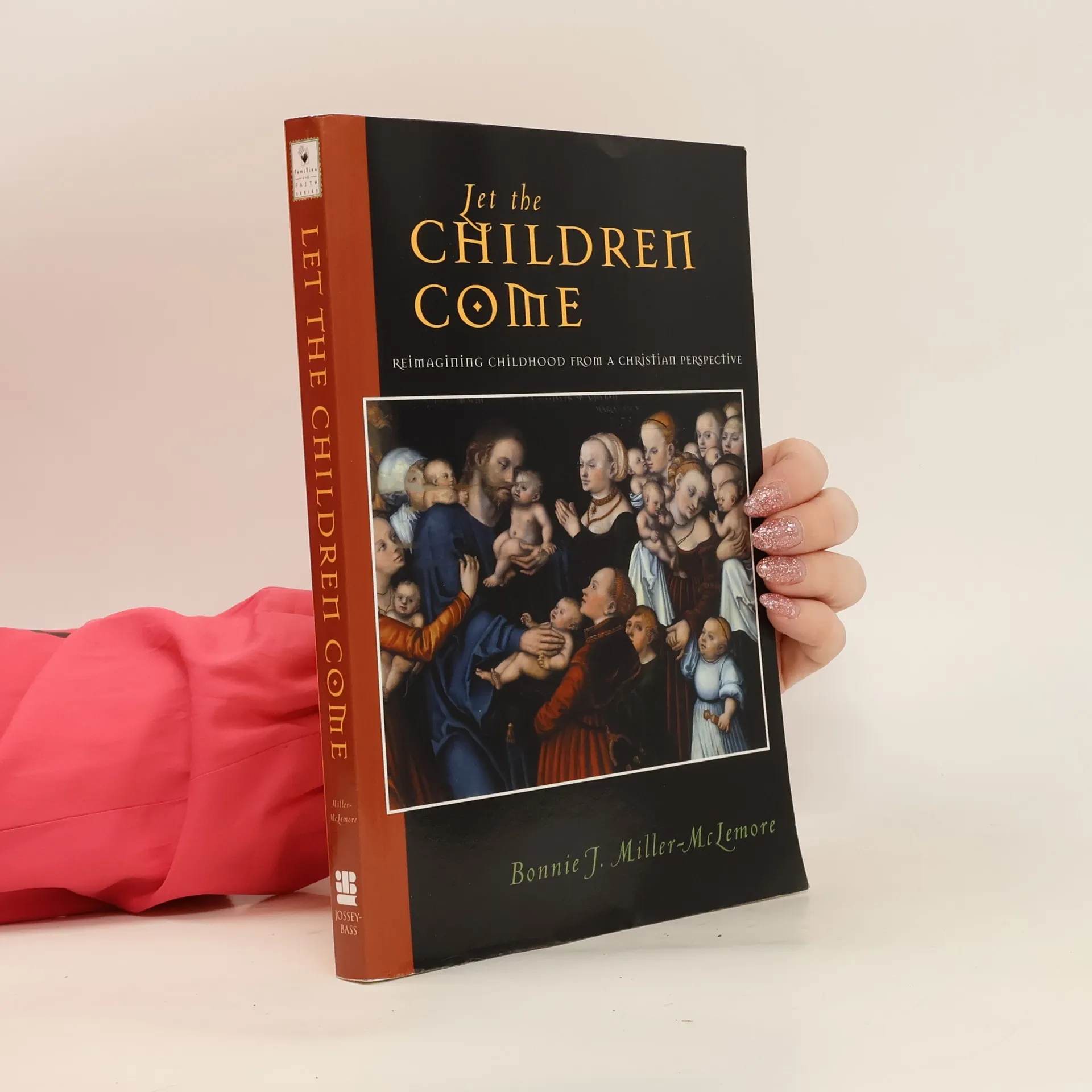
Let the Children Come
- 256pagine
- 9 ore di lettura
In this important and much-needed book, theologian, author, and teacher Bonnie J. Miller-McLemore writes about the struggle to raise children with integrity and faithfulness as Christians in a complex postmodern society. Let the Children Come shows that the care of children is in itself a religious discipline and a communal practice that places demands on both congregations and society as a whole. The author calls for clearer and more defined ways in which Christians can respond to the call to nurture all children (not just their own) as manifestations of God's presence in the world. Miller-McLemore raises and investigates questions that up until now have largely been left unasked, such What are the dominant cultural perceptions of children— including religious perceptions— with which parents must grapple? How have Christians defined children and parenting, and how should they today?