



Parametri
Maggiori informazioni sul libro
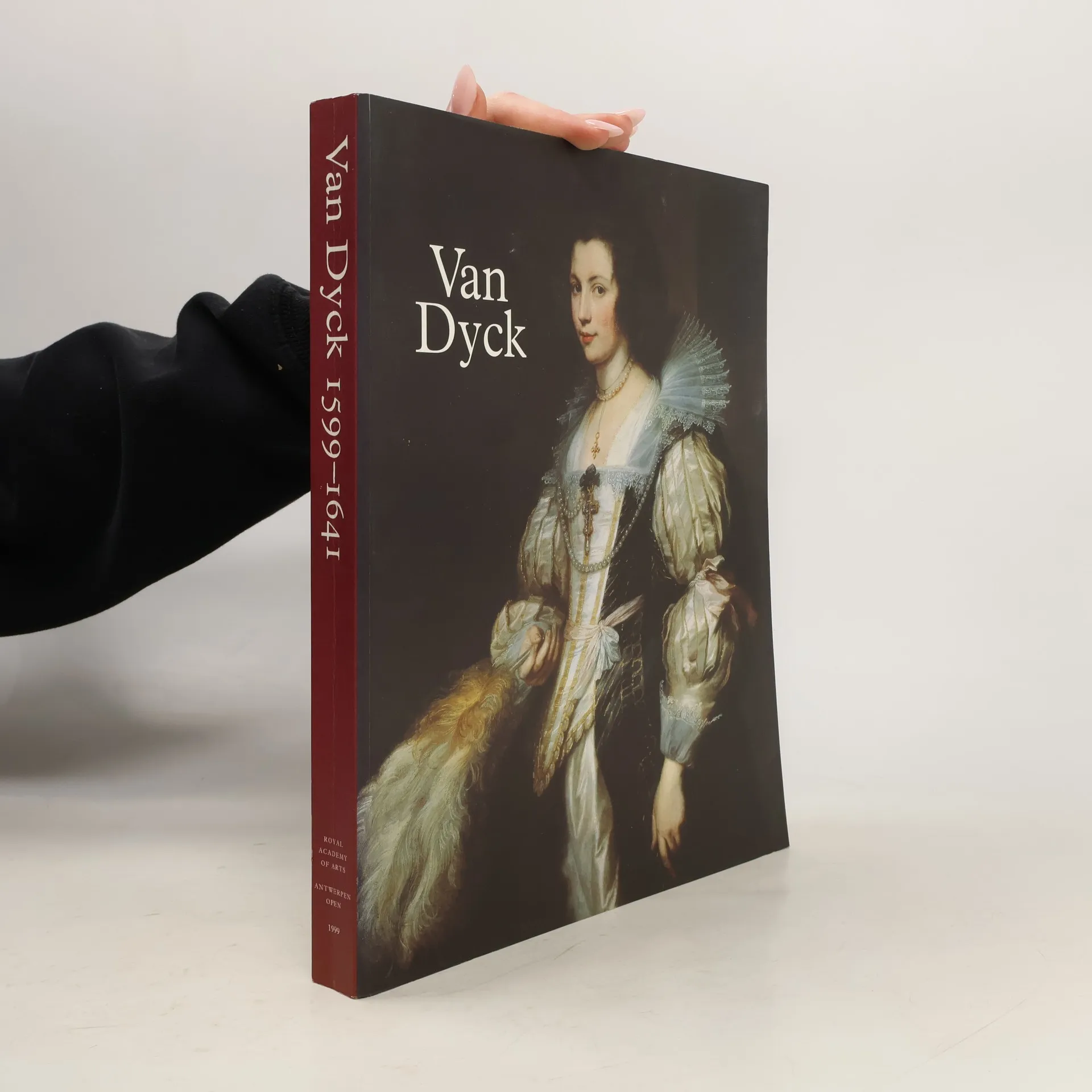
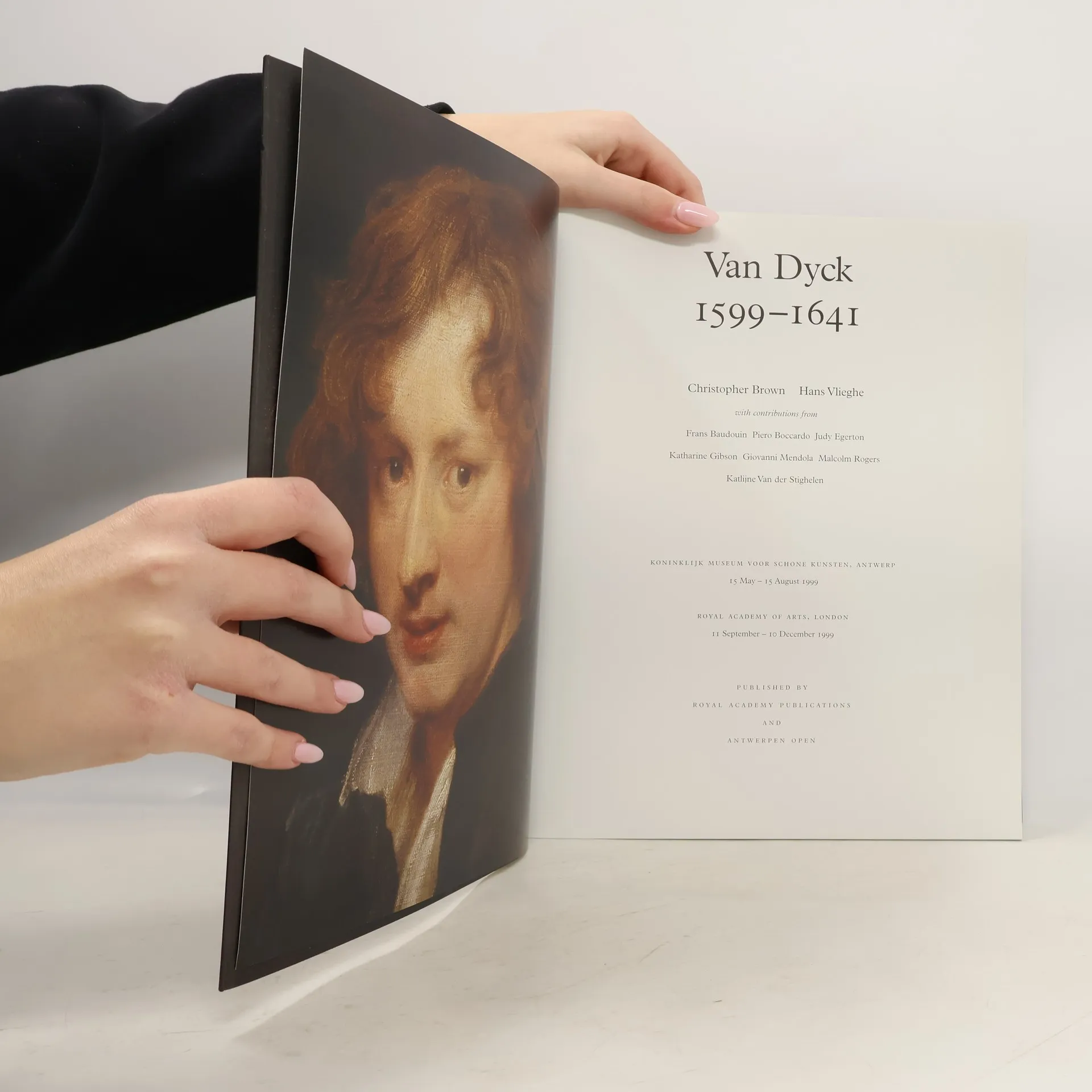
Anthonis van Dyck – celebrated across Europe for his portraits of princes, artists, and beauties, he captured them in an unparalleled, vivid, and representative manner. However, the path to fame was not easy: the book compellingly describes van Dyck's remarkable artistic emancipation from his early years in the circle of Rubens to his call to London. Van Dyck's beginnings in Antwerp were marked by the equally admired yet dominant Peter Paul Rubens. His historical paintings reflect intense engagement, as well as a struggle with his role model. It was only in Italy, under the influence of Titian and Tintoretto, that he experienced his breakthrough. Particularly, the portraits from his second period in Antwerp reveal a new orientation and the birth of a successful model through their sensitivity and material sensuality. Using the high-quality collection of the Alte Pinakothek and selected loans, the book offers a glimpse into van Dyck's work. Current research findings and detailed images allow the reader to engage with the working methods of one of the most sought-after Baroque painters.

Acquisto del libro
Van Dyck 1599-1641, Christopher Brown, Hans Vlieghe
- Lingua

- Pubblicato
- 1999
Metodi di pagamento
Qui potrebbe esserci la tua recensione.
- Titolo
- Van Dyck 1599-1641
- Lingua
- Inglese
- Autori
- Christopher Brown, Hans Vlieghe
- Editore
- Royal Academy of Arts
- Pubblicato
- 1999
- Serie
- Categoria
- Tag
- Arte
- Valutazione
- 5 su 5
- Descrizione
- Anthonis van Dyck – celebrated across Europe for his portraits of princes, artists, and beauties, he captured them in an unparalleled, vivid, and representative manner. However, the path to fame was not easy: the book compellingly describes van Dyck's remarkable artistic emancipation from his early years in the circle of Rubens to his call to London. Van Dyck's beginnings in Antwerp were marked by the equally admired yet dominant Peter Paul Rubens. His historical paintings reflect intense engagement, as well as a struggle with his role model. It was only in Italy, under the influence of Titian and Tintoretto, that he experienced his breakthrough. Particularly, the portraits from his second period in Antwerp reveal a new orientation and the birth of a successful model through their sensitivity and material sensuality. Using the high-quality collection of the Alte Pinakothek and selected loans, the book offers a glimpse into van Dyck's work. Current research findings and detailed images allow the reader to engage with the working methods of one of the most sought-after Baroque painters.