

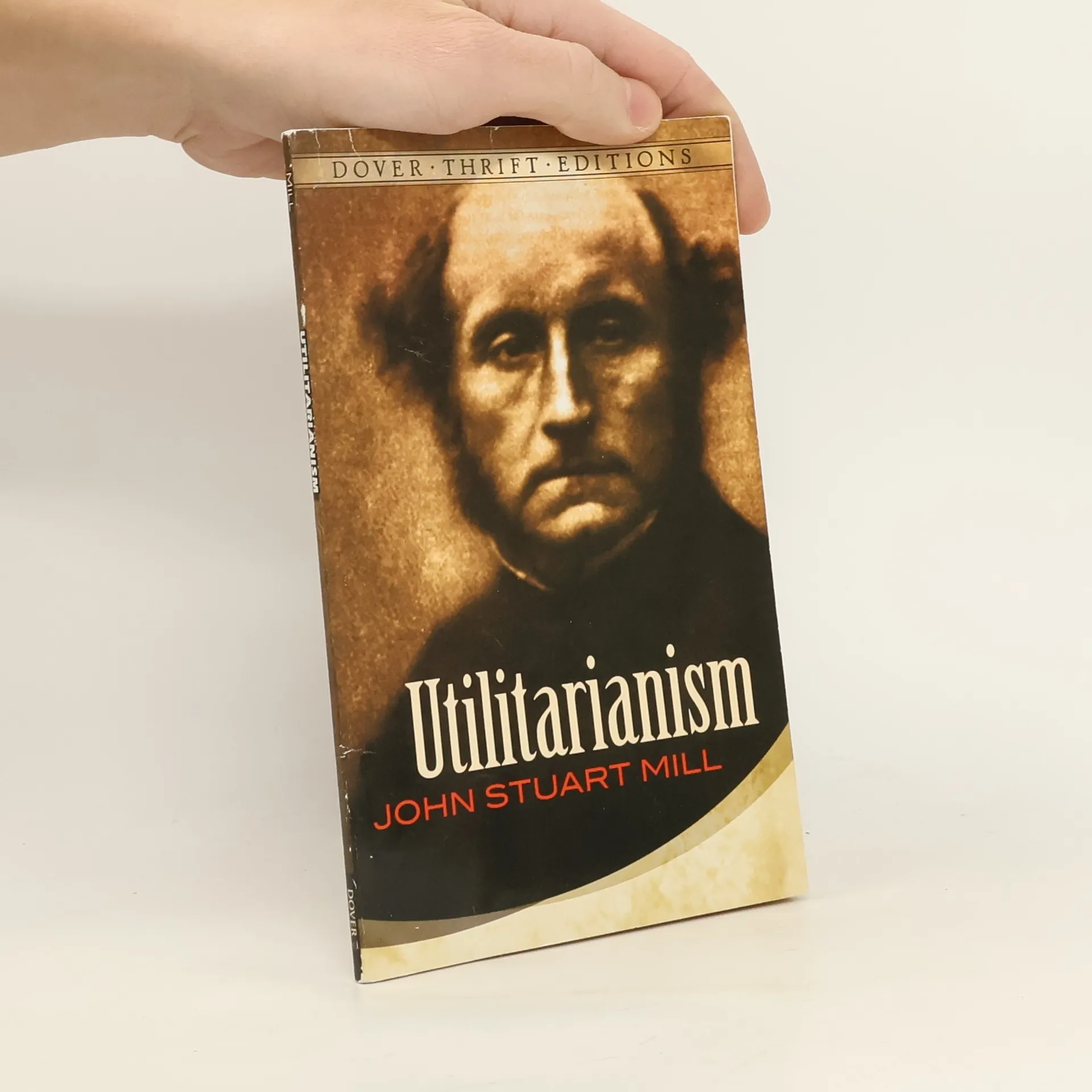
Dover Thrift Editions: Utilitarianism
Autori
Maggiori informazioni sul libro
How do we decide what is "good" and what is "bad"? According to the ethical theory of Utilitarianism, to do good is to "always perform that act, of those available, that will bring the most happiness or the least unhappiness." By far the most widely read introduction to this theory, John Stuart Mill's Utilitarianism is one of the most important and controversial works of moral philosophy ever written. In this major contribution to ethical history, Mill's treatise defends the view that all human action should produce the greatest happiness overall, and that happiness itself is made up of "higher pleasures," such as the cultural, intellectual, and spiritual, and "lower pleasures," such as the physical. The relationship of utilitarian theory to other ethical systems, and powerful arguments in its favor—especially when concerning justice—are brilliantly discussed. How do we weigh options to maximize happiness for self and for those around us? From common-day dilemmas to large-scale social decisions, this exposition remains as relevant today as it was to intellectual and moral dilemmas of the nineteenth century.
Acquisto del libro
Dover Thrift Editions: Utilitarianism, John Stuart Mill
- Lingua

- Pubblicato
- 2007
- Rilegatura
- (In brossura)
Metodi di pagamento
Ancora nessuna valutazione.
- Titolo
- Dover Thrift Editions: Utilitarianism
- Lingua
- Inglese
- Autori
- John Stuart Mill
- Editore
- Dover Publications Inc.
- Pubblicato
- 2007
- Formato
- In brossura
- Pagine
- 64
- ISBN10
- 0486454223
- ISBN13
- 9780486454221
- Serie
- Categoria
- Tag
- Descrizione
- How do we decide what is "good" and what is "bad"? According to the ethical theory of Utilitarianism, to do good is to "always perform that act, of those available, that will bring the most happiness or the least unhappiness." By far the most widely read introduction to this theory, John Stuart Mill's Utilitarianism is one of the most important and controversial works of moral philosophy ever written. In this major contribution to ethical history, Mill's treatise defends the view that all human action should produce the greatest happiness overall, and that happiness itself is made up of "higher pleasures," such as the cultural, intellectual, and spiritual, and "lower pleasures," such as the physical. The relationship of utilitarian theory to other ethical systems, and powerful arguments in its favor—especially when concerning justice—are brilliantly discussed. How do we weigh options to maximize happiness for self and for those around us? From common-day dilemmas to large-scale social decisions, this exposition remains as relevant today as it was to intellectual and moral dilemmas of the nineteenth century.