John Stuart Mill Libri
John Stuart Mill fu un influente pensatore liberale del XIX secolo, noto per il suo lavoro in filosofia ed economia politica. Fu un esponente chiave dell'utilitarismo, una teoria etica che sviluppò oltre la concezione originale di Jeremy Bentham. L'approccio di Mill all'utilitarismo si distinse per la sua enfasi sulla qualità dei piaceri e sulla libertà individuale. Le sue idee plasmarono profondamente la tradizione liberale e continuano a risuonare nel discorso etico e politico contemporaneo.



British economist and ethical theorist, John Stuart Mill (1806–73), recounts his rigorous tutelage under a domineering father, his mental health crisis at age twenty, and his struggle to regain joy amid self-reflection.
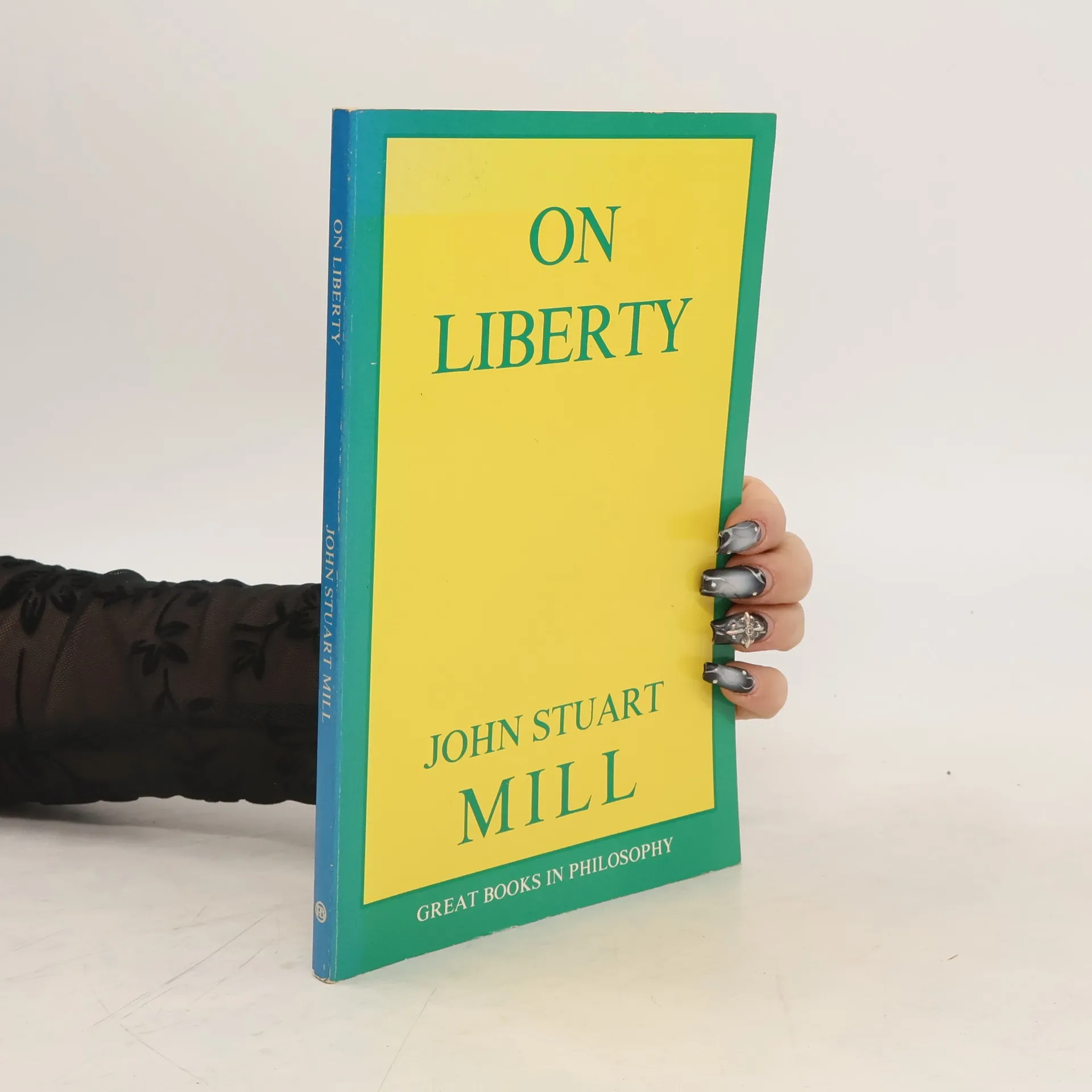
On Liberty
- 129pagine
- 5 ore di lettura
In the history of political philosophy, great minds have sought to define the nature and extent of human freedom, with justifications offered for the principles proposed. This title defends individual liberty against both social and political encroachment.
Nature/Natur
- 140pagine
- 5 ore di lettura
Der Begriff der ›Natur‹ ist so etwas wie ein Bedeutungs-Chamäleon und wird entsprechend leicht missbraucht. Mill wendet sich in seinem kurzen Essay mit Macht gegen Behauptungen, etwas sei ›natürlich‹ und deshalb schon gut (etwa die ›natürlichen Wesenseigenschaften von Mann und Frau‹ oder das ›natürliche‹ Recht). Ihn interessieren vielmehr normative Es sei die oberste Pflicht des Menschen als Individuum und als Gattung, die Natur zu moralisieren. Die Pflicht des Menschen besteht nämlich nicht darin, der äußeren oder inneren instinktiven Natur zu folgen, sondern die innere wie die äußere Natur durch Kultivierung zu verbessern – ein Ansatz, der in Zeiten bedrohter Natur und ökologischer Probleme neue Relevanz gewinnt. E-Book mit Seitenzählung der Originalpaginierung.
Socialism
- 92pagine
- 4 ore di lettura
Exploring the tension between social order and individual liberty, this influential 19th-century work by John Stuart Mill delves into political and economic ideas through the lens of social theory. It significantly shaped political discourse globally, offering a critical analysis that remains relevant in discussions of socialism and its implications for society.
On Liberty and Other Essays
- 592pagine
- 21 ore di lettura
Collected here in a single volume for the first time, On Liberty, Utilitarianism, Considerations on Representative Government, and The Subjection of Women show Mill applying his liberal utilitarian philosophy to a range of issues that remain vital today - issues of the nature of ethics, the scope and limits of individual liberty, the merits of and costs of democratic government, and the place of women in society. In his Introduction John Gray describes these essays as applications of Mill's doctrine of the Art of Life, as set out in A System of Logic. Using the resources of recent revisionist scholarship, he shows Mill's work to be far richer and subtler than traditional interpretations allow.
Principles of political economy : with some of their applications to social philosophy
- 309pagine
- 11 ore di lettura
Stephen Nathanson's clear-sighted abridgment of Principles of Political Economy, Mill's first major work in moral and political philosophy, provides a challenging, sometimes surprising account of Mill's views on many important topics: socialism, population, the status of women, the cultural bases of economic productivity, the causes and possible cures of poverty, the nature of property rights, taxation, and the legitimate functions of government. Nathanson cuts through the dated and less relevant sections of this large work and includes significant material omitted in other editions, making it possible to see the connections between the views Mill expressed in Principles of Political Economy and the ideas he defended in his later works, particularly On Liberty. Indeed, studying Principles of Political Economy, Nathanson argues in his general Introduction, can help to resolve the apparent contradiction between Mill's views in On Liberty and those in Utilitarianism, making it a key text for understanding Mill’s philosophy as a whole.
The Subjection of Women
- 148pagine
- 6 ore di lettura
John Stuart Mill, recognized for his contributions to political philosophy, ethics, and economics, also emerged as a pioneering feminist thinker. His insights and arguments advocate for women’s rights and equality, showcasing a progressive perspective for his time. This aspect of Mill's thought highlights his commitment to social justice and the importance of gender equality in the broader context of human rights and ethical considerations.
Presents two works by the political and social radical English-speaking philosopher. One is regarded as a sacred text of liberalism. The other stresses the importance of equality for the sexes. These works provide a testimony to the hopes and anxieties of mid-Victorian England, and offer a consideration of what it truly means to be free.
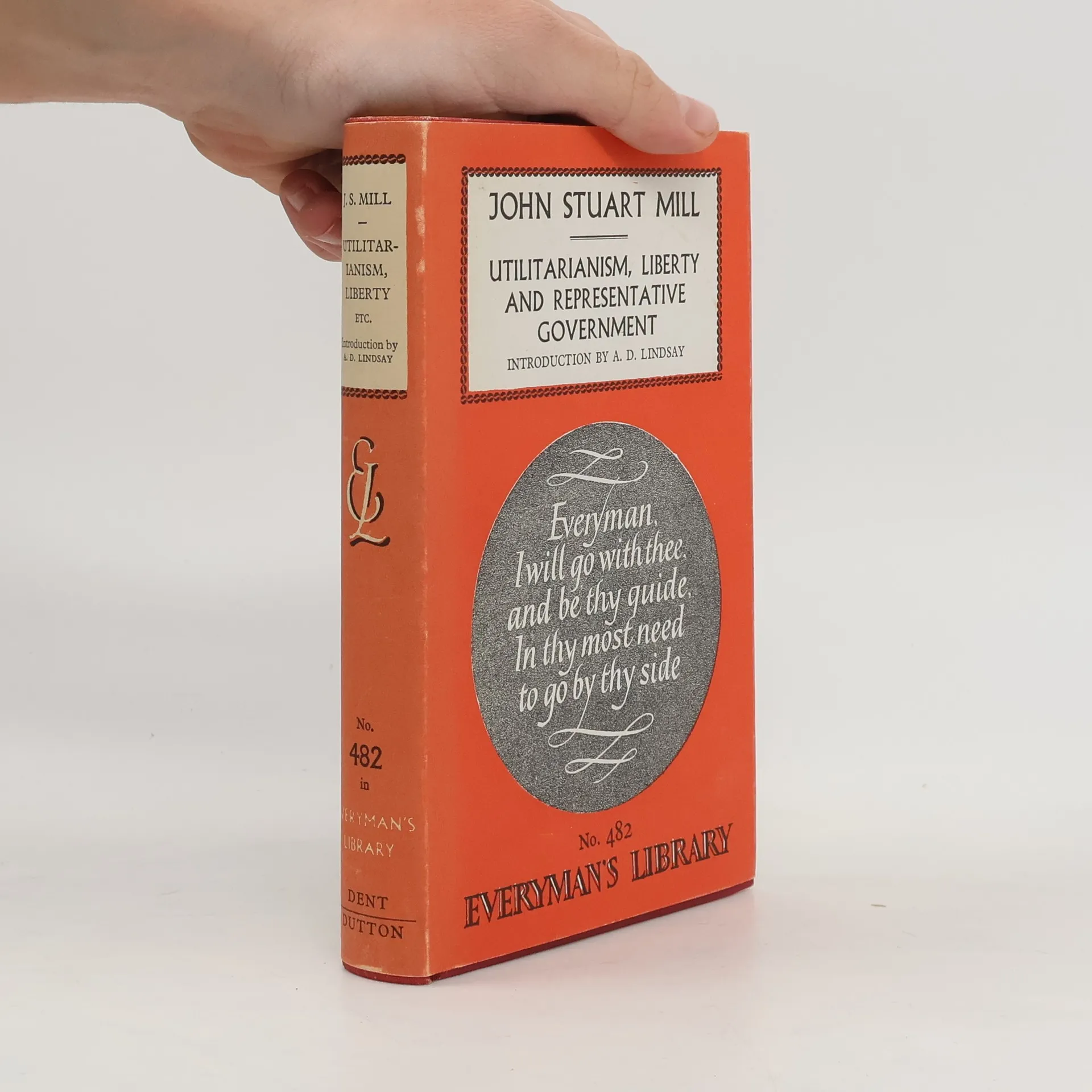
Together these two essays mark the philosophic cornerstone of democratic morality and represent a thought-provoking search for the true balance between the rights of the individual and the power of the state. Thoroughly schooled in the principles of the utilitarian movement founded by Jeremy Bentham, John Stuart Mill nevertheless brings his own unique intellectual energy to issues such as individual freedom, equality, authority, happiness, justice, and virtue. On Liberty is Mill’s famous examination of the nature of individuality and its crucial role in any social system that expects to remain creative and vital. Utilitarianism brilliantly expounds a pragmatic ethic based on one controversial proposition: actions are right only if they promote the common good and wrong if they do not. While much of Mill’s thinking was eventually adopted by socialists, it is in today’s democratic societies—with their troubling issues of crime, freedom of speech, and the boundaries of personal liberty—that his work resounds most powerfully.
Essays on Sex Equality
- 242pagine
- 9 ore di lettura
This volume brings together for the first time all the writings of John Stuart Mill & Harriet Taylor Mill on equality between the sexes, including John Stuart Mill's The Subjection of Women, a classic in the history of the women's rights movement since its publication 100 years ago. Also contained in this volume is a major interpretative essay by Alice S. Rossi on Mill & Harriet Taylor which describes and analyzes their long personal & intellectual relationship.
Considerations on Representative Government
- 192pagine
- 7 ore di lettura
Exploring the principles of democracy, John Stuart Mill examines the effectiveness of representative government in promoting individual liberty and social progress. He discusses the responsibilities of both representatives and constituents, emphasizing the importance of public participation and informed decision-making. Mill critiques various forms of governance and advocates for a system that balances majority rule with the protection of minority rights, ultimately aiming for a society that fosters both freedom and responsibility among its citizens.
Utilitarianism
- 63pagine
- 3 ore di lettura
Mill's Utilitarianism is one of the most important, controversial, and suggestive works of moral philosophy ever written. Mill defends the view that all human action should produce the greatest happiness overall, and that happiness itself is to be understood as consisting in "higher" and"lower" pleasures. This volume uses the 1871 edition of the text, the last to be published in Mill's lifetime.
Auguste Comte and Positivism
- 148pagine
- 6 ore di lettura
Exploring the philosophy of positivism, this work delves into Auguste Comte's contributions and ideas. It examines the implications of his thoughts on knowledge, science, and society, while also critiquing and expanding on Comte's theories. J. Stuart Mill presents a nuanced analysis of how positivism influences human understanding and the development of social sciences, highlighting the balance between empirical evidence and philosophical inquiry. This text serves as a significant discourse on the evolution of modern thought.
V.1. The great converstion: the substance of a liberal education; v.2. e v.3 The great ideas; v.4 . The iliad of Homero the Odyssey; v.5. Sophocles, Aeschylus, Aristophanes Euripides; v. 6. Thucydideis, Herodotus; v.7. Plato; v. 8. e v.9 Aristoteles; v. 10. Galen, Hippocrates; v. 11. Euclid, Archimedes, Apolonius, Nicomachus; v. 12.Lucretius, Epictetus,. Marcus Aurelius; v.13. Virgil; v. 14 Plutarch; v. 15 Tacitus; v. 16 Kepler, Ptolemy, Copernicus; v. 17 Plotinus; v. 18 Augustine; v. 19 e v. 20 Thomas Aquinas; v. 21 Dante; v. 22 Chaucer; v. 23 Hobbes, Machiavelli; v. 24 Rabelais; v. 25 Montaigne; v. 26 e v. 27. Shakespeare; v. 28. Gilbert, Galileo, Harvey; v. 29 Cervantes; v. 30 Francis Bacon; v. 31 Spinoza, Descartes; v. 32 Milton; v. 33 Pascal; v. 34. Huygens, Newton; v. 35 Locke, Berkeley, Hume; v. 36 Sterne, Swift; v. 37 Fielding; v. 38. Rousseau, Montesquieu; v. 39. Adam Smith; v. 40 e v.41. Gibbon; v. 42. Kant; v. 43. American State Papers; v. 44. Boswell; v. 45. Lavoisier, Fourier, Faraday; v. 46 Hegel; v. 47. Goethe; v. 48. Melville; v. 49. Darwin; v. 50. Marx; v. 51. Tolstoy; v. 52. Dostoyevsk; v. 53. William James; v. 54. Freud
Focusing on accessibility, this publication by Megali aims to enhance the reading experience for individuals with impaired vision by reproducing historical works in large print. The initiative showcases a commitment to preserving literature while ensuring it is easily readable for all audiences.
This book is a reproduction of a historical work, presented in large print to enhance accessibility for readers with impaired vision. Published by Megali, a house dedicated to making literature more inclusive, it aims to preserve and share important texts while ensuring they are easily readable for all.
The Basic Writings of John Stuart Mill
On Liberty, The Subjection of Women and Utilitarianism & Socialism
- 408pagine
- 15 ore di lettura
Political liberalism is profoundly shaped by the ideas of John Stuart Mill, whose influential works are gathered in this collection. It features "On Liberty," which explores individual freedom; "The Subjection of Women," advocating for gender equality; "Utilitarianism," examining the ethical principle of maximizing happiness; and "Socialism," discussing economic justice. Together, these texts provide foundational insights into Mill's philosophy and its impact on modern political thought.
The book is a reproduction of a historical work, published by Megali, which focuses on creating large print editions to enhance accessibility for readers with impaired vision. This initiative aims to preserve important texts while ensuring they are easily readable for those who need it.
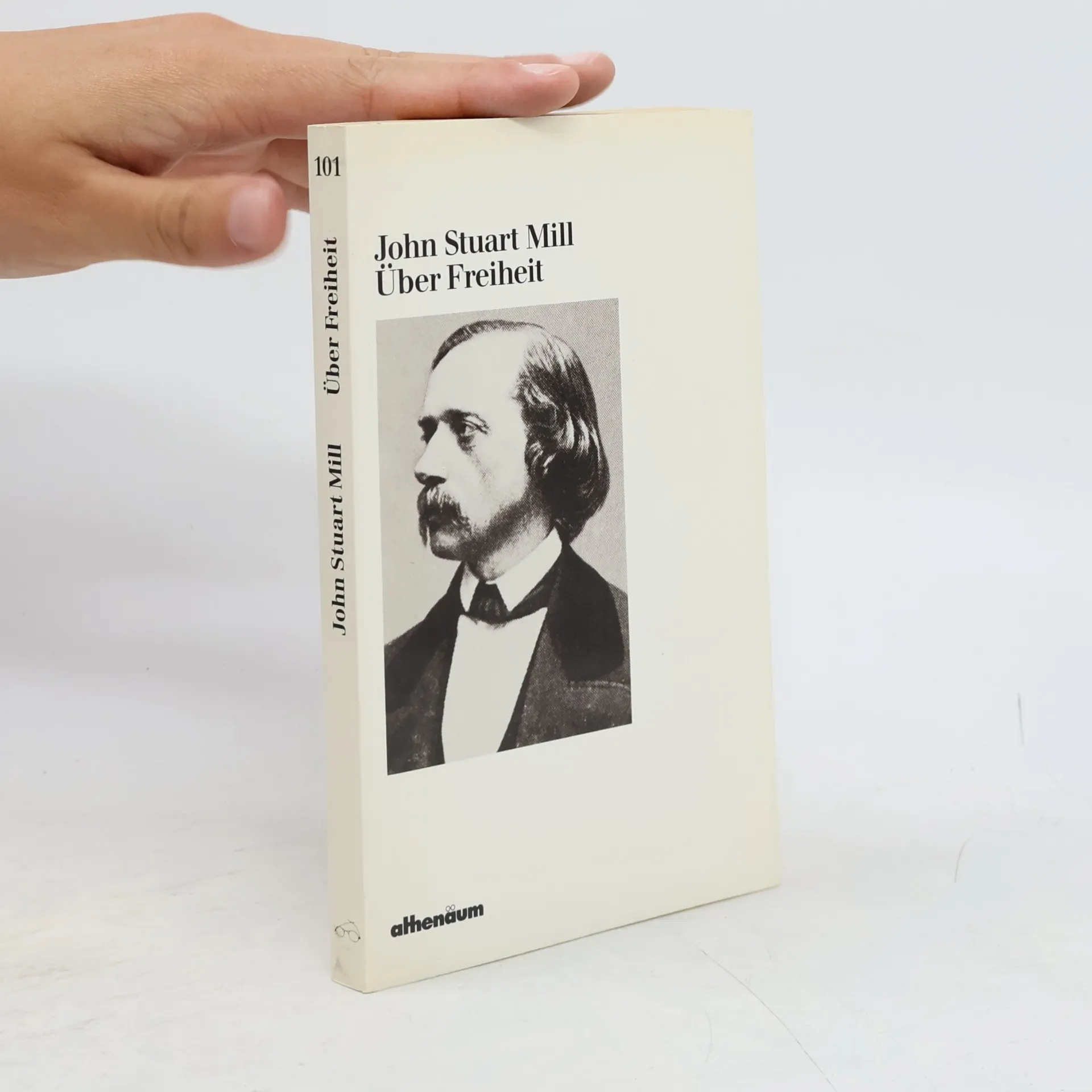
Mills Schrift über die Freiheit aus dem Jahre 1859 ist einer der großen Klassiker der politischen Philosophie und der Ethik: Mill versucht in dieser Abhandlung, die bürgerlichen bzw. individuellen Freiheiten zu rechtfertigen und vor der öffentlichen Meinung und der Tyrannei der Mehrheit zu schützen. Die zweisprachige Ausgabe erleichtert es, im Rückvergleich mit dem Original den Text so genau wie möglich zu verstehen.
Dover Thrift Editions: Utilitarianism
- 64pagine
- 3 ore di lettura
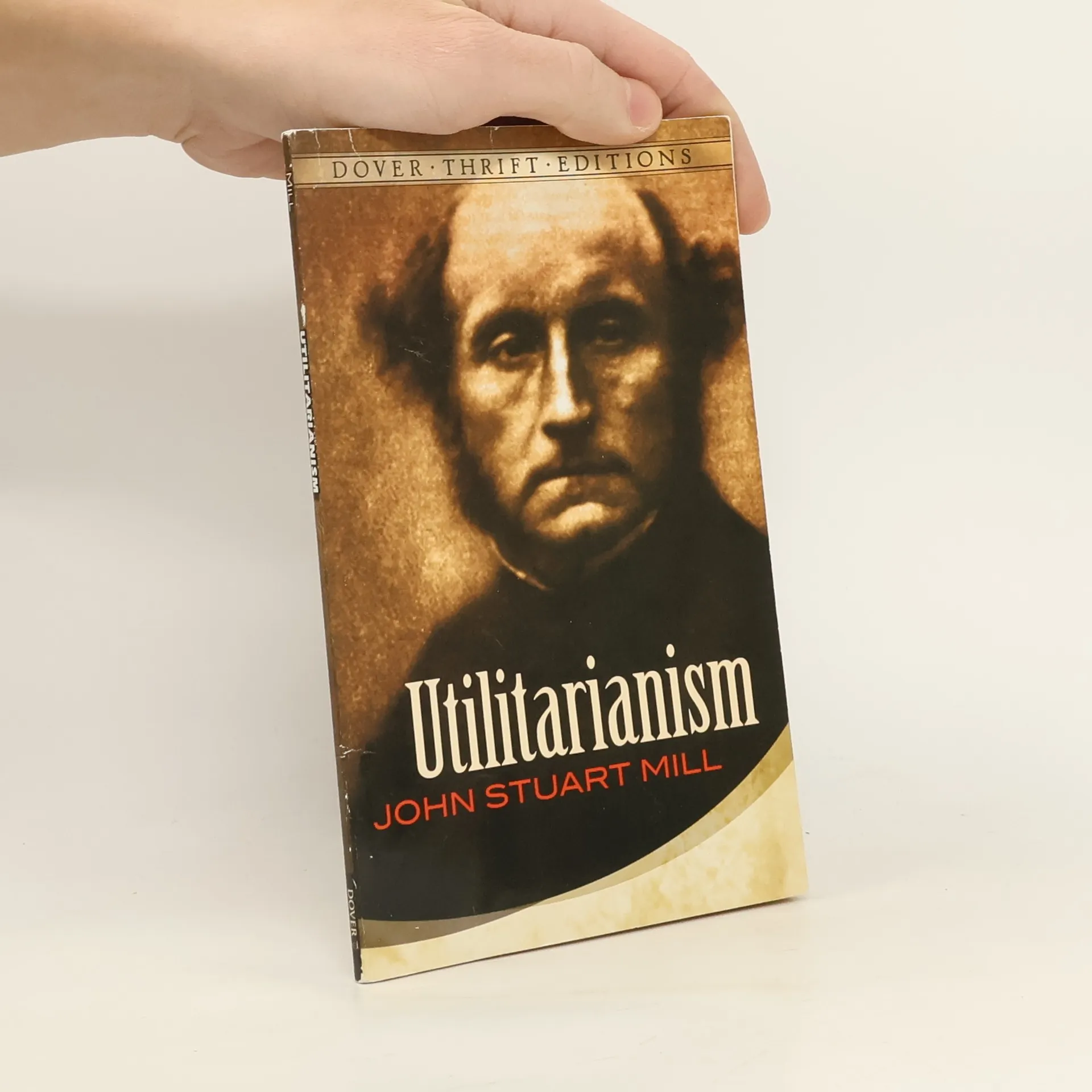
How do we decide what is "good" and what is "bad"? According to the ethical theory of Utilitarianism, to do good is to "always perform that act, of those available, that will bring the most happiness or the least unhappiness." By far the most widely read introduction to this theory, John Stuart Mill's Utilitarianism is one of the most important and controversial works of moral philosophy ever written. In this major contribution to ethical history, Mill's treatise defends the view that all human action should produce the greatest happiness overall, and that happiness itself is made up of "higher pleasures," such as the cultural, intellectual, and spiritual, and "lower pleasures," such as the physical. The relationship of utilitarian theory to other ethical systems, and powerful arguments in its favor—especially when concerning justice—are brilliantly discussed. How do we weigh options to maximize happiness for self and for those around us? From common-day dilemmas to large-scale social decisions, this exposition remains as relevant today as it was to intellectual and moral dilemmas of the nineteenth century.
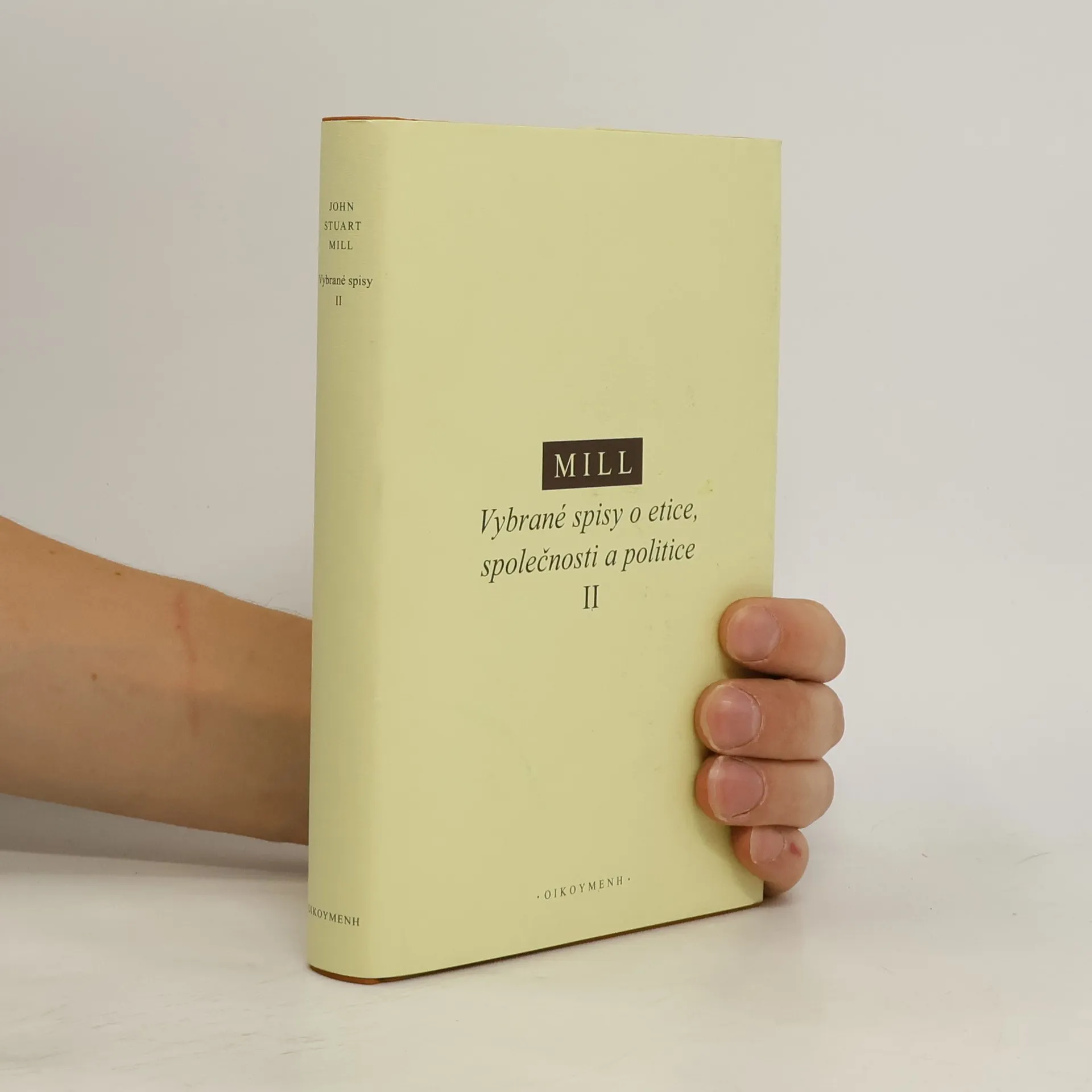
Vybrané spisy o etice, společnosti a politice II.
- 375pagine
- 14 ore di lettura
Druhý svazek výboru z Millova díla obsahuje v nových překladech Millovy klasické spisy O svobodě a Úvahy o zastupitelské vládě, věnované základním charakteristikám liberální společnosti, tedy svobodě slova a volebnímu právu.
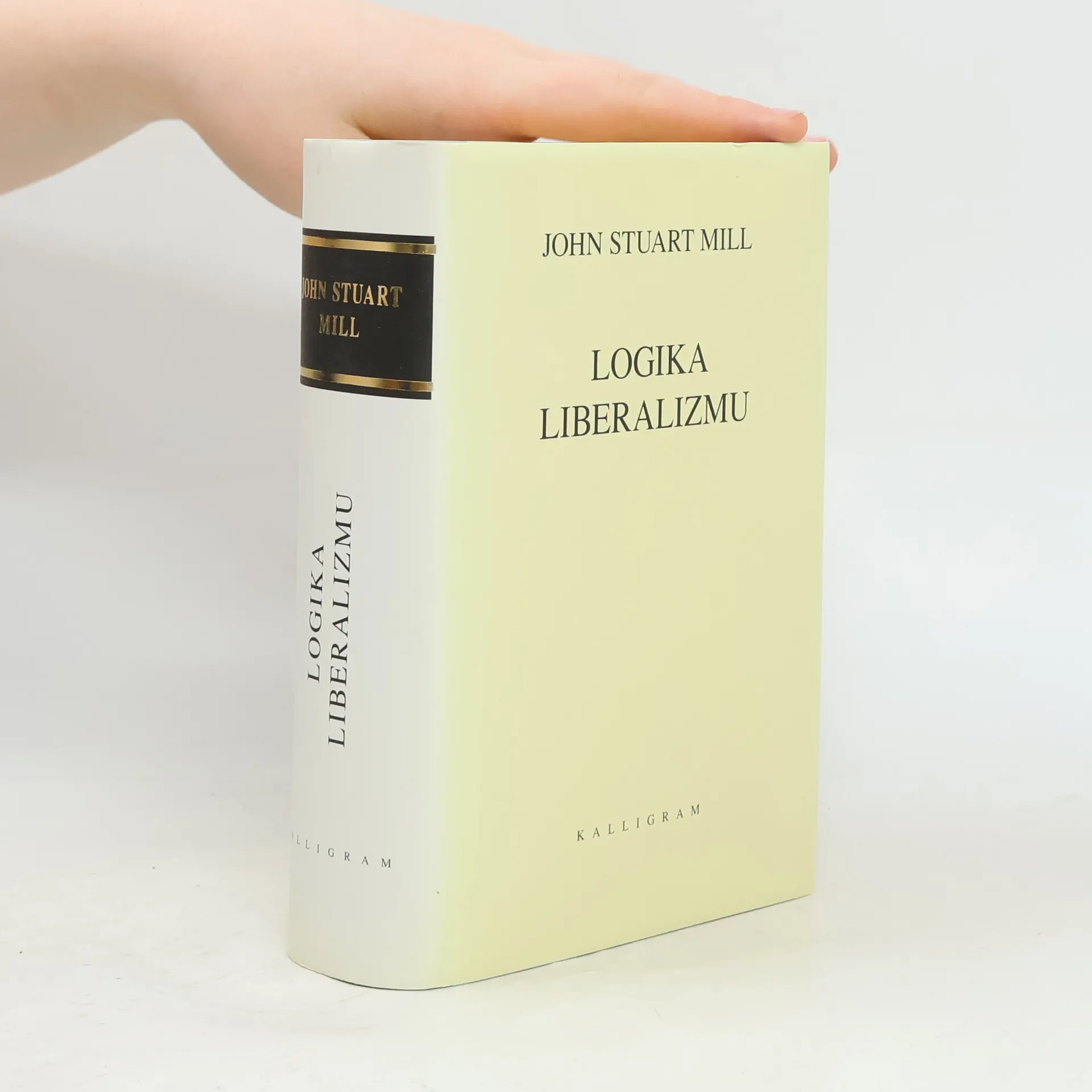
Logika liberalizmu
- 888pagine
- 32 ore di lettura
Publikácia obsahuje zásadné diela Johna Stuarta Milla (1806-1873), ktorými prispel do klasického dedičstva politickej filozofie liberalizmu. Väčšina týchto Millových prác tu vychádza v slovenskom preklade po prvýkrát. Zväzok uvádza zasvätená štúdia z pera editora a prekladateľa Emila Višňovského s názvom „Millov variant klasického liberalizmu“.
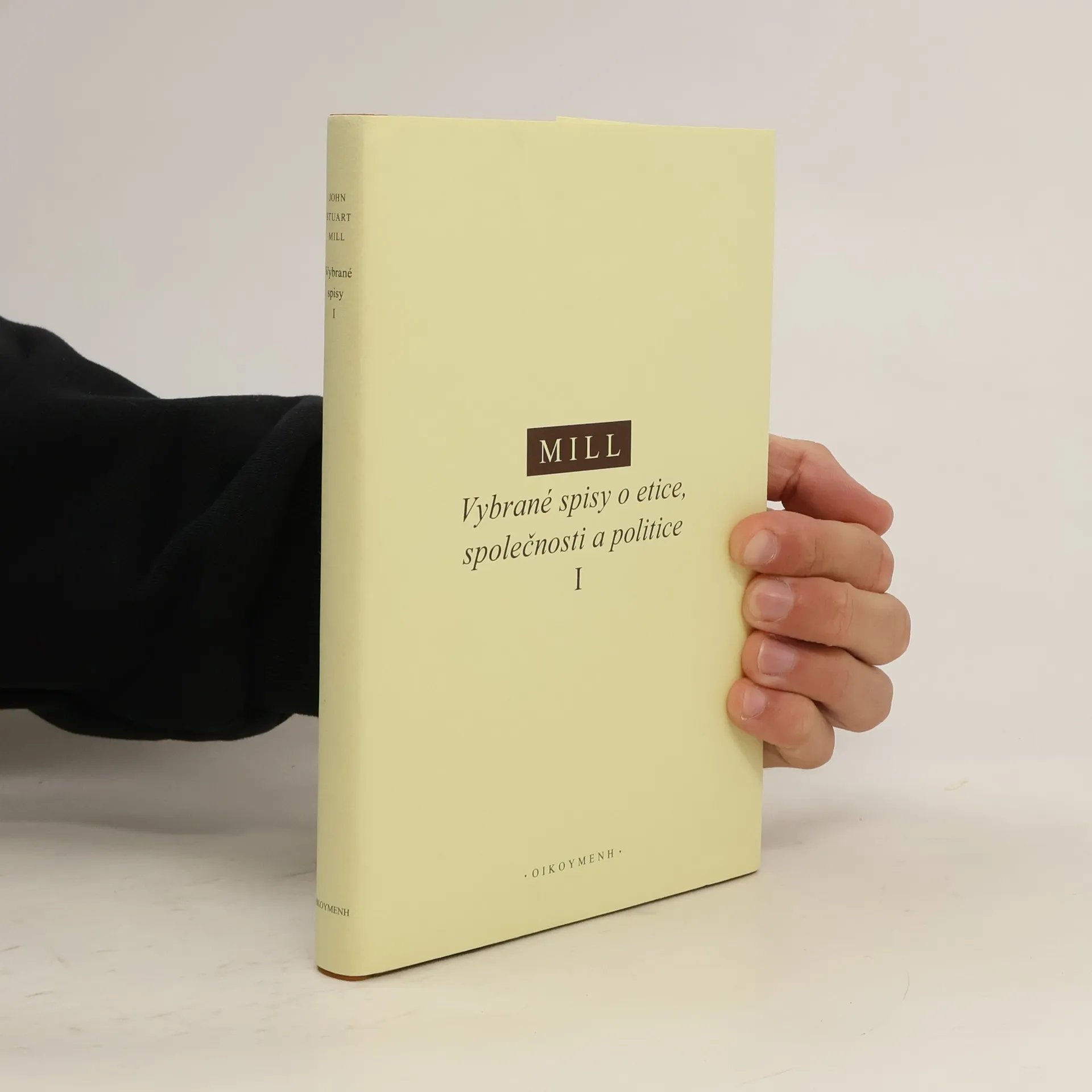
Vybrané spisy o etice, společnosti a politice I.
- 230pagine
- 9 ore di lettura
První díl rozsáhlého výboru z Millova díla představuje Milla především v kritické návaznosti na zakladatele utilitarismu Jeremyho Benthama: svazek obsahuje Millovu klasickou stať „Utilitarismus" a jeho rozsáhlé intelektuální portréty Benthama a Coleridge jakožto nejvýznamnějších reprezentantů obou proudů dobového britského myšlení, reformního a konzervativního. Dodatek svazku tvoří úvodních pět kapitol z Benthamova klasického spisu Úvod k principům morálky a zákonodárství.
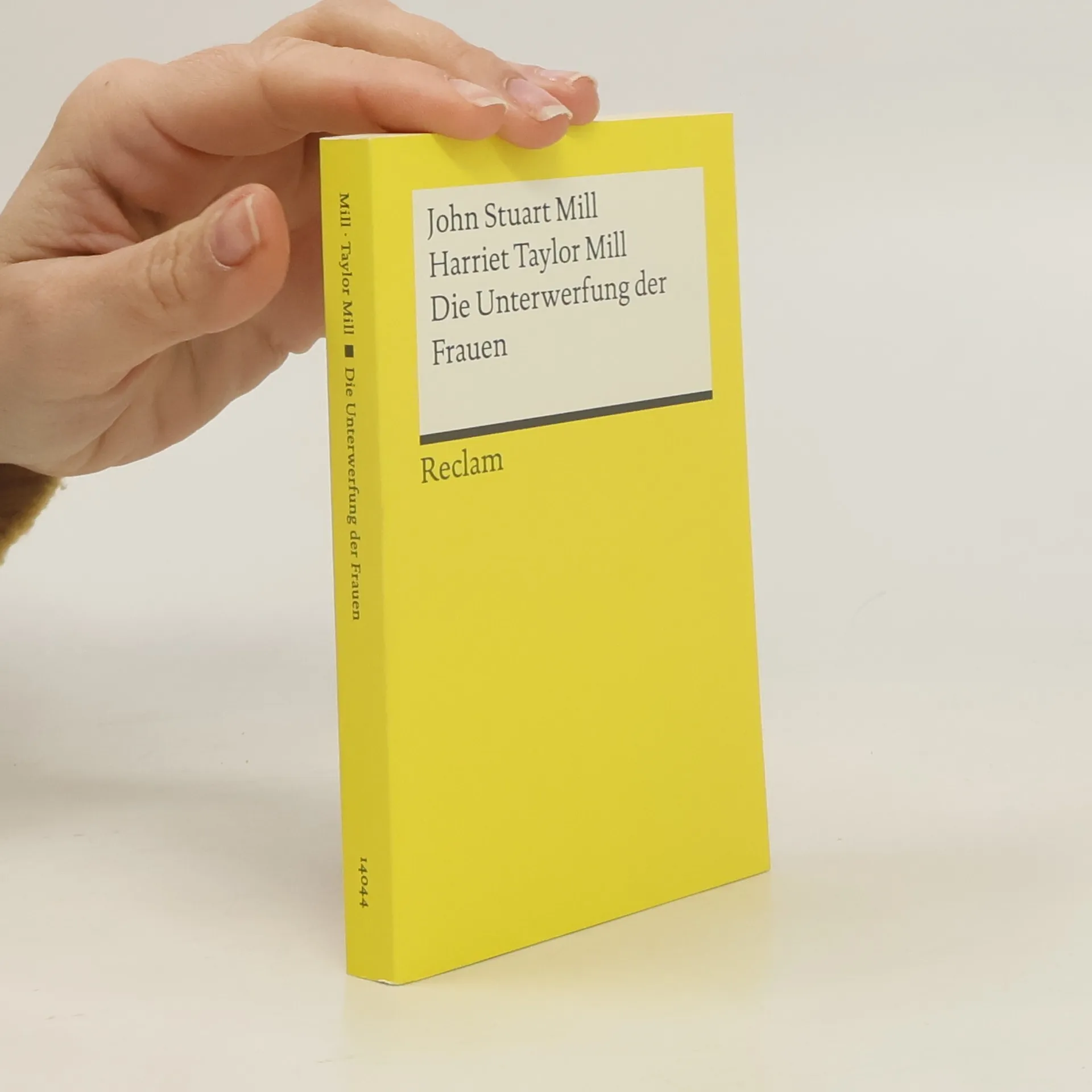
Die Unterwerfung der Frauen
Mill, John Stuart; Taylor Mill, Harriet – Lektüre zu soziologischen Theorien – 14044
Tato kniha známého anglického filozofa J. S. Milla obsahuje eseje Příroda, Užitečnost náboženství a Theismus. V Přírodě se autor táže, jaký je vztah přirozenosti (přírody) a morálky. Má mravný člověk "sledovat přírodu", je mravnost právě v jejím "sledování"? Odpověď závisí na chápání pojmu příroda. Je-li příroda soustavou všech věcí, následovat ji bude prostě proto, že člověk je součástí všech věcí. Pak vztah přírody a morálky nemá smysl. Je-li však příroda všemi věcmi beze vší lidské intervence, označuje Mill následování "přírody" za protirozumové a nemravné. Člověk má zlepšovat spontánní běh přírody. Esej Užitečnost náboženství se táže mimo jiné na následující. Je náboženství užitečné? Jak? Je užitečné i v případě, že není pravdivé? Jsou některá náboženství užitečnější než jiná? Proč? V Theismu Mill rozebírá důkazy boží existence a zabývá se slučitelností náboženských ideí a vědy.
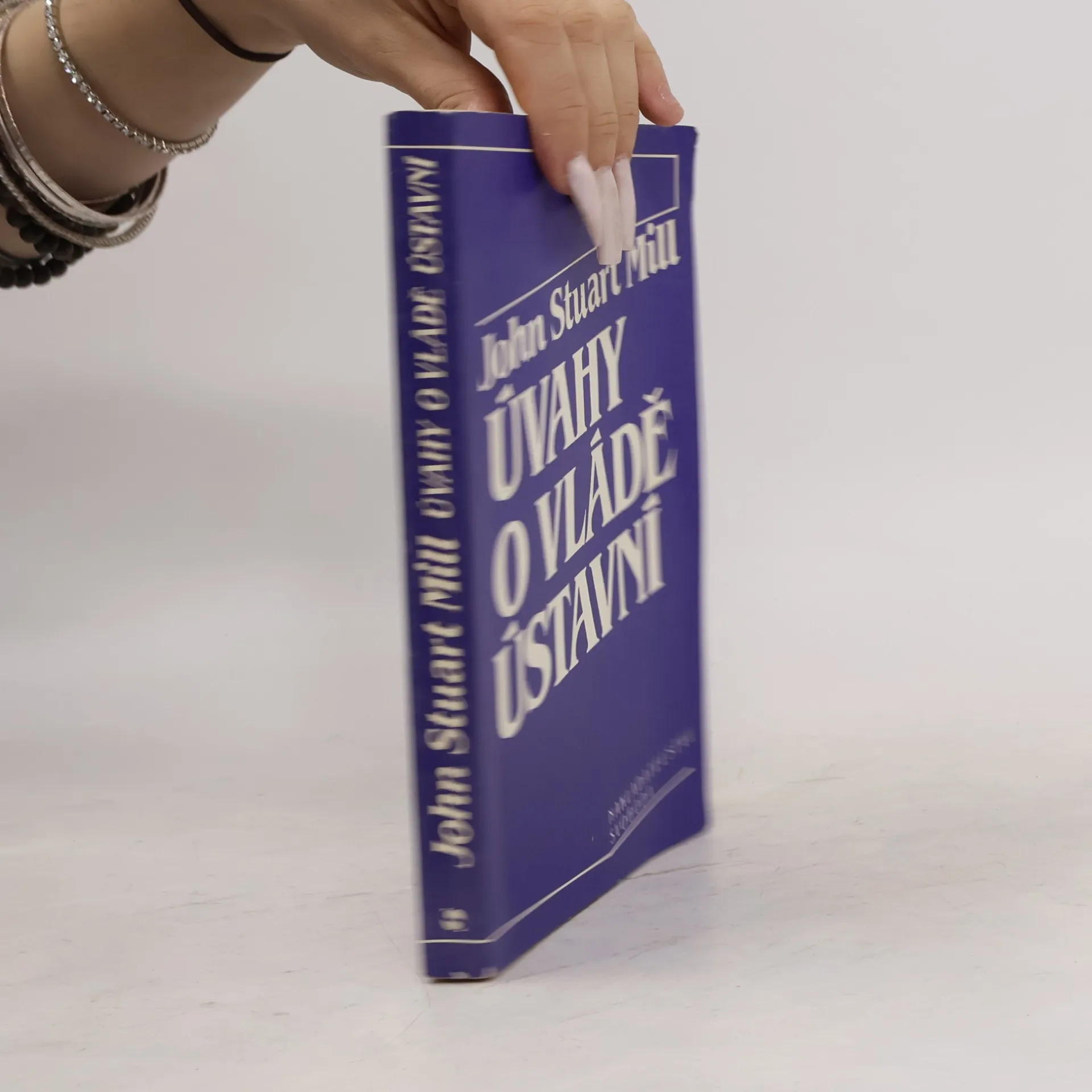
Úvahy o vládě ústavní
- 239pagine
- 9 ore di lettura
V knize Úvahy o vládě ústavní se J. S. Mill pokusil své názory využít prakticky při rozvíjení tématu dobře fungující demokratické vlády a parlamentního systému, které mají zaručovat občanům nezadatelná občanská práva a demokratické svobody.
In welcher Form ist Religion nützlich? Was tut sie für die Gesellschaft und was für das Individuum? Für Mill, einen der größten liberalen Denker des 19. Jahrhunderts, braucht Moral keine religiöse Fundierung und Motivierung, um gesellschaftlich wirken zu können.In seinem einflussreichen Essay wehrt sich Mill gegen die Verfechter von metaphysischen und unbewiesenen Glaubenslehren: Die Religion sollte ihr sinnstiftendes Potential vielmehr durch ethische und metaethische Erwägungen entfalten: eine außerordentlich moderne Sichtweise.
Über Freiheit
- 163pagine
- 6 ore di lettura
Die Hörigkeit der Frau (Großdruck)
- 164pagine
- 6 ore di lettura
In "Die Hörigkeit der Frau" analysieren John Stuart Mill und Harriet Taylor Mill die gesellschaftlichen und rechtlichen Bedingungen, die Frauen in ihrer Freiheit und Selbstbestimmung einschränken. Das Werk argumentiert für die Gleichstellung der Geschlechter und kritisiert die patriarchalen Strukturen, die Frauen als untergeordnet betrachten. Durch eine Kombination aus philosophischen Überlegungen und sozialer Analyse plädieren die Autoren für Reformen, die Frauen mehr Rechte und Chancen bieten. Ihre Ansichten sind wegweisend für die feministische Bewegung des 19. Jahrhunderts.
V knize autor varuje před nebezpečím státního dirigismu a intervencionismu, a také před plánovaným hospodářstvím. Za to si vysloužil kritiku od Karla Marxe.
Drei Essays über Religion
- 247pagine
- 9 ore di lettura
Eseje o negativním a pozitivním pojetí svobody, otázkách individuality versus společenské odpovědnosti, hranicích svobody definovaných principem ublížení a mnohé další aspekty spojené s úvahami o svobodě.
Suhrkamp Taschenbuch Wissenschaft - 2067: Betrachtungen über die Repräsentativregierung
- 336pagine
- 12 ore di lettura
Die anhaltende Diskussion um die »Krise des Parlamentarismus« zeigt, dass die normative Begründung und systematische Bestimmung von Parlamentsfunktionen und demokratischer Öffentlichkeit von entscheidender Bedeutung für die Zukunft der repräsentativen Demokratie ist. Das Problem ist aber nicht neu, wie John Stuart Mills klassischer Text zeigt. Er kreist um die Frage, wie sich die Gefahr einer »Tyrannei der Mehrheit« mit den Partizipationsanforderungen demokratischen Regierens versöhnen lässt. Mill begründet darin u. a. ein deliberatives Verständnis von Politik und erörtert die Gefahren einer bürokratischen Strangulierung politischer Freiheit. Ein Schlüsselwerk der Demokratietheorie und Parlamentarismusforschung.
Los libros que cambiaron el mundo: Sobre la libertad
El sometimiento de las mujeres
- 477pagine
- 17 ore di lettura