


Maggiori informazioni sul libro
Since its 1945 publication, Hugh MacLennan's novel has been overshadowed by the cliché "Two Solitudes," a political term that undermines its true complexity. The title, inspired by Rilke rather than a political theorist, does a disservice to the novel, which offers a nuanced exploration of Quebec's culture and politics. Set during the last days of World War I and leading into World War II, the story begins in the fictional parish of Saint-Marc-des-Érables, an insular farming community resistant to change. The central conflict arises between Athanase Tallard, who advocates for English-Canadian investment and industrial growth, and Father Beaubien, who wishes to preserve the status quo. As the narrative shifts to Montreal, it addresses the challenges faced by the next generation. While the urban sections have been criticized for being contrived, they are crucial to MacLennan's vision of a more cosmopolitan Canada, contrasting with narrow nationalism. Though not without its flaws—being at times hokey or heavy-handed—the novel remains an engaging human story and a politically aware narrative. MacLennan's portrayal of Canada, divided primarily into French-Canadian and English-Canadian identities, reflects an illusion that still influences contemporary political discourse. Ultimately, the novel serves as a sympathetic and accessible chronicle of the tensions that shaped modern Quebec.


Acquisto del libro
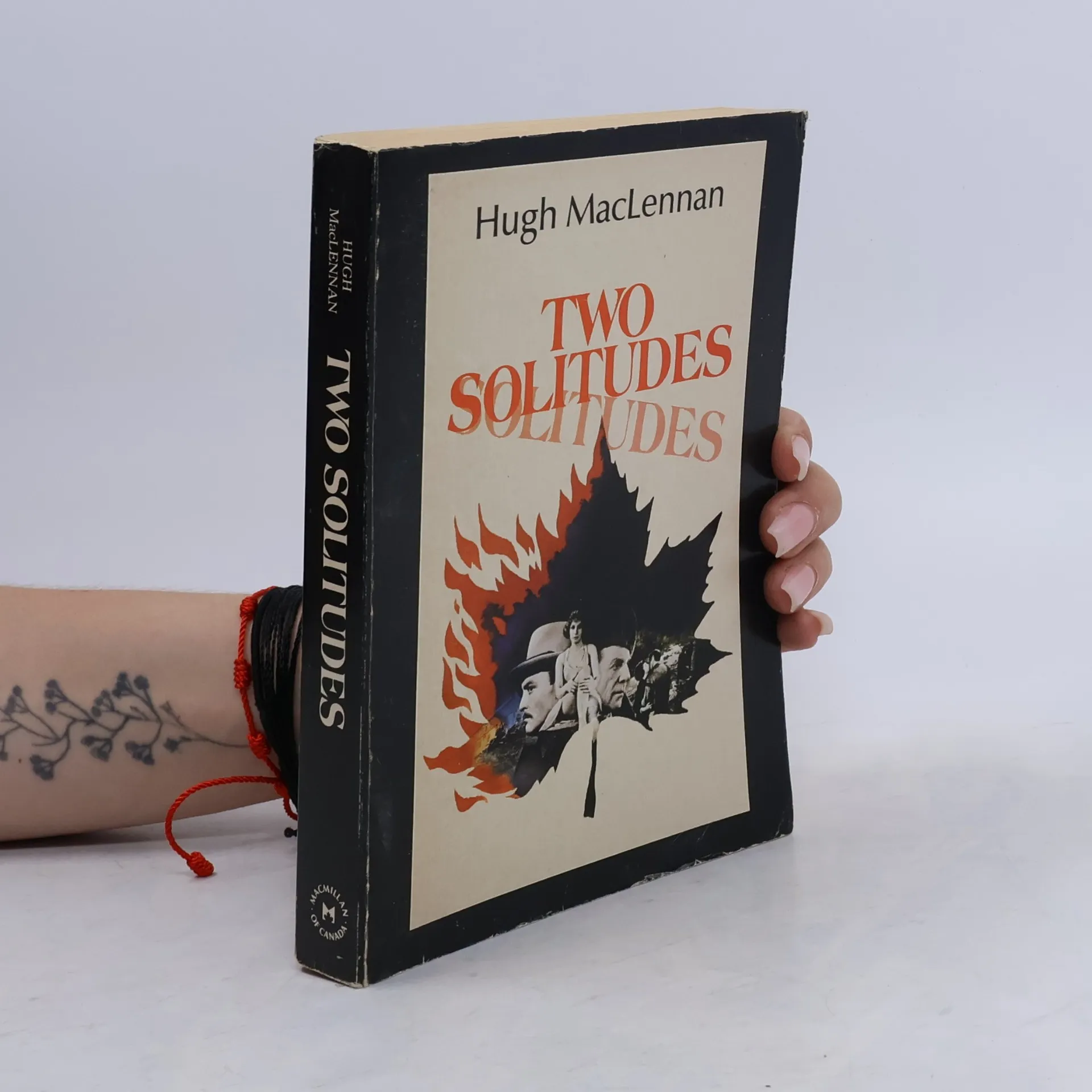
Two Solitudes, Hugh Mac Lennan
- Lingua

- Pubblicato
- 1978
- Rilegatura
- (In brossura)
Metodi di pagamento
Qui potrebbe esserci la tua recensione.
- Titolo
- Two Solitudes
- Lingua
- Inglese
- Autori
- Hugh Mac Lennan
- Editore
- Macmillan
- Pubblicato
- 1978
- Formato
- In brossura
- Pagine
- 413
- ISBN10
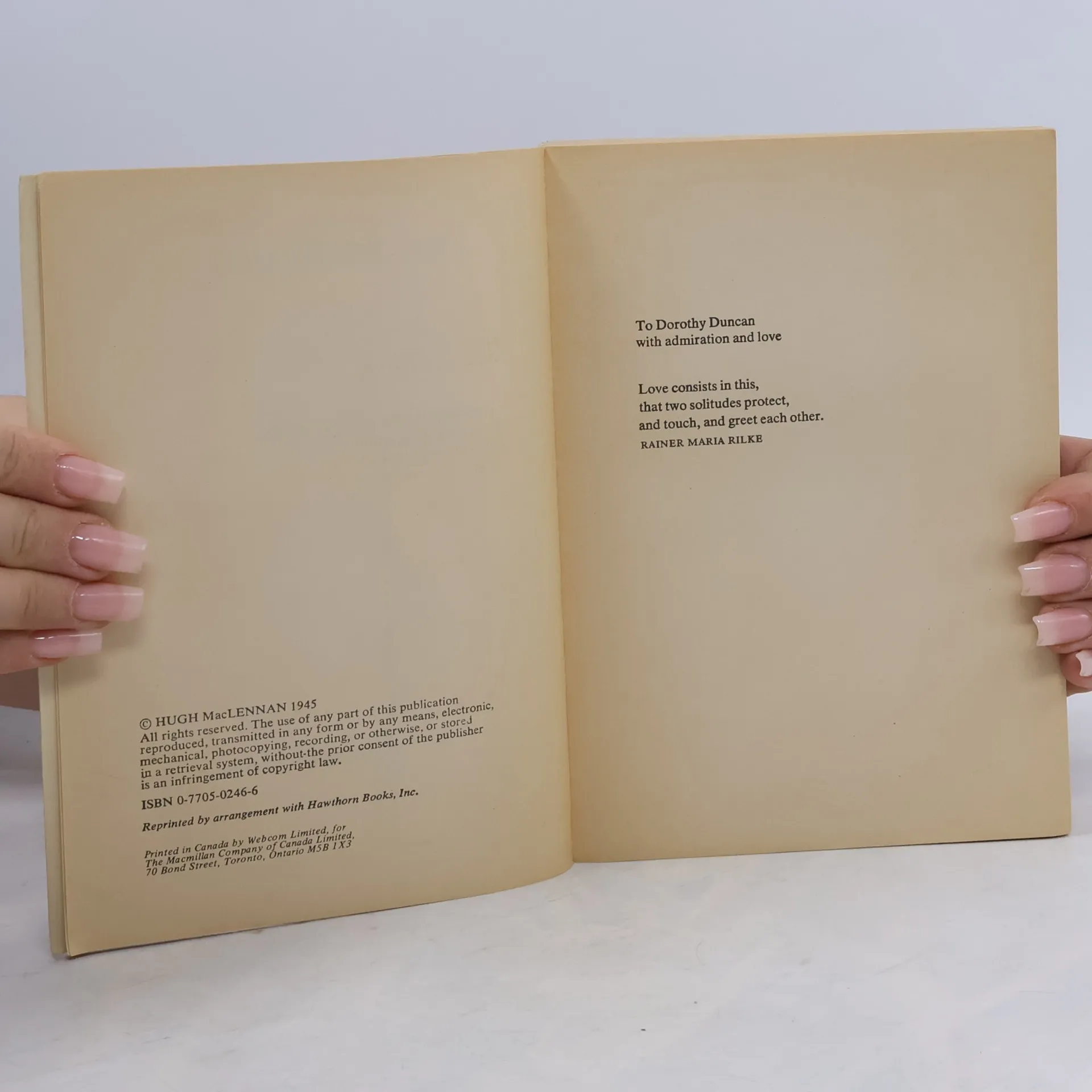
- 0770502466
- ISBN13
- 9780770502461
- Serie
- Valutazione
- 4 su 5
- Descrizione
- Since its 1945 publication, Hugh MacLennan's novel has been overshadowed by the cliché "Two Solitudes," a political term that undermines its true complexity. The title, inspired by Rilke rather than a political theorist, does a disservice to the novel, which offers a nuanced exploration of Quebec's culture and politics. Set during the last days of World War I and leading into World War II, the story begins in the fictional parish of Saint-Marc-des-Érables, an insular farming community resistant to change. The central conflict arises between Athanase Tallard, who advocates for English-Canadian investment and industrial growth, and Father Beaubien, who wishes to preserve the status quo. As the narrative shifts to Montreal, it addresses the challenges faced by the next generation. While the urban sections have been criticized for being contrived, they are crucial to MacLennan's vision of a more cosmopolitan Canada, contrasting with narrow nationalism. Though not without its flaws—being at times hokey or heavy-handed—the novel remains an engaging human story and a politically aware narrative. MacLennan's portrayal of Canada, divided primarily into French-Canadian and English-Canadian identities, reflects an illusion that still influences contemporary political discourse. Ultimately, the novel serves as a sympathetic and accessible chronicle of the tensions that shaped modern Quebec.