

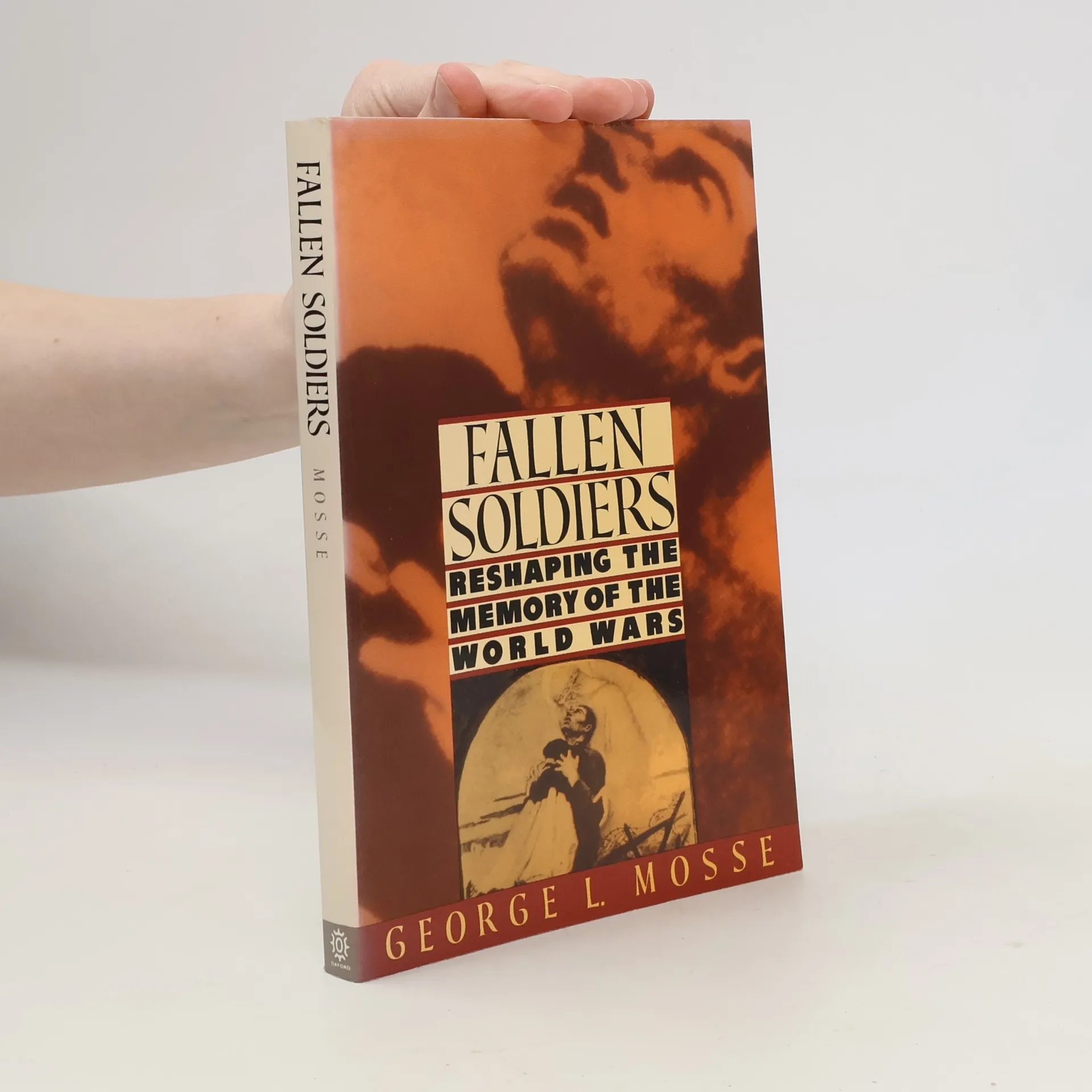
Fallen Soldiers
Reshaping the Memory of the World Wars
Autori
Parametri
- 272pagine
- 10 ore di lettura
Maggiori informazioni sul libro
At the outbreak of the First World War, a generation of young men rushed into battle, believing in a glorious cause that ultimately claimed around 13 million soldiers' lives—more than twice the total from all major wars between 1790 and 1914. Despite this staggering toll, memories of the war often centered not on the grim realities of trench warfare, but on its sacredness and the martyrdom of those who died for their country. This pioneering work by historian George L. Mosse delves into the Myth of the War Experience—a vision that obscures the horror of war, sanctifies its memory, and justifies its purpose. Tracing the origins of this myth from the Napoleonic wars, Mosse explores how war volunteers helped create and sustain it. During World War I, the myth gained significant traction as Europeans faced unprecedented mass death, leading to a national obsession with finding a higher meaning in the conflict. Focusing on Germany, with references to England, France, and Italy, he illustrates how nations glorified war through memorials and military cemeteries, portraying the dead as martyrs. Additionally, Mosse discusses how the war's image was softened through trivialization, with war toys and postcards altering public perception. Although the Great War ended in 1918, the myth persisted, influencing the militant nationalism of the Nazi party and ultimately contributing to World War II. Mosse's exploration of the postwar years revea

Acquisto del libro
Fallen Soldiers, George L. Mosse
- Lingua

- Pubblicato
- 1990
- Rilegatura
- (In brossura)
Metodi di pagamento
Ancora nessuna valutazione.
- Titolo
- Fallen Soldiers
- Sottotitolo
- Reshaping the Memory of the World Wars
- Lingua
- Inglese
- Autori
- George L. Mosse
- Editore
- Oxford University Press
- Pubblicato
- 1990
- Formato
- In brossura
- Pagine
- 272
- ISBN10
- 0195071395
- ISBN13
- 9780195071399
- Serie
- Tag
- Tema stórico, USA, Prosa di guerra, XX Secolo, Seconda guerra mondiale, Guerre, Europa, Storia d'Europa, Violenza, Prima guerra mondiale (1914–1918), Civilizzazione, Aspetti Psicologici
- Descrizione
- At the outbreak of the First World War, a generation of young men rushed into battle, believing in a glorious cause that ultimately claimed around 13 million soldiers' lives—more than twice the total from all major wars between 1790 and 1914. Despite this staggering toll, memories of the war often centered not on the grim realities of trench warfare, but on its sacredness and the martyrdom of those who died for their country. This pioneering work by historian George L. Mosse delves into the Myth of the War Experience—a vision that obscures the horror of war, sanctifies its memory, and justifies its purpose. Tracing the origins of this myth from the Napoleonic wars, Mosse explores how war volunteers helped create and sustain it. During World War I, the myth gained significant traction as Europeans faced unprecedented mass death, leading to a national obsession with finding a higher meaning in the conflict. Focusing on Germany, with references to England, France, and Italy, he illustrates how nations glorified war through memorials and military cemeteries, portraying the dead as martyrs. Additionally, Mosse discusses how the war's image was softened through trivialization, with war toys and postcards altering public perception. Although the Great War ended in 1918, the myth persisted, influencing the militant nationalism of the Nazi party and ultimately contributing to World War II. Mosse's exploration of the postwar years revea