

Maggiori informazioni sul libro
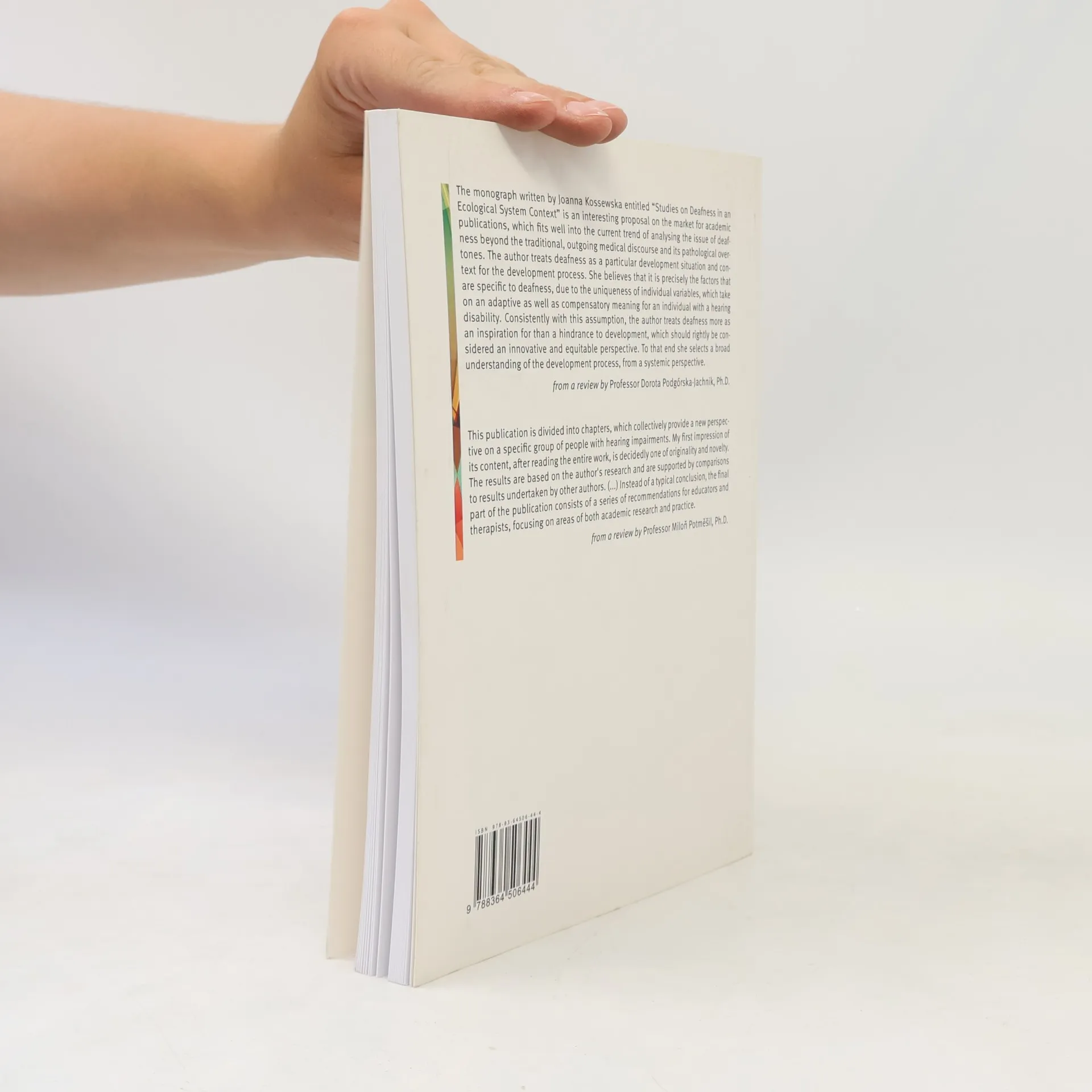
The monograph by Joanna Kossewska offers a fresh perspective on deafness, moving beyond traditional medical discourse and its pathological implications. The author views deafness as a unique developmental context, emphasizing that specific factors related to hearing disabilities can serve adaptive and compensatory roles for individuals. This innovative approach positions deafness as an inspiration for development rather than a limitation, aligning with contemporary trends in understanding disability. The work adopts a systemic view of the development process and is structured into chapters that collectively present a new lens on the experiences of people with hearing impairments. Upon reading, the content reveals a strong sense of originality and novelty, with findings grounded in the author's research and comparisons to existing literature. Instead of a conventional conclusion, the final section offers practical recommendations for educators and therapists, addressing both academic research and real-world application. Overall, this publication contributes significantly to the discourse surrounding deafness, advocating for a more equitable understanding of the developmental potential within this community.
Acquisto del libro
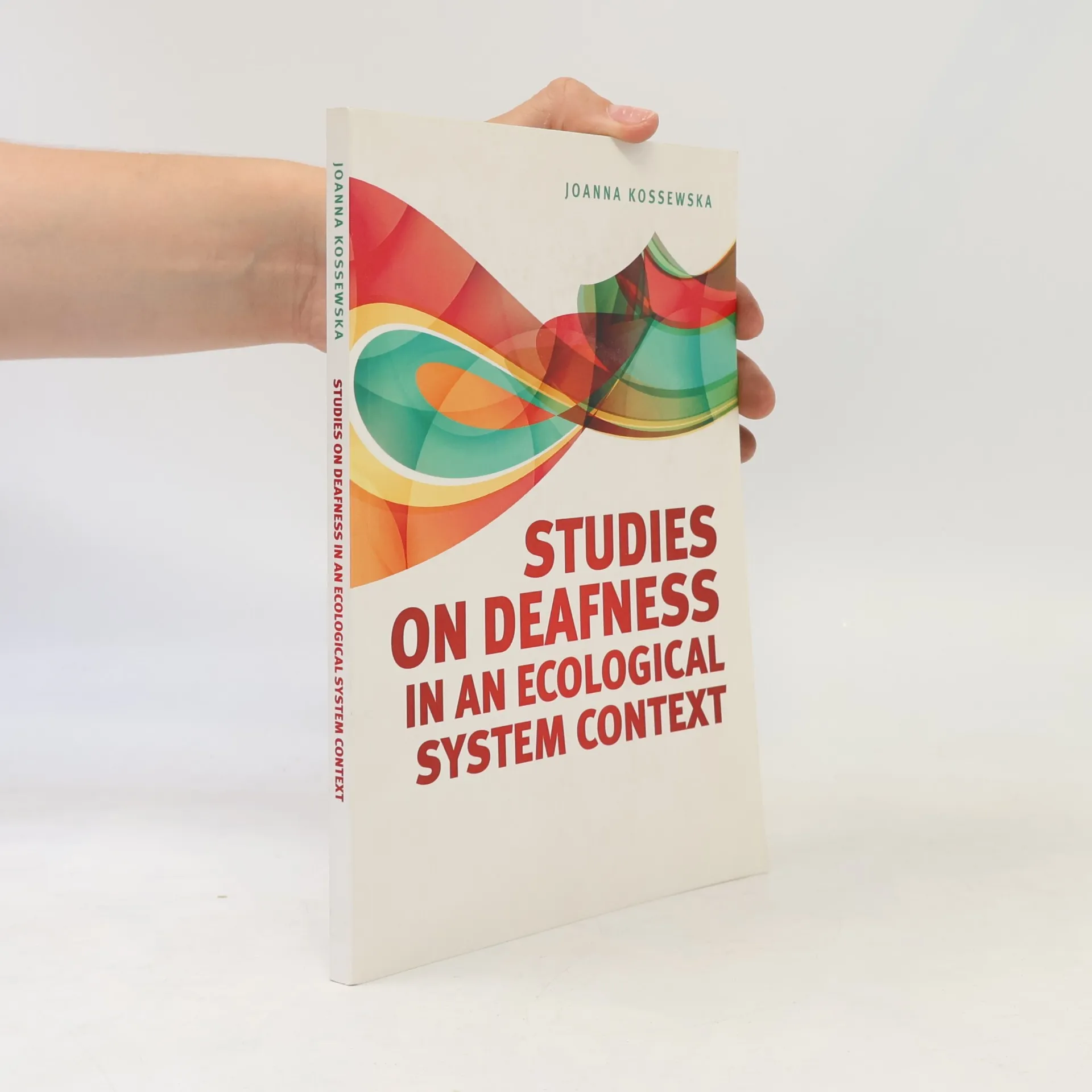
Studies On Deafness In An Ecological System Context, Joanna Kossewska
- Lingua

- Pubblicato
- Rilegatura
- (In brossura)
Metodi di pagamento
Ancora nessuna valutazione.
- Titolo
- Studies On Deafness In An Ecological System Context
- Lingua
- Inglese
- Autori
- Joanna Kossewska
- Editore
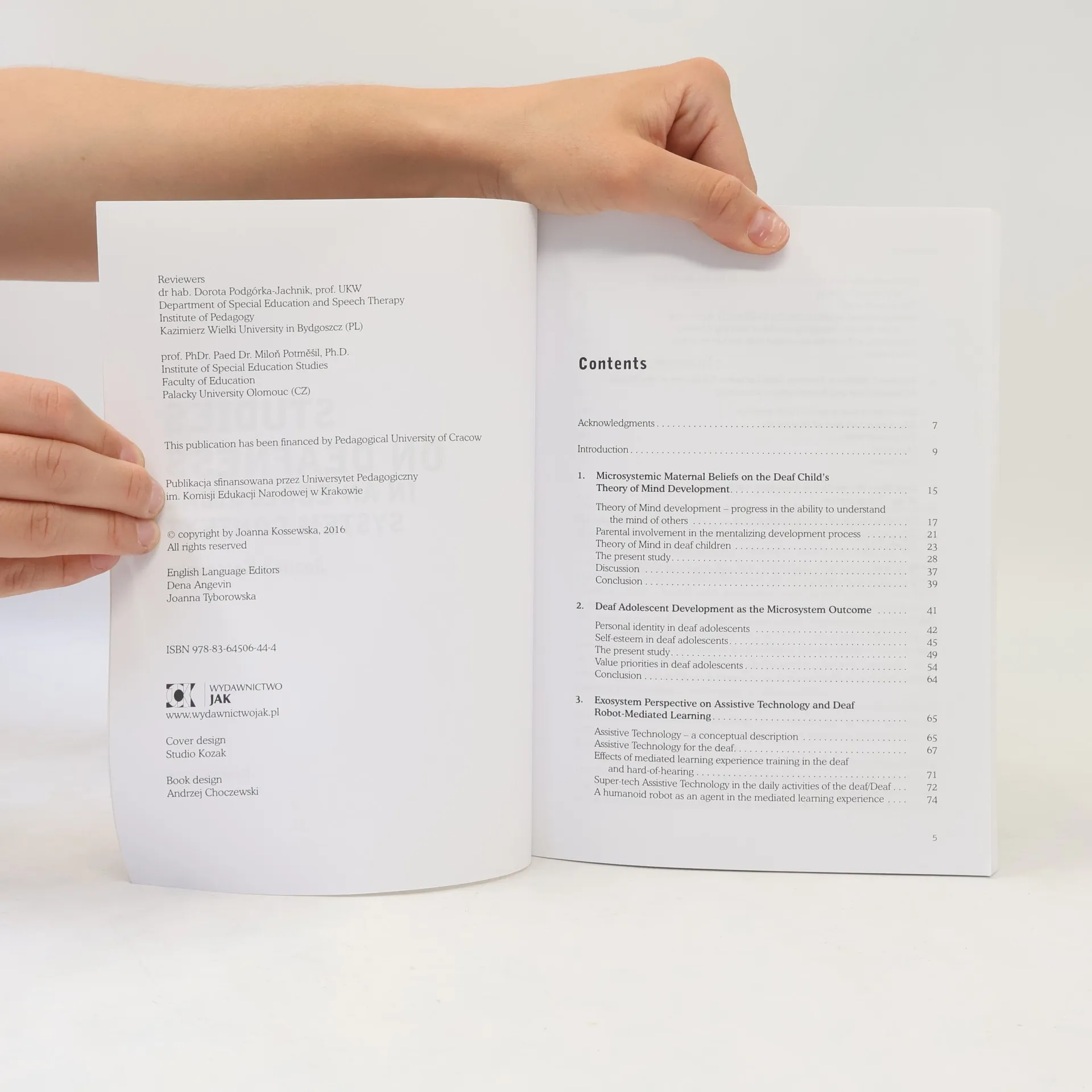
- JAK
- Formato
- In brossura
- ISBN10
- 8364506447
- ISBN13
- 9788364506444
- Serie
- Tag
- Descrizione
- The monograph by Joanna Kossewska offers a fresh perspective on deafness, moving beyond traditional medical discourse and its pathological implications. The author views deafness as a unique developmental context, emphasizing that specific factors related to hearing disabilities can serve adaptive and compensatory roles for individuals. This innovative approach positions deafness as an inspiration for development rather than a limitation, aligning with contemporary trends in understanding disability. The work adopts a systemic view of the development process and is structured into chapters that collectively present a new lens on the experiences of people with hearing impairments. Upon reading, the content reveals a strong sense of originality and novelty, with findings grounded in the author's research and comparisons to existing literature. Instead of a conventional conclusion, the final section offers practical recommendations for educators and therapists, addressing both academic research and real-world application. Overall, this publication contributes significantly to the discourse surrounding deafness, advocating for a more equitable understanding of the developmental potential within this community.