



Parametri
- 900pagine
- 32 ore di lettura
Maggiori informazioni sul libro
The history of mining is marked by controversy, particularly regarding environmental damage and community backlash. In recent decades, there has been growing pressure to enhance the environmental and social performance of mining, especially in developing countries. The industry has responded by adopting corporate social responsibility principles. This book explores a variety of social and environmental issues related to mining, focusing on developing countries through numerous project examples and case studies. It begins with an overview of key concerns and illustrates how environmental impact assessment, as outlined in "The Equator Principles," integrates with the mining lifecycle, aiming to mitigate negative impacts while enhancing positive ones. The text addresses a broad spectrum of environmental and social issues, offering practical strategies for managing challenges such as land acquisition, resettlement, and indigenous rights, as well as technical issues like acid rock drainage and waste management. It also analyzes methods for sharing mining benefits with host communities to ensure these advantages are sustainable. With its extensive coverage of real-life case studies, this practice-oriented book serves as a vital resource for mining operators, environmental consultants, regulators, and students, and will also appeal to environmental personnel in the oil and gas sector, given its relevance to the broader extractive ind
Acquisto del libro
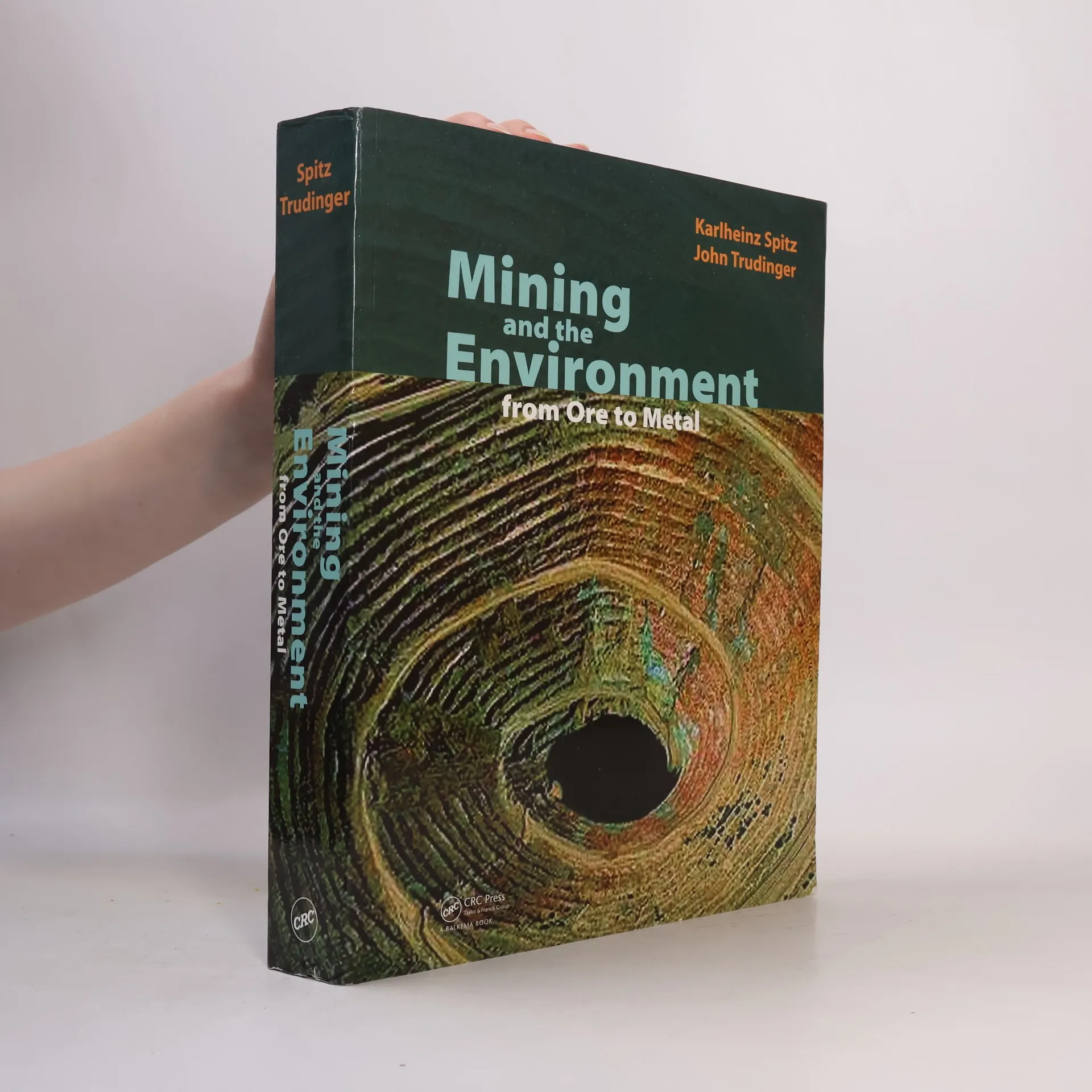
Mining and the Environment, Karlheinz Spitz, John Trudinger
- Lingua

- Pubblicato
- 2008
- Rilegatura
- (In brossura),
- Condizioni del libro
- In ottime condizioni
- Prezzo
- 31,39 €
Metodi di pagamento
Ancora nessuna valutazione.
- Titolo
- Mining and the Environment
- Sottotitolo
- From Ore to Metal
- Lingua
- Inglese
- Autori
- Karlheinz Spitz, John Trudinger
- Editore
- CRC Press
- Pubblicato
- 2008
- Formato
- In brossura
- Pagine
- 900
- ISBN10
- 0415465109
- ISBN13
- 9780415465106
- Serie
- Tag
- Descrizione
- The history of mining is marked by controversy, particularly regarding environmental damage and community backlash. In recent decades, there has been growing pressure to enhance the environmental and social performance of mining, especially in developing countries. The industry has responded by adopting corporate social responsibility principles. This book explores a variety of social and environmental issues related to mining, focusing on developing countries through numerous project examples and case studies. It begins with an overview of key concerns and illustrates how environmental impact assessment, as outlined in "The Equator Principles," integrates with the mining lifecycle, aiming to mitigate negative impacts while enhancing positive ones. The text addresses a broad spectrum of environmental and social issues, offering practical strategies for managing challenges such as land acquisition, resettlement, and indigenous rights, as well as technical issues like acid rock drainage and waste management. It also analyzes methods for sharing mining benefits with host communities to ensure these advantages are sustainable. With its extensive coverage of real-life case studies, this practice-oriented book serves as a vital resource for mining operators, environmental consultants, regulators, and students, and will also appeal to environmental personnel in the oil and gas sector, given its relevance to the broader extractive ind