Bookbot

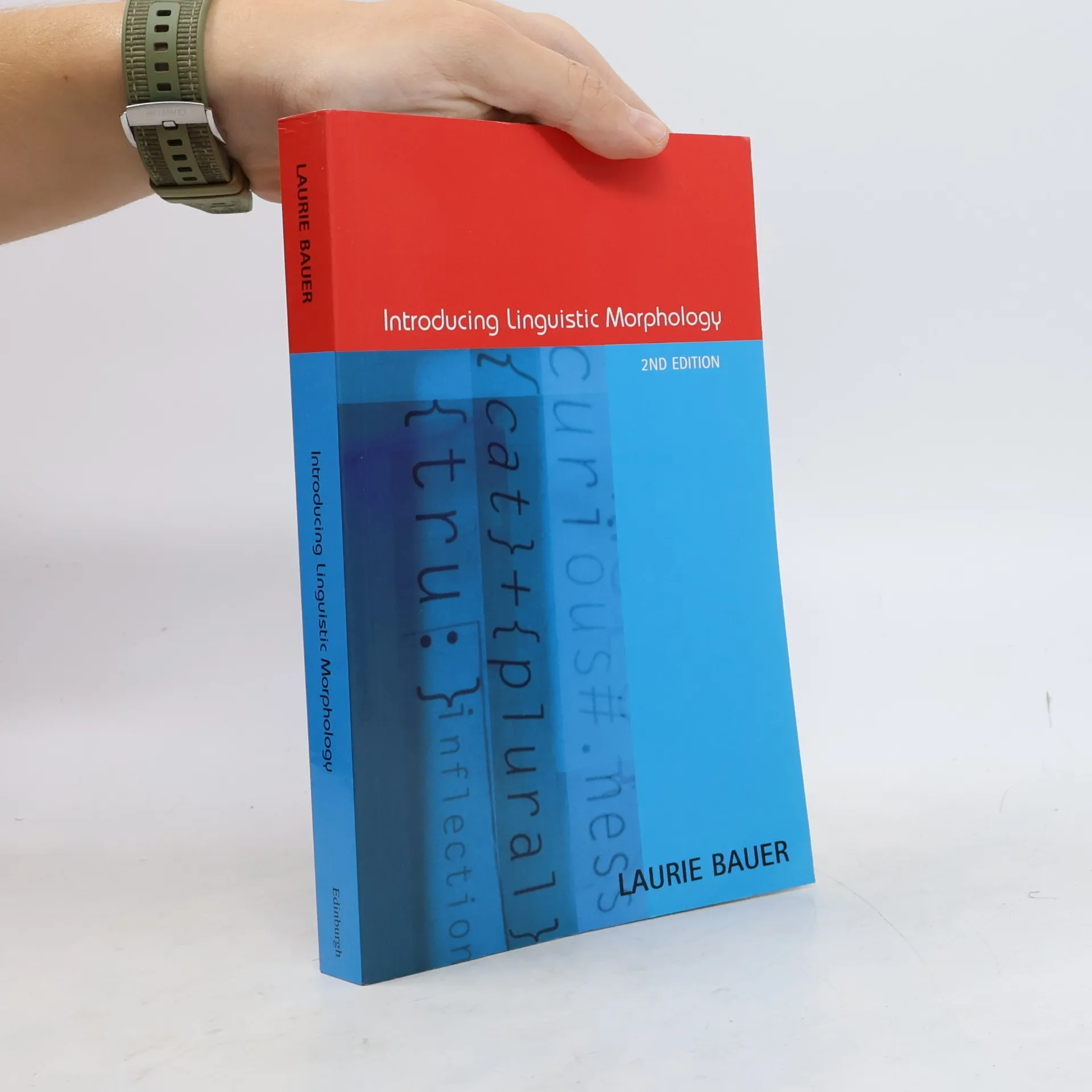
Introducing Linguistic Morphology

Parametri

  • 256pagine
  • 9 ore di lettura

Maggiori informazioni sul libro

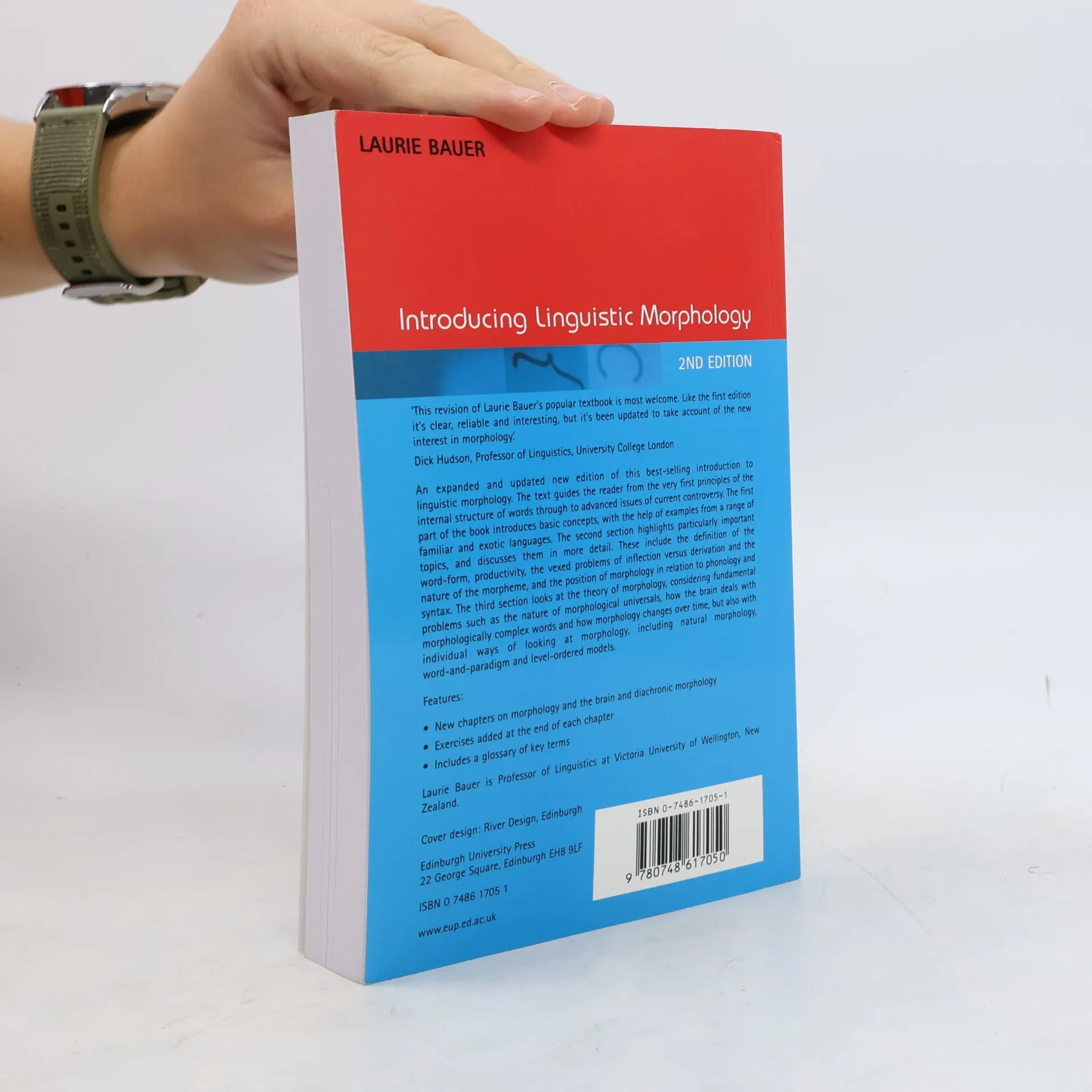
An expanded and updated new edition of this best-selling introduction to linguistic morphology. The text guides the reader from the very first principles of the internal structure of words through to advanced issues of current controversy. The first part of the book introduces basic concepts, with the help of examples from a range of familiar and exotic languages. The second section highlights particularly important topics, and discusses them in more detail. These include the definition of the word-form, productivity, the vexed problems of inflection versus derivation and the nature of the morpheme, and the position of morphology in relation to phonology and syntax. The third section looks at the theory of morphology, considering fundamental problems such as the nature of morphological universals, how the brain deals with morphologically complex words and how morphology changes over time, but also with individual ways of looking at morphology, including natural morphology, word-and-paradigm and level-ordered models.

Acquisto del libro

Introducing Linguistic Morphology, Professor Laurie Bauer

Lingua
Pubblicato
1988
product-detail.submit-box.info.binding
(In brossura)
Ti avviseremo via email non appena lo rintracceremo.

Metodi di pagamento

Titolo
Introducing Linguistic Morphology
Lingua
Inglese
Pubblicato
1988
Formato
In brossura
Pagine
256
ISBN10
0852245823
ISBN13
9780852245828
Serie
Descrizione
An expanded and updated new edition of this best-selling introduction to linguistic morphology. The text guides the reader from the very first principles of the internal structure of words through to advanced issues of current controversy. The first part of the book introduces basic concepts, with the help of examples from a range of familiar and exotic languages. The second section highlights particularly important topics, and discusses them in more detail. These include the definition of the word-form, productivity, the vexed problems of inflection versus derivation and the nature of the morpheme, and the position of morphology in relation to phonology and syntax. The third section looks at the theory of morphology, considering fundamental problems such as the nature of morphological universals, how the brain deals with morphologically complex words and how morphology changes over time, but also with individual ways of looking at morphology, including natural morphology, word-and-paradigm and level-ordered models.