





Parametri
- 224pagine
- 8 ore di lettura
Maggiori informazioni sul libro
Psychoanalysis, and its many psychotherapeutic offshoots, has been a major influence in 20th-century cultural life. Yet dynamic psychotherapy now finds itself in grave crisis as a result of the intellectual shipwreck of its founder, Sigmund Freud. Since Freud, theory has been shown to be largely without empirical basis, what is to stop the whole psychotherapeutic edifice from collapsing into the quicksands on which it is built? In this overview, Anthony Stevens describes how the major schools of psychodynamic therapy grew out of the psychology of their charismatic founders and have subsequently turned into exclusive and mutually hostile rival "sects". Stevens argues that the best hope for the future lies in research to determine the positive therapeutic ingredients that all methods have in common. This, combined with the kind of undogmatic, open-minded humanity advocated by C.G. Jung, could lead to the adoption of a new paradigm capable of transcending the differences between them - the paradigm adopted by the new breed of "evolutionary psychotherapists".
Acquisto del libro
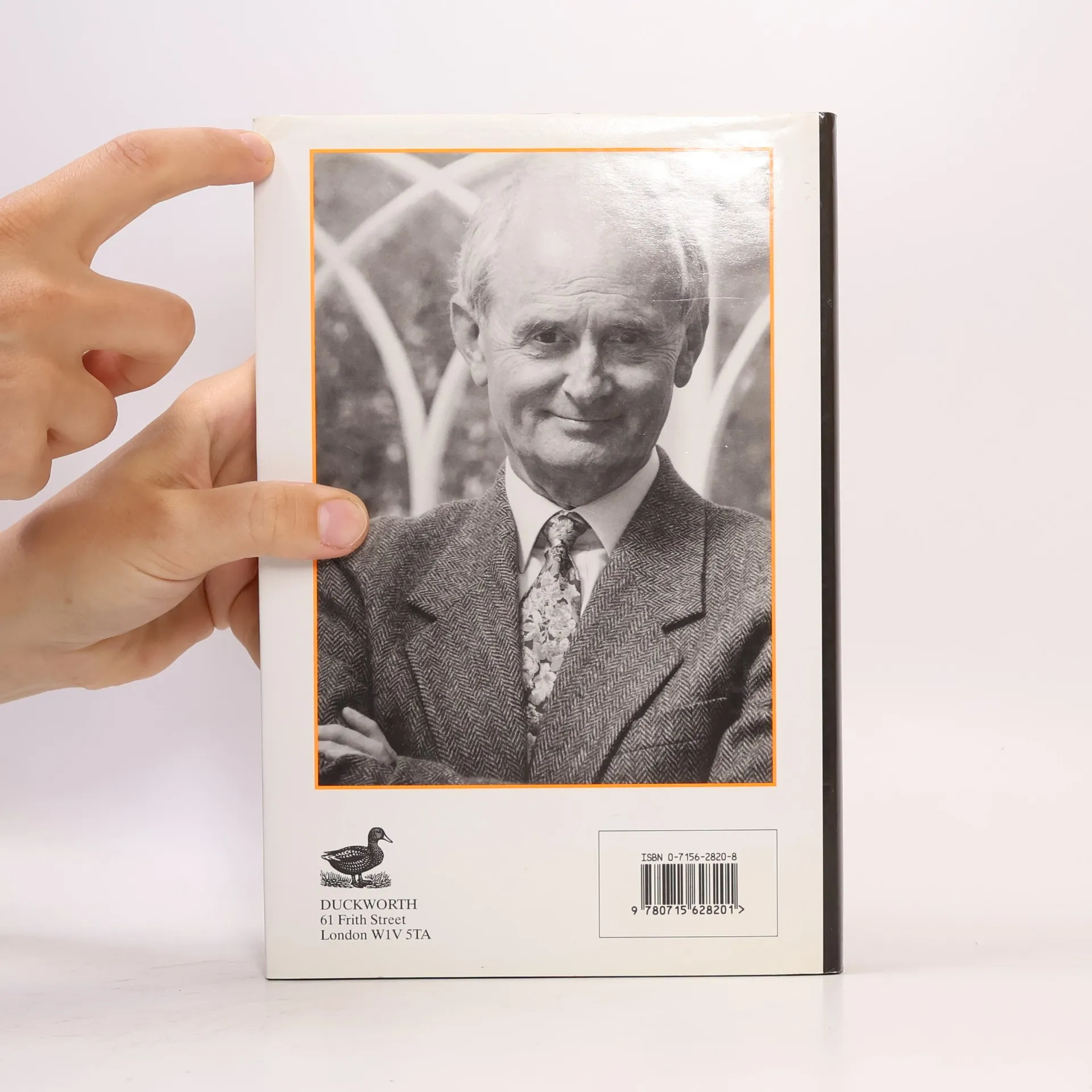
An Intelligent Person's Guide to Psychotherapy, Anthony Stevens
- Lingua

- Pubblicato
- 1998
- Rilegatura
- (Copertina rigida),
- Condizioni del libro
- Danneggiato
- Prezzo
- 11,77 €
Metodi di pagamento
Ancora nessuna valutazione.
- Titolo
- An Intelligent Person's Guide to Psychotherapy
- Lingua
- Inglese
- Autori
- Anthony Stevens
- Editore
- Duckworth
- Pubblicato
- 1998
- Formato
- Copertina rigida
- Pagine
- 224
- ISBN10
- 0715628208
- ISBN13
- 9780715628201
- Serie
- Tag
- Descrizione
- Psychoanalysis, and its many psychotherapeutic offshoots, has been a major influence in 20th-century cultural life. Yet dynamic psychotherapy now finds itself in grave crisis as a result of the intellectual shipwreck of its founder, Sigmund Freud. Since Freud, theory has been shown to be largely without empirical basis, what is to stop the whole psychotherapeutic edifice from collapsing into the quicksands on which it is built? In this overview, Anthony Stevens describes how the major schools of psychodynamic therapy grew out of the psychology of their charismatic founders and have subsequently turned into exclusive and mutually hostile rival "sects". Stevens argues that the best hope for the future lies in research to determine the positive therapeutic ingredients that all methods have in common. This, combined with the kind of undogmatic, open-minded humanity advocated by C.G. Jung, could lead to the adoption of a new paradigm capable of transcending the differences between them - the paradigm adopted by the new breed of "evolutionary psychotherapists".