


Maggiori informazioni sul libro
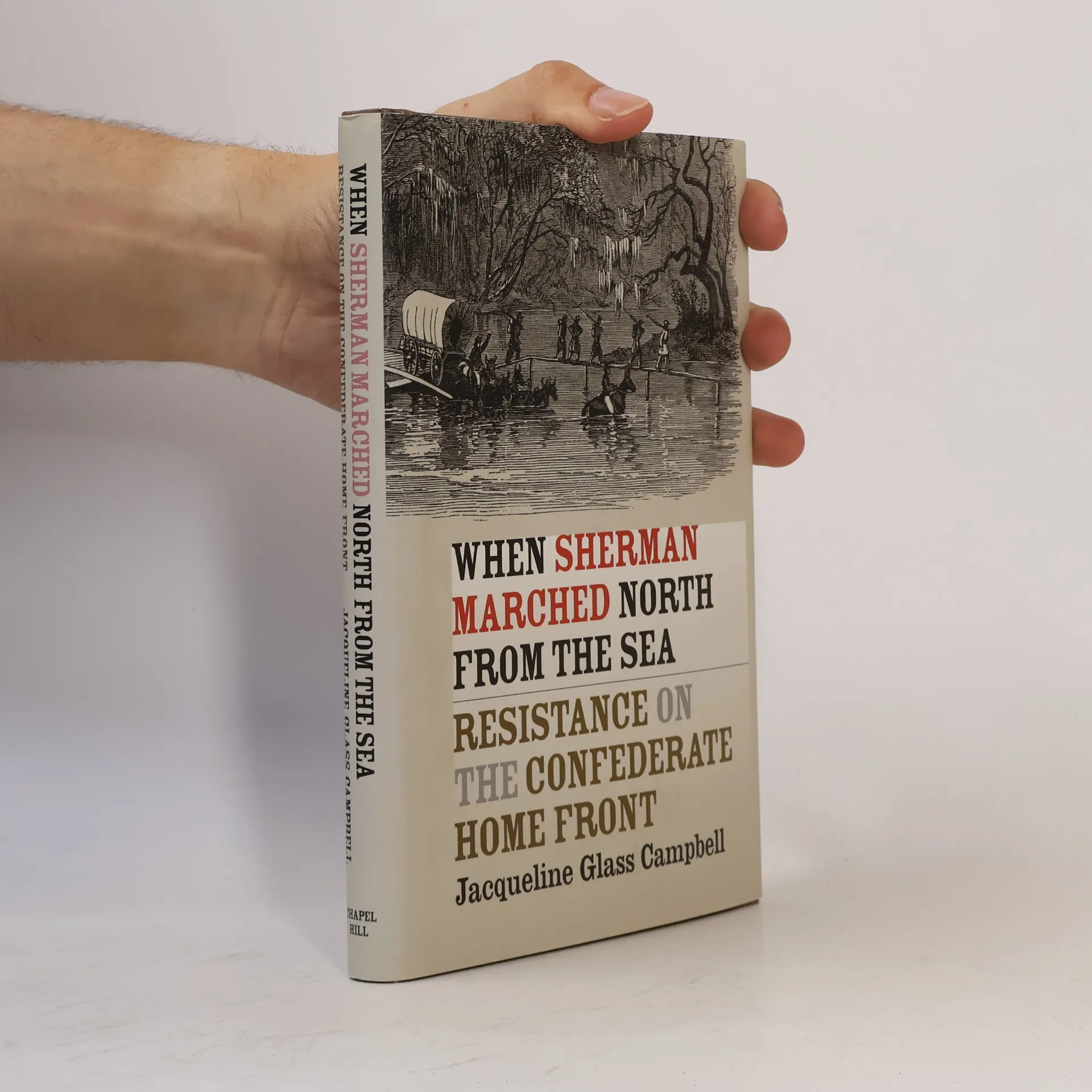
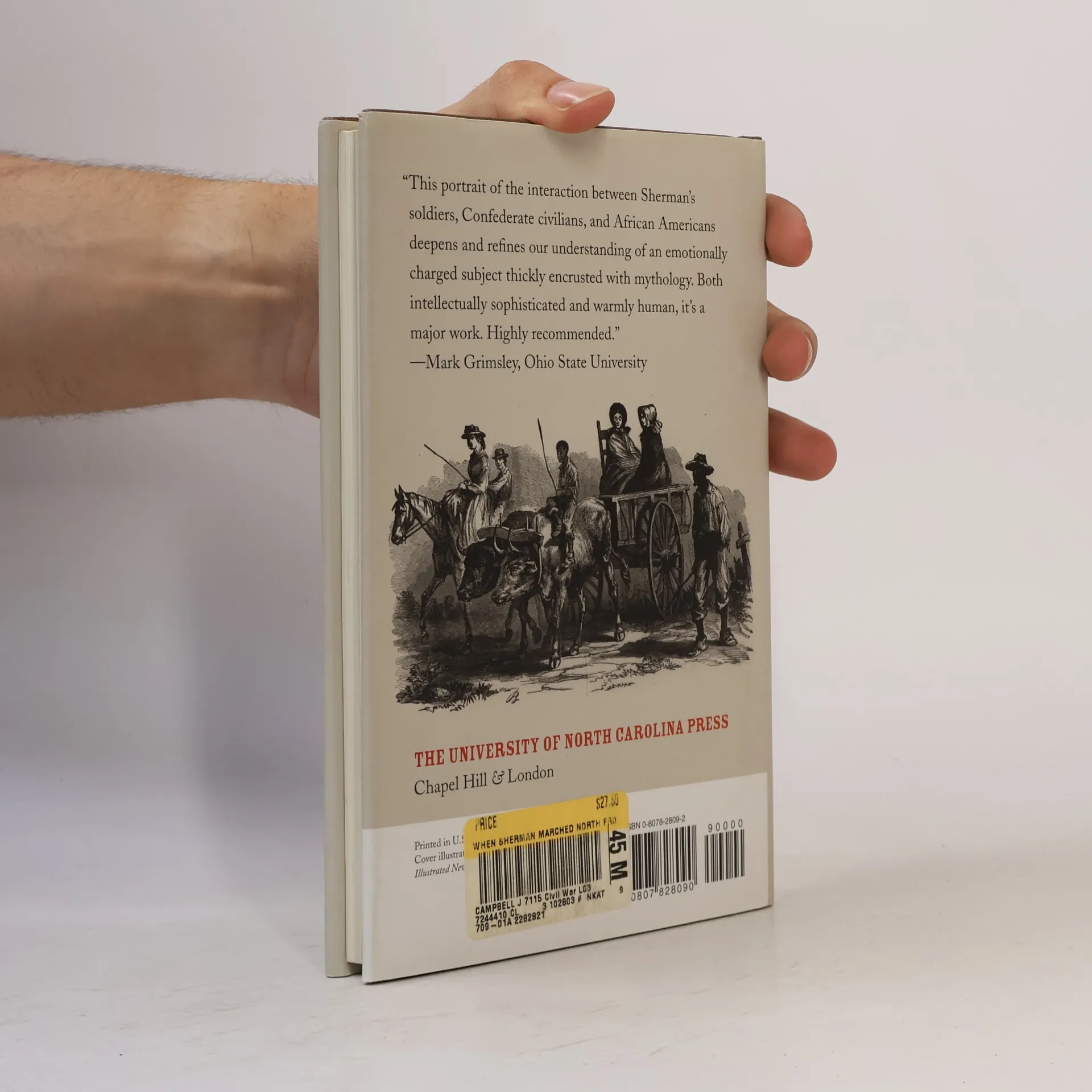
In 1865, General William T. Sherman occupied Savannah and marched north through the Carolinas, merging the home front with the battle front. While much has been discussed regarding the military aspects of Sherman's March, Jacqueline Campbell uncovers a more intricate narrative. By integrating perspectives from Northern soldiers and Southern civilians—both black and white, male and female—she highlights the cultural factors that shaped the conduct and limits of war. Sherman's invasion was not only geographical but also psychological. The Union army viewed the Southern landscape as military terrain, yet many white Southern women fiercely defended their homes, surprising Northern soldiers. Campbell argues that Confederate women had both ideological and material motivations to resist, with some Northern soldiers admiring their bravery while others deemed it unwomanly. Additionally, she explores the choices faced by African Americans, who had to decide whether to remain on plantations or flee with Union troops. The initial joy of emancipation often turned to fear as Union soldiers plundered homes and assaulted black women. Ultimately, Campbell challenges postwar narratives that framed the defense of the South as a male endeavor, instead restoring these women to their rightful place as active participants in the struggle for a Confederate nation, embodying self-assertion rather than passive sacrifice.
Acquisto del libro
When Sherman Marched North from the Sea, Jacqueline Glass Campbell
- Lingua

- Pubblicato
- 2003
- Rilegatura
- (Copertina rigida),
- Condizioni del libro
- In ottime condizioni
- Prezzo
- 5,99 €
Metodi di pagamento
Ancora nessuna valutazione.
- Titolo
- When Sherman Marched North from the Sea
- Sottotitolo
- Resistance on the Confederate Home Front
- Lingua
- Inglese
- Pubblicato
- 2003
- Formato
- Copertina rigida
- Pagine
- 192
- ISBN10
- 0807828092
- ISBN13
- 9780807828090
- Serie
- Descrizione
- In 1865, General William T. Sherman occupied Savannah and marched north through the Carolinas, merging the home front with the battle front. While much has been discussed regarding the military aspects of Sherman's March, Jacqueline Campbell uncovers a more intricate narrative. By integrating perspectives from Northern soldiers and Southern civilians—both black and white, male and female—she highlights the cultural factors that shaped the conduct and limits of war. Sherman's invasion was not only geographical but also psychological. The Union army viewed the Southern landscape as military terrain, yet many white Southern women fiercely defended their homes, surprising Northern soldiers. Campbell argues that Confederate women had both ideological and material motivations to resist, with some Northern soldiers admiring their bravery while others deemed it unwomanly. Additionally, she explores the choices faced by African Americans, who had to decide whether to remain on plantations or flee with Union troops. The initial joy of emancipation often turned to fear as Union soldiers plundered homes and assaulted black women. Ultimately, Campbell challenges postwar narratives that framed the defense of the South as a male endeavor, instead restoring these women to their rightful place as active participants in the struggle for a Confederate nation, embodying self-assertion rather than passive sacrifice.