

Parametri
- 317pagine
- 12 ore di lettura
Maggiori informazioni sul libro
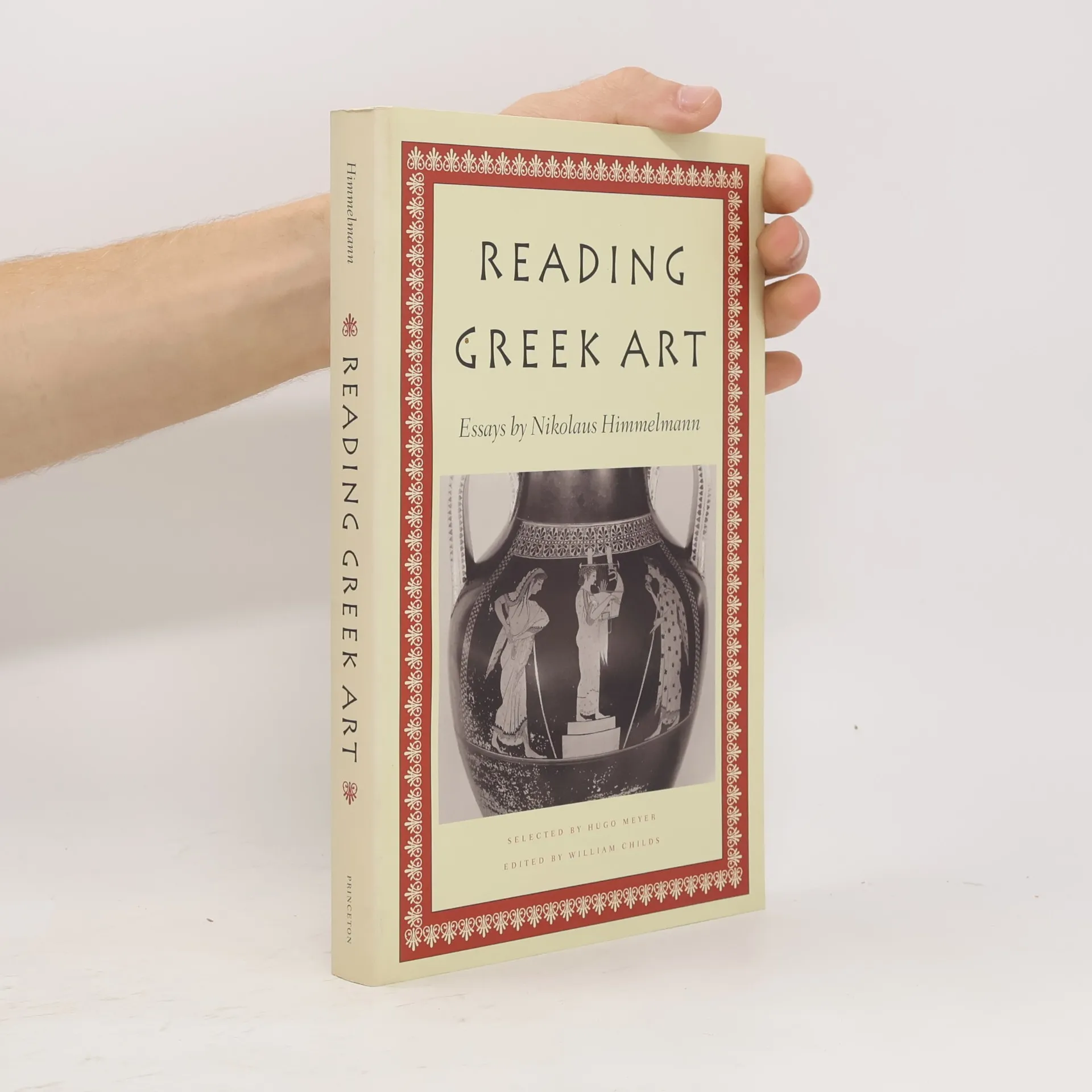
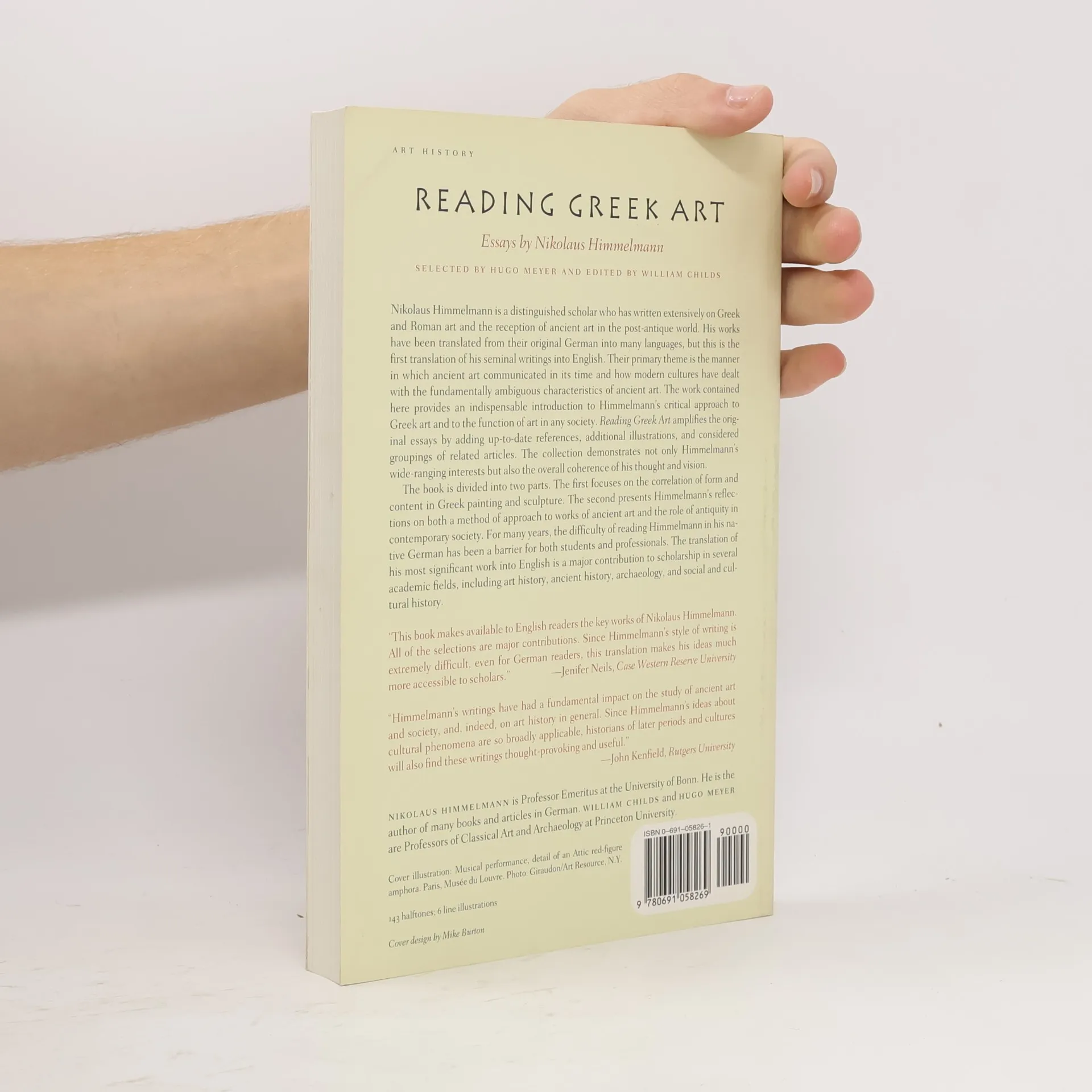
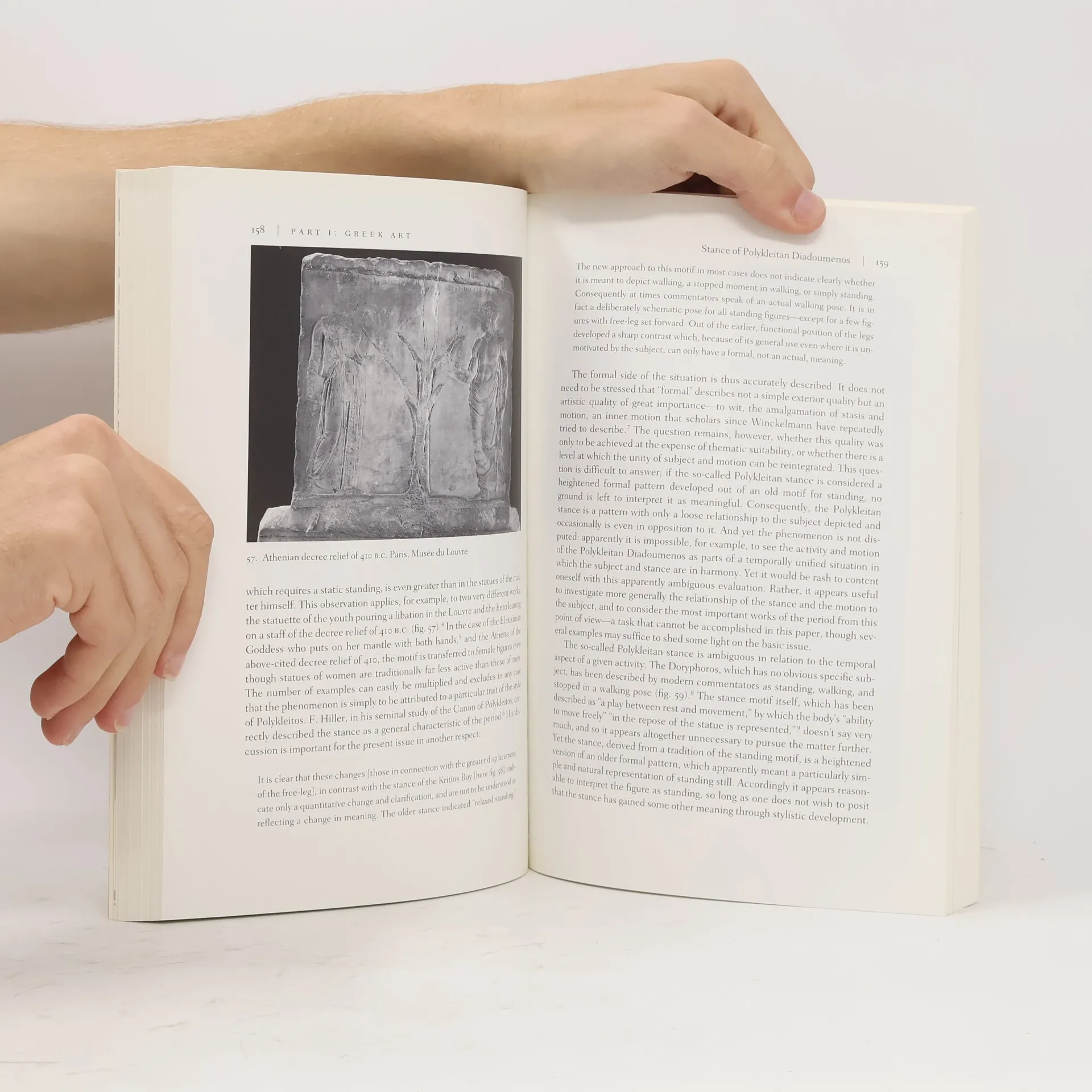
Nikolaus Himmelmann is a distinguished scholar known for his extensive writings on Greek and Roman art and its reception in the post-antique world. This translation marks the first time his seminal works have been made available in English. The primary focus is on how ancient art communicated in its time and how modern cultures have navigated its ambiguous qualities. This collection serves as an essential introduction to Himmelmann's critical perspective on Greek art and the role of art in society. It enhances the original essays with updated references, additional illustrations, and thoughtfully organized related articles, showcasing both his diverse interests and the coherence of his vision. The book is structured in two parts: the first examines the relationship between form and content in Greek painting and sculpture, while the second offers Himmelmann's insights on approaching ancient art and the significance of antiquity in contemporary society. For years, the challenge of reading Himmelmann in German has hindered access for students and professionals. This English translation is a significant advancement for scholarship across various fields, including art history, ancient history, archaeology, and social and cultural history.
Acquisto del libro
Reading Greek Art, Nikolaus Himmelmann, Hugo P. Meyer, William A. P Childs
- Lingua

- Pubblicato
- 1998
- Rilegatura
- (In brossura)
Metodi di pagamento
Ancora nessuna valutazione.
- Titolo
- Reading Greek Art
- Lingua
- Inglese
- Editore
- Princeton University Press
- Pubblicato
- 1998
- Formato
- In brossura
- Pagine
- 317
- ISBN10
- 0691058261
- ISBN13
- 9780691058269
- Serie
- Tag
- Descrizione
- Nikolaus Himmelmann is a distinguished scholar known for his extensive writings on Greek and Roman art and its reception in the post-antique world. This translation marks the first time his seminal works have been made available in English. The primary focus is on how ancient art communicated in its time and how modern cultures have navigated its ambiguous qualities. This collection serves as an essential introduction to Himmelmann's critical perspective on Greek art and the role of art in society. It enhances the original essays with updated references, additional illustrations, and thoughtfully organized related articles, showcasing both his diverse interests and the coherence of his vision. The book is structured in two parts: the first examines the relationship between form and content in Greek painting and sculpture, while the second offers Himmelmann's insights on approaching ancient art and the significance of antiquity in contemporary society. For years, the challenge of reading Himmelmann in German has hindered access for students and professionals. This English translation is a significant advancement for scholarship across various fields, including art history, ancient history, archaeology, and social and cultural history.