





Parametri
- 512pagine
- 18 ore di lettura
Maggiori informazioni sul libro
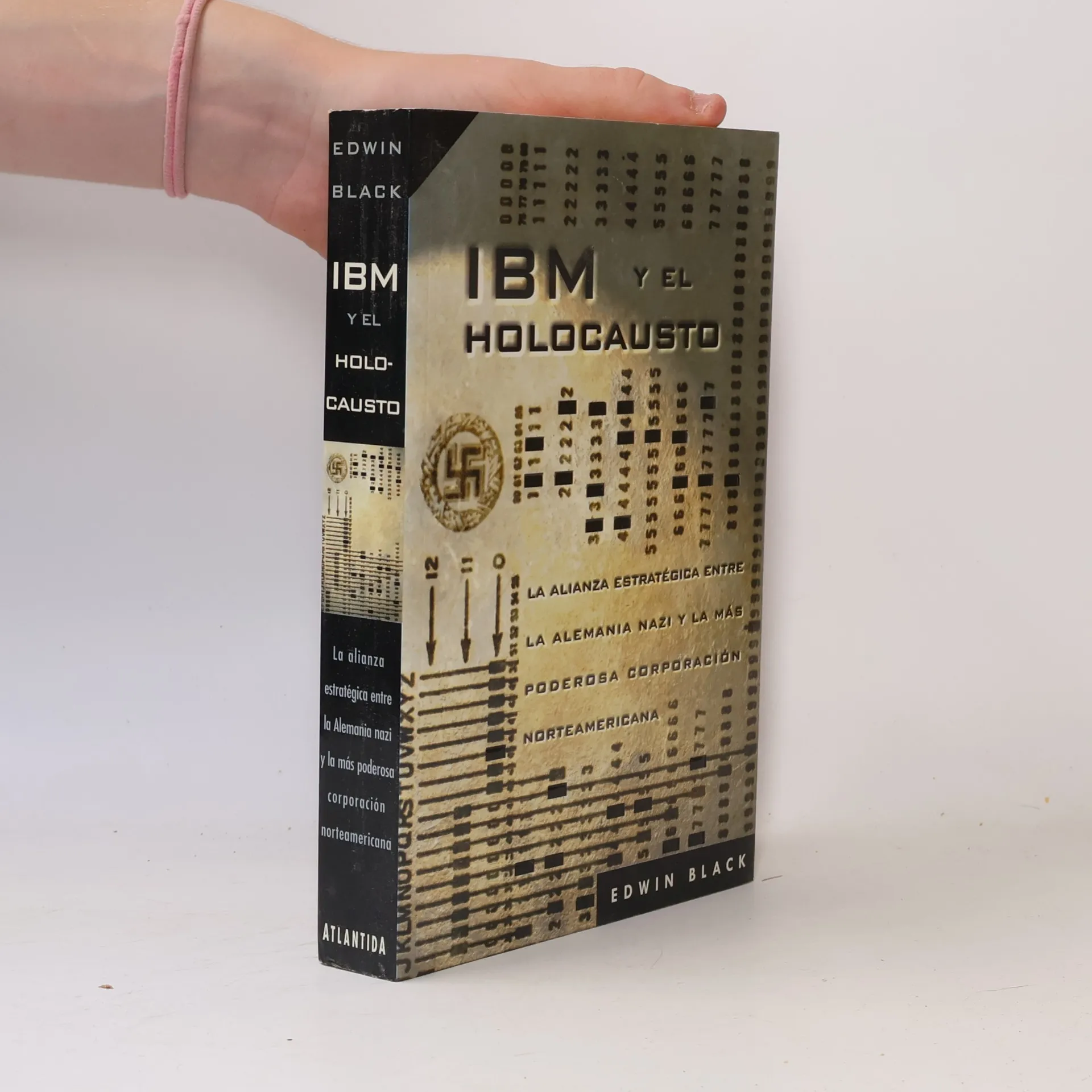
IBM & the Holocaust reveals the company's strategic partnership with Nazi Germany, starting in 1933 and extending through World War II. As the Third Reich initiated its campaigns of conquest and genocide, IBM and its subsidiaries played a crucial role in developing technologies that facilitated these efforts. The identification and cataloging of Jews were essential for their subsequent targeting, which included asset confiscation, ghettoization, deportation, and annihilation. This monumental task required a system that could manage complex data, and while computers did not exist at the time, IBM's Hollerith punch card technology provided a solution. The company's custom-designed systems enabled the Nazis to automate the persecution of Jews, allowing for unprecedented speed and accuracy in identifying and locating them across Europe. IBM's contributions extended beyond mere machine sales; they leased their technology for high fees and supplied the necessary punch cards, effectively becoming integral to the Nazi regime's operations. The book details the corporate collusion with the Third Reich, highlighting the structured deniability employed by IBM amidst the widespread reports of persecution. Additionally, it examines the moral compromises of IBM's founder, Thomas Watson, who prioritized profit over ethics. Edwin Black uncovers how IBM's technological support was instrumental in facilitating the Holocaust, revealing the chill
Lingua

Acquisto del libro
IBM y el Holocausto, Edwin Black
- Lingua

- Pubblicato
- 2001
- Rilegatura
- (In brossura),
- Condizioni del libro
- Danneggiato
- Prezzo
- 17,04 €
Metodi di pagamento
Qui potrebbe esserci la tua recensione.
- Titolo
- IBM y el Holocausto
- Lingua
- Spagnolo
- Autori
- Edwin Black
- Editore
- Atlantida Editorial S.A.
- Pubblicato
- 2001
- Formato
- In brossura
- Pagine
- 512
- ISBN10
- 9500824663
- ISBN13
- 9789500824668
- Serie
- Categoria
- Tag
- Tema stórico, Commercio, Politica, Giornalismo narrativo, Guerre, Seconda guerra mondiale, Olocausto, Nazismo, Teorie del complotto, Terzo Reich (Germania nazista), 1933-1945, Campi di Concentramento, Letteratura Speculativa, Sistemi Informativi, Corporazioni multinazionali, IBM PC, PC/XT, PC/AT (computer personali), IBM
- Prima pubblicazione
- 1999
- Titolo originale
- IBM and the Holocaust
- Valutazione
- 3,95 su 5
- Descrizione
- IBM & the Holocaust reveals the company's strategic partnership with Nazi Germany, starting in 1933 and extending through World War II. As the Third Reich initiated its campaigns of conquest and genocide, IBM and its subsidiaries played a crucial role in developing technologies that facilitated these efforts. The identification and cataloging of Jews were essential for their subsequent targeting, which included asset confiscation, ghettoization, deportation, and annihilation. This monumental task required a system that could manage complex data, and while computers did not exist at the time, IBM's Hollerith punch card technology provided a solution. The company's custom-designed systems enabled the Nazis to automate the persecution of Jews, allowing for unprecedented speed and accuracy in identifying and locating them across Europe. IBM's contributions extended beyond mere machine sales; they leased their technology for high fees and supplied the necessary punch cards, effectively becoming integral to the Nazi regime's operations. The book details the corporate collusion with the Third Reich, highlighting the structured deniability employed by IBM amidst the widespread reports of persecution. Additionally, it examines the moral compromises of IBM's founder, Thomas Watson, who prioritized profit over ethics. Edwin Black uncovers how IBM's technological support was instrumental in facilitating the Holocaust, revealing the chill