

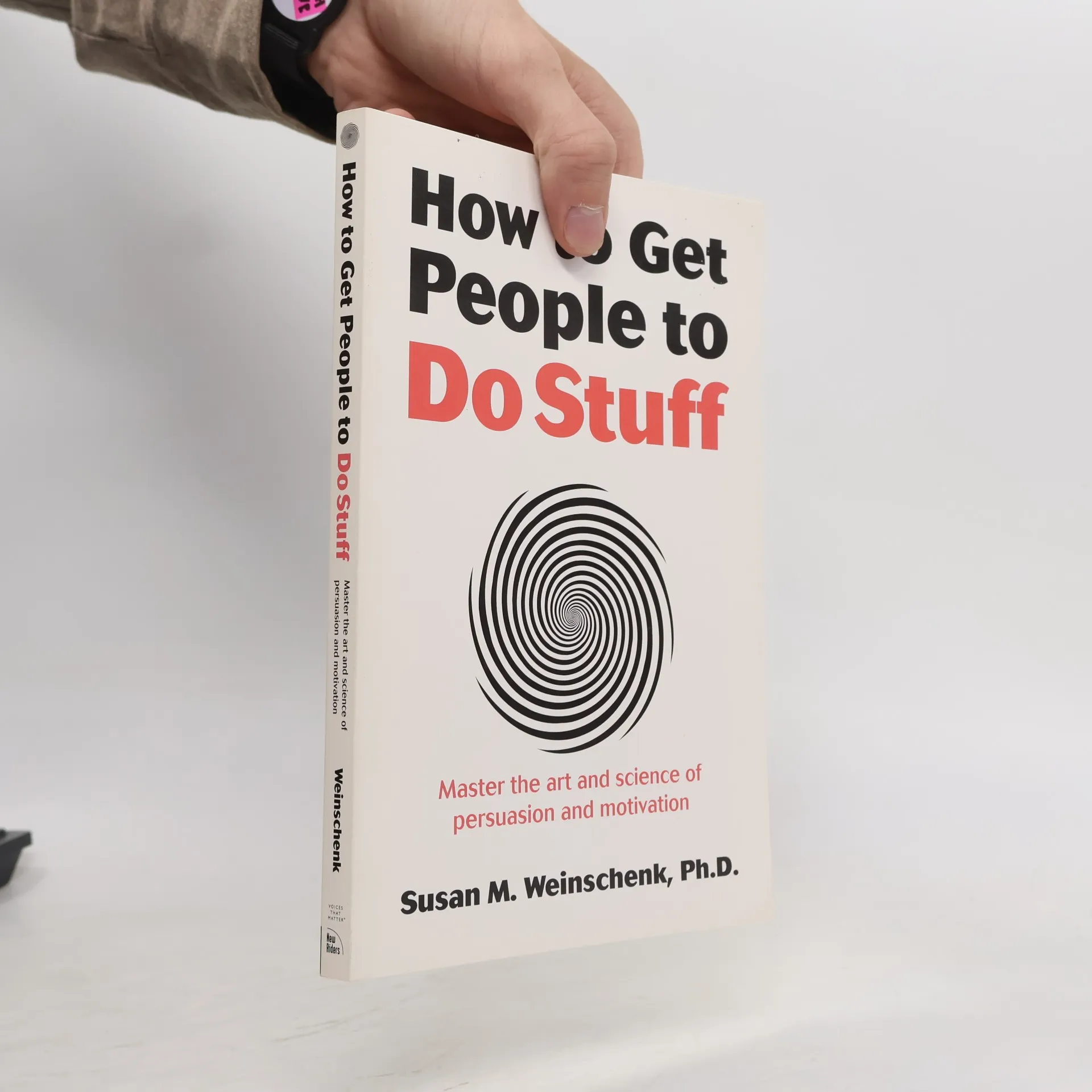
How to Get People to Do Stuff
Master the art and science of persuasion and motivation
Autori
Maggiori informazioni sul libro
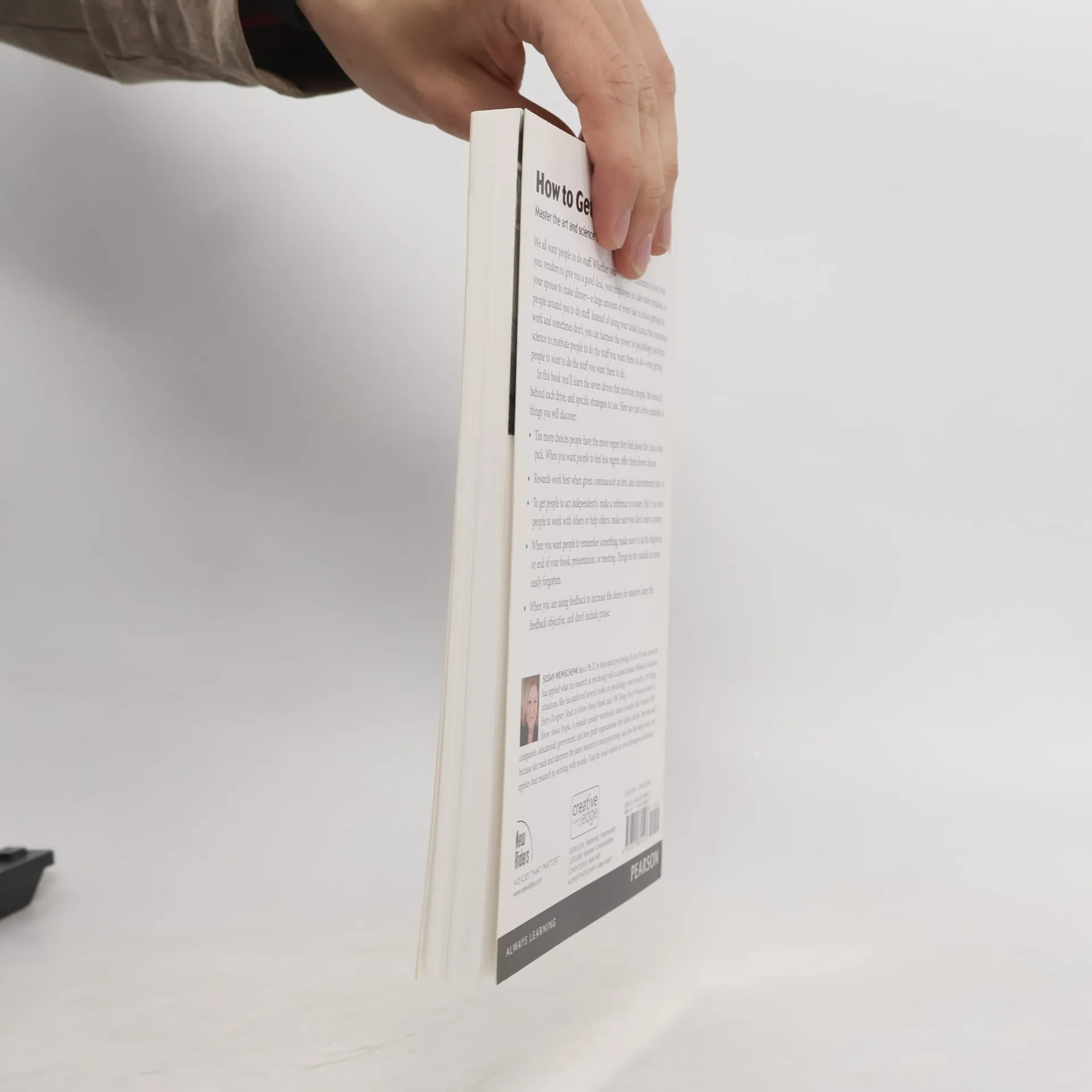
We all want people to take action, whether it's customers buying, vendors offering good deals, employees showing initiative, or even spouses making dinner. Everyday interactions often revolve around motivating those around us. Instead of relying on hit-or-miss tactics, you can leverage psychology and brain science to inspire others to willingly engage in desired behaviors. This book outlines seven key drives that motivate people: The Desire For Mastery, The Need To Belong, The Power of Stories, Carrots and Sticks, Instincts, Habits, and Tricks Of The Mind. Behavioral psychologist Dr. Susan Weinschenk presents research on each drive, along with actionable strategies. For instance, more choices can lead to increased regret, so offering fewer options can help mitigate this. When using rewards, start with continuous reinforcement before transitioning to intermittent rewards. To encourage independent action, reference money; conversely, avoid monetary references to foster collaboration. To enhance memory retention, place important information at the beginning or end of communications, as middle content is often forgotten. Lastly, when providing feedback to boost the desire for mastery, keep it objective and refrain from including praise.
Acquisto del libro
How to Get People to Do Stuff, Susan Weinschenk
- Lingua

- Pubblicato
- 2013
- Rilegatura
- (In brossura)
Metodi di pagamento
Ancora nessuna valutazione.
- Titolo
- How to Get People to Do Stuff
- Sottotitolo
- Master the art and science of persuasion and motivation
- Lingua
- Inglese
- Autori
- Susan Weinschenk
- Editore
- New Riders
- Pubblicato
- 2013
- Formato
- In brossura
- Pagine
- 216
- ISBN10
- 0321884507
- ISBN13
- 9780321884503
- Serie
- Descrizione
- We all want people to take action, whether it's customers buying, vendors offering good deals, employees showing initiative, or even spouses making dinner. Everyday interactions often revolve around motivating those around us. Instead of relying on hit-or-miss tactics, you can leverage psychology and brain science to inspire others to willingly engage in desired behaviors. This book outlines seven key drives that motivate people: The Desire For Mastery, The Need To Belong, The Power of Stories, Carrots and Sticks, Instincts, Habits, and Tricks Of The Mind. Behavioral psychologist Dr. Susan Weinschenk presents research on each drive, along with actionable strategies. For instance, more choices can lead to increased regret, so offering fewer options can help mitigate this. When using rewards, start with continuous reinforcement before transitioning to intermittent rewards. To encourage independent action, reference money; conversely, avoid monetary references to foster collaboration. To enhance memory retention, place important information at the beginning or end of communications, as middle content is often forgotten. Lastly, when providing feedback to boost the desire for mastery, keep it objective and refrain from including praise.