


Parametri
- 416pagine
- 15 ore di lettura
Maggiori informazioni sul libro
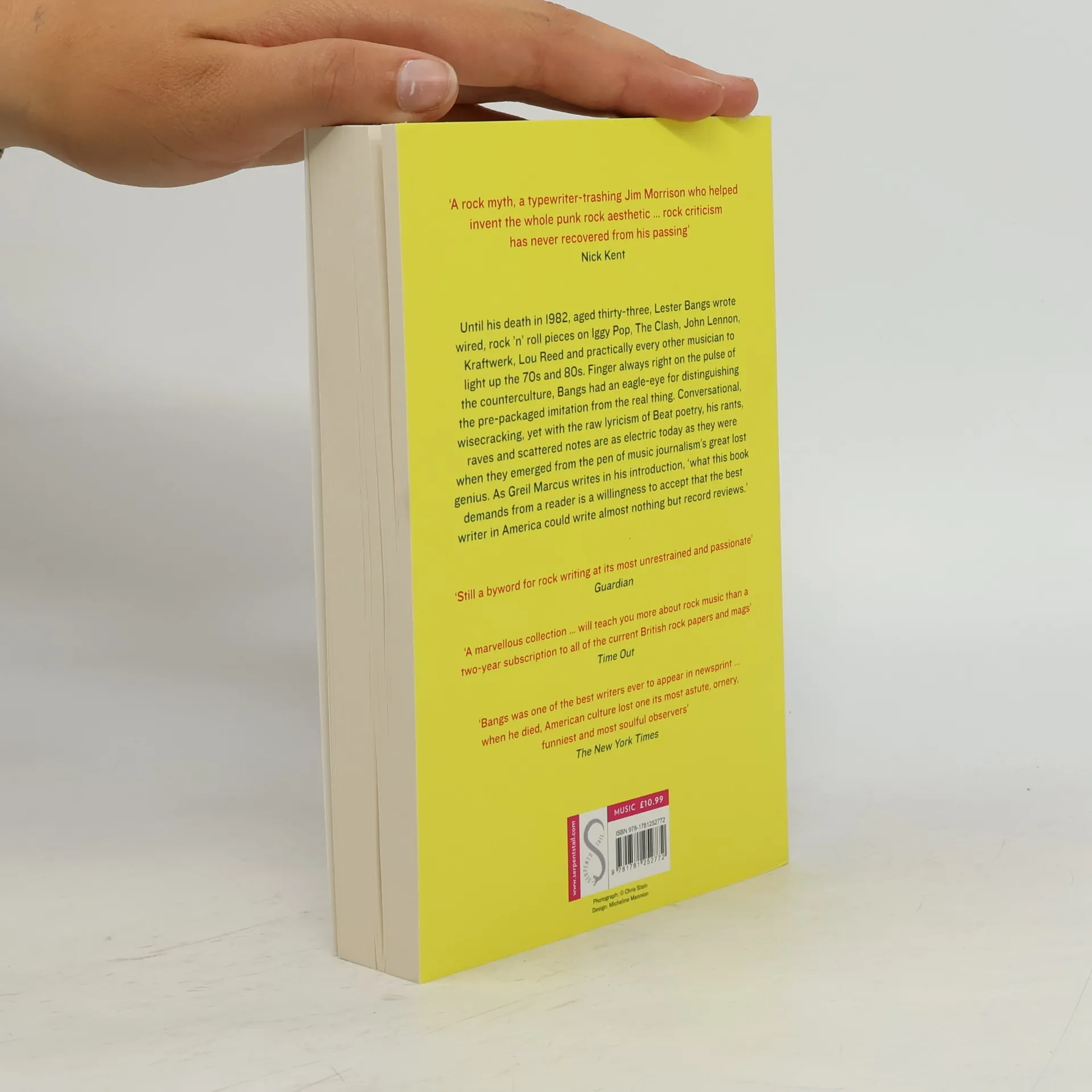
Until his death aged thirty-three in 1982, Lester Bangs wrote wired, rock 'n' roll pieces on Iggy Pop, The Clash, John Lennon, Kraftwerk, Lou Reed. As a rock critic, he had an eagle-eye for distinguishing the pre-packaged imitation from the real thing; written in a conversational, wisecracking, erotically charged style, his hallucinatory hagiographies and excoriating take-downs reveal an iconoclast unafraid to tell it like it is. To his journalism he brought the talent of a great a renegade Beat poet, and his essays, reviews and scattered notes convey the electric thrill of a music junky indulging the habit of a lifetime. As Greil Marcus writes in his introduction, 'What this book demands from a reader is a willingness to accept that the best writer in America could write almost nothing but record reviews.'

Acquisto del libro
Serpent's Tail Classics: Psychotic Reactions and Carburetor Dung, Lester Bangs
- Lingua
- Pubblicato
- 2014
- Rilegatura
- (In brossura)
Metodi di pagamento
Ancora nessuna valutazione.
- Titolo
- Serpent's Tail Classics: Psychotic Reactions and Carburetor Dung
- Autori
- Lester Bangs
- Editore
- Profile Books
- Pubblicato
- 2014
- Formato
- In brossura
- Pagine
- 416
- ISBN10
- 1781252777
- ISBN13
- 9781781252772
- Serie
- Categoria
- Tag
- Tema stórico, Tematica musicale, XX Secolo, Giornalismo e Pubblicistica, Cultura popolare, Critica
- Descrizione
- Until his death aged thirty-three in 1982, Lester Bangs wrote wired, rock 'n' roll pieces on Iggy Pop, The Clash, John Lennon, Kraftwerk, Lou Reed. As a rock critic, he had an eagle-eye for distinguishing the pre-packaged imitation from the real thing; written in a conversational, wisecracking, erotically charged style, his hallucinatory hagiographies and excoriating take-downs reveal an iconoclast unafraid to tell it like it is. To his journalism he brought the talent of a great a renegade Beat poet, and his essays, reviews and scattered notes convey the electric thrill of a music junky indulging the habit of a lifetime. As Greil Marcus writes in his introduction, 'What this book demands from a reader is a willingness to accept that the best writer in America could write almost nothing but record reviews.'