

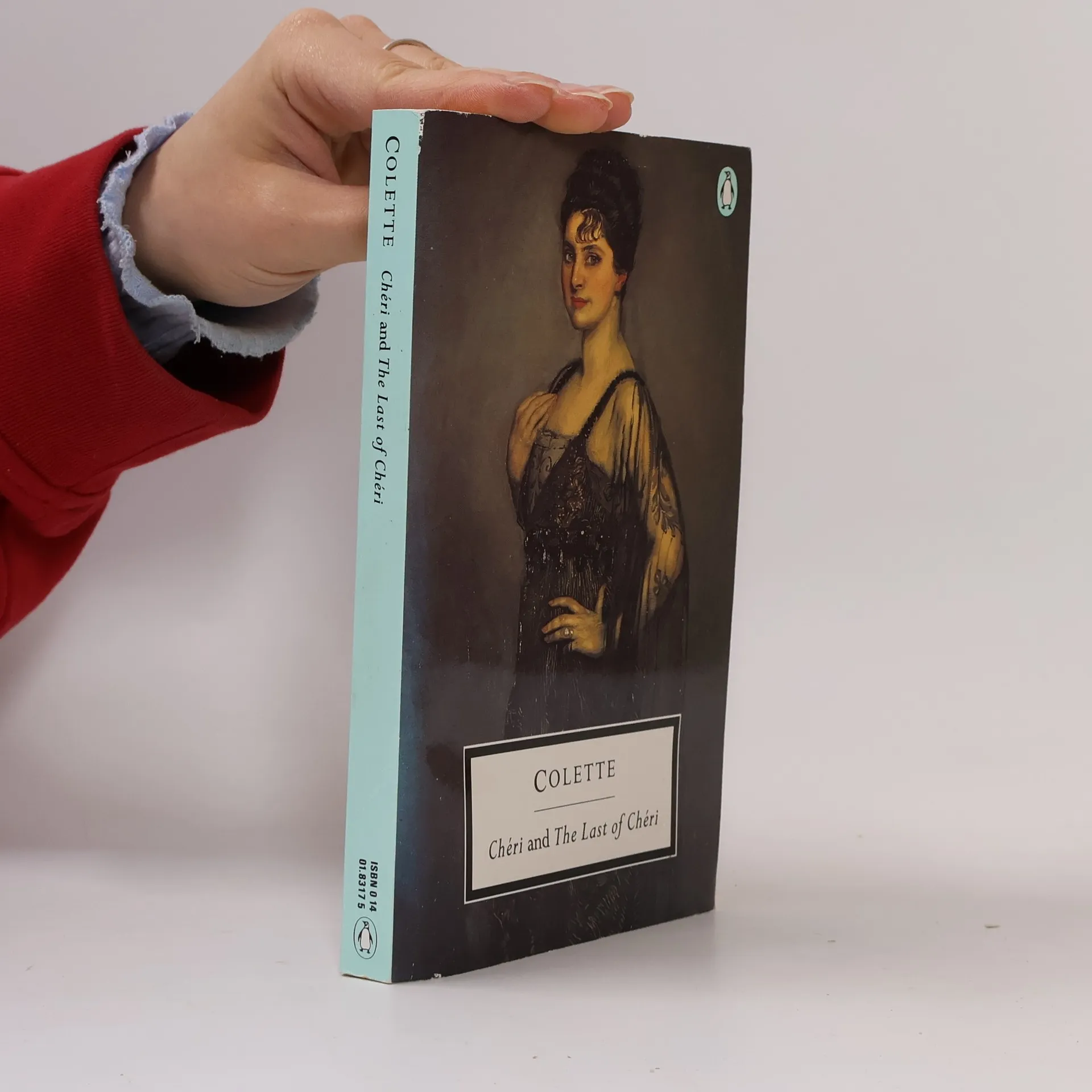
Chéri, together with The Last of Chéri, is a classic story of a love affair between a very young man and a charming older woman. The amour between Fred Peloux, the beautiful gigolo known as Chéri, and the courtesan Léa de Lonval tenderly depicts the devotion that stems from desire, and is an honest account of the most human preoccupations of youth and middle age. With compassionate insight Colette paints a full-length double portrait using an impressionistic style all her own. "A wonderful subject [treated with] intelligence, mastery, and understanding of the least-admitted secrets of the flesh." ― André Gide
Chéri Serie
Questa serie approfondisce una relazione amorosa appassionata ma fugace tra un giovane uomo e una donna più anziana. Con tenera onestà e acuta empatia, esplora le complessità del desiderio, della devozione e dell'invecchiamento. L'autrice dipinge magistralmente ritratti di personaggi in uno stile impressionista distintivo, rivelando le profonde emozioni umane e le preoccupazioni della giovinezza e della mezza età.

Ordine di lettura consigliato
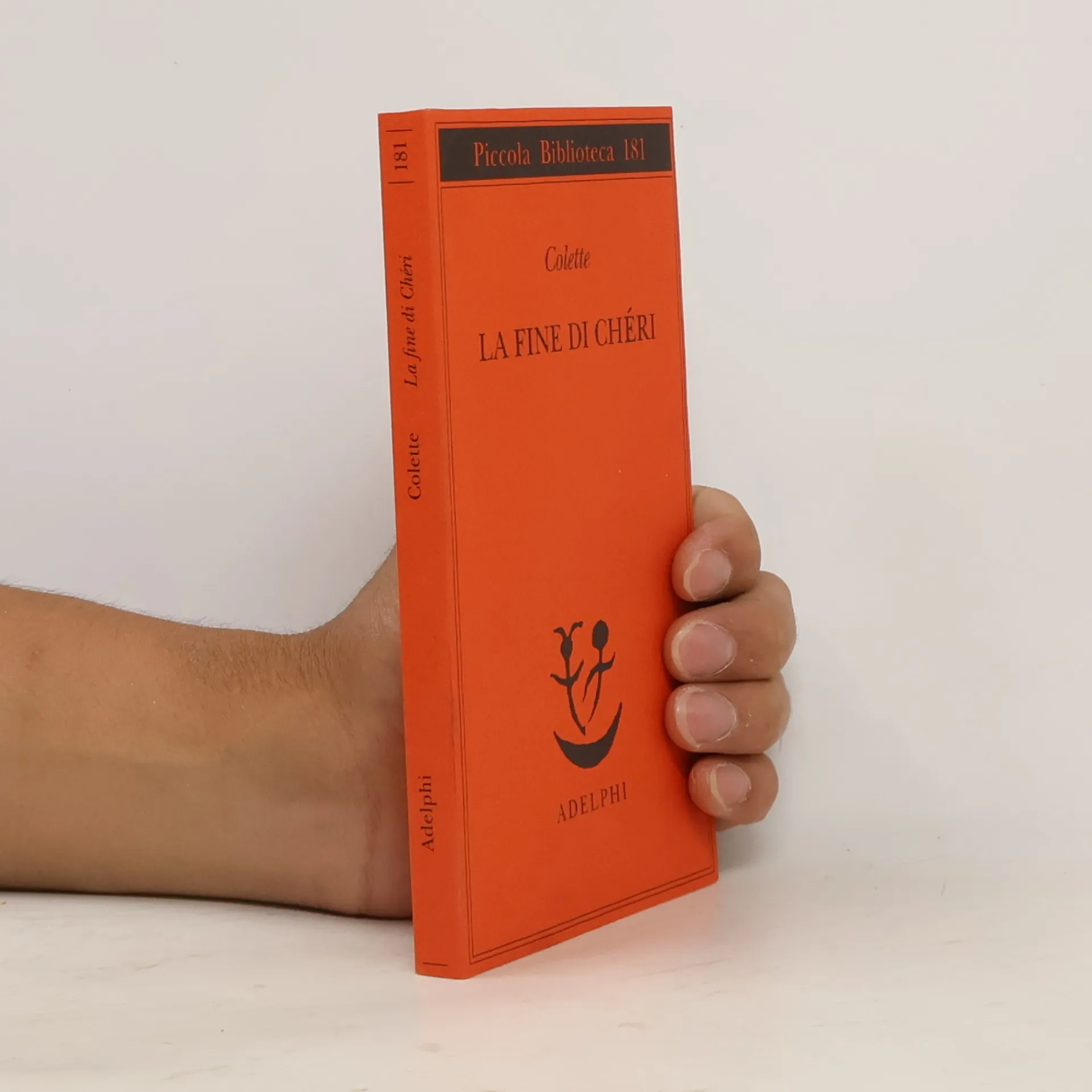
Piccola Biblioteca - 181: La fine di Chéri
- 156pagine
- 6 ore di lettura
«Quando una donna matura ha una relazione con un ragazzo giovanissimo lei rischia meno di lui. In tutte le storie che lui avrà in seguito, sarà marchiato da quella esperienza e non riuscirà a cancellare il ricordo di quella sua prima amante» (Colette in un’intervista). La dimostrazione di questo teorema ci è offerta dalla Fine di Chéri (1926), seguito duro e amaro di Chéri . La scena si apre nel momento stesso in cui il primo romanzo si chiudeva: «Chéri si richiuse alle spalle il cancello del piccolo giardino e aspirò l’aria della notte: “Come si sta bene...”. Ma si riprese subito: “No, non si sta bene”. Gli ippocastani accalcati gravavano sulla calura prigioniera». Con sconcerto, e una sottile rabbia, Chéri dovrà riconoscere che anche nella vita lui non sta poi così bene. Giunto all’acme della sua esistenza di ‘bello’ dinanzi a cui le donne, giovani o mature, si inchinano, Chéri percepisce una vaga inquietudine: «Non distingueva i punti precisi in cui il tempo, con tocchi impercettibili, segna su un bel viso l’ora della perfezione e poi quella di una bellezza più evidente, che annuncia già la maestà di un declino». E quel declino maestoso vivremo in questo libro, dove la punta avvelenata della storia di Chéri emerge con fredda chiarezza, come la canna di una pistola, dalla prosa avvolgente, atmosferica, precisa di Colette.
Libri correlati
Penguin Twentieth-Century Classics: Chéri and The Last of Chéri
- 256pagine
- 9 ore di lettura
Chéri , together with The Last of Chéri , is a classic story of a love affair between a very young man and a charming older woman. The amour between Fred Peloux, the beautiful gigolo known as Chéri, and the courtesan Léa de Lonval tenderly depicts the devotion that stems from desire, and is an honest account of the most human preoccupations of youth and middle age. With compassionate insight Colette paints a full-length double portrait using an impressionistic style all her own. "A wonderful subject [treated with] intelligence, mastery, and understanding of the least-admitted secrets of the flesh." ― André Gide