

A guide that assists aspiring court interpreters in providing linguistic minorities with access to fair and expeditious judicial proceedings. It familiarizes prospective court interpreters and students interested in court interpreting with the nature, purpose and language of pretrial, trial and post-trial proceedings.
Collana di Monografie Accademiche dell'American Translators Association Serie
Questa serie accademica approfondisce la teoria e la pratica della traduzione. Presenta articoli sottoposti a revisione paritaria che affrontano una vasta gamma di argomenti, dalla formazione dei traduttori ai campi specialistici della traduzione. La collezione è di lettura essenziale per professionisti, educatori e ricercatori della comunità di traduzione. Offre una prospettiva internazionale e preziose intuizioni sul panorama in evoluzione degli studi sulla traduzione.
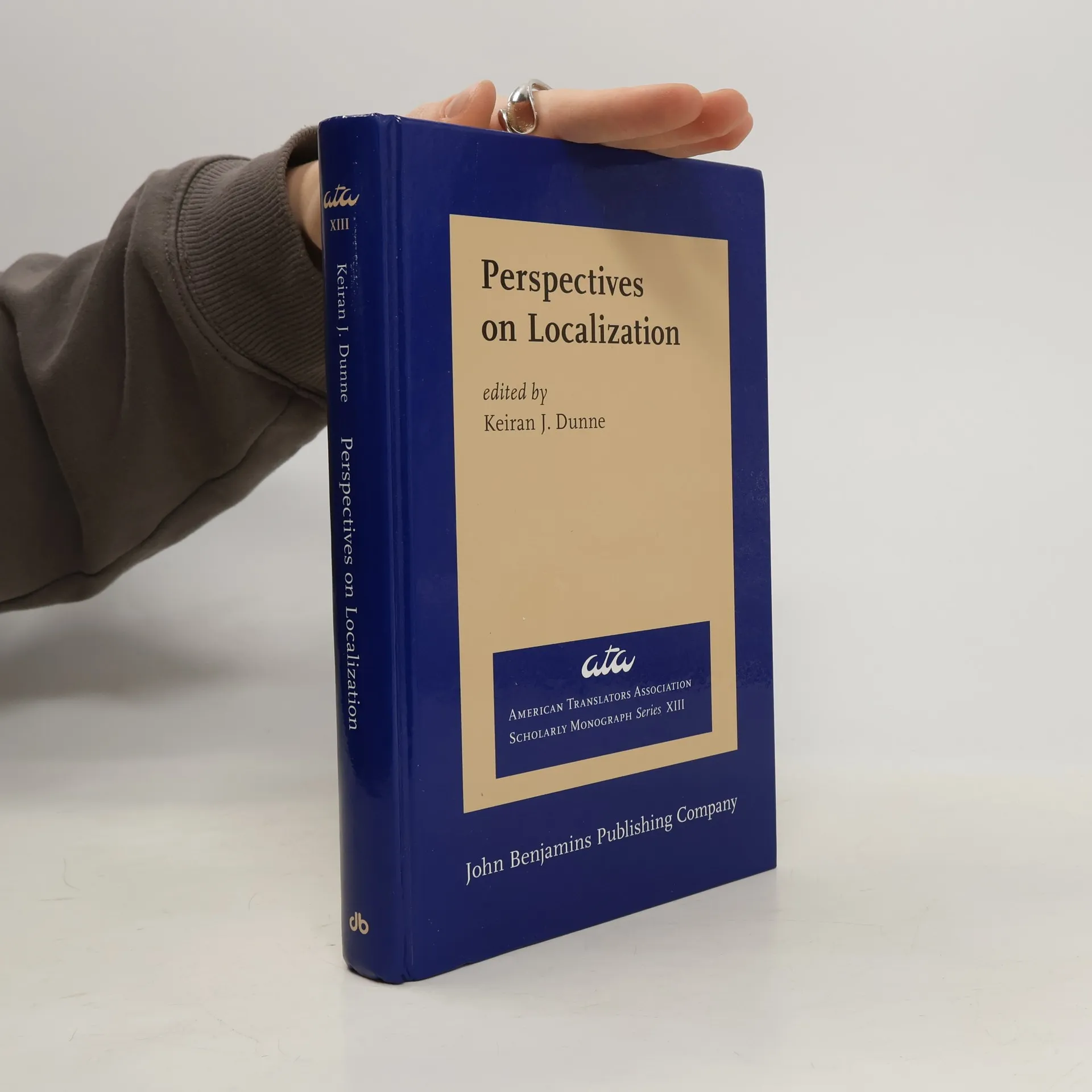

American Translators Association Scholarly Monograph Series - 13: Perspectives on Localization
- 356pagine
- 13 ore di lettura
Over the past two decades, international trade agreements like GATT and NAFTA have reduced trade barriers, while the information revolution has transformed business operations and customer communication. The global acceptance of the ISO 9000 standard emphasizes that quality is defined by customer satisfaction. As trade barriers fall and quality standards rise, linguistic and cultural issues gain importance. To thrive in today's global economy, companies must localize their products and services to meet local market demands in language, culture, functionality, work practices, and legal requirements. This volume addresses key issues in localization, including: return on investment and the business case for localization; cost drivers and strategies for cost containment; quality management focused on customer satisfaction; challenges in localizing games, particularly MMORPGs; using a meta-language for accurate translation; managing source-language terminology; reconciling industry needs with academic goals in localization education; the commoditization of linguistic information; the creation of language industry standards; and rethinking customer-focused localization through user-centered design. It also discusses the shift from "translation" reuse to "language" reuse, highlighting the evolving landscape of localization.