

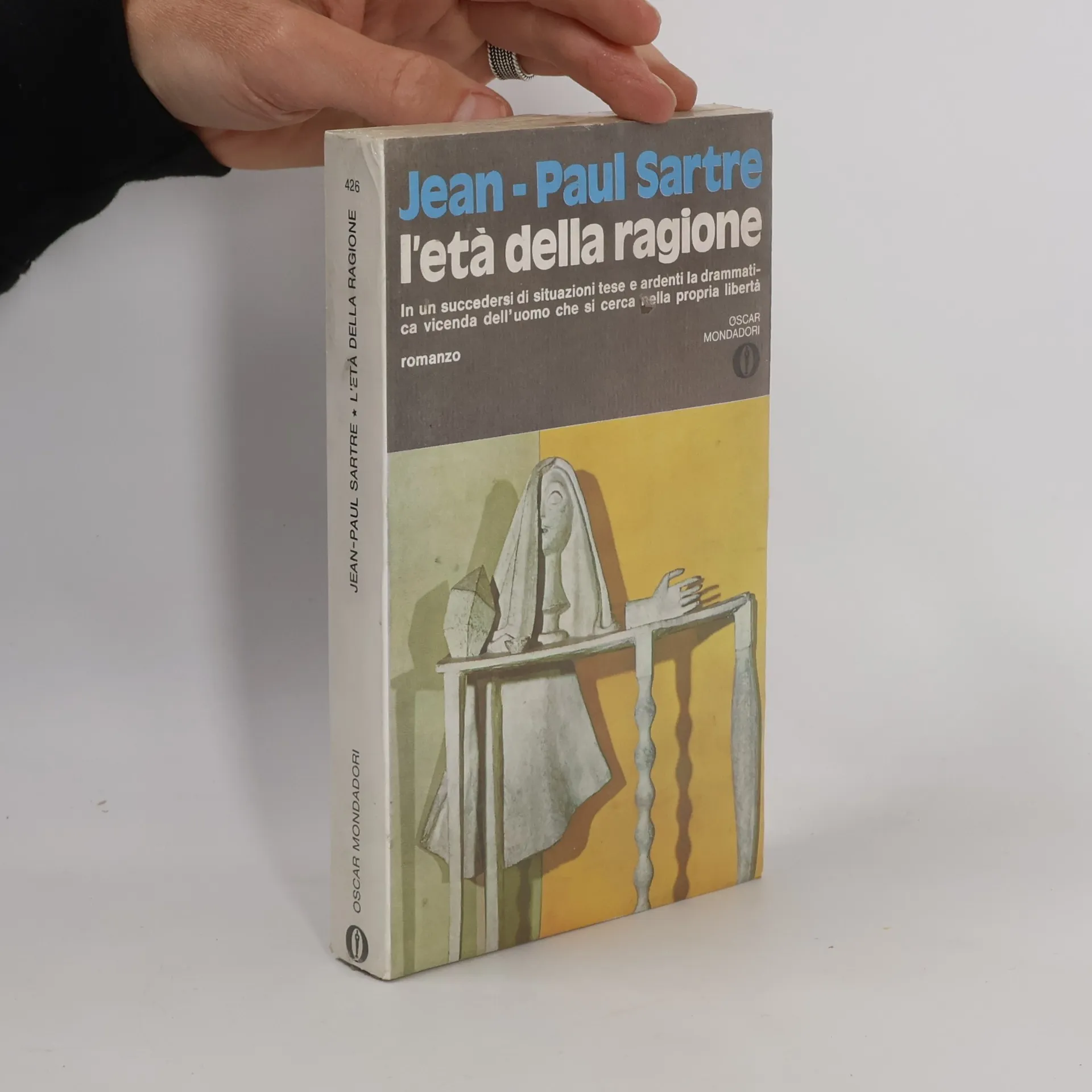
Iniziato nel 1939 e concluso nel 1945, dopo la prigionia in Germania di Sartre, L'età della ragione è parte ideale del ciclo romanzesco Le vie della libertà in cui il filosofo francese ha tradotto narrativamente le proprie teorie sulla letteratura e idee sull'uomo contemporaneo. Il romanzo è infatti una severa rappresentazione delle vicissitudini e delle crisi di un gruppo di giovani che, nei brutali anni prebellici, scoprono la vita e si accingono a conquistare "l'età della ragione". Il loro tentativo di integrare le mistificate vicende private nel dramma storico che li circonda sarà un'esperienza dolorosa e difficile. Solo uno di loro riuscirà a conquistare il senso profondo dell'esistenza e della libertà.
Le Strade della Libertà Serie
Questa serie si addentra nelle profondità dell'esistenza umana, esplorando le eterne questioni della libertà, della scelta e del senso della vita. Segue personaggi che affrontano dilemmi personali e decisioni morali in tempi turbolenti. Ogni narrazione offre un'esplorazione avvincente di personaggi alla ricerca della vera essenza della libertà e del prezzo che sono disposti a pagare per essa. Questa è una lettura intellettualmente stimolante per coloro che sono interessati alla filosofia e alla psiche umana.

Ordine di lettura consigliato
An extraordinary picture of life in France during the critical eight days before the signing of the fateful Munich Pact and the subsequent takeover of Czechoslovakia in September 1938. Translated from the French by Eric Sutton.
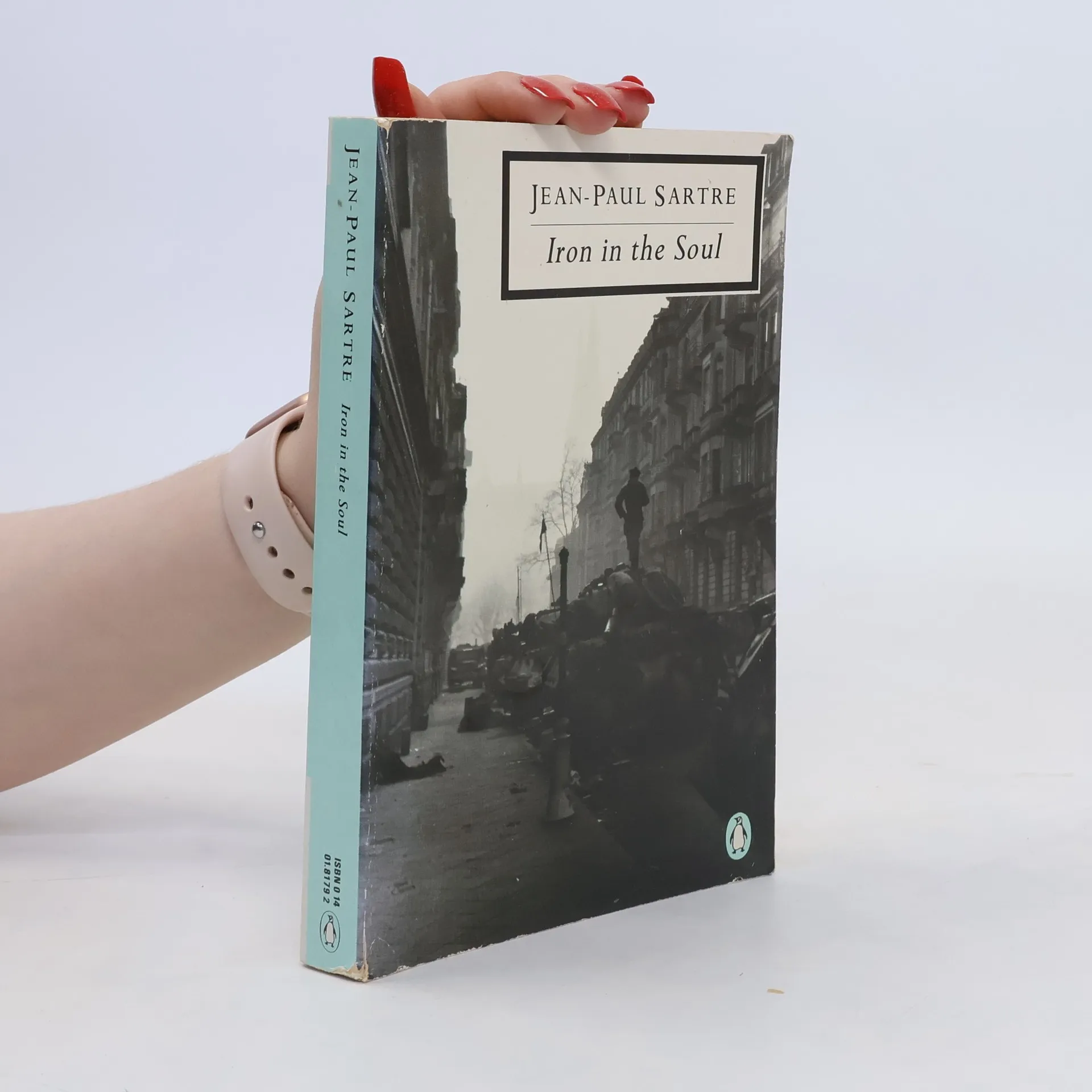
June 1940 was the summer of defeat for the French soldiers, deserted by their officers, utterly demoralized, awaiting the Armistice. Day by day, hour by hour, Iron in the Soul unfolds what men thought and felt and did as France fell. Men who shrugged, men who ran, men who fought and tragic men like Mathieu, who had dedicated his life to finding personal freedom, now overwhelmed by remorse and bitterness, who must learn to kill. Iron in the Soul, the third volume of Sartre's Roads to Freedom Trilogy, is a harrowing depiction of war and what it means to lose.
Libri correlati
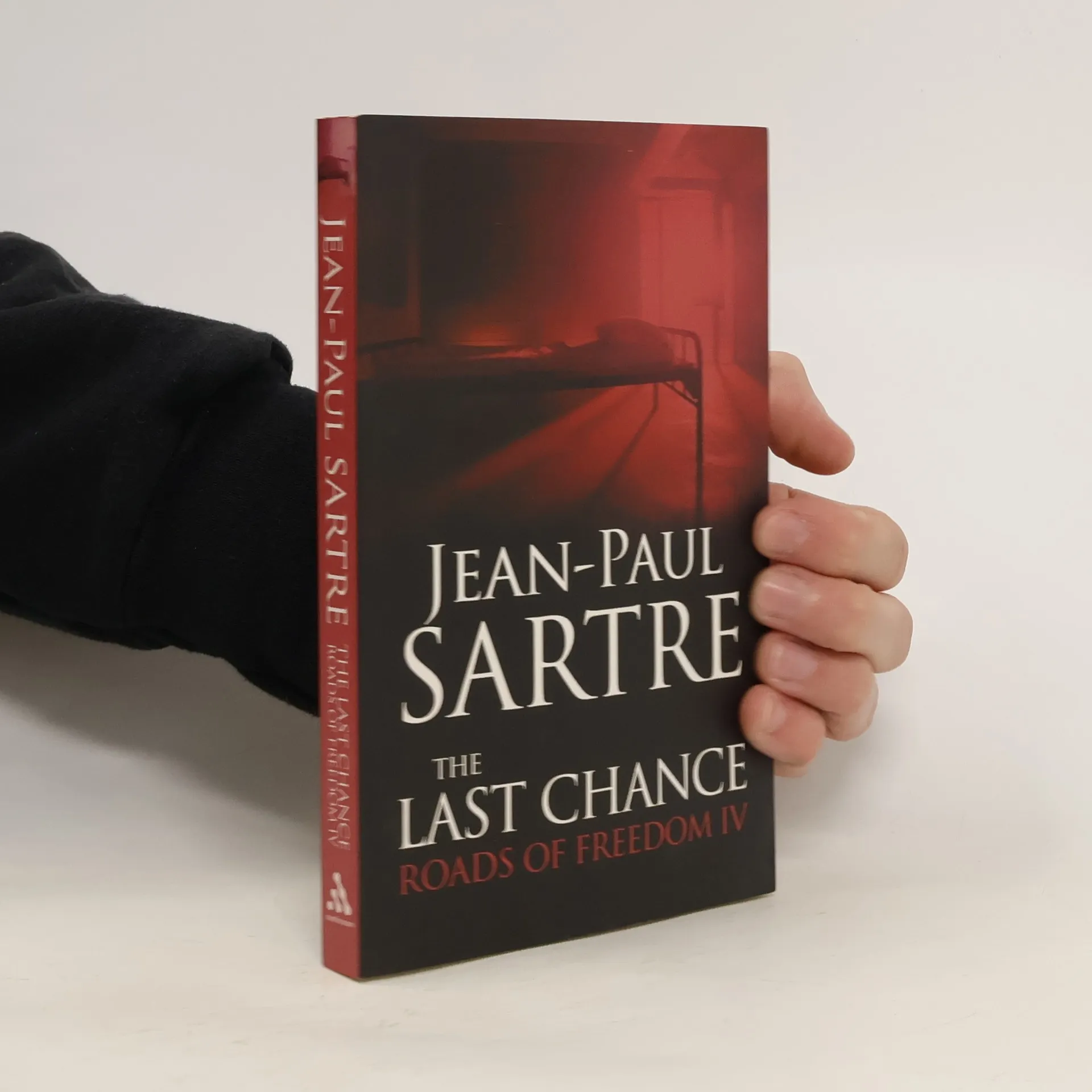
The first English translation of Sartre's unfinished fourth volume of Roads of Freedom, exploring themes central to Sartrean existentialism.