
Bookbot

Piccola Storia

Questa serie offre introduzioni coinvolgenti e accessibili a una vasta gamma di argomenti, perfette per menti curiose di ogni età. Ogni libro fonde sapientemente la storia con intuizioni personali, guidando i lettori dall'antichità ai giorni nostri. Con capitoli brevi e un tono amichevole, questi volumi sono compagni ideali per il pendolarismo o la lettura serale. Costituiscono la base per un'esplorazione duratura del mondo e delle sue idee.

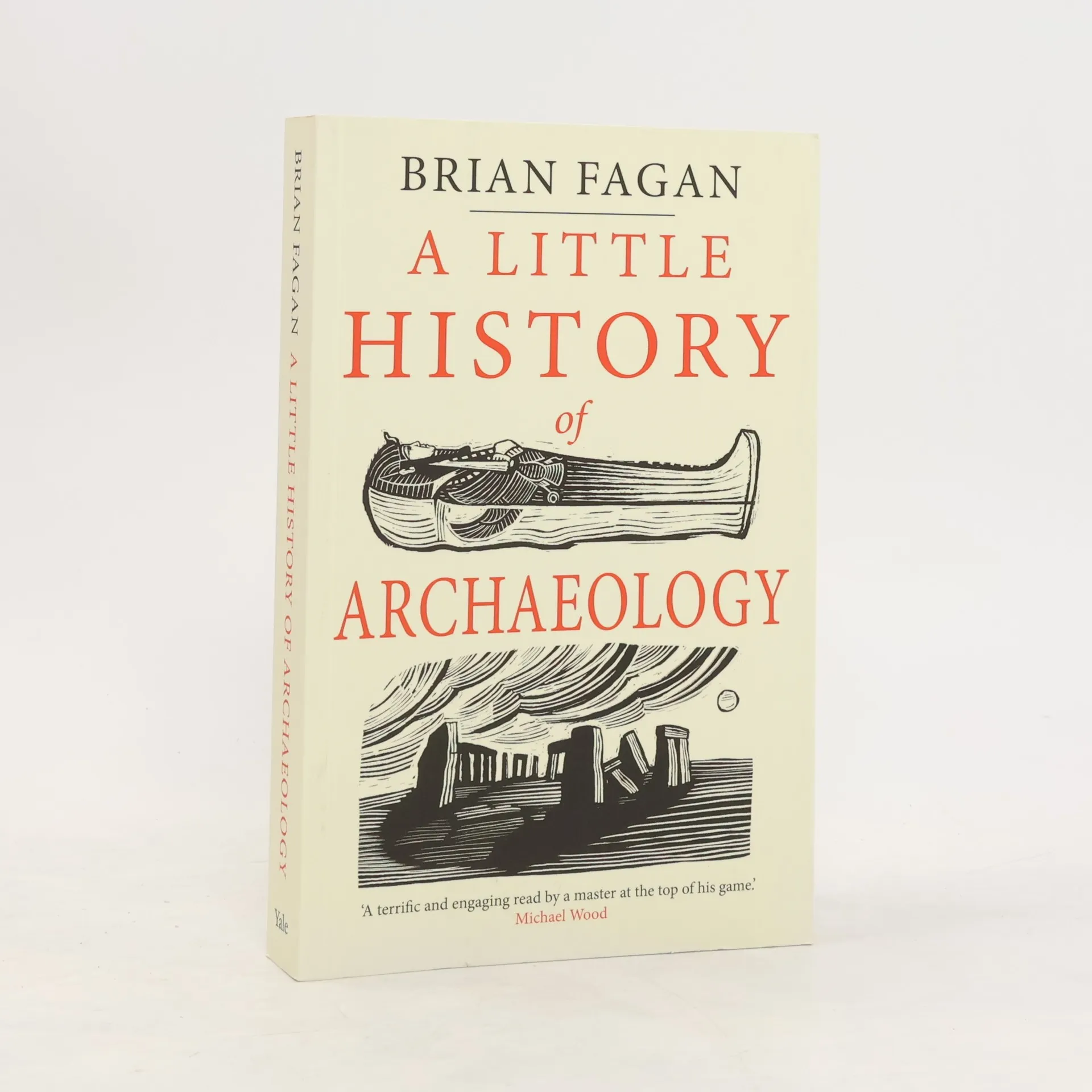
A Little History of Archaeology
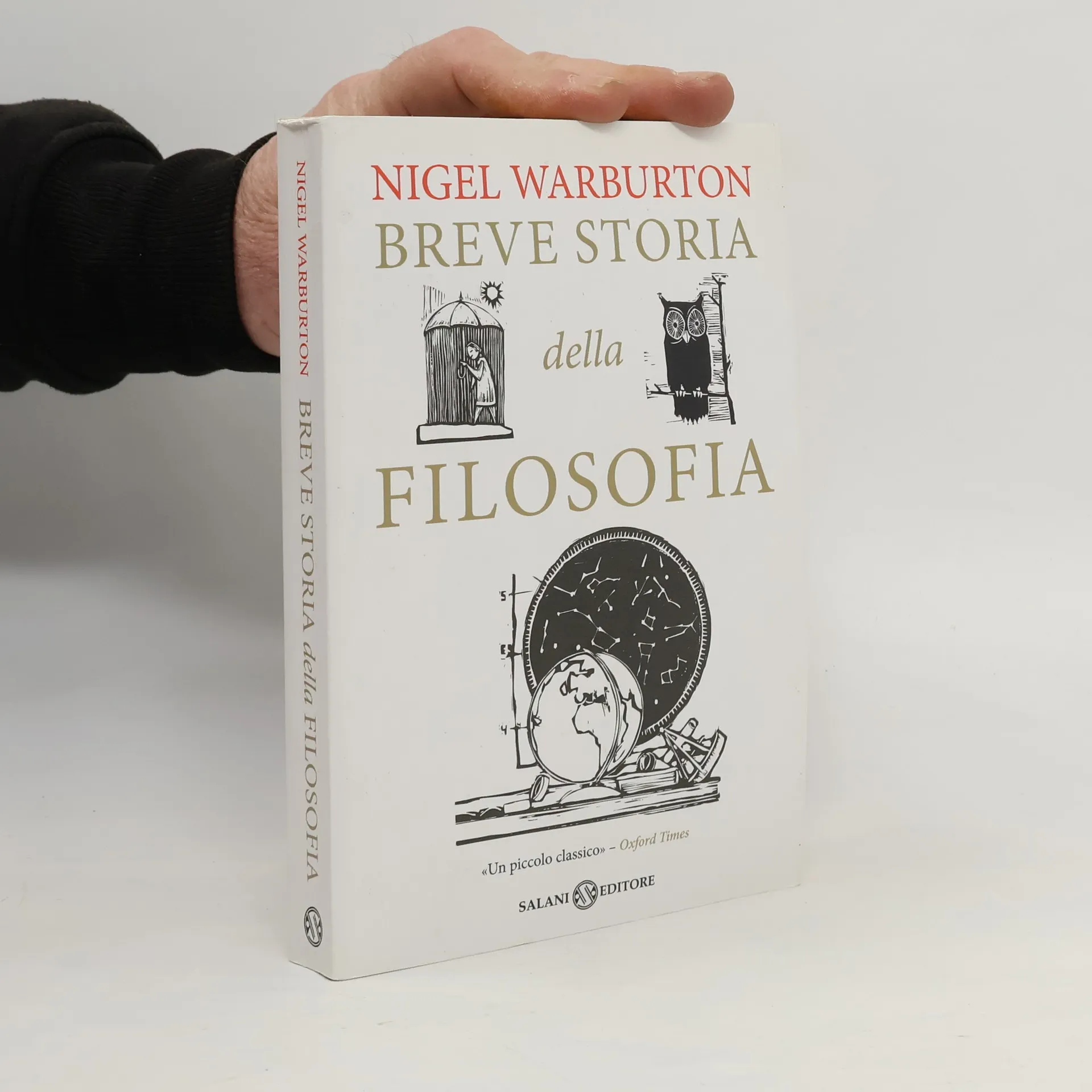
Breve storia della filosofia
A Little History of the United States
A Little History of Literature
A Little History of Science
A Little History of Economics
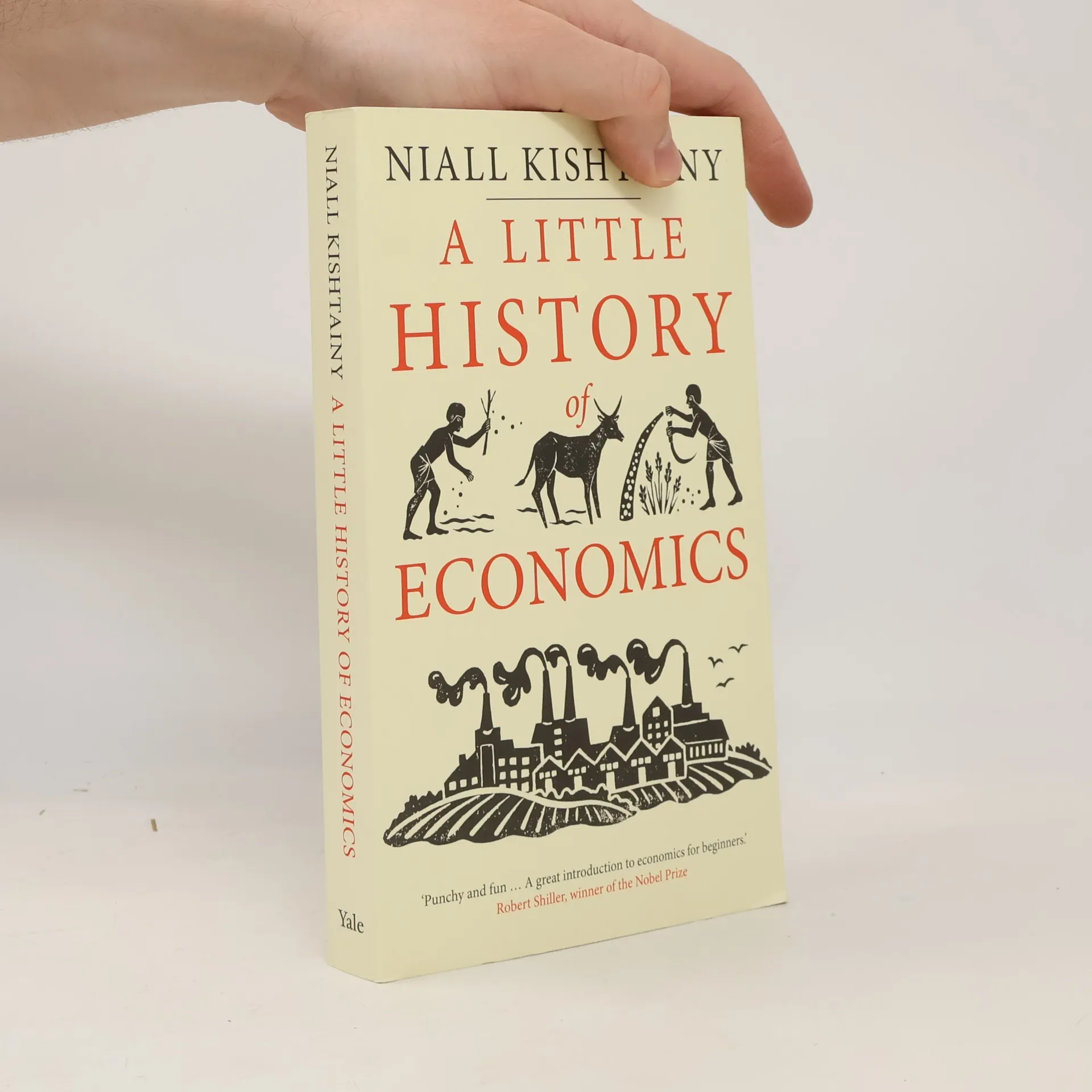
  • A lively, inviting account of the history of economics, told through events from ancient to modern times and through the ideas of great thinkers in the field "A whistle-stop introduction to the great works and thinkers of each age, this is a clear and accessible primer."--Laura Garmeson, Financial Times What causes poverty? Are economic crises inevitable under capitalism? Is government intervention in an economy helpful, or harmful? While the answers to such basic economic questions matter to everyone, the unfamiliar language and math of economics can seem daunting. This clear, accessible, and even humorous book is ideal for young readers new to economic concepts, and for readers of all ages who want to better understand economic history and ideas. Economic historian Niall Kishtainy organizes short chapters that center on big ideas and events. He introduces us to some of the key thinkers--Adam Smith, David Ricardo, Karl Marx, John Maynard Keynes, and others--while examining topics ranging from the invention of money to the Great Depression, entrepreneurship, and behavioral economics. The result is an enjoyable book that succeeds in illuminating the economic ideas and forces that shape our world.

    A Little History of Economics
    4,1
  • Science is fantastic. It tells us about the infinite reaches of space, the tiniest living organism, the human body, the history of Earth. People have always been doing science because they have always wanted to make sense of the world and harness its power. From ancient Greek philosophers through Einstein and Watson and Crick to the computer-assisted scientists of today, men and women have wondered, examined, experimented, calculated, and sometimes made discoveries so earthshaking that people understood the world, or themselves, in an entirely new way. This book tells the history of science. It takes readers to the stars through the telescope, as the sun replaces the Earth at the center of our universe. It delves beneath the surface of the planet, charts the evolution of chemistry's periodic table, introduces the physics that explain electricity, gravity, and the structure of atoms. It recounts the scientific quest that revealed the DNA molecule and opened unimagined new vistas for exploration. Emphasizing surprising and personal stories of scientists both famous and unsung, this book traces the march of science through the centuries. It opens a window on the exciting and unpredictable nature of scientific activity and describes the uproar that may ensue when scientific findings challenge established ideas

    A Little History of Science
    3,9
  • From The Epic of Gilgamesh to Harry Potter, this rollicking romp through the world of literature reveals how writings from all over the world can transport us and help us to make sense of what it means to be human

    A Little History of Literature
    3,9
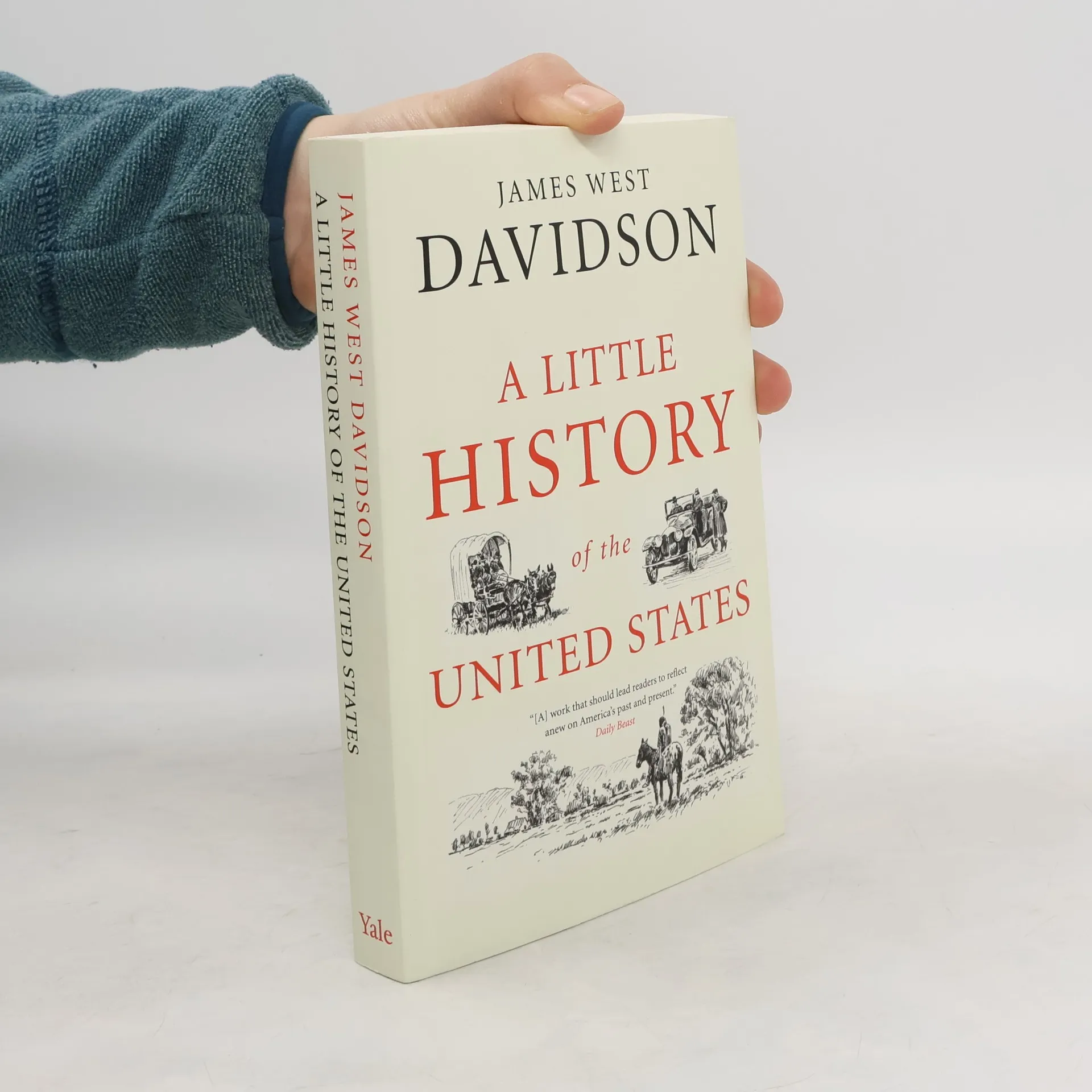
  • Describes how the United States developed from the first contact between extremely different cultures to its role as a superpower and explores how a country based on diversity seeks the sometimes contradictory goals of freedom and equality.

    A Little History of the United States
    4,1
  • Per molti la filosofia è una disciplina astratta e inavvicinabile, che si esprime con un linguaggio respingente e tratta argomenti lontanissimi dalla concretezza della vita. Per altri è una materia affascinante; ma da dove cominciare per affrontarla? La risposta è in questa Breve storia della filosofia. Con uno straordinario talento di divulgatore, il giovane filosofo Nigel Warburton racconta in quaranta capitoli semplici e chiari i protagonisti della storia della filosofia e le domande fondamentali alle quali, da Socrate a oggi, hanno cercato di rispondere. Domande che in realtà, almeno una volta nella vita, si pone chiunque: Dio esiste? Come dobbiamo comportarci nei confronti degli altri? Dobbiamo davvero avere paura della morte? Meglio la libertà o l’uguaglianza? Domande anche scottanti e attualissime: Fin dove può spingersi la scienza? E la libertà di pensiero e di parola? Com’è possibile che la storia degli esseri umani sia tanto piena di malvagità? Dalle risposte dei suoi protagonisti, la filosofia emerge non come un vuoto esercizio del pensiero, ma come lo strumento che da sempre guida l’umanità alla scoperta del mondo esterno e del mondo interiore, ponendo le basi per la scienza, la politica, la fede e l’etica. Uno strumento capace di rendere più ricca e interessante anche la vita quotidiana e di farlo in modo semplice e stimolante, proprio come in questo libro.
    Breve storia della filosofia
    4,2
  • The thrilling history of archaeological adventure, with tales of danger, debate, audacious explorers, and astonishing discoveries around the globe

    A Little History of Archaeology
    3,8
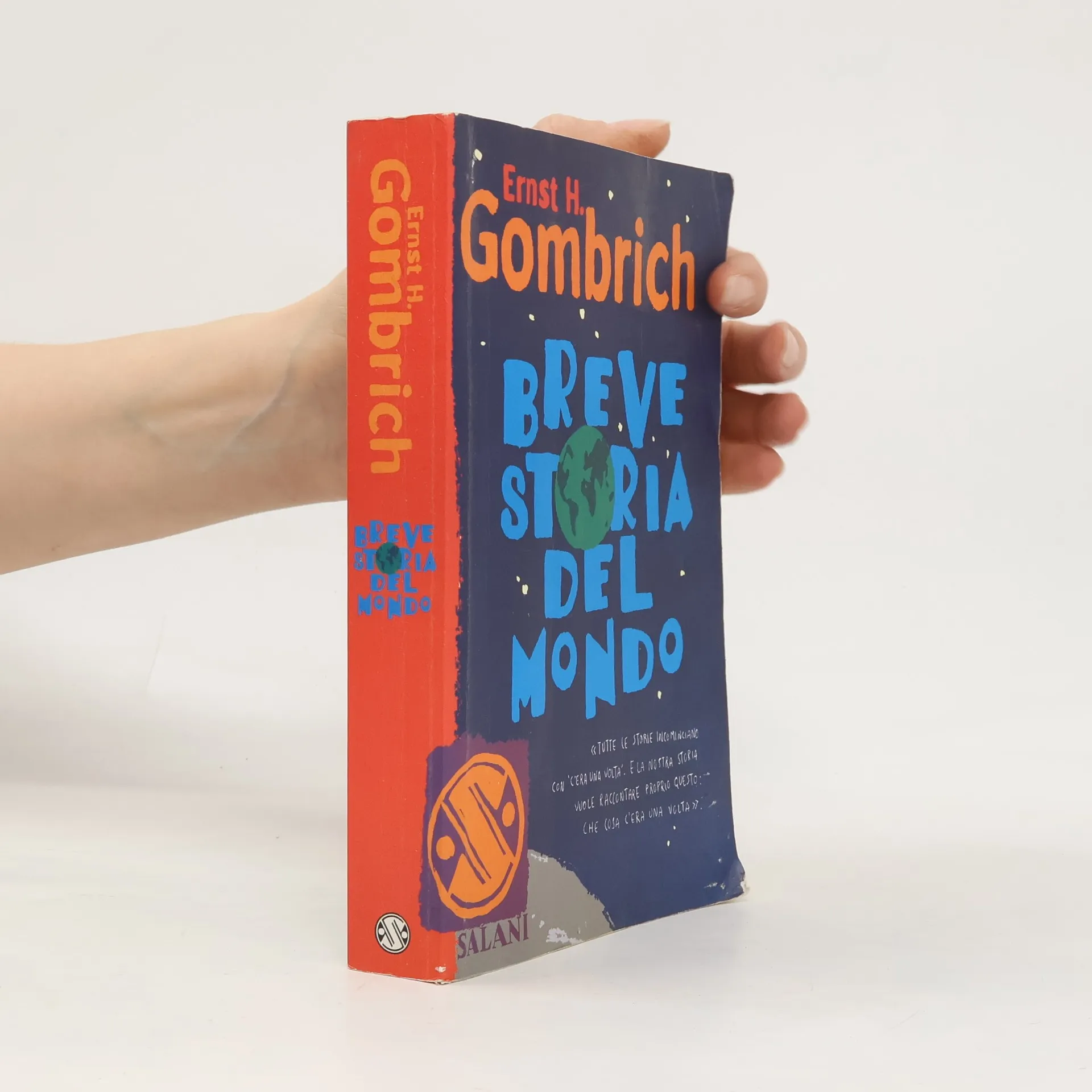
  • Un classico della divulgazione, un libro che coniuga completezza e semplicità, torna in una versione tascabile, con una nuova immagine coordinata, realizzata dall'illustratore Fabian Negrin. "La favola vera del progresso dell'umanità ridotta in volume di poco più di trecento pagine: un'impresa che richiede coraggio, per non dire faccia tosta. E una non trascurabile conoscenza della materia. Gombrich si rivolge al lettore dandogli del tu, ma non nella maniera condiscendente di uno zio saccente, piuttosto come un fratello maggiore che racconta una storia ai fratellini più piccoli. E la similitudine è appropriata anche per descrivere il livello della scrittura: dai fratelli si pretende infatti che capiscano, che sappiano anche pensare con la propria testa. Gombrich è esigente nell'affrontare la materia: mostra gli sviluppi e descrive i passaggi epocali. Ma per parlarne ricorre a una lingua semplice e trasparente. Non appena gli è possibile, poi presenta personaggi rappresentativi del loro tempo. Non da ultimo, il grande pregio di queste 'storie vere' è che si leggono d'un sol fiato, guadagnando così il senso dell'avvicendamento o della contemporaneità degli decadimenti della storia." Die Zeit

    Breve storia del mondo
    4,1
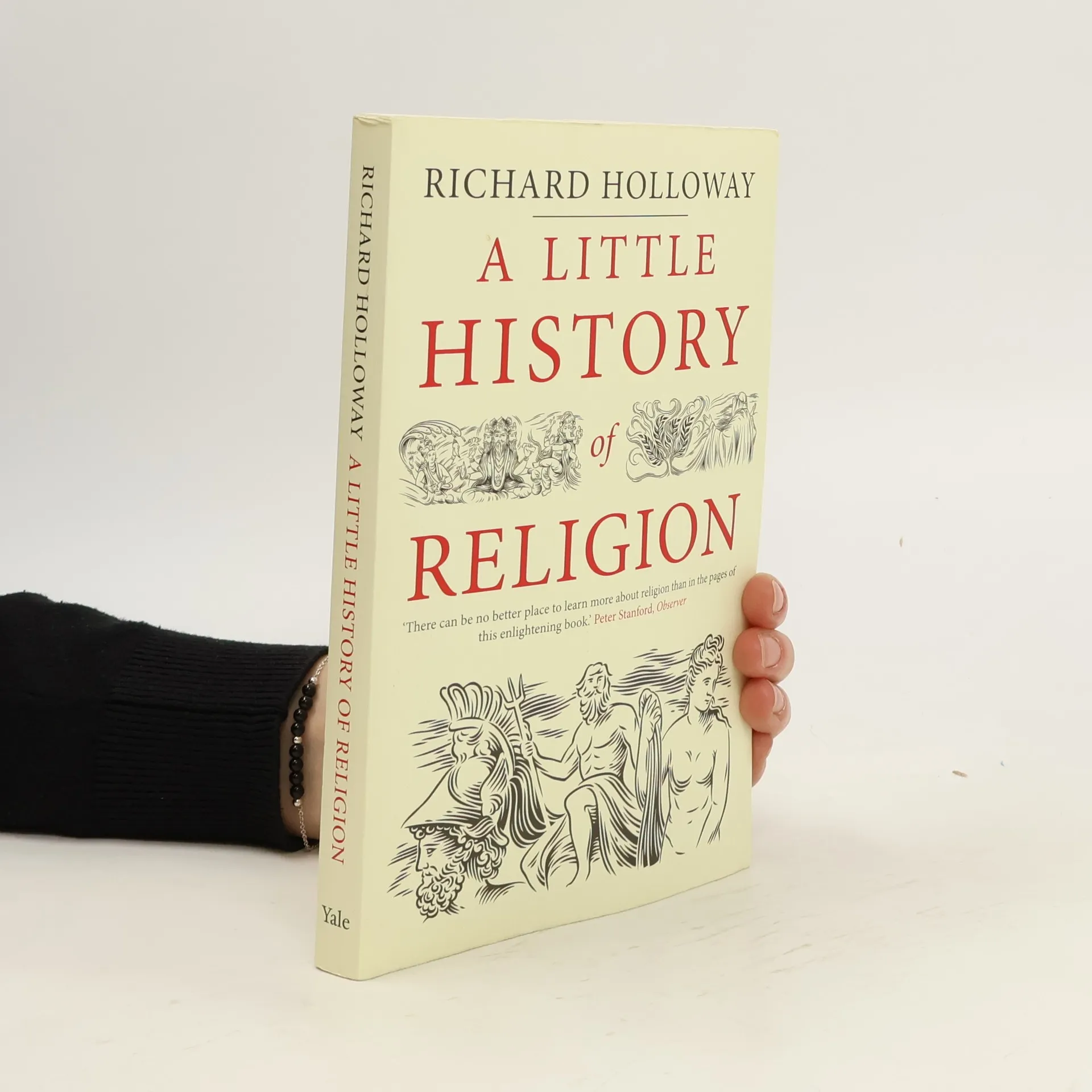
  • For curious readers young and old, a rich and colorful history of religion from humanity's earliest days to our own contentious times

    A Little History of Religion
    4,3
  • A little book of language

    • 272pagine
    • 10 ore di lettura

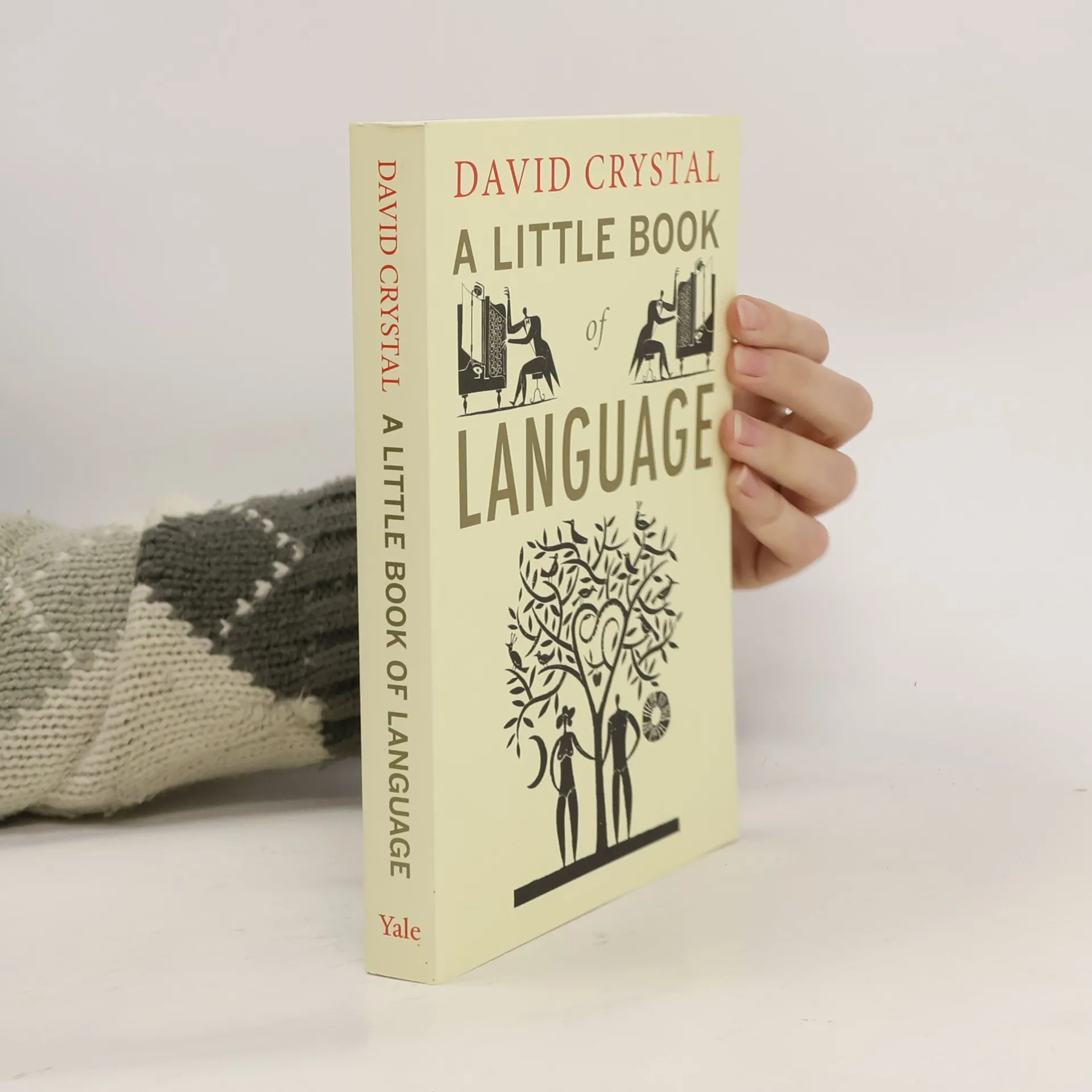
    A narrative history of language ranges from the first words of an infant to the modern dialect of text messaging, discussing linguistic styles, the origin of accents, and the search for the first written word.

    A little book of language
    3,8
