
Bookbot

Leonard Mlodinow

    26 novembre 1954

    Leonard Mlodinow è un fisico e autore le cui opere intrecciano senza soluzione di continuità le complessità della scienza con l'esperienza umana. La sua scrittura, profondamente influenzata dal suo passato di sopravvissuto all'Olocausto e dalla sua fascinazione per la meccanica quantistica, approfondisce questioni fondamentali sull'esistenza e sulla natura della realtà. Mlodinow articola queste intricate idee con uno stile chiaro e accessibile, guidando i lettori attraverso concetti complessi e aiutandoli a trovare un significato più profondo nel nostro universo. La sua prospettiva unica offre profonde intuizioni sulla comprensione scientifica e sul suo posto all'interno della narrazione umana.

    Leonard Mlodinow
    Elastic
    Stephen Hawking
    Stephen Hawking : A Memoir of Friendship and Physics
    The Grand Design
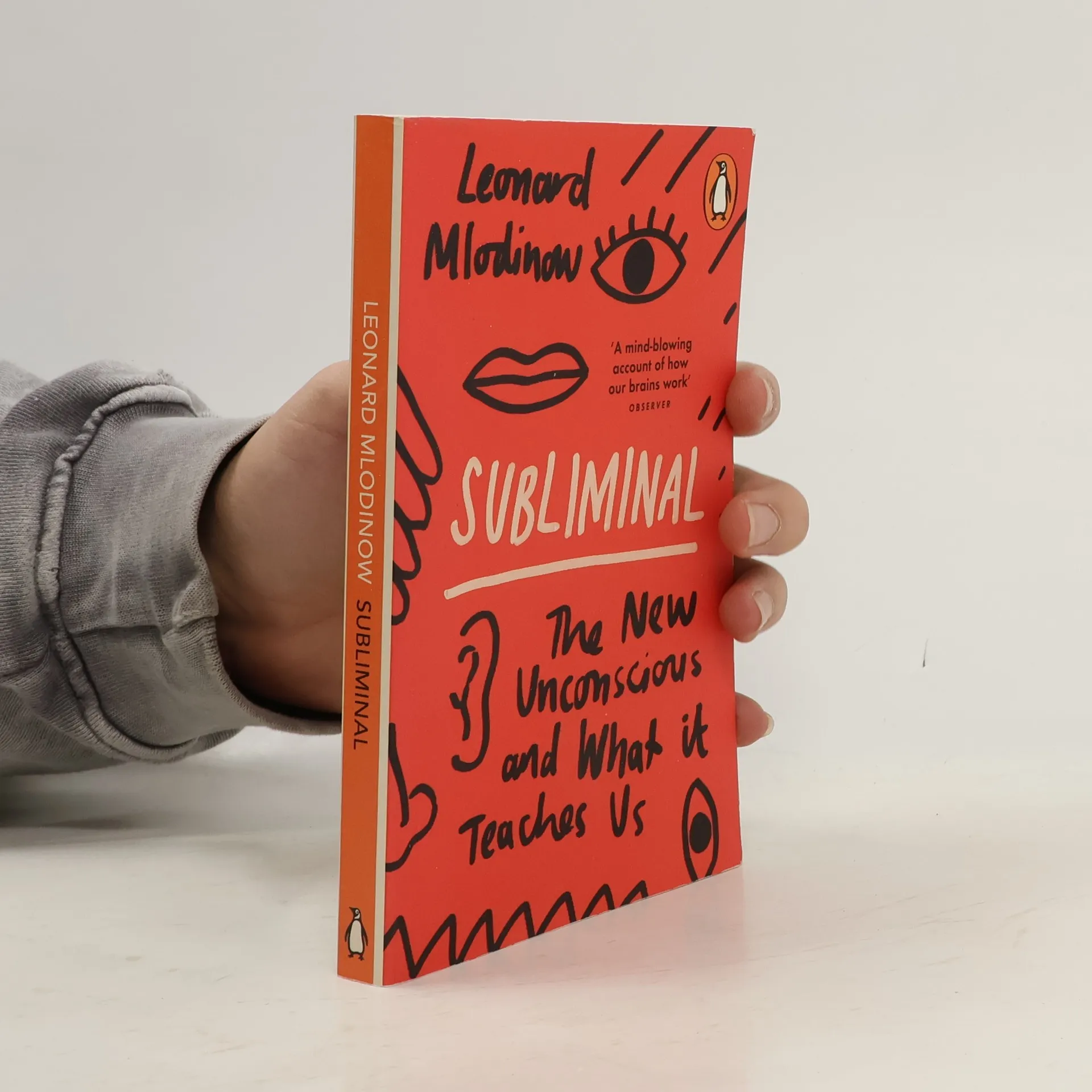
    Subliminal
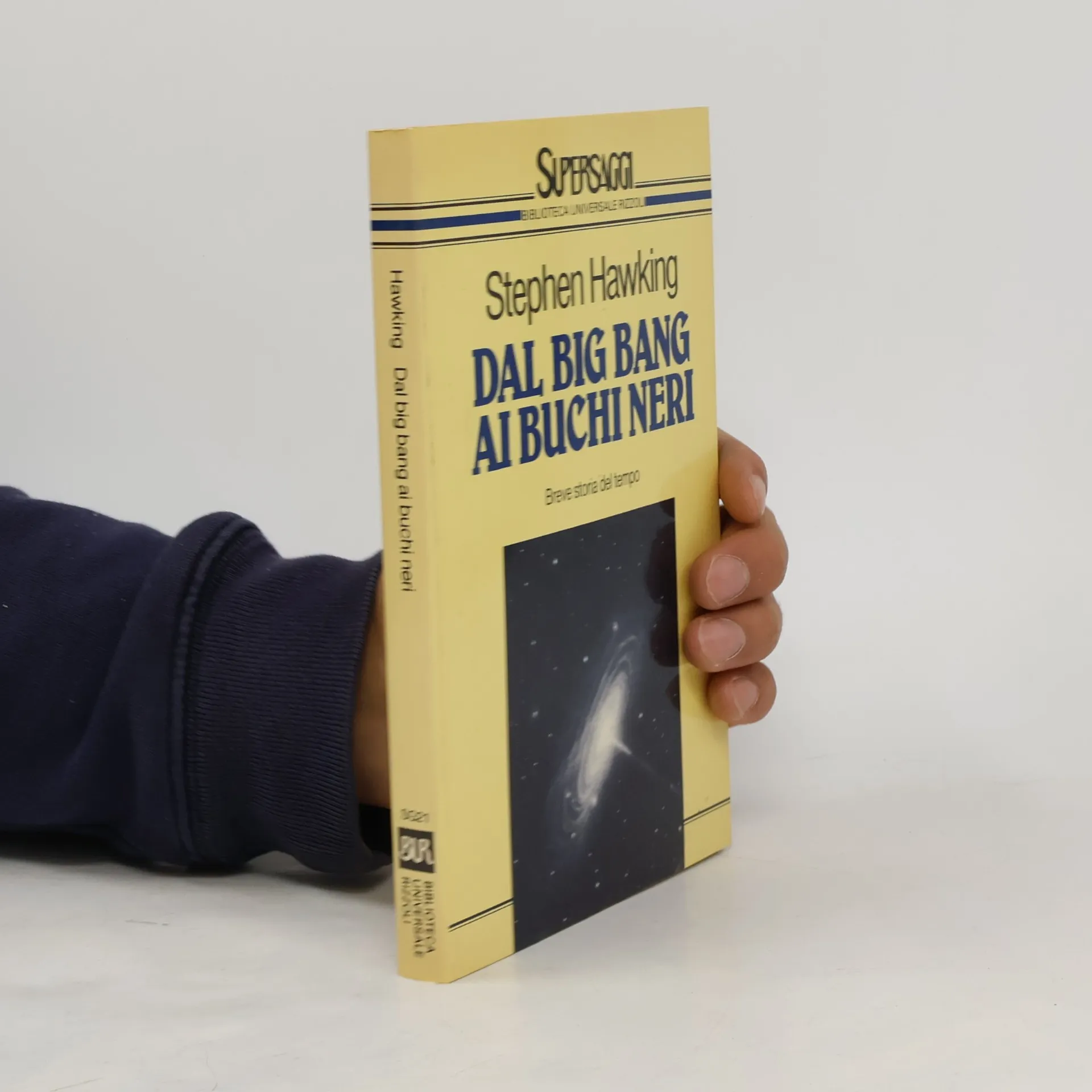
    Dal big bang ai buchi neri. Breve storia del tempo
    • Come ha avuto origine l'universo, e dove sta andando? Quando è cominciato il tempo? Il cosmo è destinato a espandersi per sempre, o un giorno comincerà a contrarsi? Nel creato c'è posto per un creatore? In questo bestseller internazionale diventato un classico della divulgazione scientifica, il grande astrofisico Stephen Hawking affronta i quesiti che l'uomo si pone da sempre e a cui la scienza è in grado di fornire risposte sempre più convincenti. Dalla struttura dello spazio e del tempo alla conformazione dell'universo, dalle particelle elementari ai buchi neri, grazie alla scrittura accattivante di Hawking possiamo esplorare le scoperte più affascinanti della fisica contemporanea. Un percorso irripetibile per comprendere l'ordine che sta dietro le cose e gli eventi dell'universo in cui viviamo, dal mondo infinitamente piccolo dei quanti alle estreme frontiere del cosmo.

      Dal big bang ai buchi neri. Breve storia del tempo
      4,2
    • Subliminal

      • 272pagine
      • 10 ore di lettura

      In Subliminal Leonard Mlodinow reveals the incredible hidden power of our unconscious, and how it shapes our experience of the world. We are only aware of 5% of what's going on in our brain. Almost everything we do - who we marry, how we interact with friends and colleagues, who we vote for, how we handle money, even what we think we remember about our past - is largely driven by the mind's subliminal processes and not by our conscious awareness, as we have long believed. Here Mlodinow unravels the subliminal self, showing us how the human mind really works. 'After reading this book, you will look at yourself (and those around you) in a new way.' Joseph T. Hallinan, author of Why We Make Mistakes 'With great wit and intelligence, Mlodinow takes us on a sweeping tour of the latest revelations in neuroscience.' Huffington Post 'An illuminating journey through a hidden world.' Nature 'Leonard Mlodinow never fails to make science both accessible and entertaining.' Stephen Hawking

      Subliminal
      4,1
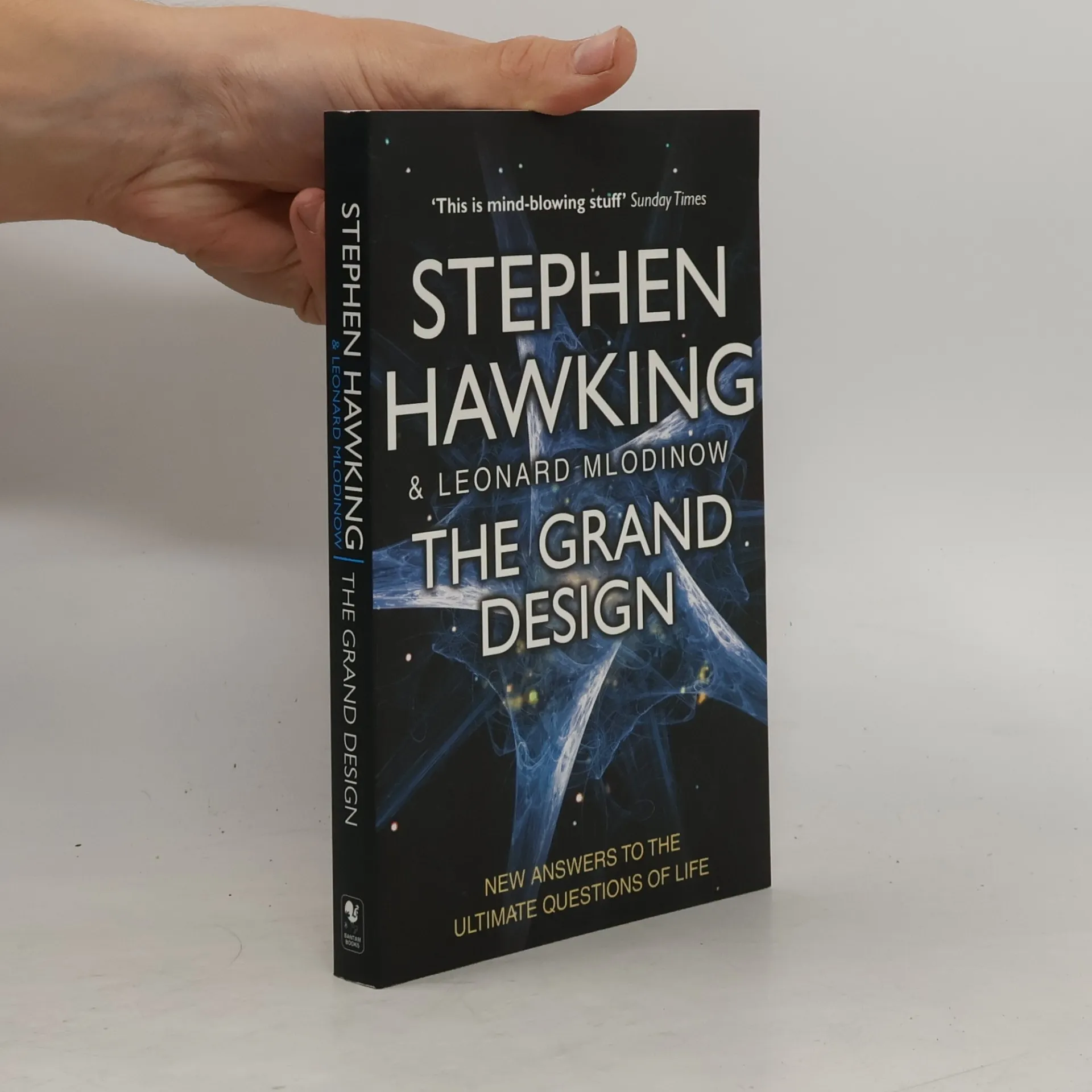
    • When and how did the universe begin? Why are we here? Is the apparent 'grand design' of our universe evidence for a benevolent creator who set things in motion? Or does science offer another explanation? In The Grand Design, the most recent scientific thinking about the mysteries of the universe is presented in language marked by both brilliance and simplicity. Model dependent realism, the multiverse, the top-down theory of cosmology, and the unified M-theory - all are revealed here. This is the first major work in nearly a decade by one of the world's greatest thinkers. A succinct, startling and lavishly illustrated guide to discoveries that are altering our understanding and threatening some of our most cherished belief systems, The Grand Design is a book that will inform - and provoke - like no other.

      The Grand Design
      4,1
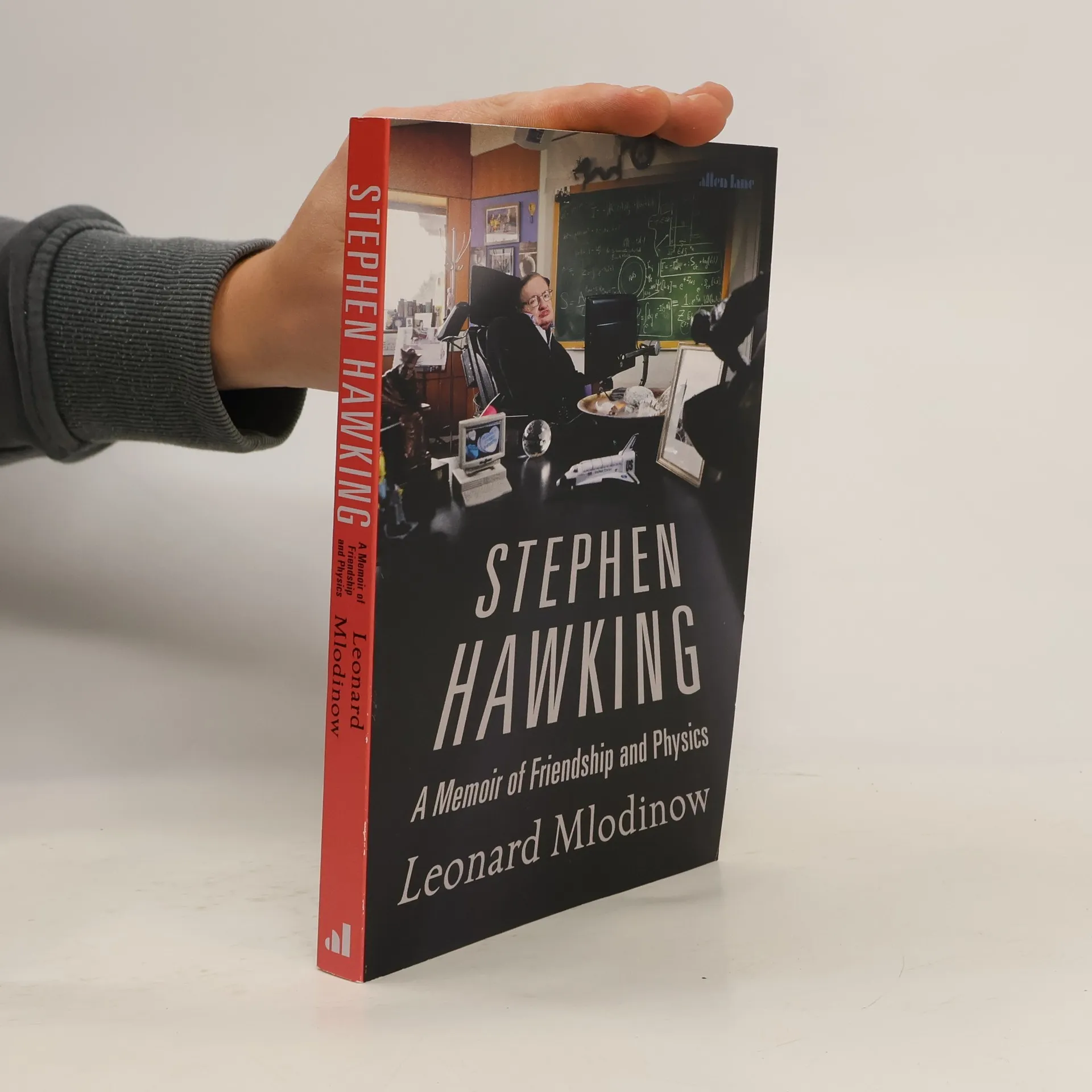
    • An icon of the last fifty years, Stephen Hawking seems to encapsulate genius: not since Albert Einstein has a scientific figure held such a position in popular consciousness. In this enthralling memoir, writer and physicist Leonard Mlodinow tells the story of his friend and their friendship, offering an intimate account of this giant of science. The two met in 2003, when Stephen asked Leonard if he would consider writing a book with him, the follow up to the bestselling A Brief History of Time. As they spent years working on a second book, The Grand Design, they forged a deep connection and Leonard gained a much better understanding of Stephen's daily life and struggles - as well as his compassion and good humour. Together they obsessed over the perfect sentence, debated the physics, and occasionally punted on Cambridge's waterways with champagne and strawberries. In time, Leonard was able to finish Stephen's jokes, chide his sporadic mischief, and learn how the hardships of his illness helped forge that unique perspective on the universe. By weaving together their shared story with a clear-sighted portrayal of Hawking's scientific achievements, Mlodinow creates a beautiful portrait of Stephen Hawking as a brilliant, impish and generous man whose life was not only exceptional but also genuinely inspiring.

      Stephen Hawking : A Memoir of Friendship and Physics
      3,8
    • Stephen Hawking

      • 240pagine
      • 9 ore di lettura

      An icon of the last fifty years, Stephen Hawking seems to encapsulate genius: not since Albert Einstein has a scientific figure held such a position in popular consciousness. In this enthralling memoir, writer and physicist Leonard Mlodinow tells the story of his friend and their friendship, offering an intimate account of this giant of science. The two met in 2003, when Stephen asked Leonard if he would consider writing a book with him, the follow up to the bestselling A Brief History of Time. As they spent years working on a second book, The Grand Design, they forged a deep connection and Leonard gained a much better understanding of Stephen's daily life and struggles - as well as his compassion and good humour. Together they obsessed over the perfect sentence, debated the physics, and occasionally punted on Cambridge's waterways with champagne and strawberries. In time, Leonard was able to finished Stephen's jokes, chide his sporadic mischief, and learn how the hardships of his illness helped forge that unique perspective on the universe. By weaving together their shared story with a clear-sighted portrayal of Hawking's scientific achievements, Mlodinow creates a beautiful portrait of Stephen Hawking as a brilliant, impish and generous man whose life was not only exceptional but also genuinely inspiring

      Stephen Hawking
      4,0
    • Elastic

      • 272pagine
      • 10 ore di lettura

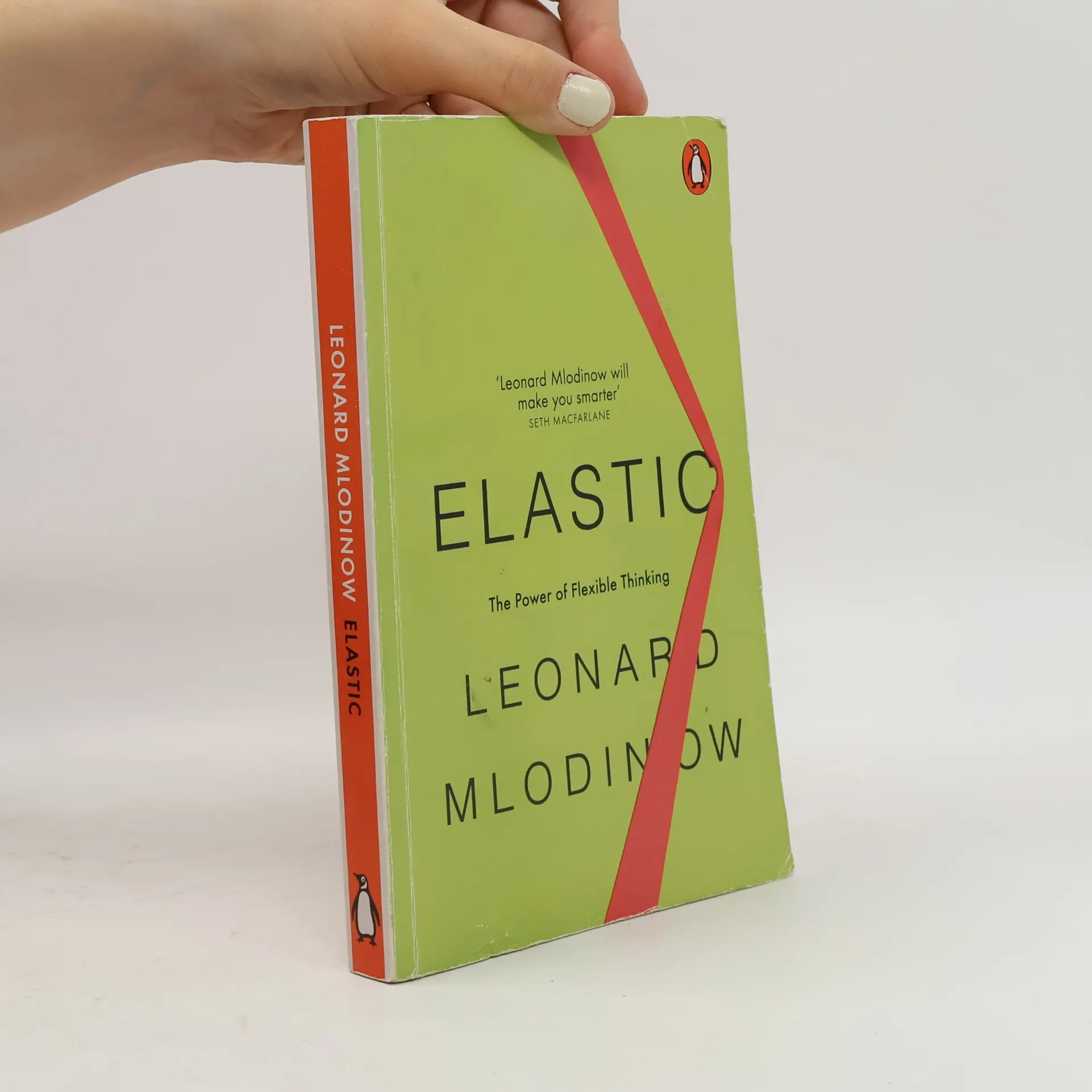
      The best-selling author of Subliminal and The Drunkard’s Walk teaches you how to tap into the hidden power of your brain. “Elastic is a book that will help you survive the whirlwind.” —Daniel H. Pink, author of When and A Whole New Mind Named to the 800-CEO-READ Business Book Awards Longlist In this startling and provocative look at how the human mind deals with change, Leonard Mlodinow shows us to unleash the natural abilities we all possess so we can thrive in dynamic and troubled times. Truly original minds capitalize when everyone else struggles. And most of us assume that these abilities are innate, reserved for a select few. But Mlodinow reveals that we all possess them, that we all have encoded in our brains a skill he terms elastic thinking—and he guides us in how to harness it. Drawing on groundbreaking research, Mlodinow outlines how we can learn to let go of comfortable ideas and become accustomed to ambiguity and contradiction; how we can rise above conventional mindsets and reframe the questions we ask; and how we can improve our ability to solve problems and generate new ideas—critical skills for achieving professional and personal success in our quickly morphing world.

      Elastic
      4,0
    • The upright thinkers

      • 352pagine
      • 13 ore di lettura

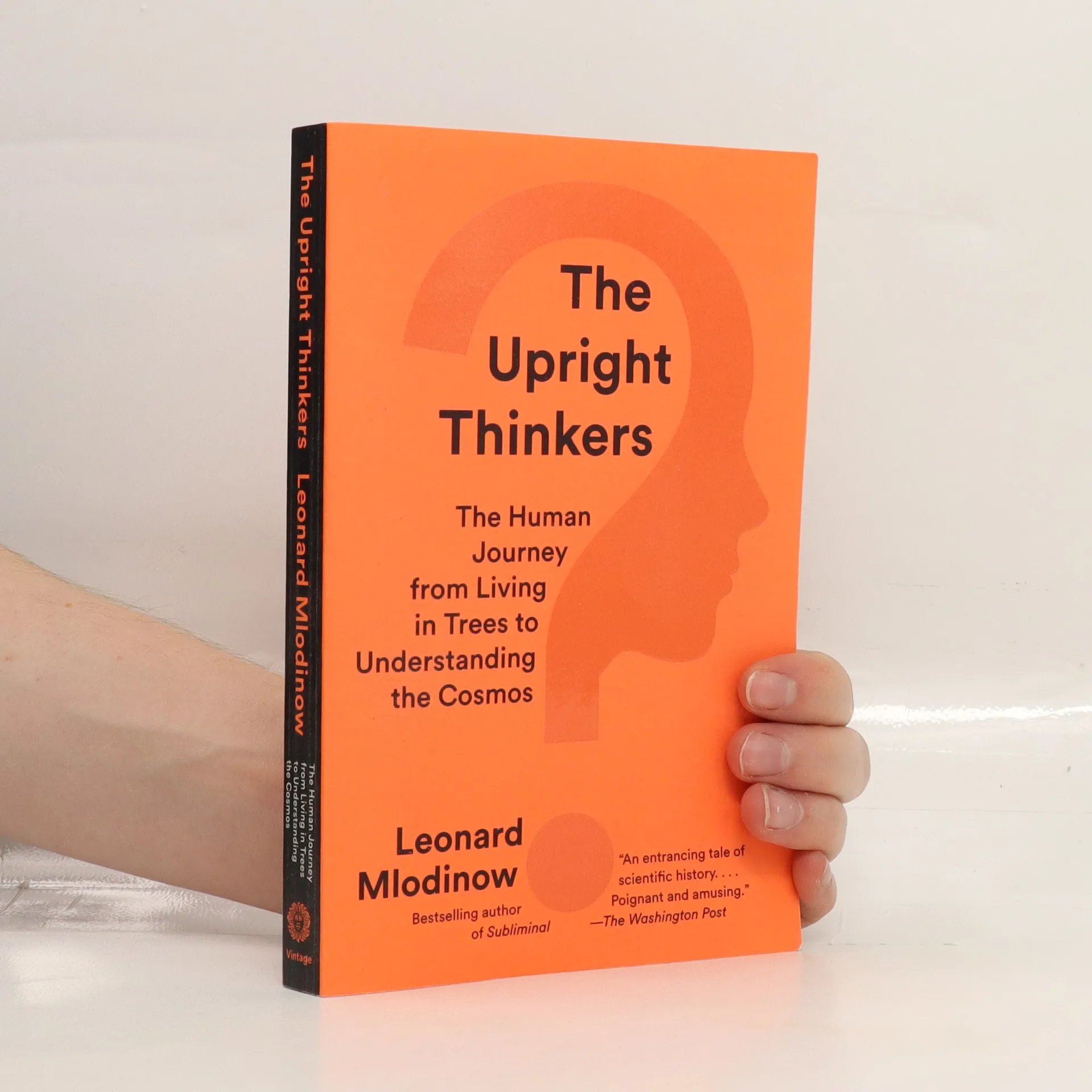
      How did a near-extinct species, eking out a meager existence with stone axes, become the dominant power on earth, able to harness a knowledge of nature ranging from tiny atoms to the vast structures of the universe? Leonard Mlodinow takes us on an enthralling tour of the history of human progress, from our time on the African savannah through the invention of written language, all the way to modern quantum physics. Along the way, he explores the colorful personalities of the great philosophers, scientists, and thinkers, and traces the cultural conditions—and the elements of chance—that influenced scientific discovery. Deeply informed, accessible, and infused with the author’s trademark humor and insight, The Upright Thinkers is a stunning tribute to humanity’s intellectual curiosity and an important book for any reader with an interest in the scientific issues of our day.

      The upright thinkers
      3,9
    • Leonard Mlodinow reveals the psychological illusions that prevent us understanding everything from stock-picking to wine-tasting, winning the lottery to road safety, and reveals the truth about the success of sporting heroes and film stars, and even how to make sense of a blood test. The Drunkard’s Walk is an exhilarating, eye-opening guide to understanding our random world – read it, so you won’t be left a victim of chance.

      The Drunkard's walk. How randomness rules our lives
      3,9
    • Euclid's Window

      The Story of Geometry from Parallel Lines to Hyperspace

      • 306pagine
      • 11 ore di lettura

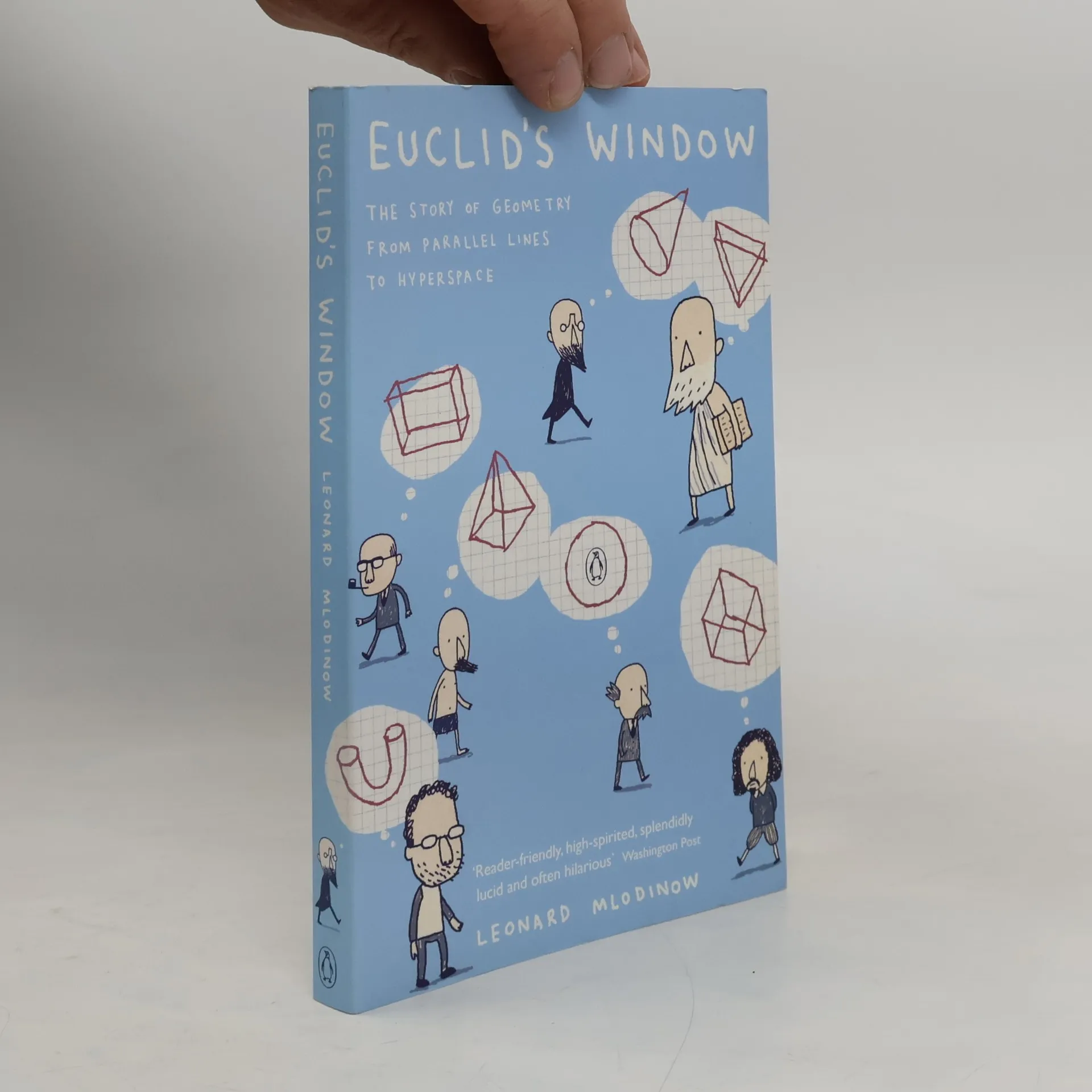
      With advances in technology and theory, mathematicians and physicists may finally have the tools they need to finish the quest begun by the Greeks -- to describe the nature of the space in which we live. In this fascinating book, Leonard Mlodinow looks through the window of geometry to trace the story of space from clever, real-estate conscious Egyptians to new quantum relativistic concepts of the twenty-first century.Along the way we get to know a cast of ingenious characters like the zealot Pythagoras who combined mathematics and religion in his unique ancient cult; the obscure Bishop of Liseux who invented the graph; Rene Descartes, who used his genius to win money at cards and came up with the revolutionary idea of x and y coordinates; Albert Einstein, a high school dropout who literally added a fourth dimension to our concept of space; and Edward Witten at Princeton, a man who today would like to add seven more. Mlodinow deftly weaves history, philosophy, and mathematics to create a fast-paced narrative of scientific breakthroughs. Full of intellectual surprises and told with authority and humor, Euclid's Window reveals that simple questions of geometry have led to the great revolutions in the history of science.

      Euclid's Window
      3,9
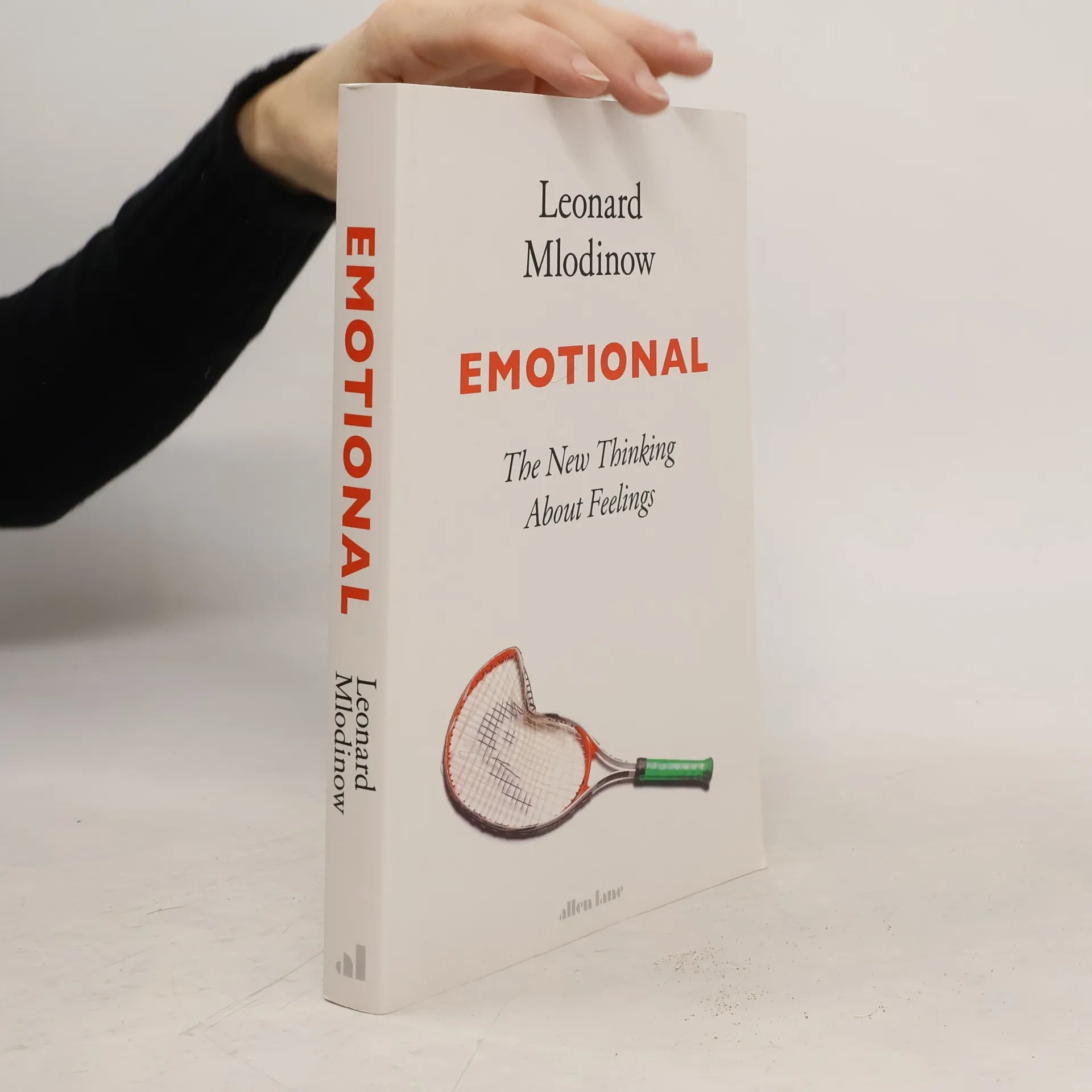
    • What are emotions? Where do they come from and how do they affect us? How can we control them? For most of human history, our emotions were thought to be a small set of crude states. Someone was angry, or they were sad; they were fearful or they were happy. It was believed that each only caused specific behaviours - the sad would cry, and the happy would laugh. And there was sense that these things called emotions were fundamentally at odds with our reason and logic; that feelings were passionate, unruly and got us in to trouble. But over the last decade, a revolution in science's understanding of the brain has led to a fundamental re-evaluation of the role feelings play in our day-to-day lives. Via maps of the mind, electromagnetic fields, and depression-easing phone apps, acclaimed author and scientist Leonard Mlodinow explores how our emotions are born, the role they play in forming our thoughts and decisions, and how we can harness our feelings to thrive in the modern world. Shot through with wit, lucid insight and extraordinary personal experience, Emotional is at once the definitive guide to the new science of feeling, as well as powerful call to rethink treatment for mental illness, our understanding of personal relationships, and ultimately our view of ourselves.

      Emotional : the new thinking about feelings
      3,8
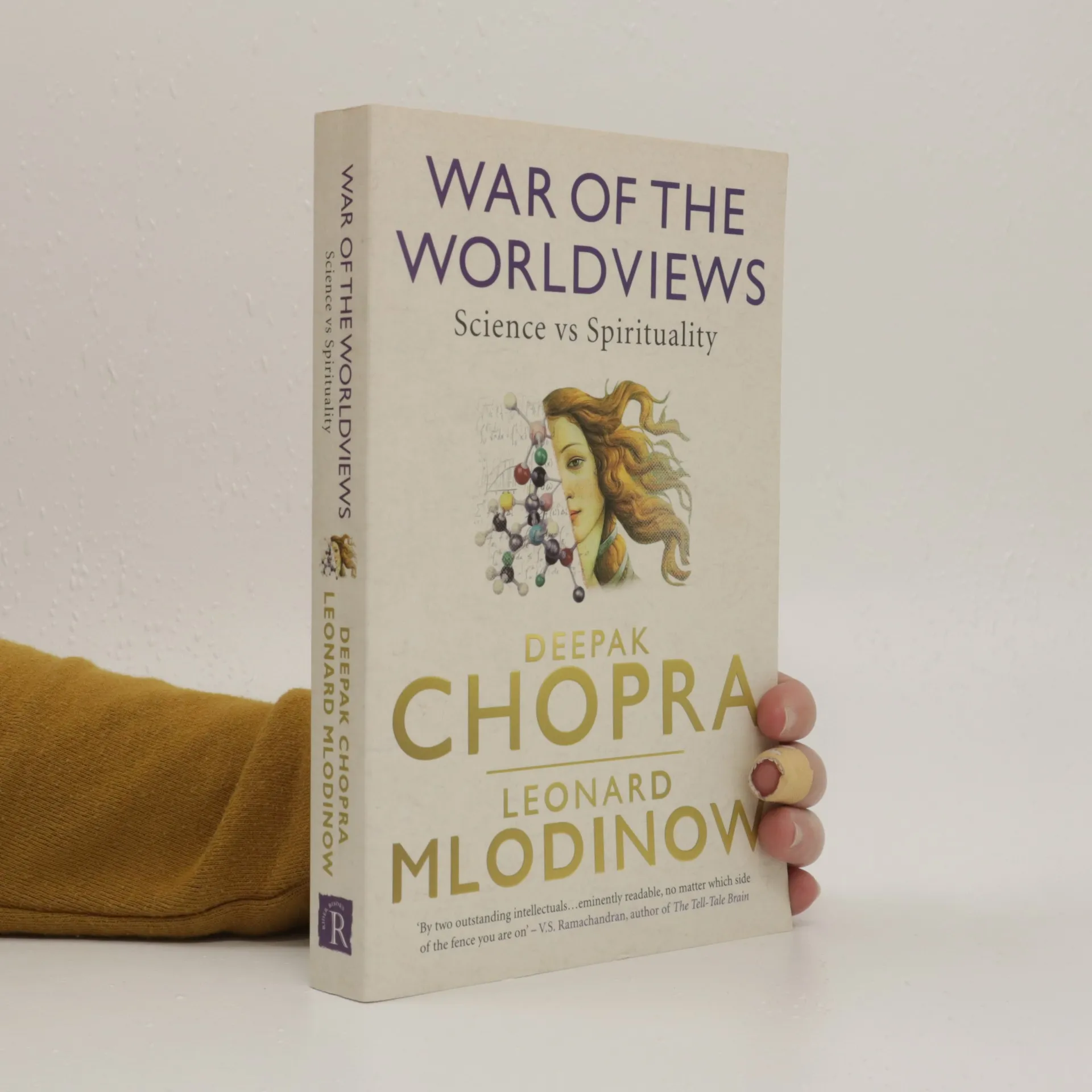
    • Richard Dawkins, Christopher Hitchens and Stephen Hawking have had a major impact on the loud and popular debate between 'aggressive atheists' and religion. The huge sales of their bestselling books show just how much interest people have in their ideas. Now 'the rock star of the new spirituality', Deepak Chopra, is entering this debate, sparring with leading physicist, Professor Leonard Mlodinow (the co-author, with Stephen Hawking, of The Grand Design). In War of the Worldviews, Chopra argues that there isdesign in our universe and a deep intelligence behind life. Without defending organised religion, he debunks randomness as an explanation for how Nature evolves and shows how consciousness comes first and matter second. On the other side, Mlodinow argues the viewpoint of science, specifically what modern quantum physics can tell us about our world. In his view, physics, genetics and cosmology will shed far more light on the big questions than rethinking ancient spiritual concepts can ever do. A major work of our time, War of the Worldviews will not only offer more food for thought for those fascinated by the two sides of this modern conundrum - it will also place Deepak Chopra firmly in the ring of some of the most remarkable, and bestselling, thinkers of our era.

      War of the worldviews : science vs. spirituality
      3,5
    • In this title, the author argues that there is design in our universe and a deep intelligence behind life. Without defending organised religion, he debunks randomness as an explanation for how Nature evolves and shows how consciousness comes first and matter second.

      Is God an Illusion?
      3,2
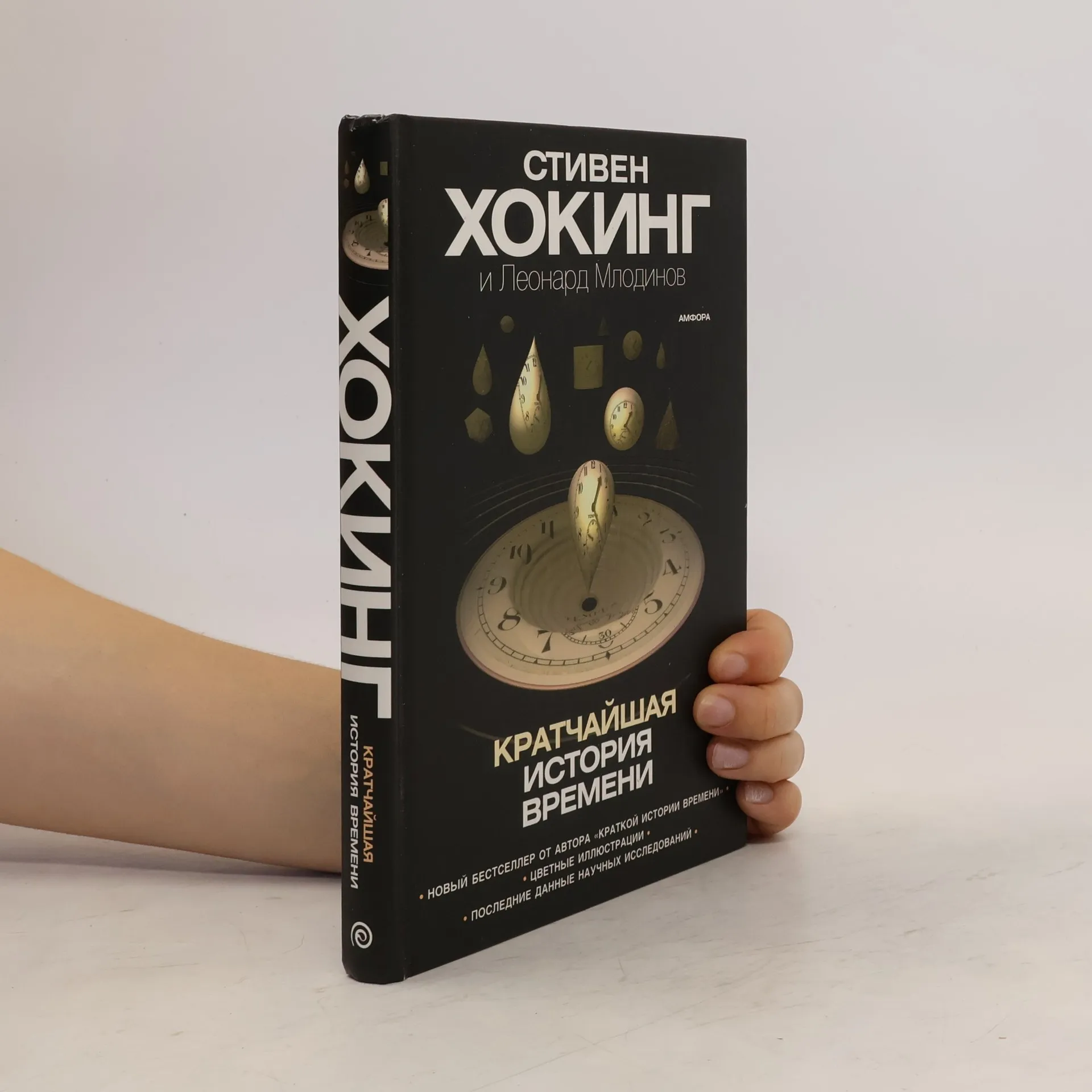
    • «Кратчайшая история времени» – больше, чем пространный комментарий к сложным понятиям и теориям, описанным в легендарной «Краткой истории». Авторы, Стивен Хокинг и Леонард Млодинов, спустя 17 лет, многое поменявших в астрофизике, новым взглядом смотрят на извечные вопросы: о природе пространства и времени, роли Бога в сотворении мира, о прошлом и будущем Вселенной. Данные, полученные астрономическими обсерваториями, космическими телескопами и физическими лабораториями, стали твердой опорой для теоретической физики, несколько десятилетий подряд сражающейся за стройную, единую теорию поля, должную объединить все известные виды взаимодействий. По убеждению многих, это теория струн, положения и следствия которой развернуто толкуют профессоры Хокинг и Млодинов. Черная материя и черная энергия, о которых мы знаем лишь благодаря гравитационным эффектам, путешествия во времени, на которые, как считаю авторы, «не стоит пока делать ставок» – всё это оказалось в фокусе их внимания. Издание содержит 37 цветных иллюстраций, дополняющих и украшающих текст.

      Кратчайшая истoрия времени
      4,5
    • Der große Entwurf

      Eine neue Erklärung des Universums

      • 192pagine
      • 7 ore di lettura

      In "Warum existieren wir?" untersucht Stephen Hawking fundamentale Fragen des Seins, wie die Existenz des Universums und die besonderen Gesetze, die es regieren. Das Buch bietet anregende und kühne Antworten auf die letzten Fragen des Lebens und des Universums.

      Der große Entwurf
      5,0
    • Leonard Mlodinow, Physiker und Autor, lehrte am California Institute of Technology (Caltech) in Pasadena. Er promovierte an der University of California in Berkeley zum Doktor der Physik und war u. a. Alexander-von-Humboldt-Stipendiat am Max-Planck-Institut für Astrophysik in Garching bei München. Weltbekannt wurde er als Koautor von Stephen Hawking mit den Bestsellern „Die kürzeste Geschichte der Zeit“ und „Der Große Entwurf“. Neben Lehr- und Sachbüchern hat er auch Drehbücher für die TV-Serien MacGyver und Star Trek: The Next Generation geschrieben. Bei Rowohlt erschienen seine internationalen Bestseller „Feynmans Regenbogen“ und „Wenn Gott würfelt“.

      Feynmans Regenbogen
      4,4
    • Das Fenster zum Universum

      Eine kleine Geschichte der Geometrie

      • 310pagine
      • 11 ore di lettura

      »Wie oft kann man schon sagen, dass man ein Buch über Mathematik - ja, über Mathematik! - regelrecht verschlingt? Bei diesem Buch ist es so. Packend wie eine Soap Opera, faszinierend wie ein Krimi, voller Humor wie ein Comic. Mlodinow ist ein glänzender Geschichtenerzähler.« Michael Guillen, Autor von Brücken ins Unendliche»Wenn es etwas gibt, das durch den Fortschritt in der Physik immer wieder bestätigt wird, dann die Tatsache, dass die Geometrie ein machtvolles Konzept darstellt, um das Universum zu beschreiben und zu verstehen. Leonard Mlodinow erzählt in seinem Buch Das Fenster zum Universum die faszinierende Geschichte dieser Wissenschaft: von der Antike bis zu den Entwicklungen der Superstring-Theorie. Vielleicht gibt es keinen besseren Weg, um uns auf die wissenschaftlichen Durchbrüche der Zukunft vorzubereiten, als die Sprache der Geometrie zu lernen - Das Fenster zum Universum macht dies zu einer lebendigen und unterhaltsamen Aufgabe.« Brian Greene, Autor von Das elegante Universum

      Das Fenster zum Universum
      4,5
    • Sądzisz, że świadomie kierujesz swoim życiem, podejmujesz racjonalne decyzje i z rozwagą kształtujesz swoje relacje z innymi? Jeśli tak, jesteś w błędzie. Dzięki zaawansowanym badaniom mózgu wiemy dziś z całą pewnością, że nasze wszystkie doświadczenia, sposób, w jaki poznajemy rzeczywistość, a także zachowania są w ogromnym stopniu zdeterminowane przez procesy przebiegające poza granicami naszej świadomości. Słynny naukowiec, Leonard Mlodinow odkrywa przed czytelnikami zaskakujące i egzotyczne siły działające pod powierzchnią naszych umysłów oraz pokazuje, jak działają instynkty powstałe w nieświadomości, które zazwyczaj mamy za w pełni świadome i racjonalne przyczyny zachowań. Wyjaśnia, że jeśli chcemy naprawdę zrozumieć świat, a także pokonać przeszkody, które uniemożliwiają nam cieszenie się pełnią życia, musimy zrozumieć, jaki wpływ ma na nasze działania ten skryty przed naszymi oczyma, podprogowy świat.

      Nieświadomy mózg
      4,2
    • Kniha Souboj světových názorů nabízí poučenou a hlubokou debatu věnující se častým střetům duchovních a vědeckých přístupů k porozumění realitě světa. V tomto po dlouhá staletí trvajícím sporu, jehož závěr je pochopitelně v nedohlednu, bývaly mnohdy užívány mnohem „pádnější“ či hrubší argumenty, než jen poklidná výměna názorů, s níž se setkáváme v této knize. Lékař Deepak Chopra a fyzik Leonard Mlodinow nabízejí čtenářům řadu úvah a snadno srozumitelných výkladů rozličných zásadních otázek, podstatných pro formulaci světového názoru: od podstaty mysli a vědomí přes problematiku vývoje života až po Boha a úlohu našeho mozku.

      Souboj světových názorů : setkání moderní vědy se spiritualitou
      3,7
    • Het grote ontwerp

      Een nieuwe verklaring van het universum - druk 5

      • 212pagine
      • 8 ore di lettura

      Sinds het verschijnen van Het heelal in 1988 is de exacte wetenschap in een stroomversnelling terechtgekomen. Stephen Hawking, een van de meest vooraanstaande wetenschappers en denkers van onze tijd, staat aan het hoofd van deze renaissance. In Het grote ontwerp gaan Stephen Hawking en Leonard Mlodinov verder waar Albert Einstein gebleven was. De in Het heelal aangekondigde 'theorie van alles' wordt in dit unieke boek verder uitgewerkt. De theorie is gebaseerd op ruim veertig jaar onderzoek van Hawking, aangevuld met de recentste exacte studies. Geschreven in de duidelijke en levendige stijl waar Hawking om bekendstaat, neemt dit boek de lezer mee op zijn wetenschappelijke queeste, op zoek naar de diepste geheimen van het universum. Hij onderzoekt de verschillen tussen verleden en toekomst, legt de aard van realiteit uit en stelt de belangrijke vraag: hoe ver kunnen we gaan in onze zoektocht naar begrip en kennis?

      Het grote ontwerp
      3,8
    • Poruszające spojrzenie na rolę uczuć w codziennym życiu podważa powszechny pogląd, że rozum i emocje są przeciwieństwami. Każdego dnia podejmujemy setki decyzji, od wyboru śniadania po inwestycje, a żadna z tych decyzji nie byłaby możliwa bez emocji. Autor wskazuje na postępy w psychologii i neurobiologii, które dowodzą, że emocje są równie ważne jak myślenie. Zrozumienie emocji pomaga w lepszej komunikacji, radzeniu sobie z frustracją, strachem i niepokojem, a także w dążeniu do szczęścia. Leonard Mlodinow, podróżując między laboratoriami a dramatycznymi sytuacjami, pokazuje, jak emocje mogą nas wspierać, ale również ranić, oferując cenne nauki w obu przypadkach. Jego prace są doceniane przez ekspertów, którzy podkreślają, że książka jest przejrzystym, pomocnym dziełem, które wciąga w fascynującą naukę o emocjach. Mlodinow przedstawia trwającą ponad sto lat batalię o zrozumienie natury emocji, co czyni tę książkę inspirującą przygodą na linii frontu odkryć naukowych. To doskonały sposób na zgłębianie nauki o emocjach, oferujący wnikliwe obserwacje dotyczące relacji między myśleniem a uczuciami.

      CD MP3 Emocje. Jak uczucia kształtują nasze myślenie
    • Zwei Bestsellerautoren im Streitgespräch über die großen Fragen unseres Lebens Ein führender Wissenschaftsautor und eine herausragende spirituelle Persönlichkeit diskutieren über Kosmos, Evolution, Leben, Geist und Gott. Spannendes Debattenbuch in der Tradition von Fritjof Capra. Wissenschaft erforscht die Welt, wie sie sich den fünf Sinnen und dem Verstand zeigt; Spiritualität betrachtet das Universum als absichtsvoll und durchdrungen von Sinn. Entsprechend gibt es unterschiedliche Antworten bei grundlegenden Fragen wie »Was ist Leben?«, »Wie ist das Universum entstanden?«, »Wie sind Gehirn und Geist verbunden?«, »Ist Gott eine Illusion?«. Die beiden Bestsellerautoren Deepak Chopra und Leonard Mlodinow (Co-Autor von Stephen Hawking) nähern sich diesen Fragen von zwei Seiten: von der naturwissenschaftlichen und der spirituellen. Wer hat Recht? In einer Zeit des Übergangs, in der die alten religiösen Sicherheiten bröckeln, aber auch die Wissenschaft im Zeitalter der Quantenpyhsik die Grenzen des materiellen Weltbildes berührt, ist die Diskussion der beiden Autoren hoch aktuell. Kann Spiritualität die Lücke ausfüllen, die die Kirchen hinterlassen? Und ermöglicht die Quantenphysik einen Brückenschlag zwischen Geist und Materie? Ein spannendes Debattenbuch in der Tradition der großen Brückenbauer zwischen Wissenschaft und Spiritualität.

      Schöpfung oder Zufall?