

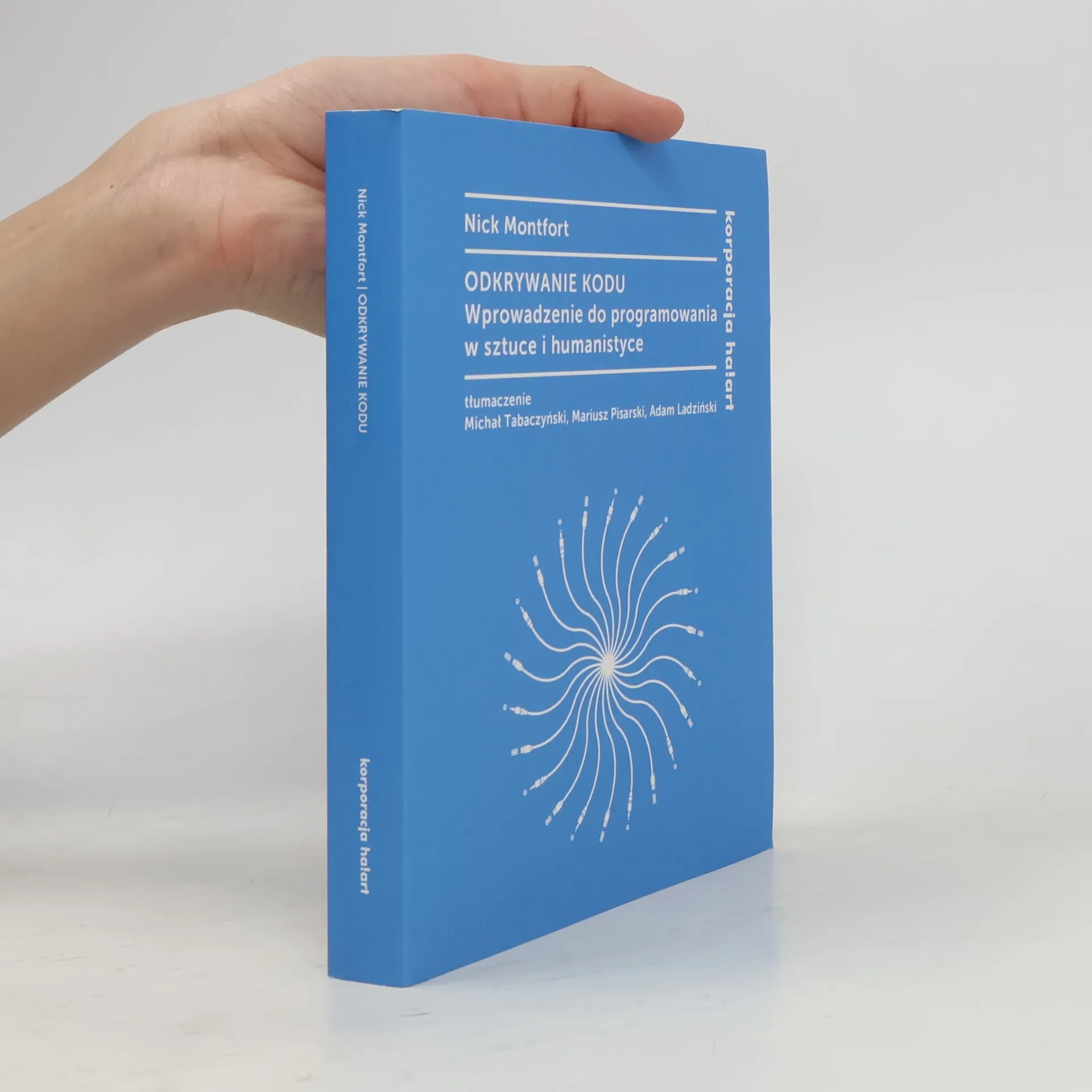
Wydawałoby się, że napisanie podręcznika programowania i rozprawy o perspektywach sztuki oraz humanistyki w zmieniającym się świecie technologii komputerowych jest niemożliwe. Jednak Nick Montfort podejmuje to ryzyko, łącząc programowanie z refleksją kulturową. Programiści in spe mają zobaczyć w tym część nauki o sztuce, a artyści i badacze humanistyki nauczyć się myśleć o swoich dyscyplinach za pomocą narzędzi programistycznych. Dzięki temu humaniści zyskują podręcznik programowania od podstaw oraz inspirację do eksploracji swoich dziedzin. Książka Montforta to podręcznik programowania skierowany do humanistów, artystów i przedstawicieli zawodów kreatywnych, przeznaczony do lektury oraz samodzielnej pracy na własnych urządzeniach. Czytelnik znajdzie w niej rozdziały dotyczące grafiki, animacji, dźwięku, tekstu, statystyki i wizualizacji danych. To lektura obowiązkowa dla tych, którzy pragną nauczyć się programować, a nigdy wcześniej tego nie robili. Montfort podkreśla także filozofię programowania, dowodząc, że zmienia ona perspektywę w humanistyce i sztuce, umożliwiając artystom i humanistom nowe podejście do interesujących ich zagadnień.
Nick Montfort Ordine dei libri (cronologico)
Nick Montfort è professore di media digitali al MIT, il cui lavoro approfondisce l'affascinante regno della finzione interattiva. Esplora come ci impegniamo nella narrazione e spinge i confini dell'espressione creativa attraverso la programmazione per le arti e le discipline umanistiche. La ricerca di Montfort colma il divario tra tecnologia e sforzi artistici, offrendo spunti unici sui nuovi media.

10 PRINT CHR$(205.5+RND(1)); : GOTO 10
- 328pagine
- 12 ore di lettura
A single line of code offers a way to understand the cultural context of computing. This book takes a single line of code—the extremely concise BASIC program for the Commodore 64 inscribed in the title—and uses it as a lens through which to consider the phenomenon of creative computing and the way computer programs exist in culture. The authors of this collaboratively written book treat code not as merely functional but as a text—in the case of 10 PRINT, a text that appeared in many different printed sources—that yields a story about its making, its purpose, its assumptions, and more. They consider randomness and regularity in computing and art, the maze in culture, the popular BASIC programming language, and the highly influential Commodore 64 computer.
Twisty Little Passages. An Approach To Interactive Fiction
- 302pagine
- 11 ore di lettura
Montfort explores the rise of independent creators and the growth of an online interactive fiction community in the 1990s, highlighting the impact of interactive fiction on various literary and gaming forms.
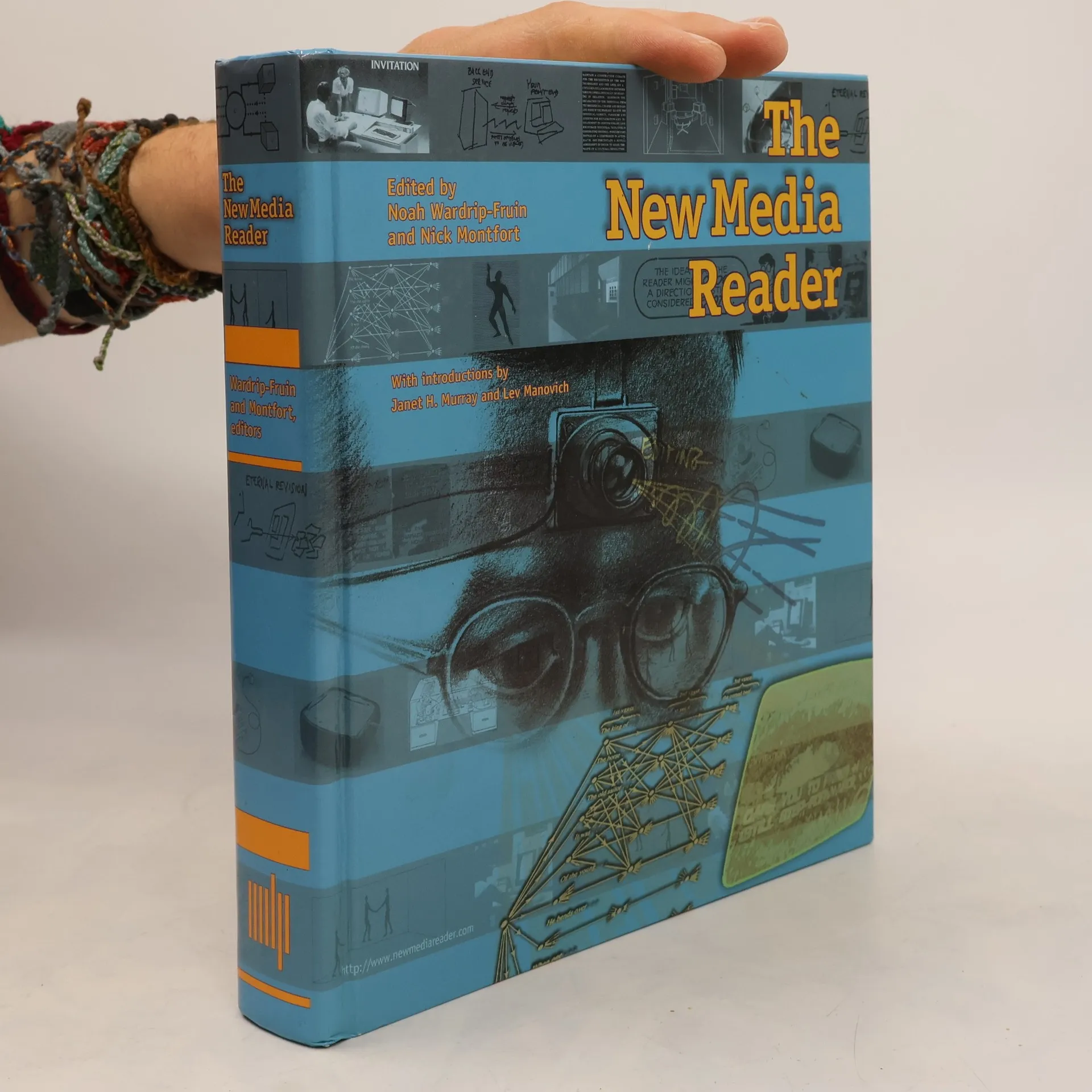
The New Media Reader
- 823pagine
- 29 ore di lettura
This reader compiles rare texts, videos, and programs that trace the development of new media, featuring contributions from notable figures like Borges, Turing, and McLuhan. It includes historical context and significance, alongside a CD with early games, digital art, and key video documentation of pioneering media works.