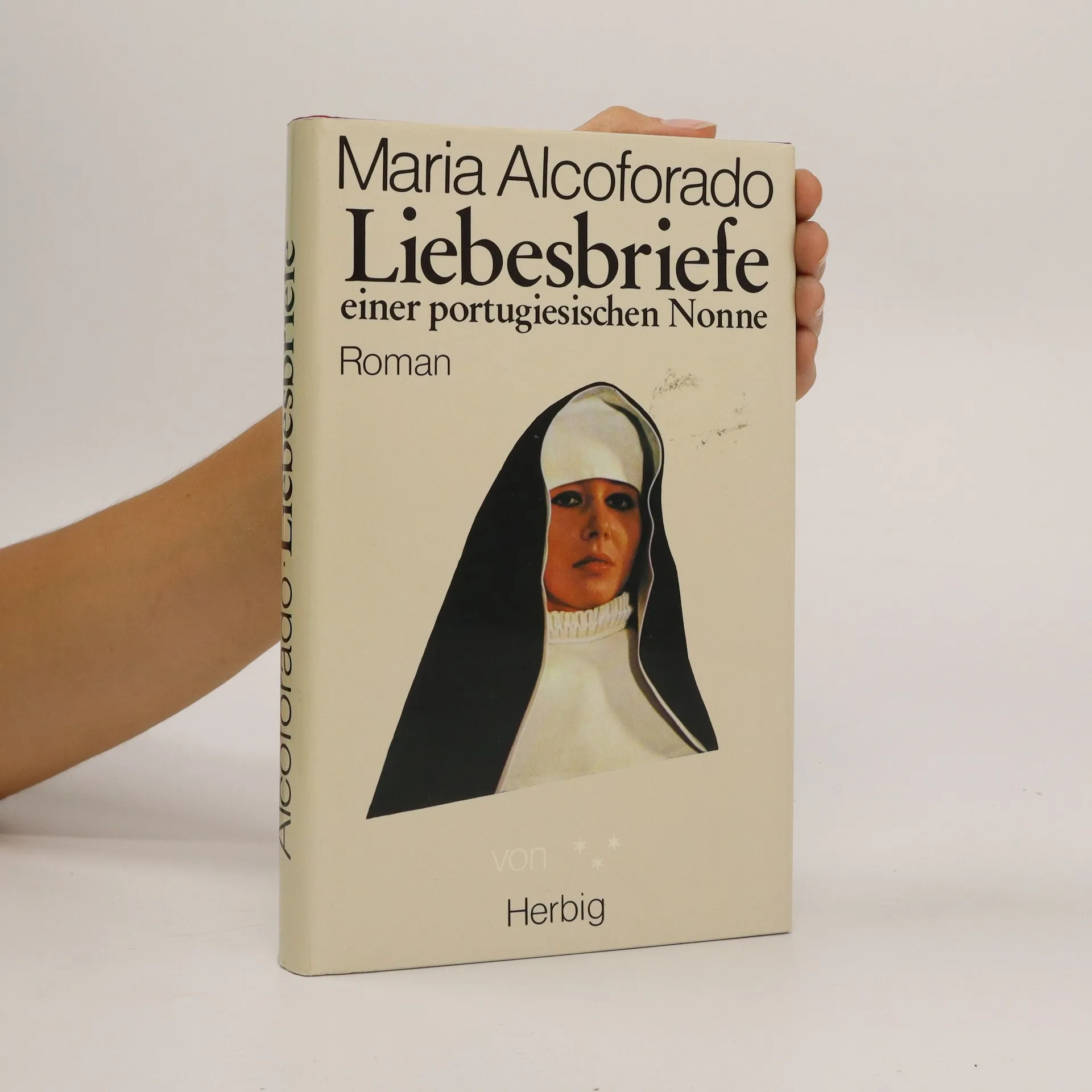
Liebesbriefe einer portugiesischen Nonne
- 240pagine
- 9 ore di lettura


Mariana Vaz Alcoforado fu una monaca portoghese la cui vita rimase inestricabilmente legata al suo convento di Beja. Il suo nome è più famoso per le Lettere di una monaca portoghese, una raccolta che approfondisce temi di amore proibito e turbamento emotivo. Sebbene l'autorialità di queste lettere rimanga oggetto di dibattito accademico, con alcuni che le attribuiscono a un altro scrittore, la narrazione di una monaca devota e dei suoi affetti appassionati, sebbene forse non corrisposti, ha avuto risonanza nel corso dei secoli. La sua presunta relazione con un ufficiale francese consolidò la fama del suo convento nei circoli letterari.


Stendhal wrote in " Life of Rossini" " It is necessary to have loved as implacably as the Portuguese Nun, and with all the unquenchable ardour of which she has left us so vivid an echo in her immortal Letters" First published in 1668 by then small Parisian bookseller Claude Barbin, the Love Letters of a Portuguese Nun (known in French as " Portuguese Letters translated into French" or " Portuguese Letters" ) witnessed immediate success. It is one of the first fictional epistolary novels that inspired many to come in French literature, such as Dangerous Liaisons by Pierre Choderlos de Laclos and Julie by Jean-Jacques Rousseau. The Love Letters comprise of five love letters written by a Portuguese nun cloistered in the Franciscan convent of Beja to the French officer who went to Portugal to support the Portuguese in their war of independence against the Spanish and had loved her and left her. The letters showcase a remarkable depth of psychological insight into the inner workings of a woman in love, bearing witness to a gradual yet pivotal development of self-awareness and an elegantly controlled depiction of passion.
Domnělé autentické milostné dopisy ze 17. století, dopisy portugalské jeptišky Marianny Alcoforadové francouzskému šlechtici de Chamillymu. Teprve nyní na základě (zahraničních) odborných studií bylo objeveno, že jde o umělecké dílo francouzského autora (1628-1685), podílejícího se významně na politickém, společenském a kulturním životě doby Ludvíka XIV.