Under the city something waits in the dark. It feeds on waste, debris and weakness and casts an ink black reflection of the corruption in the Mayor's office. Fat Tony Marsland plans his Expo and ignores the coming pandemic whilst Jason, a powerless failure, deserted and almost broken, falls in love with Jenny. Jenny is a thief. In 1347 Jani Beg lays seige to the city of Caffa before commiting an act that will bring the black death to the rest of the world. You can't fight the Rat King, if you don't kill it you are it.
"Uno spettro si aggira per l'immaginario collettivo, e questo spettro si chiama Frankenstein. Mary Shelley ha indubbiamente creato un capolavoro, ma anche una sorta di icona pop, divenuta proverbiale e versatile, tale da essere evocata nelle situazioni più impensate. [...] Da un lato Frankenstein suscita interesse come ipotesi sulla possibilità di un mortale di sostituirsi a Dio, o alla Natura, mentre dall'altro riporta alla luce ogni sentimento di orrore e di repulsione radicato nei più profondi recessi dell'animo umano. Sotto questo punto di vista, l'impatto dell'opera sul lettore è duplice, stimolandone allo stesso modo l'interesse così come le più cupe emozioni; il ritmo serrato dell'inseguimento assieme ai crimini perpetrati dal mostro contribuiscono ulteriormente a tenere alta la tensione, mentre il pericolo della cosiddetta "hideous progeny" - a cui la creatura potrebbe dare origine se dotata di una compagna della stessa specie - provoca le stesse paure generate dal dilagare di una pestilenza". (Dall'introduzione di Giorgio Borroni)
«Era orribile sentire nel buio tutte quelle creature viscide ammucchiate su di me, come essere in una mostruosa ragnatela.» "'La macchina del tempo' è del 1895, l'edizione definitiva dell'uomo delinquente di Lombroso è del 1897: a Darwin, rapidamente divulgato, era già subentrato il darwinismo, tanto che Wells, che pure aveva fatto un discreto tirocinio prima come studente e poi come docente di biologia, arriva a concepire la regressione per una via tutta formale: se dalla scimmia è derivato l'uomo, si chiede, perché non immaginare un'ulteriore evoluzione non in avanti ma all'indietro ? Perché escludere «l'idea opposta», cioè una «regressione zoologica»? Per questa via Wells giunse a ipotizzare la totale estinzione del genere umano, come inscenato appunto nella parte finale (la cosiddetta «visione ulteriore») della Macchina del Tempo. Dipendendo dal raffreddamento del sole, la visione finale - un mondo senza esseri umani né mammiferi - ha comunque una sua pace; la cupezza della profezia wellsiana è invece tutta nel complementare destino dei ricchi e dei poveri rispettivamente come vegetali e come bruti, secondo la logica di un dissidio tutto interno all'evoluzionismo: da una parte Huxley e Wells, dall'altra un evoluzionista della prim'ora come Herbert Spencer, convinto che l'uomo avrebbe indefinitamente migliorato se stesso." (Dalla prefazione di Michele Mari)
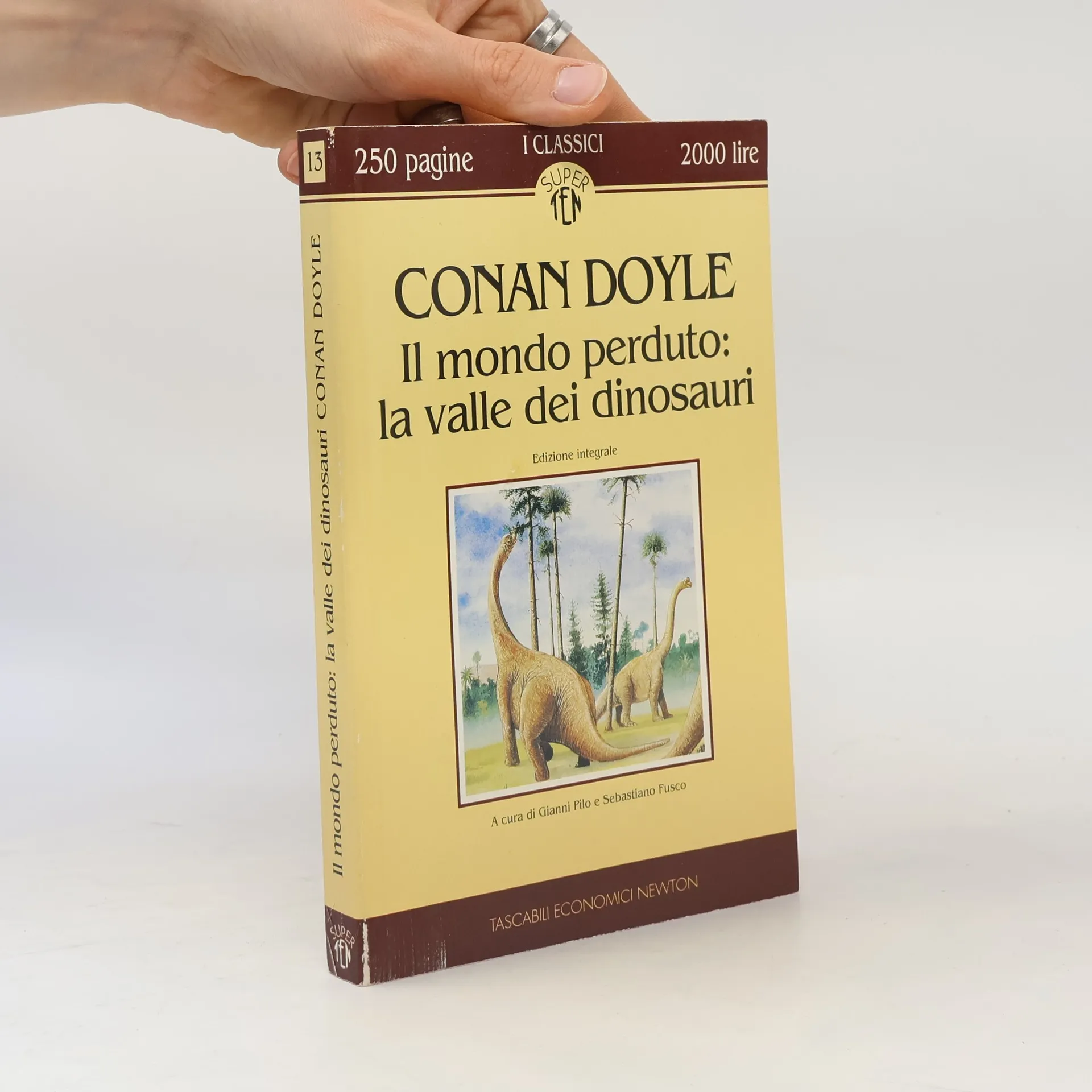
Dopo le notissime avventure del detective Sherlock Holmes è questa l’opera più famosa di Arthur Conan Doyle. Le diverse trasposizioni cinematografiche che ne sono state fatte — a partire dalla prima del 1925 — hanno reso questo libro estremamente popolare e hanno dato vita a una serie di derivazioni e filiazioni, tanto che Il mondo perduto è diventato uno dei cliché della narrativa fantastica. Completano questo classico delle approfondite note esplicative relative alle varie specie di dinosauri che popolano la fantastica località rimasta separata dal resto del mondo.
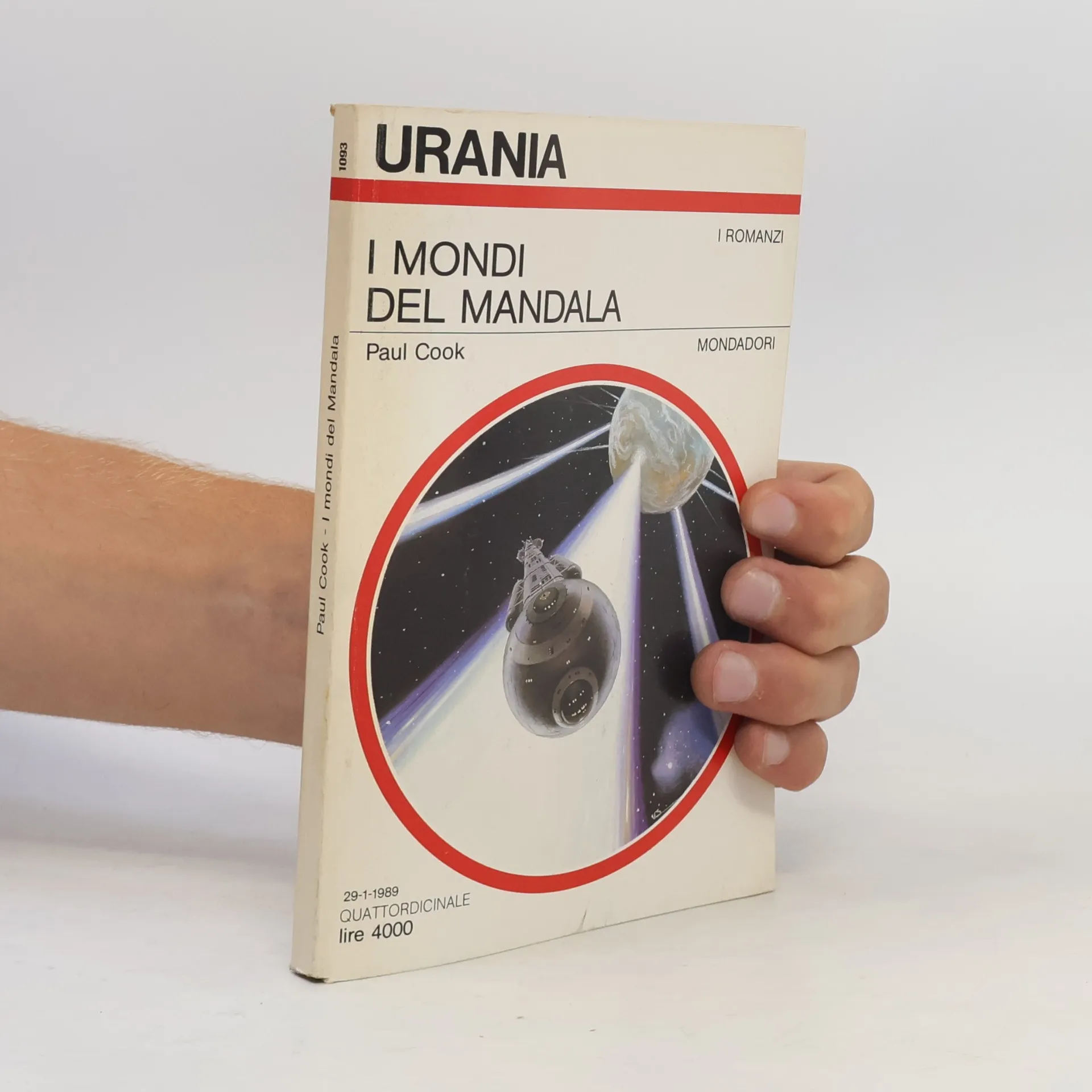
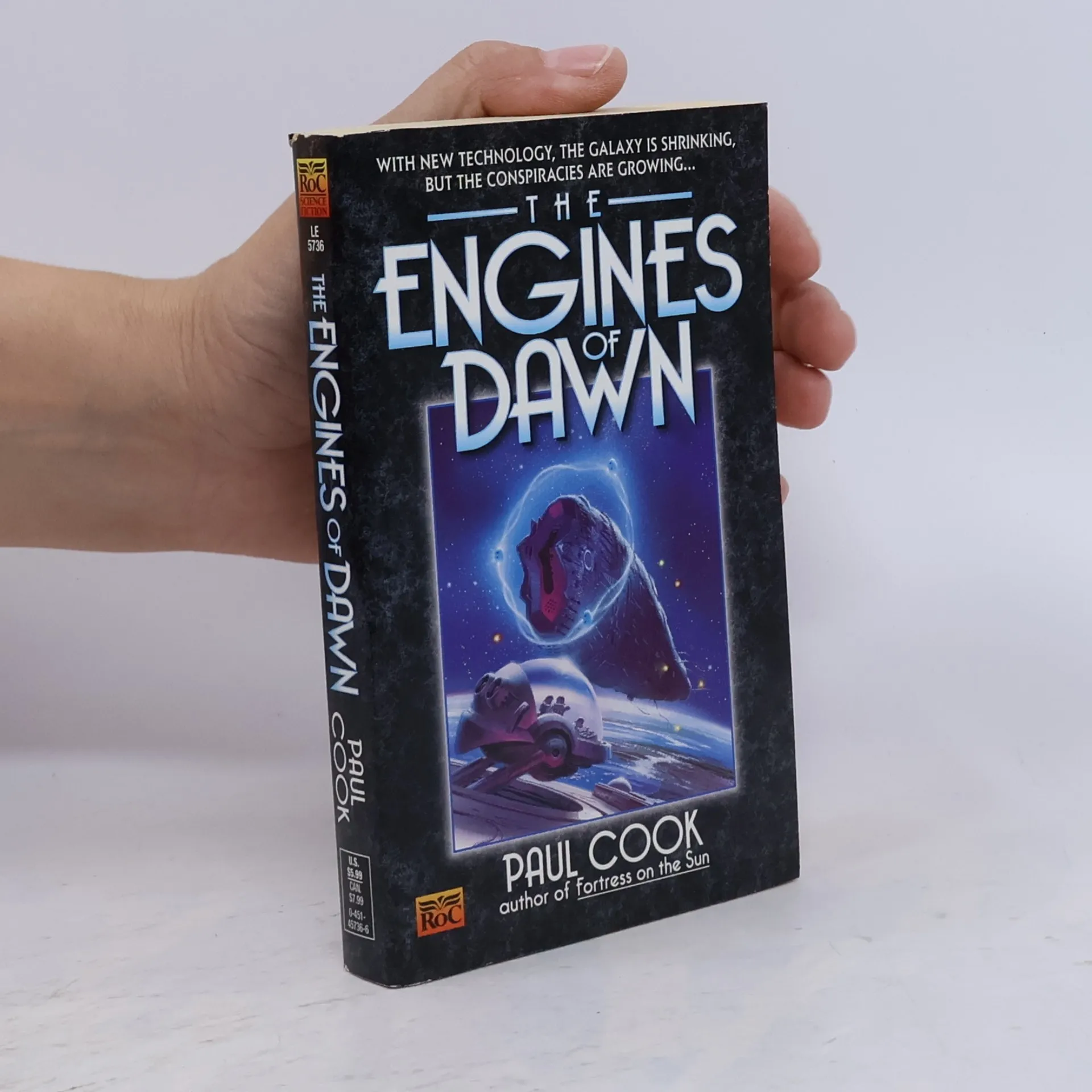
Over hundreds of years, Earth's humans become dependent on the powers of the alien Enamorati to propel their starships, until a physicist and his students uncover the shocking secret of the aliens' technology and spark a revolt. Original.
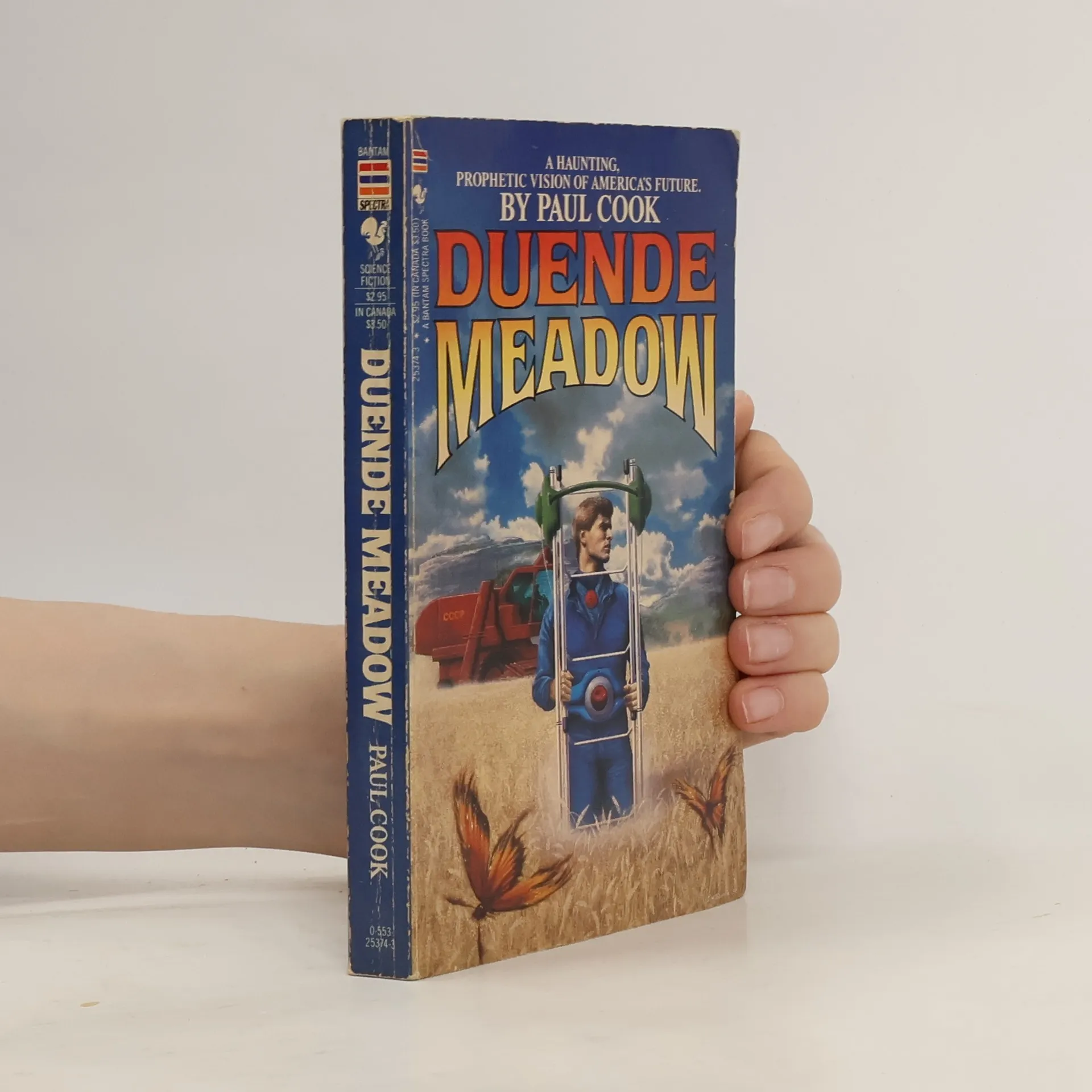
When the last great war came, a small group of survivors hid themselves below the fields of Kansas, living in a place of eternal twilight. *** Over time the energy surrounding the descendants of these survivors turned them into Duendes, ghost-like beings, never having seen real light or knowing anything of the conditions of the world beyond their underground enclosure. *** Six hundred years have passed since the war and now some Duendes want to leave the safety of their habitat and finally go 'above.' But what will they discover once they have emerged into the sunlight?
A virus created for biological warfare is overtaking humanity, threatening the very fabric of society as its victims are transported, by the emotional power of music, to a seductive dream world. Francis Lanier is one of the few ""stalkers"", a person who is immune to the virus and is able to travel through its dream world in order to rescue others. The book follows him through a series of adventures, as he becomes more embroiled in the politics surrounding the virus and its cure. This is Paul Cook's debut novel, hailed by critics as ""an imaginative thriller"" (Publishers Weekly) and ""readable and intriguing"" (The Reference Library)."About the AuthorPaul Cook worked at the Arizona State University as an acquisitions librarian for five years, much of his time was spent doing research in the Noble Science Library. He currently works in the English Department as a Senior Lecturer. He has written several novels, including TINTAGEL, THE ALEJANDRA VARIATIONS, and FORTRESS ON THE SUN.