Jules Michelet fu un fervente attivista politico e un dedito ricercatore della storia, noto per il suo stile letterario unico e le sue qualità visionarie. Mentre le sue prime opere fungevano da libri di testo e panoramiche, i suoi scritti successivi, come 'Introduzione alla Storia Universale', rivelarono un'eccezionale potenza letteraria e idiosincrasia. Sebbene a volte fosse considerato inaffidabile per le sue 'qualità visionarie', la capacità di Michelet di stimolare e coinvolgere i lettori lo ha reso una delle voci più avvincenti e stimolanti della storia.
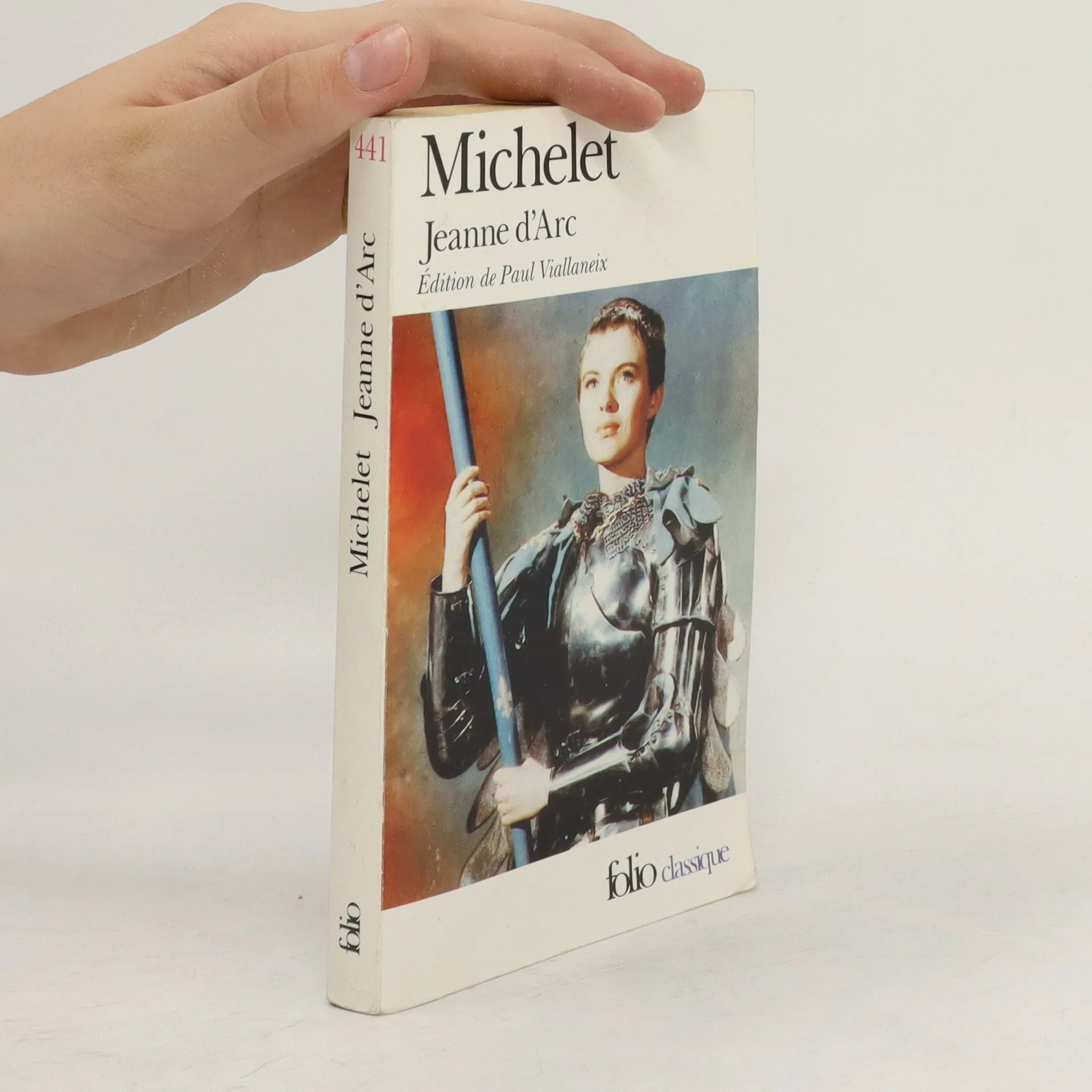
Joana d’Arc è un'opera che copre il nascere, i principali fatti, la condanna e la morte di Joana d’Arc. Michelet elabora un profondo elogio della religiosità popolare e una critica alle decisioni politiche e istituzionali della Chiesa francese dell'epoca. Non è una biografia in senso stretto, ma caratterizza Joana d’Arc come l'innocente e angelica Donzela, privilegiando la prospettiva storica della nazione francese e presentando, nella figura della martire, una potente immagine del popolo francese.
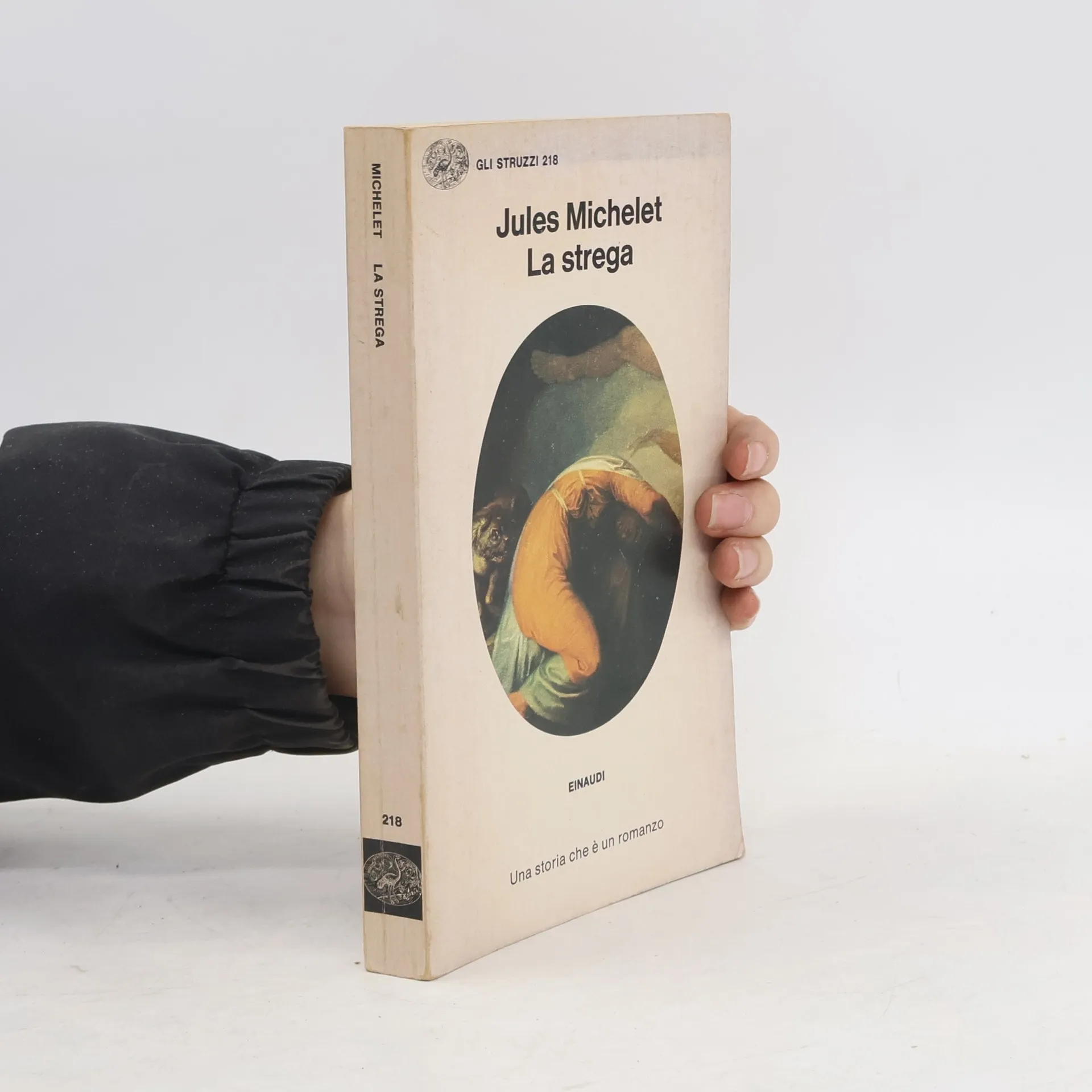
Gli storici hanno sempre maltrattato il Michelet di questo capolavoro;sempre i critici letterari lo hanno invece esaltato.Quelli dicono che la sua Strega,la donna della rivolta e del culto notturno,è tutt'al più una generosa invenzione,un simbolo della repressione erotica ottocentesca;questi sono ben lieti di concederlo perchè leggono nelle medesime pagine uno straordinario romanzo,atto di nascita dell'etnografia moderna.La questione sorpassa il libro.Diventa un tema del presente.È lecito separare dalla sua interpretazione simbolica l'intento storico di un'opera,il suo essere-questo-e-quest'altro?E quindi rilevare sue eventuali inadempienze nei confronti delle certezze scientifiche ossia verificabili?Che cosa vuol dire leggere "La strega" come un'opera di letteratura?Qual è il prezzo di una simile riduzione o promozione?
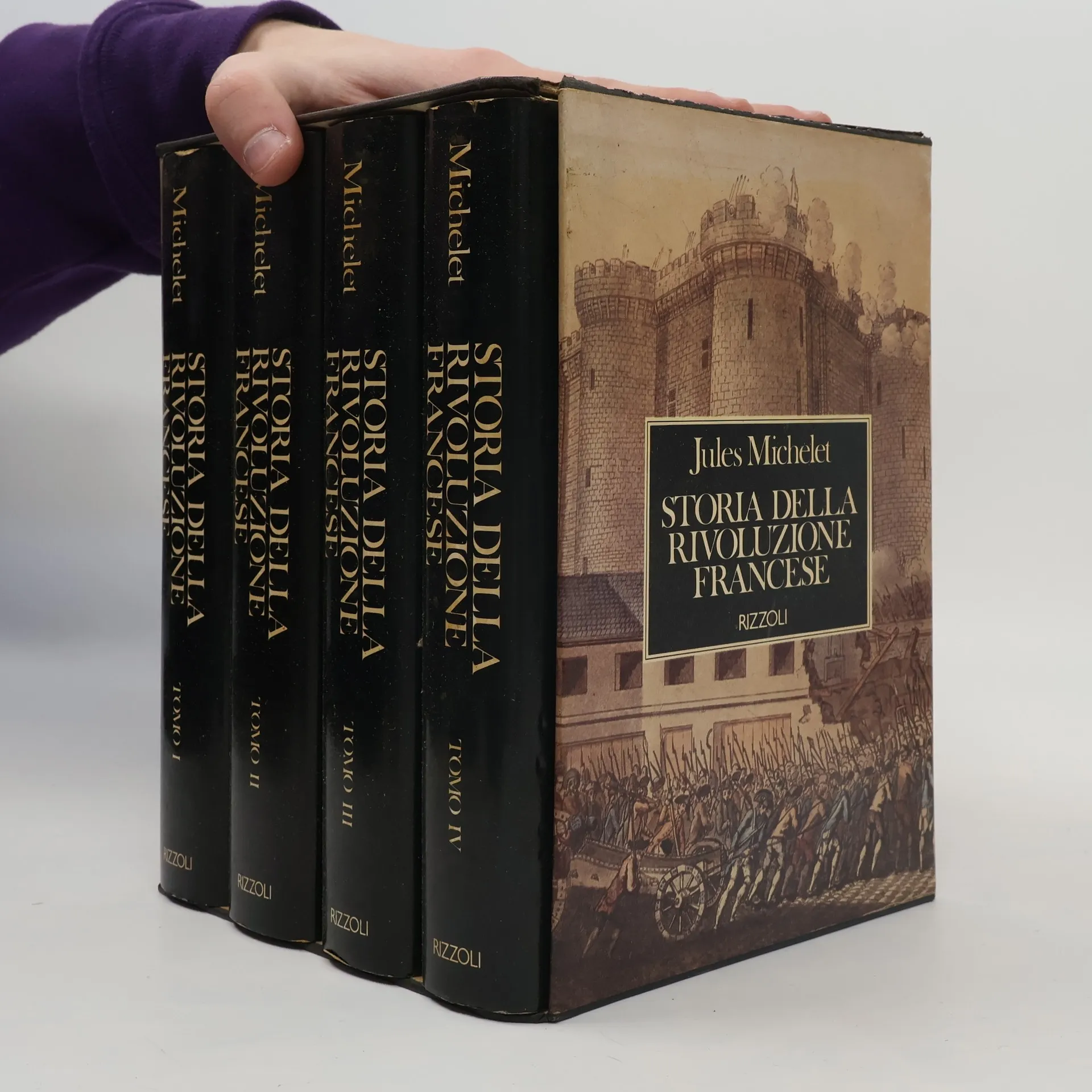
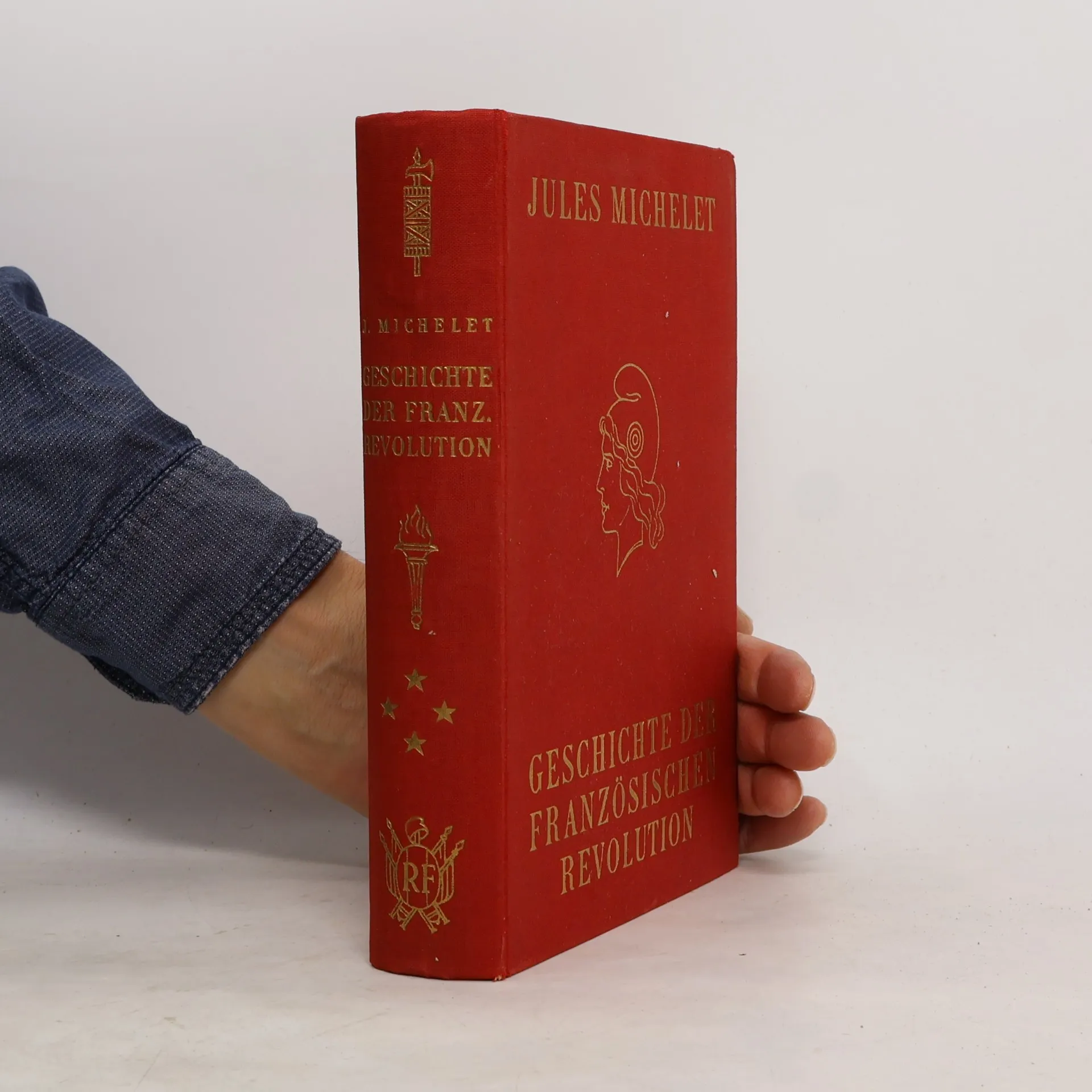
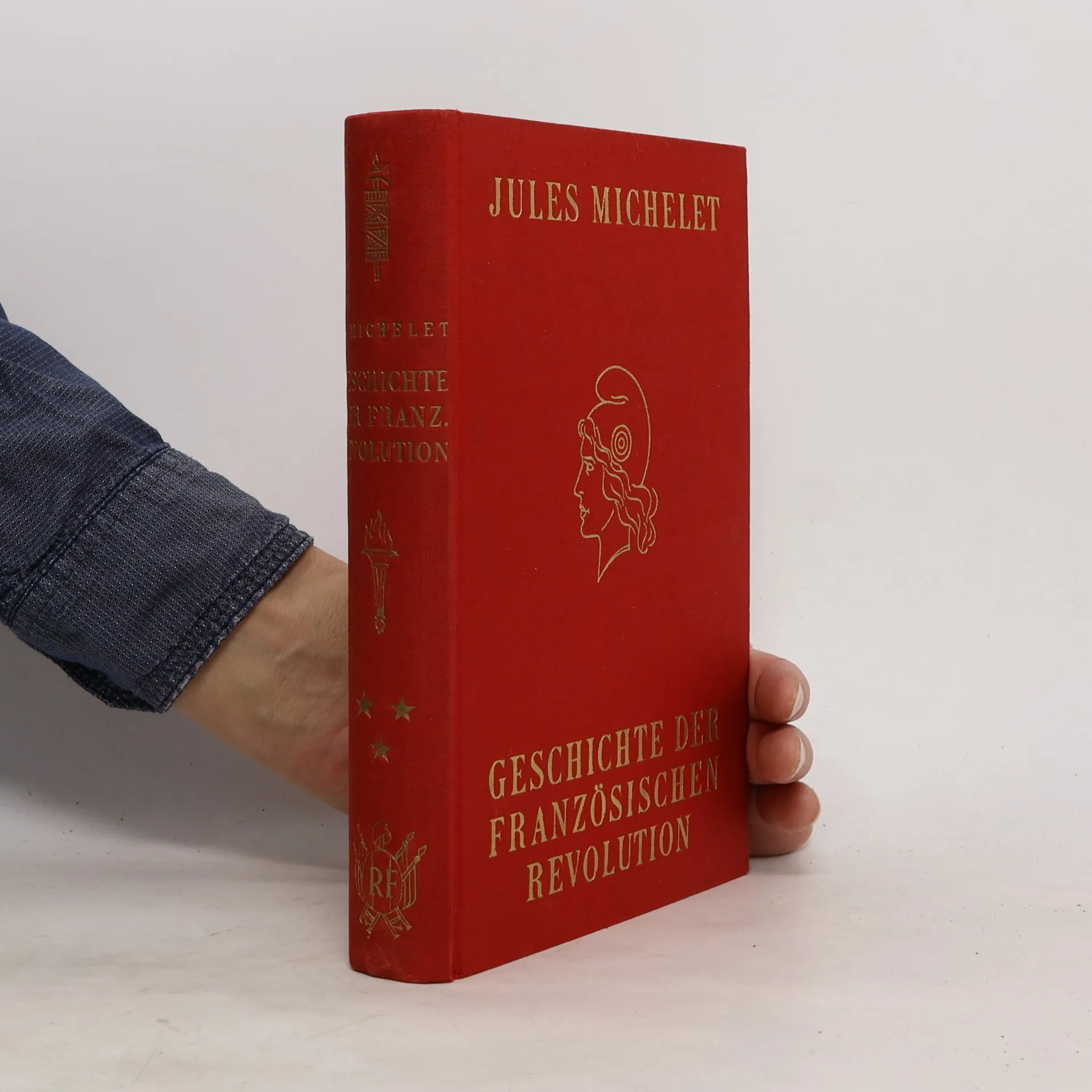
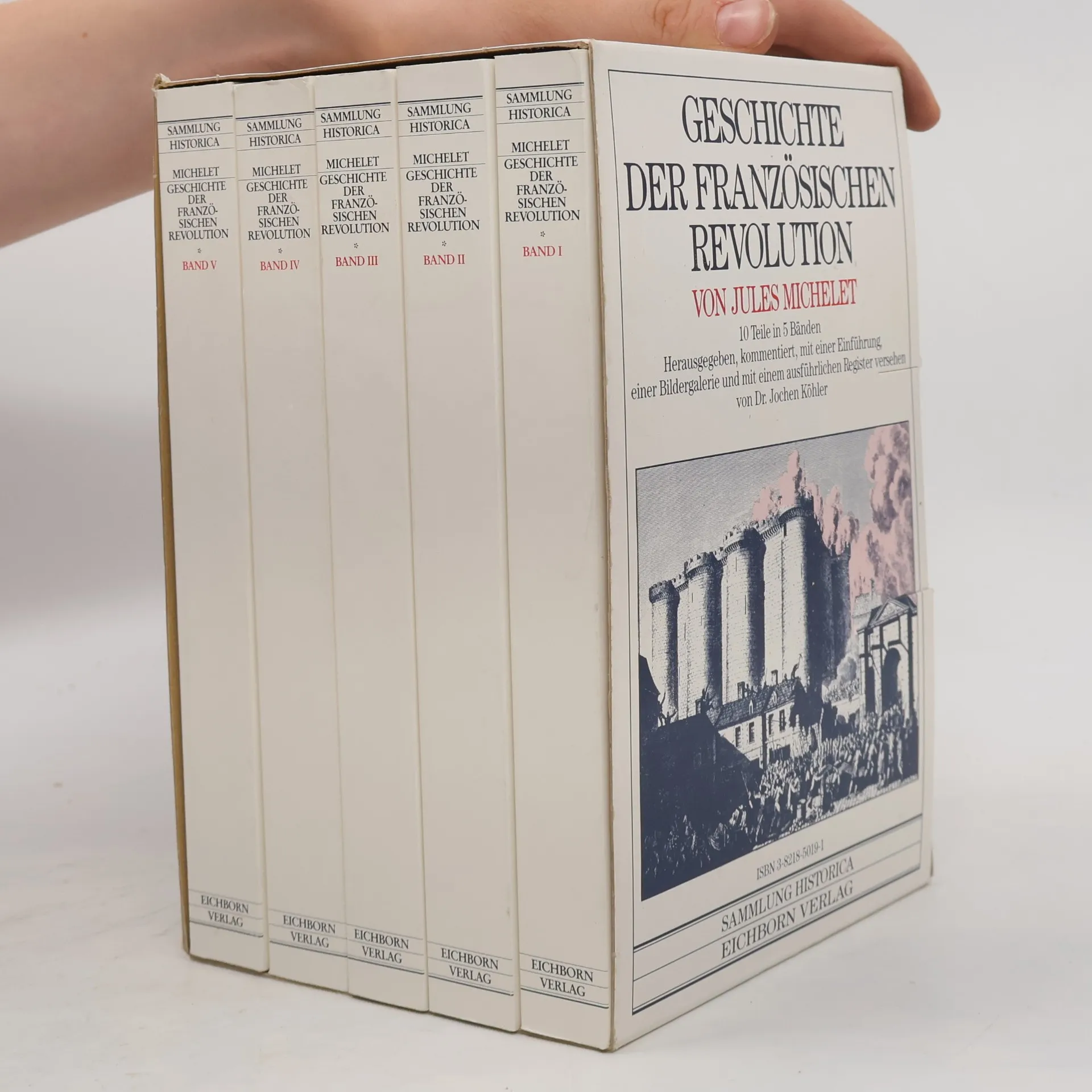
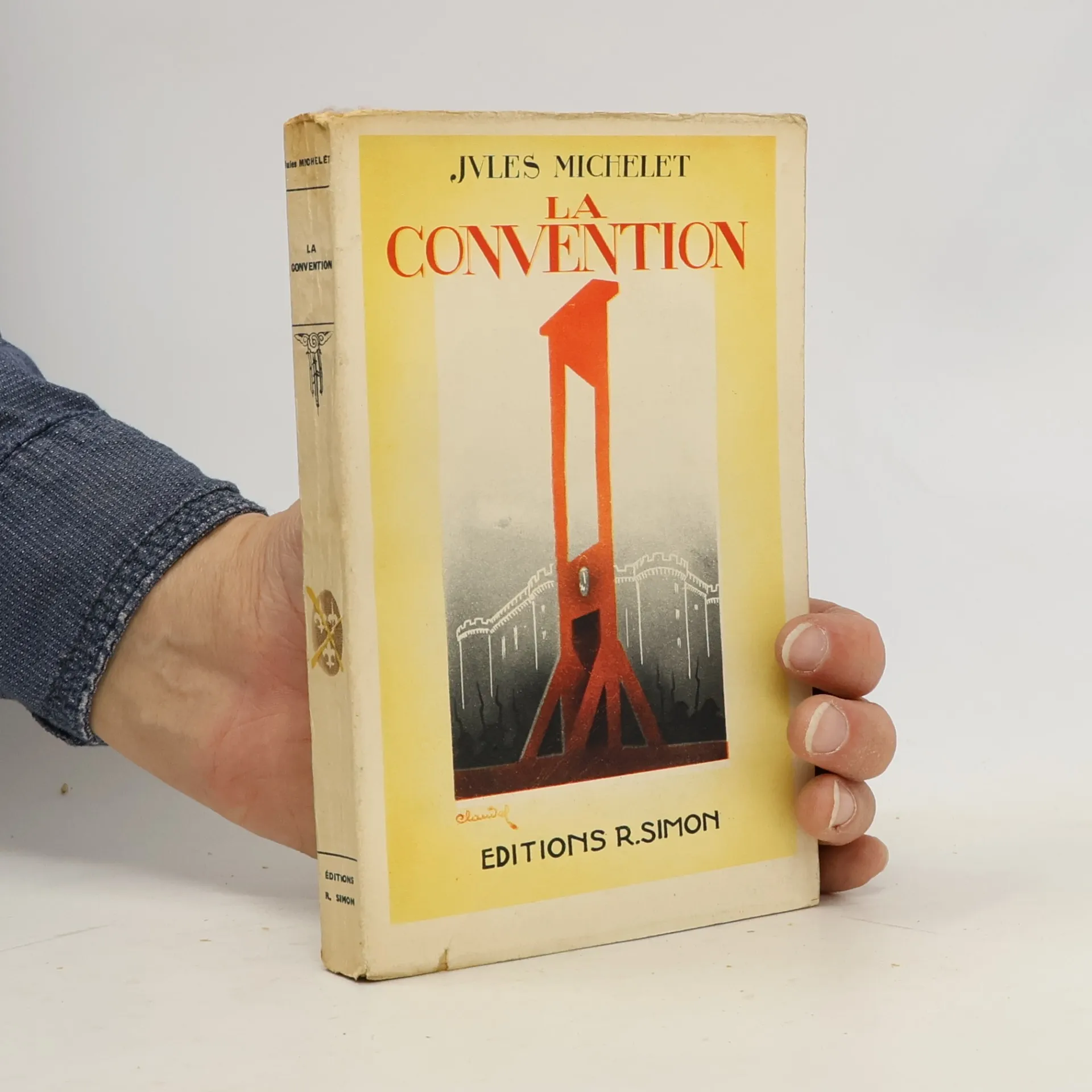
Focusing on the theme of justice, the book portrays the Revolution as a delayed arrival of Eternal Justice, challenging monarchical tyranny. Jules Michelet vividly captures the emotions of the People, intertwining their joy and suffering throughout this romantic narrative. The work highlights the unprecedented social upheaval during this transformative period, offering a profound exploration of the collective human experience amid revolutionary change.
This book is part of a collection of classic works from the early 1900s and earlier, which are now rare and costly. The publisher is reissuing these timeless texts in affordable, high-quality editions, preserving the original content and artwork.
La sorcière avait dix-huit ans ; c'était une belle fille et fort désirable, assez grande de taille, la voix douce et pénétrante. Elle se présenta humblement, " comme une pauvre petite bergerette ", démêla au premier regard le roi, qui s'était mêlé exprès à la foule des seigneurs, et quoiqu'il soutînt d'abord qu'il n'était pas le roi, elle lui embrassa les genoux. Mais, comme il n'était pas sacré, elle ne l'appelait que Dauphin : " Gentil Dauphin, dit-elle, j'ai nom Jehanne la Pucelle. Le roi de cieux vous mande par moi que vous serez sacré et couronné en la ville de Reims, et vous serez lieutenant du Roi des cieux, qui est roi de France ". " Les hommes comme vous sont nécessaires ; puisque les siècles sont des sphinx, il faut qu'ils aient des Oedipes " (lettre de Victor Hugo à Michelet).
Savez-vous comment reconnaître une sorcière ? Car toutes n'ont pas un nez crochu, un chat noir et un balai... Certaines sont d'une beauté envoûtante, d'autres sont des personnes si ordinaires que vous pouvez les croiser tous les jours sans vous douter de rien. De nombreux écrivains, de Marcel Aymé à John Updike et de Maupassant à Roald Dahl, se sont laissé ensorceler. Venez danser la sarabande infernale des sorcières en compagnie des plus grands écrivains !
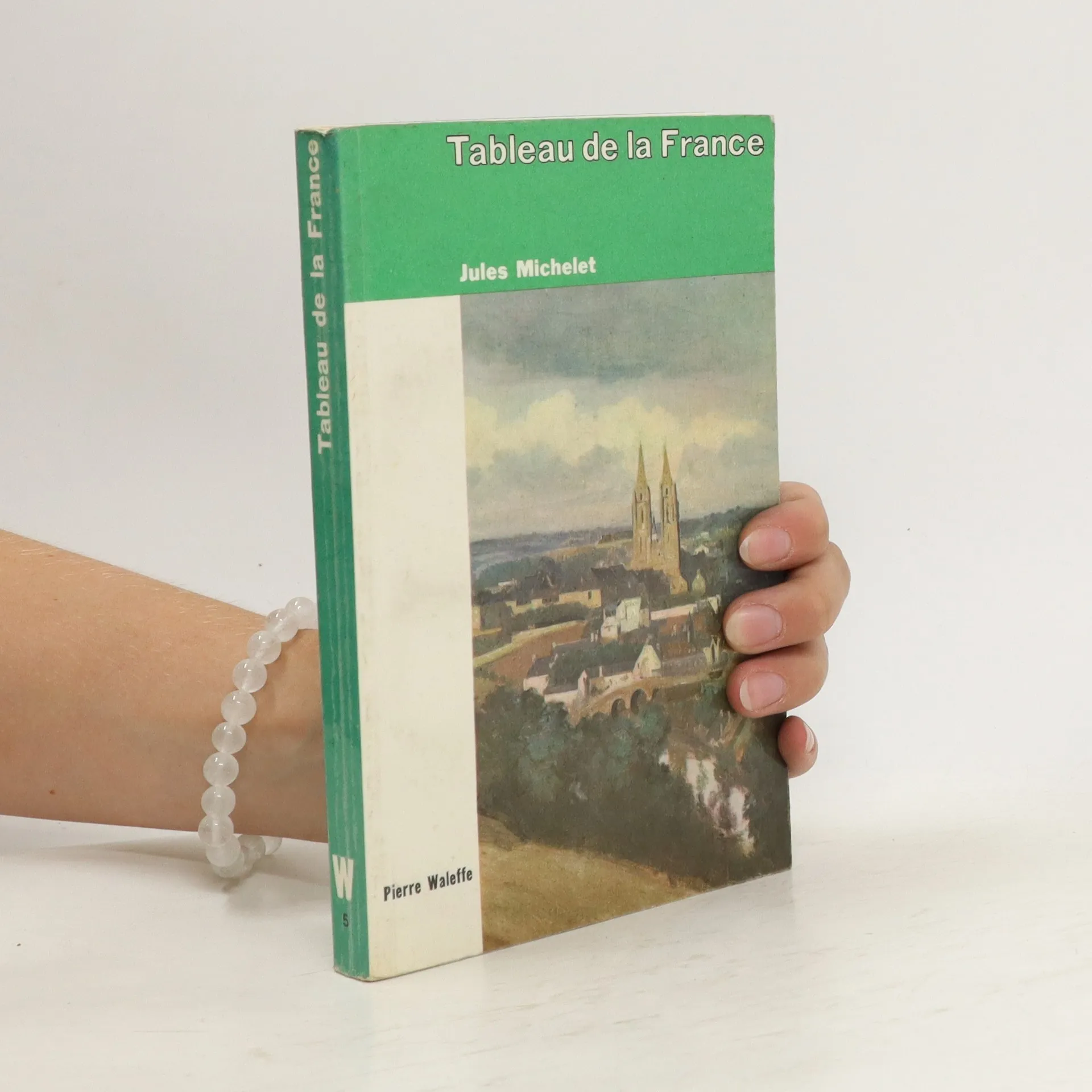
Le premier des manuels d'histoire de l'enseignement secondaire public. Et quelle histoire ! En octobre 1833 paraît un Précis de l'histoire de France jusqu'à la Révolution française. L'auteur, Jules Michelet (1798-1874), âgé de 35 ans, est en pleine possession de son métier d'historien, qu'il consacre désormais au chantier de toute sa vie : l'histoire de France, " pilote du vaisseau del'humanité ".Son Précis figure comme le premier manuel d'histoire de France, appelé à une riche postérité. La rigueur originale de la démarche, la hardiesse contenue de la pensée, la maîtrise frémissante du style confèrent une fraîcheur intacte à cet alphabet de notre passé national." Un petit bijou de style cinglant. "Jean-Pierre Denis, La Vie
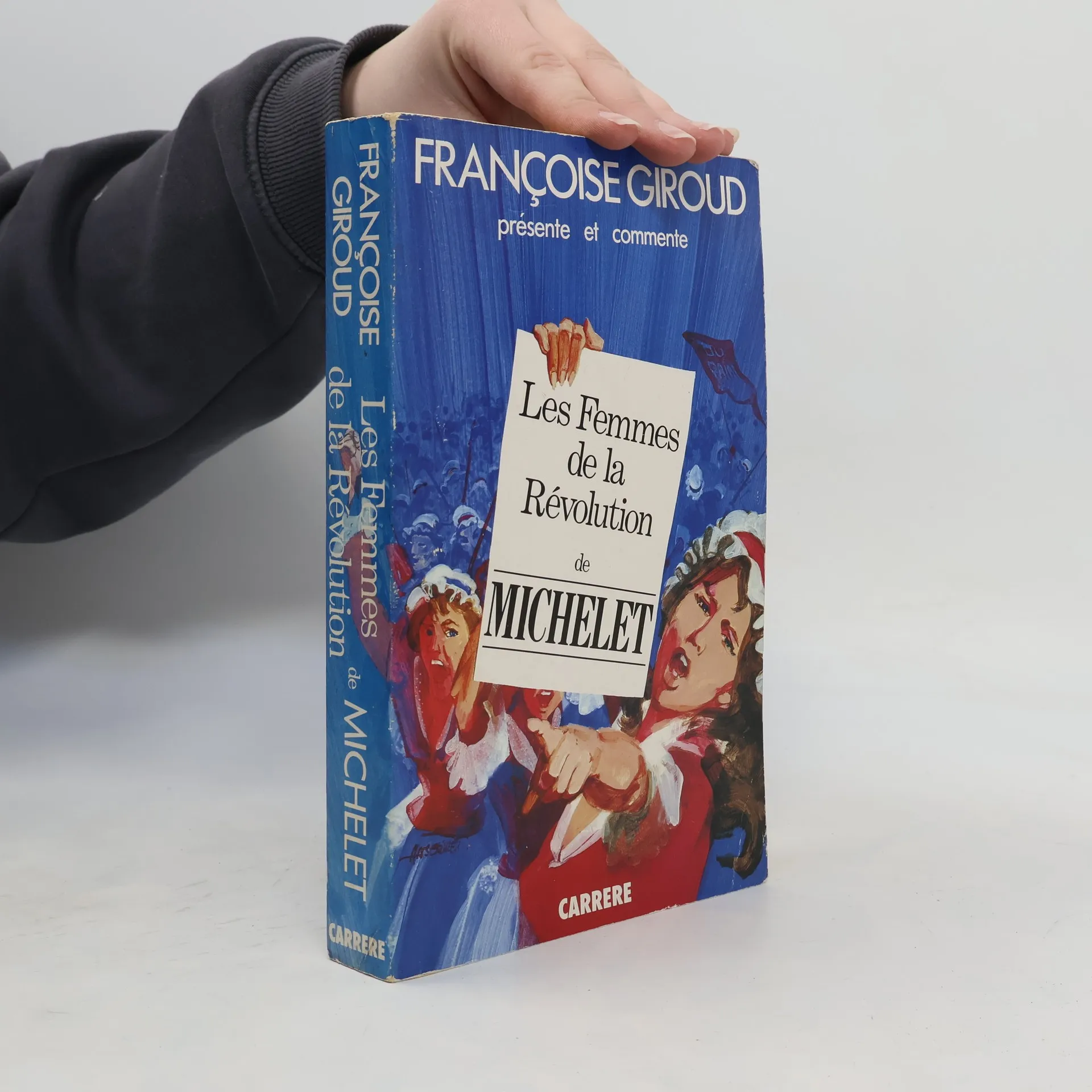
Ce livre présente des portraits de femmes influentes de l'histoire française, mais son objectif n'est pas d'encenser le féminisme. Michelet s'adresse aux femmes de 1854 pour les encourager à soutenir la guerre de Crimée, en rappelant à la fois les actions féminines durant la Révolution et leur impact sur son affaiblissement.
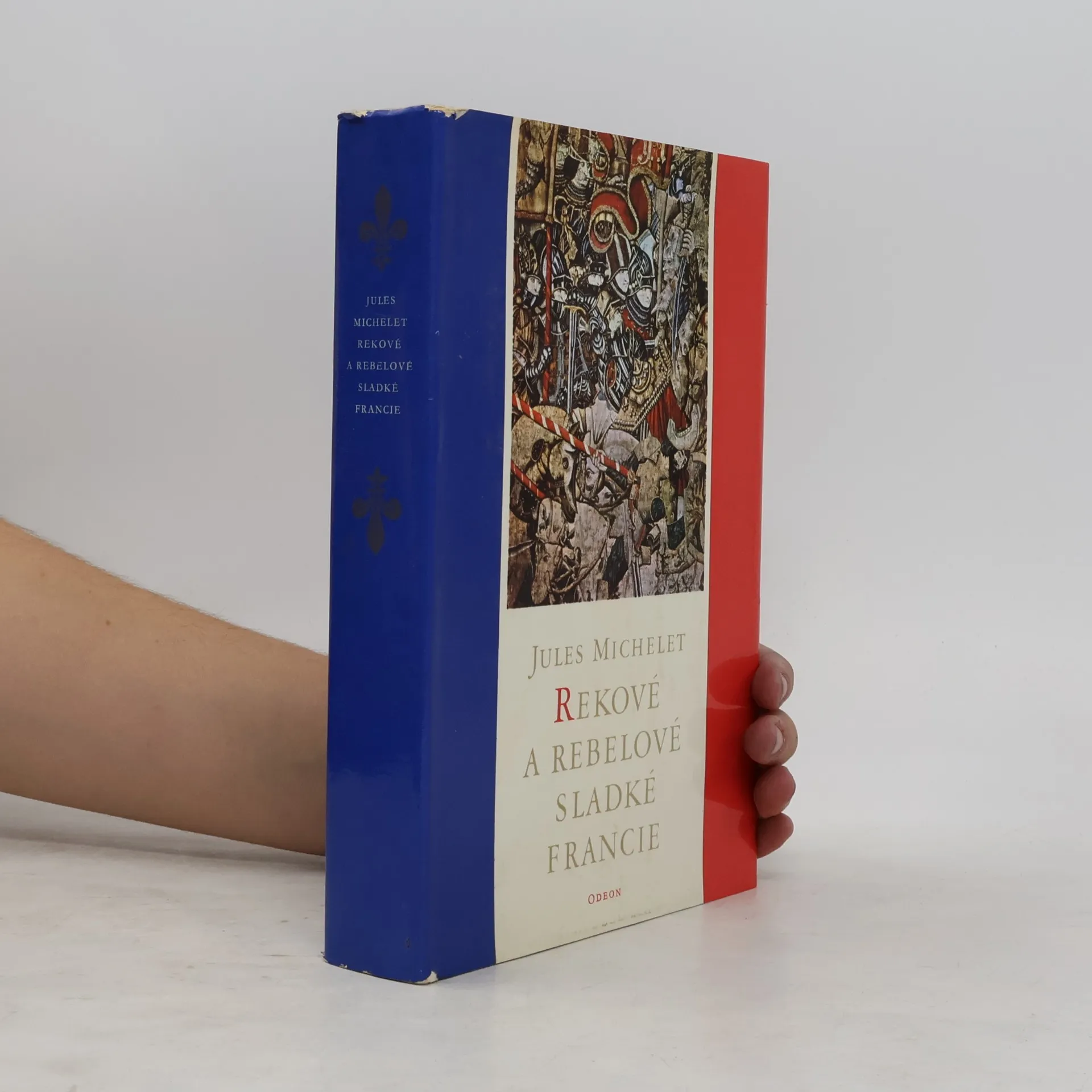
Výbor je uspořádán tak, aby ukázal Micheletovo umění barvité evokace v celé jeho rozmanitosti: templáři, Panna orleánská, Richelieu, prostopášný regent, Mirabeau i Babeuf, obklopeni stovkou postav menších, vystupují z šera času s oslnivou bezprostředností reality. Výbor z obsáhlého historického díla klasika francouzského dějepisectví se snaží ukázat nejen Micheletovo brilantní vypravěčské umění, ale i jeho názory na důležité události a na pozoruhodné postavy francouzských dějin. V citlivě uspořádaném výboru je zachyceno zničení mocného templářského řádu, portrét Panny Orleánské, kardinála Richelieua, období regentství a zejména Velká francouzská revoluce. Vyd. k 100. výročí autorovy smrti.
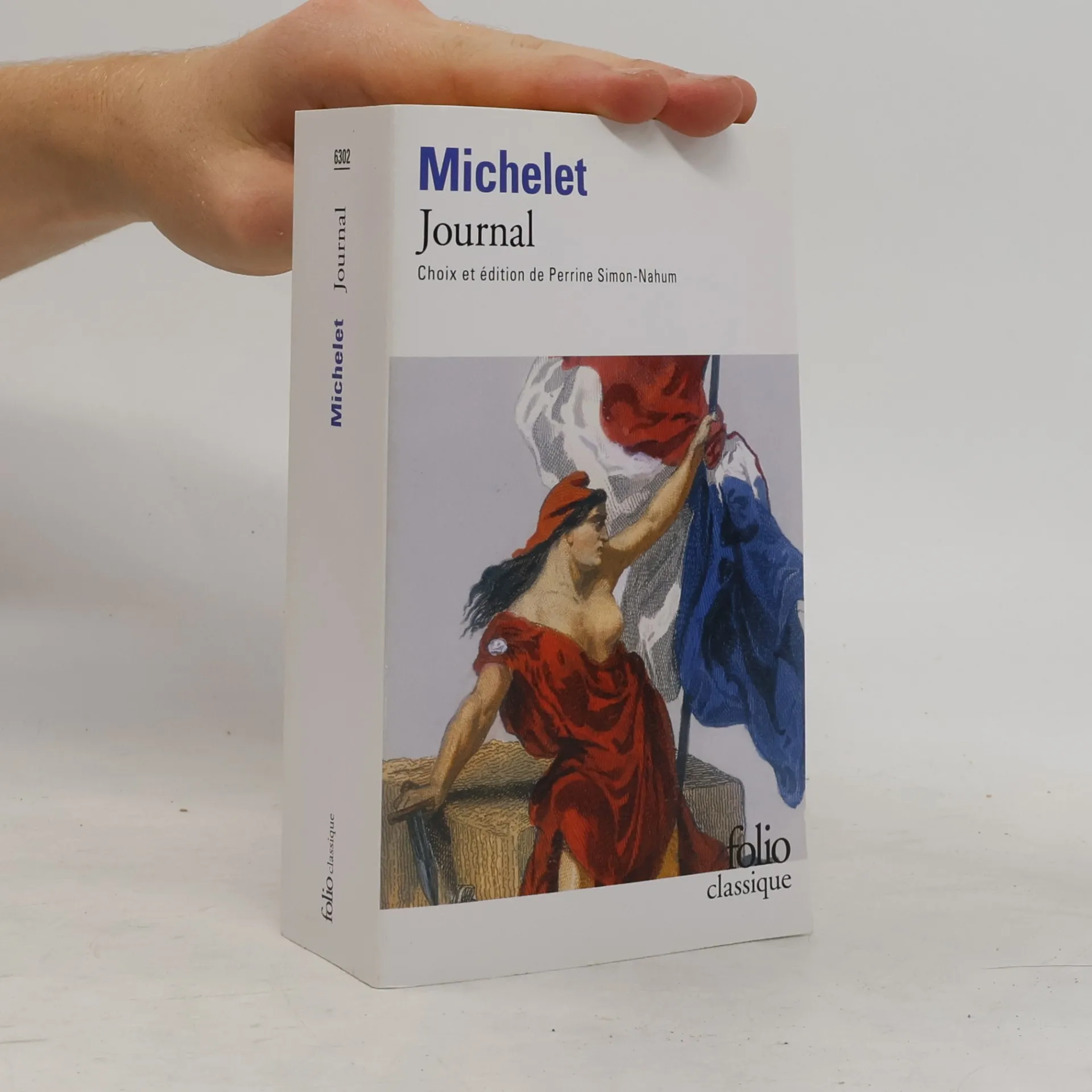
Tenu de 1828 à sa mort en 1874, le Journal de Michelet tisse ensemble un projet intellectuel et pédagogique, une ambition personnelle, une oeuvre-monde, une intimité. Il rend à jamais indissociables l'historien de la France et de la Révolution, dont le savoir et le souffle font aujourd'hui encore notre admiration, et l'homme amoureux, obsédé par la mort et célébrant la vie, consignant son intimité et celle de sa femme, disséquant sentiments et plaisirs charnels, se passionnant pour la biologie et l'histoire naturelle. Étonnante modernité d'un texte audacieux, souvent cru, qui n'a rien à envier à l'autofiction contemporaine. Tantôt intimiste, tantôt prophétique, Michelet s'adresse tour à tour au peuple, aux femmes, aux générations futures, et à l'humanité entière. Sous nos yeux se joue la célébration du moi tout-puissant, en union avec la nature et l'univers, et son identification progressive au monde. Dans un mouvement résolument moderne, la subjectivité devient le médium absolu de l'histoire. Voilà pourquoi nous entrons aussi facilement dans ce Journal, qui se lit comme le roman de notre modernité.