Bookbot

Sijie Dai

    2 marzo 1954

    Le esperienze di Dai Sijie durante la Rivoluzione Culturale cinese, compreso il suo periodo in un campo di rieducazione rurale, hanno profondamente plasmato la sua voce letteraria. Le sue narrazioni esplorano spesso il potere trasformativo della letteratura e dell'arte, mostrando la loro capacità di superare le avversità e connettere gli individui attraverso le divisioni culturali. La prosa di Sijie è caratterizzata da un delicato lirismo e da una profonda contemplazione dei temi umani universali. Il suo lavoro evidenzia costantemente come le storie e i testi classici possano offrire consolazione, promuovere la speranza e illuminare la forza duratura dello spirito umano.

    Sijie Dai
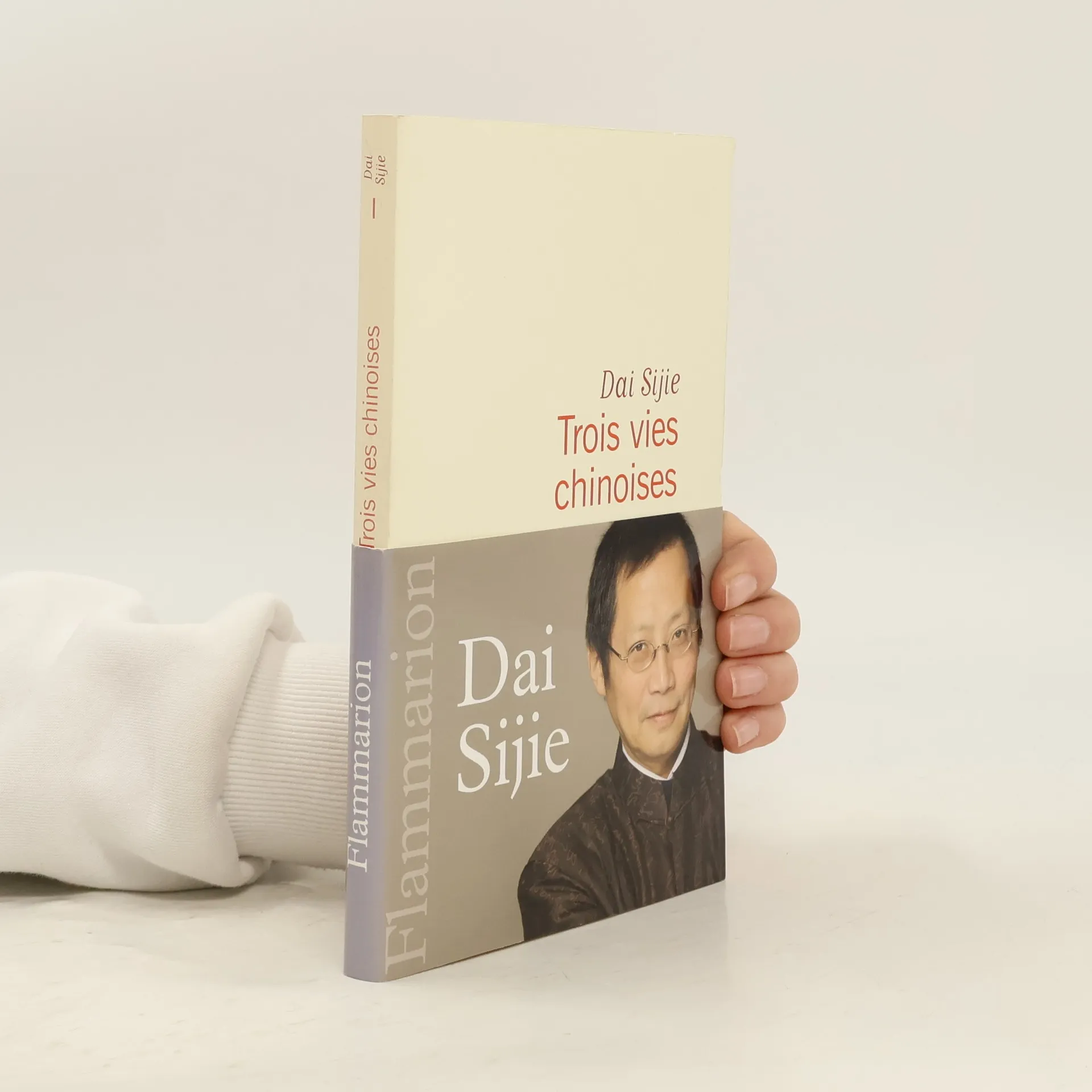
    Trois vies chinoises
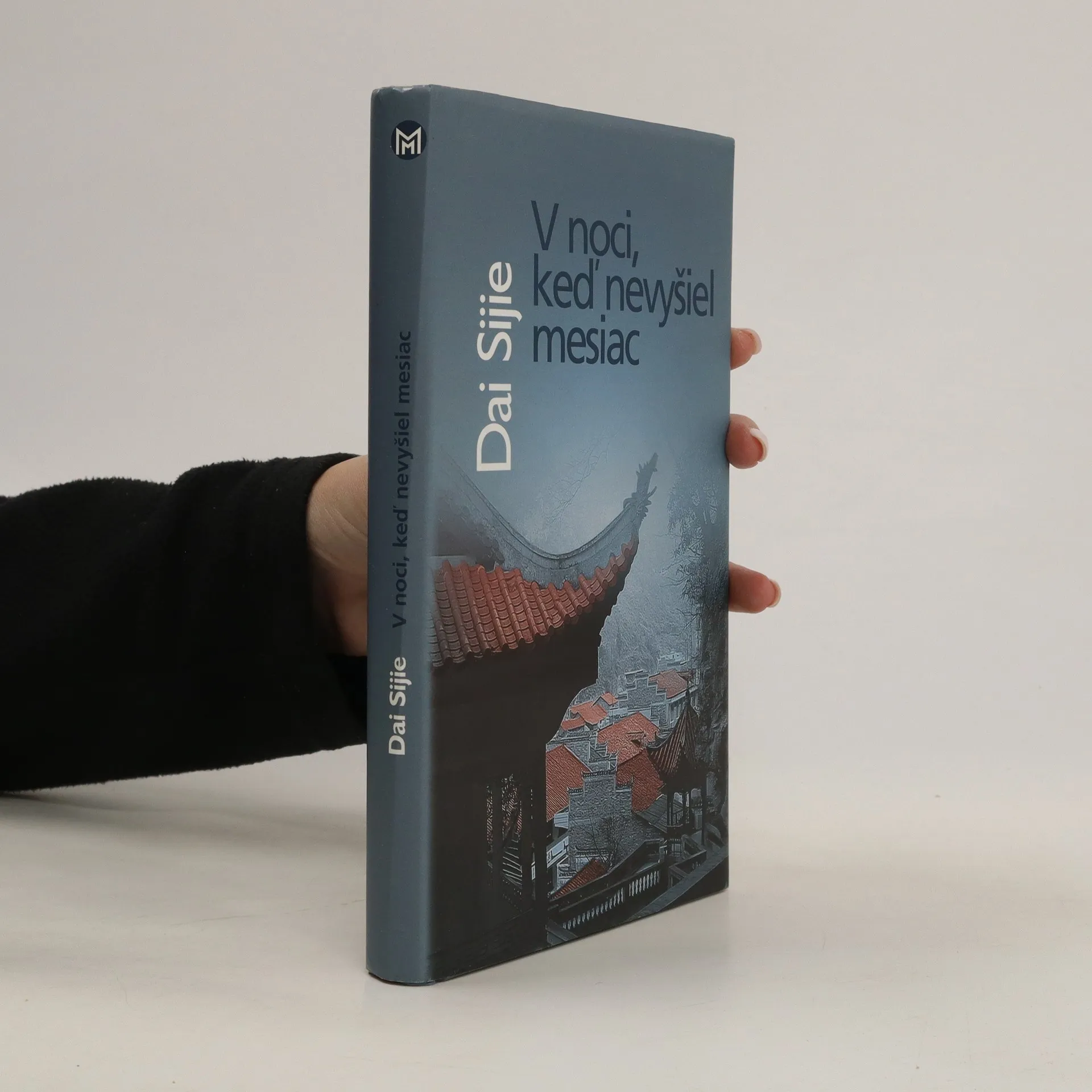
    V noci, keď nevyšiel mesiac
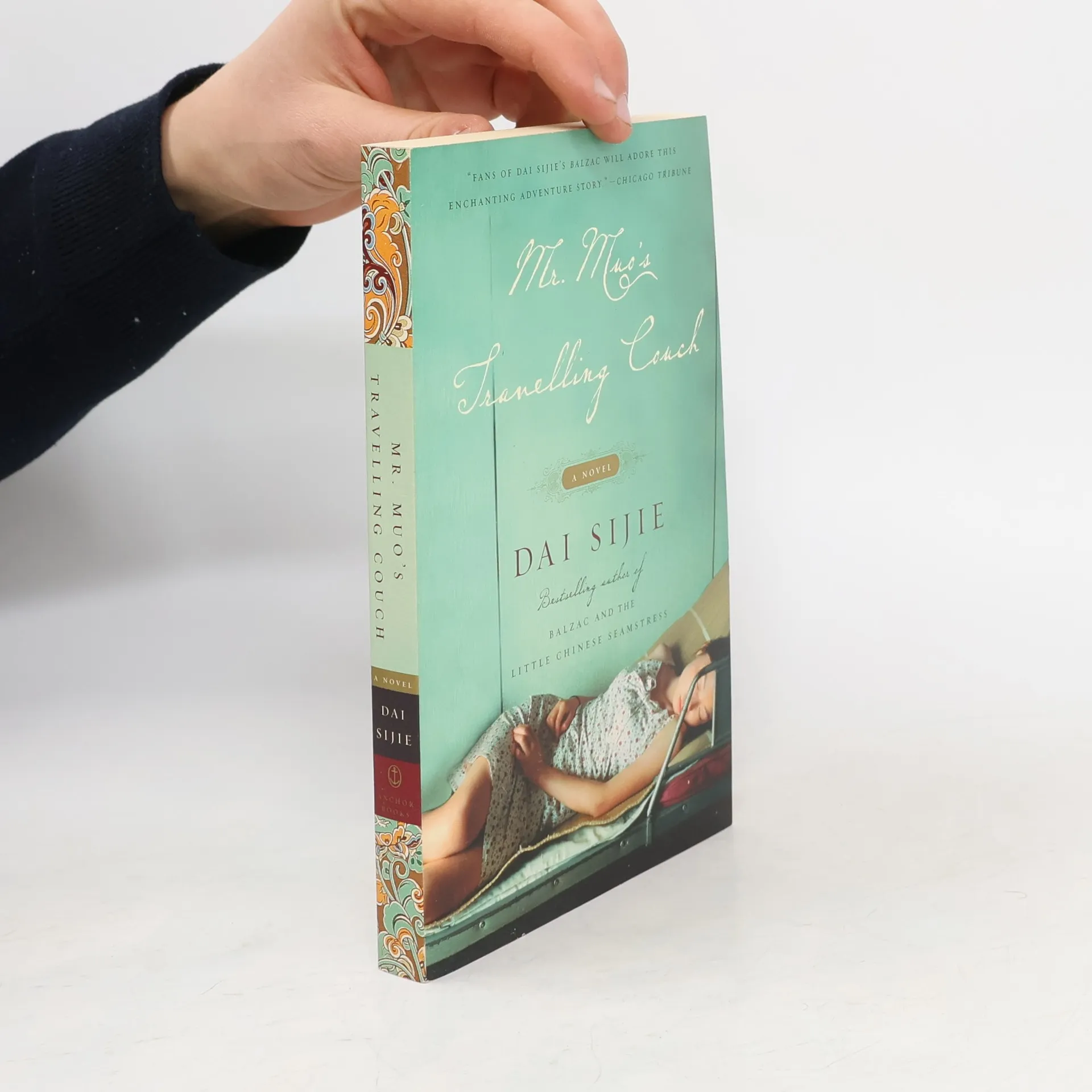
    Mr. Muo's Travelling Couch
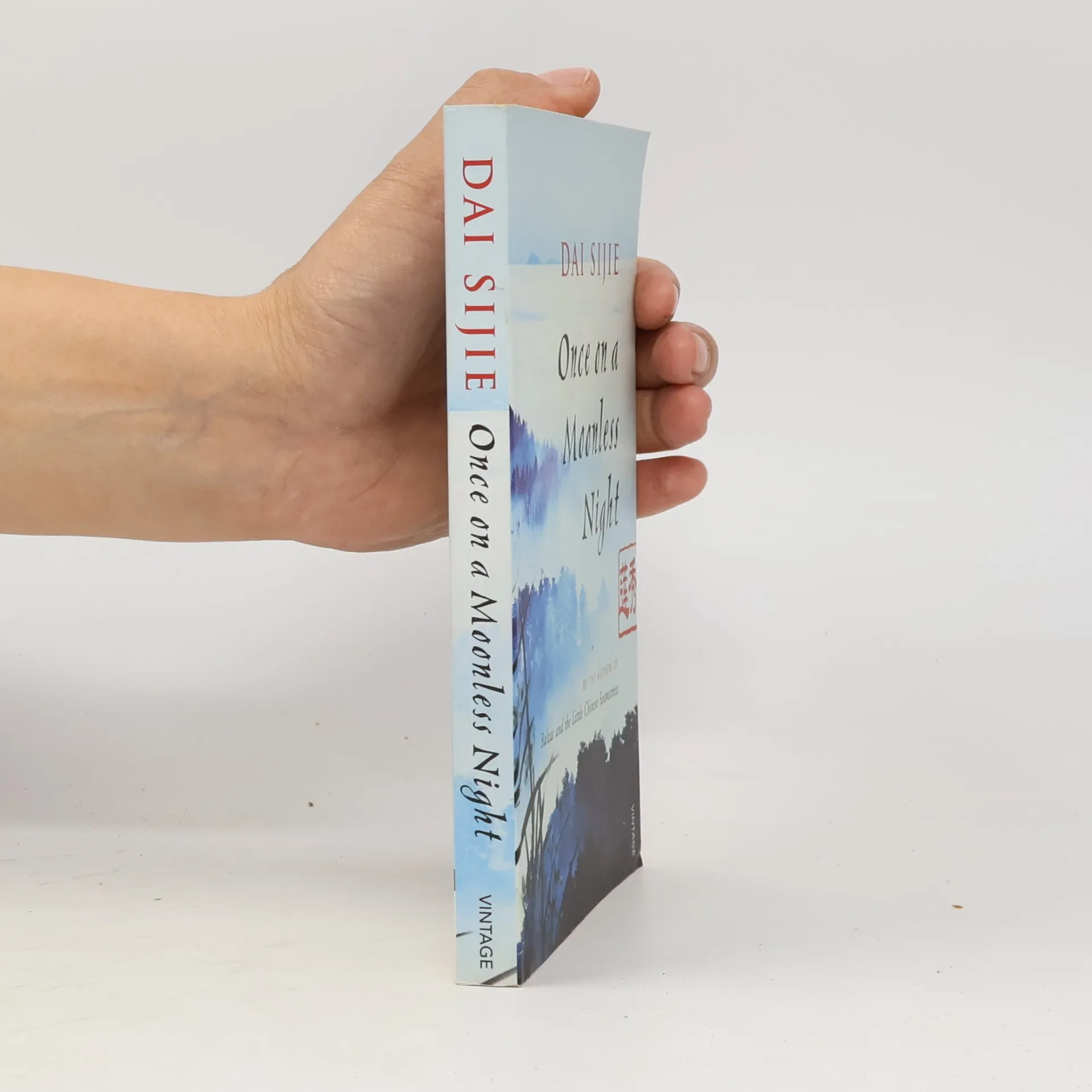
    Once on a Moonless Night
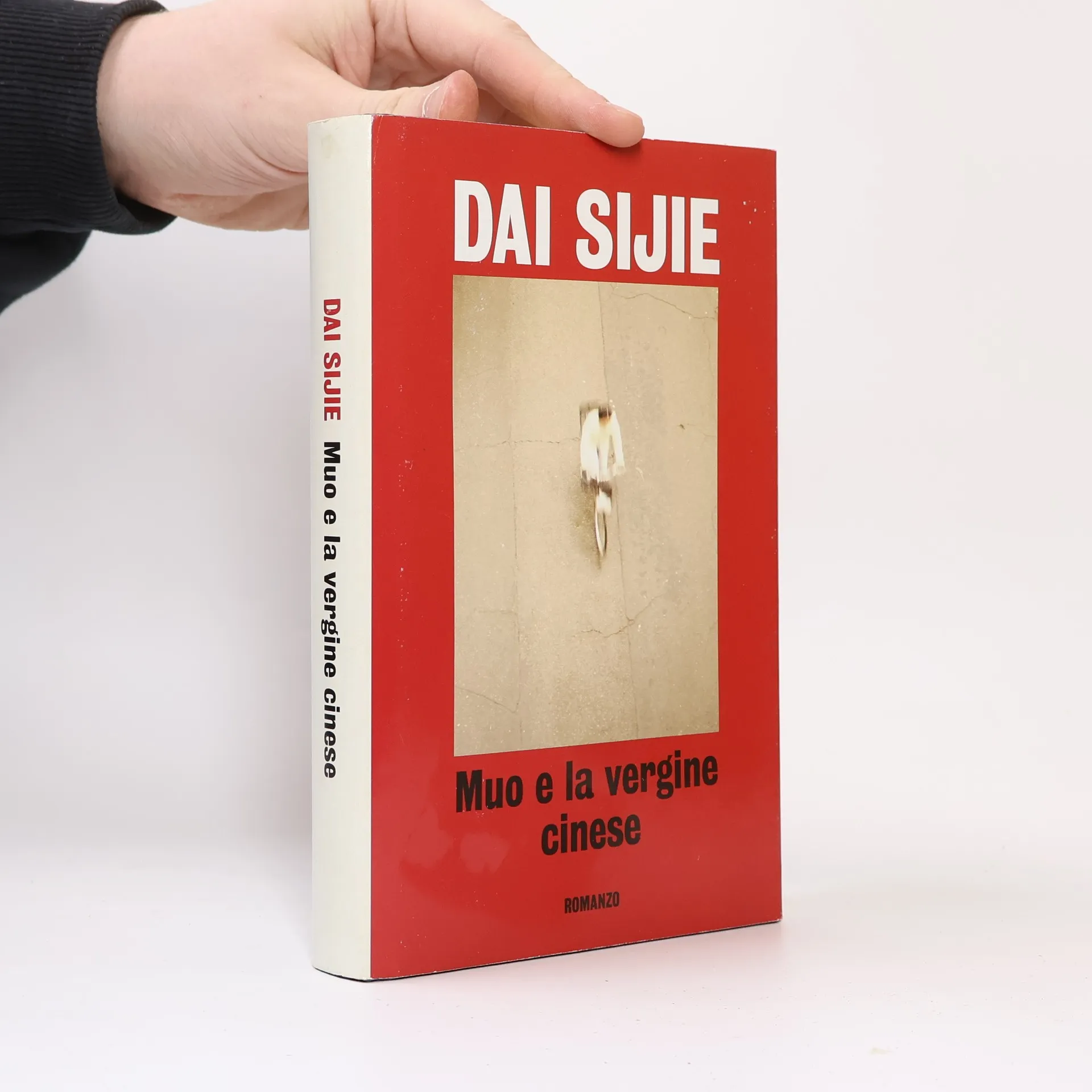
    Muo e la vergine cinese
    Balzac e la Piccola Sarta cinese
    • Balzac e la Piccola Sarta cinese

      • 176pagine
      • 7 ore di lettura

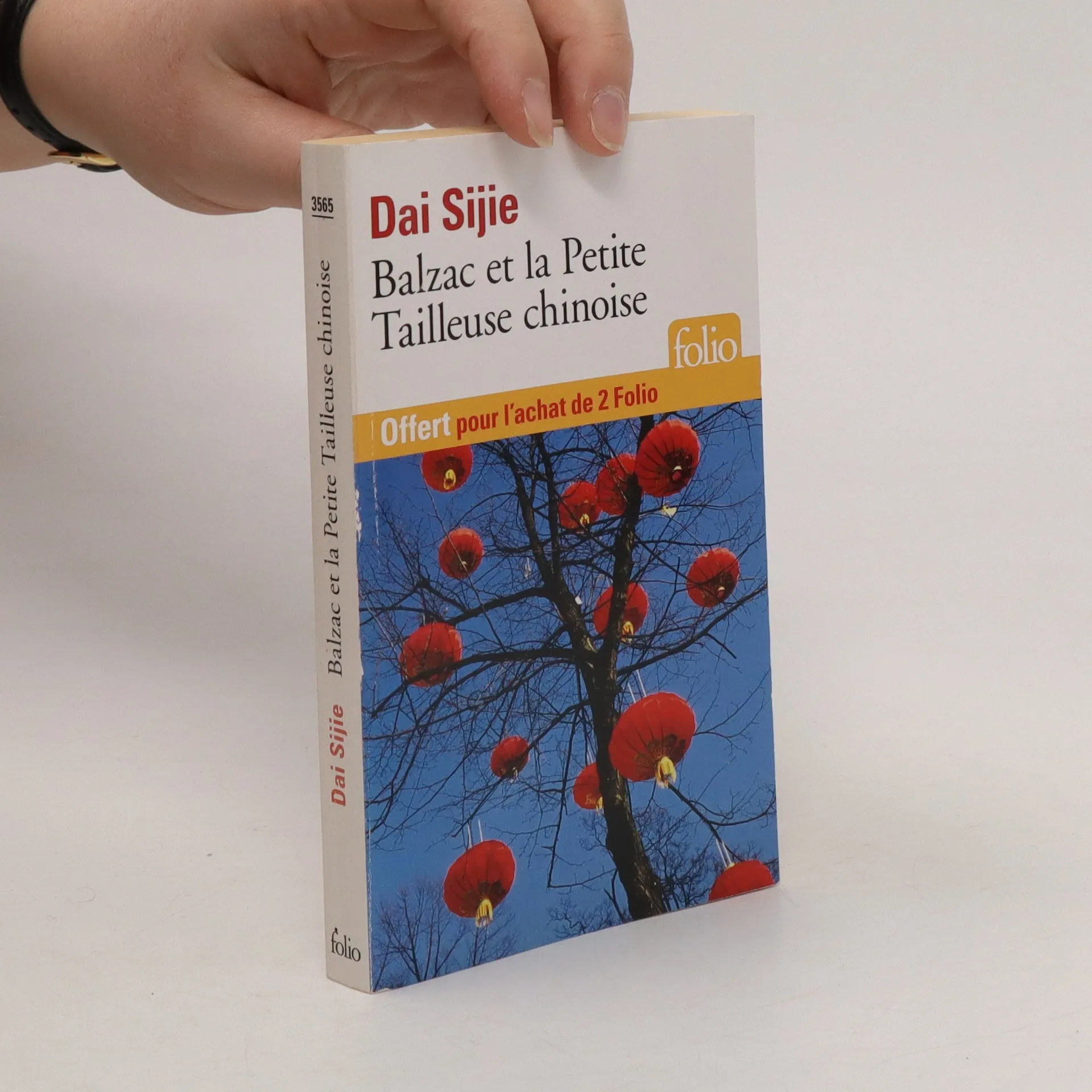
      Come la lettura, grazie alla segreta malia di una misteriosa, preziosissima valigia di libri occidentali proibiti, riesca a sottrarre due ragazzi, colpevoli soltanto di essere figli di "sporchi borghesi", a svariate torture e permetta anche a uno di loro di conquistare la "Piccola Sarta cinese". "Balzac e la Piccola Sarta cinese... è una tragedia raccontata con un soffio. Un soffio che anima il romanzo, come potrebbe tenere sospesa una piuma. È il trionfo della leggerezza, come l'intendeva Calvino. Non ricordo, come lettore, un libro recente in cui la sottrazione di peso alla struttura del racconto e del linguaggio sia stata realizzata con tanta spontaneità". BERNARDO VALLI

      Balzac e la Piccola Sarta cinese
      3,7
    • Once on a Moonless Night

      • 219pagine
      • 8 ore di lettura

      Beguiling and ambitious, this new novel by the author of Balzac and the Little Chinese Seamstress is a search for an ancient text and a love story. Beneath this premise lies a haunting exploration of language and identity, revealing the complex layers of history in Chinese life and politics, culminating in a Buddhist twist. Set in late 1970s Peking, a young French woman interprets for Chinese professors and Bertolucci during the filming of The Last Emperor. Following a disgruntled old professor, she learns about a text believed to be derived from Buddha's teachings, inscribed on silk centuries ago in a now-dead language called Tumchooq—coincidentally the name of a young Chinese man she has just met. The text's beauty makes accurate translation nearly impossible. Puyi, the last emperor and the last owner of this relic, allegedly tore the silk in two while being flown to Manchuria by the Japanese, discarding the fragments from the plane. Only half of the manuscript was recovered, and the reader, like the narrator, must wait until the end to uncover the rest. When the complete text is finally revealed, its message is devastatingly simple, made all the more poignant by the sacrifices required to decipher it. This brilliant novel weaves ancient texts, fables, and a young man's quest for his father's legacy, capturing nearly a century of China's history with the modernity and tenderness reminiscent of Lost in Translation.

      Once on a Moonless Night
      3,1
    • Mr. Muo's Travelling Couch

      • 287pagine
      • 11 ore di lettura

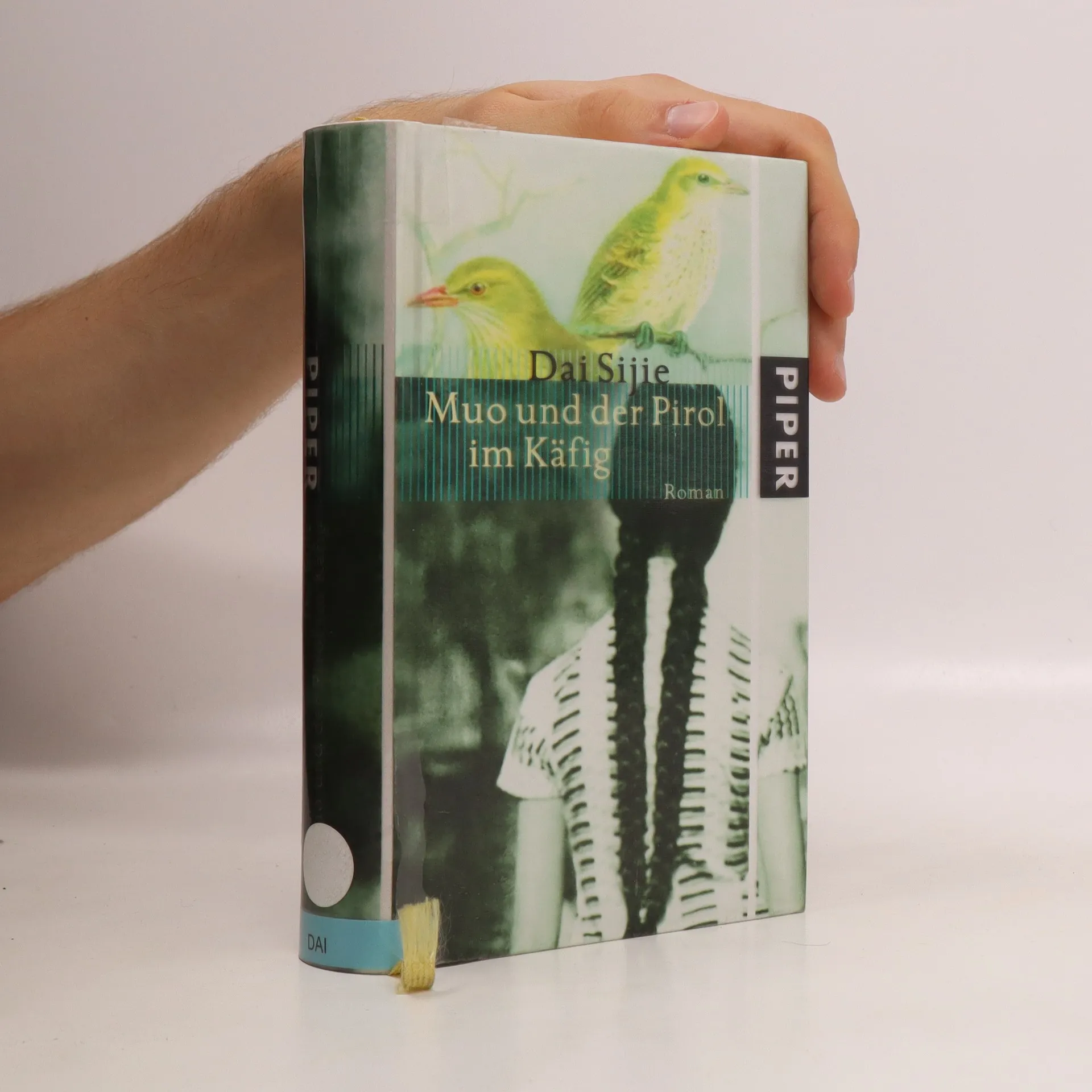
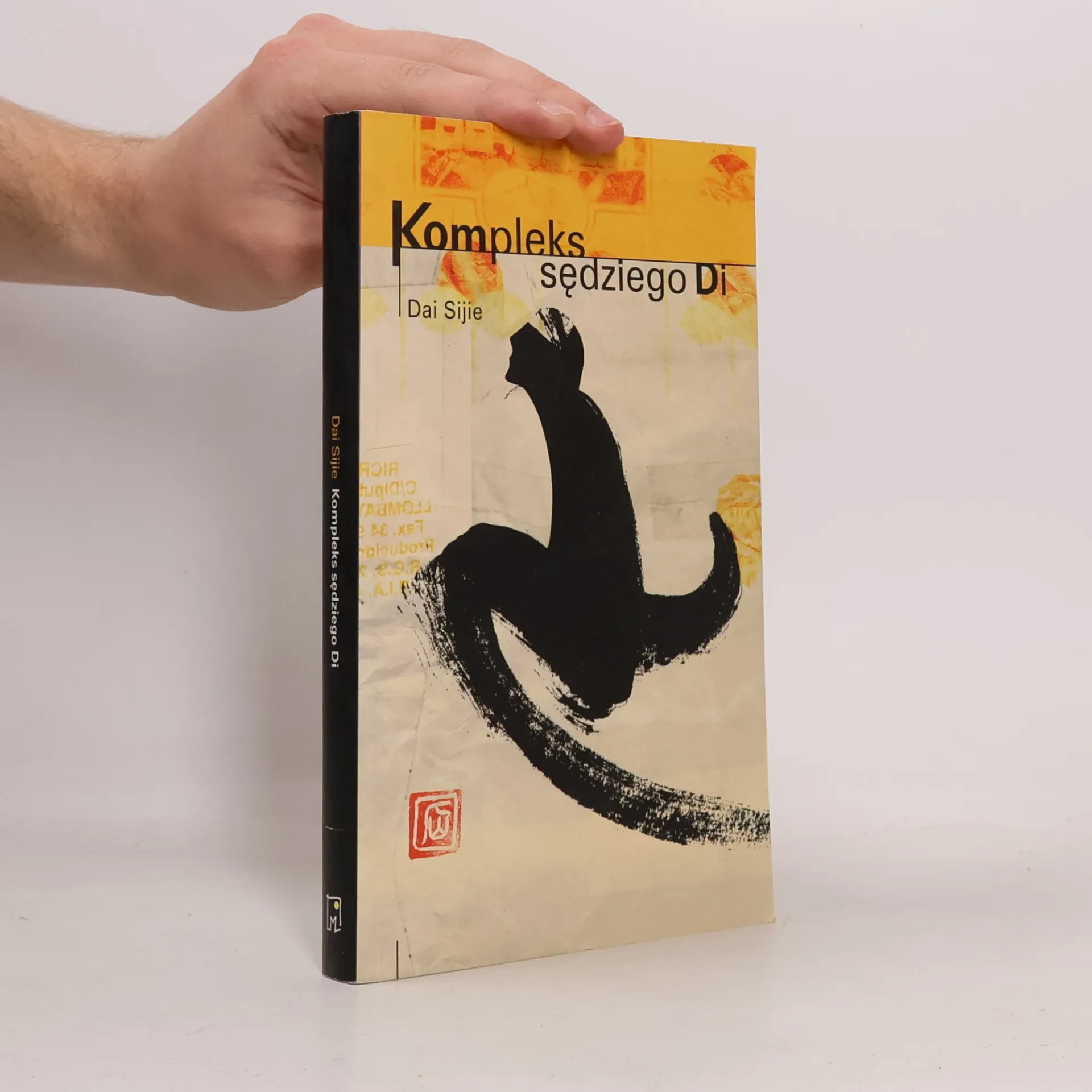
      Having enchanted readers on two continents with Balzac and the Little Chinese Seamstress, Dai Sijie now produces a rapturous and uproarious collision of East and West, a novel about the dream of love and the love of dreams. Fresh from 11 years in Paris studying Freud, bookish Mr. Muo returns to China to spread the gospel of psychoanalysis. His secret purpose is to free his college sweetheart from prison. To do so he has to get on the good side of the bloodthirsty Judge Di, and to accomplish that he must provide the judge with a virgin maiden.This may prove difficult in a China that has embraced western sexual mores along with capitalism–especially since Muo, while indisputably a romantic, is no ladies’ man. Tender, laugh-out-loud funny, and unexpectedly wise, Mr. Muo’s Travelling Couch introduces a hero as endearingly inept as Inspector Clouseau and as valiant as Don Quixote.

      Mr. Muo's Travelling Couch
      2,8
    • V noci, keď nevyšiel mesiac

      • 232pagine
      • 9 ore di lettura

      V noci, keď nevyšiel mesiac je príbeh hľadania: hľadania strateného starovekého rukopisu, ktorý čínsky cisár Pchu-i v záchvate šialenstva roztrhal a vyhodil z lietadla, hľadania stratenej lásky, hľadania identity, pravdy, zmyslu života. Ústredným motívom je stretnutie francúzskej študentky s čínskou kultúrou a tajomná buddhistická sútra. Napísaná je v neznámom mŕtvom jazyku na hodvábnych útržkoch, ktoré majú pre niektorých takú nesmiernu cenu, že sa pre ňu dopustia zločinu, iní dokonca obetujú život, ale len málokto je povolaný hľadať a nájsť jej naozajstný zmysel. Autorovi Dai Sijie vyšiel u nás svetoznámy román Balzac a malá čínska krajčírôčka.

      V noci, keď nevyšiel mesiac
      4,0
    • Trois vies chinoises

      • 149pagine
      • 6 ore di lettura

      Trois contes modernes et intemporels explorent des thèmes familiaux : Ho Chi Minh face à la mort, un jeune peintre cherchant à se protéger, et une fille contrainte de patiner sous le regard de son père, gardien d'un camp de rééducation.

      Trois vies chinoises
      3,9
    • Folio: Les caves du Potala

      • 224pagine
      • 8 ore di lettura

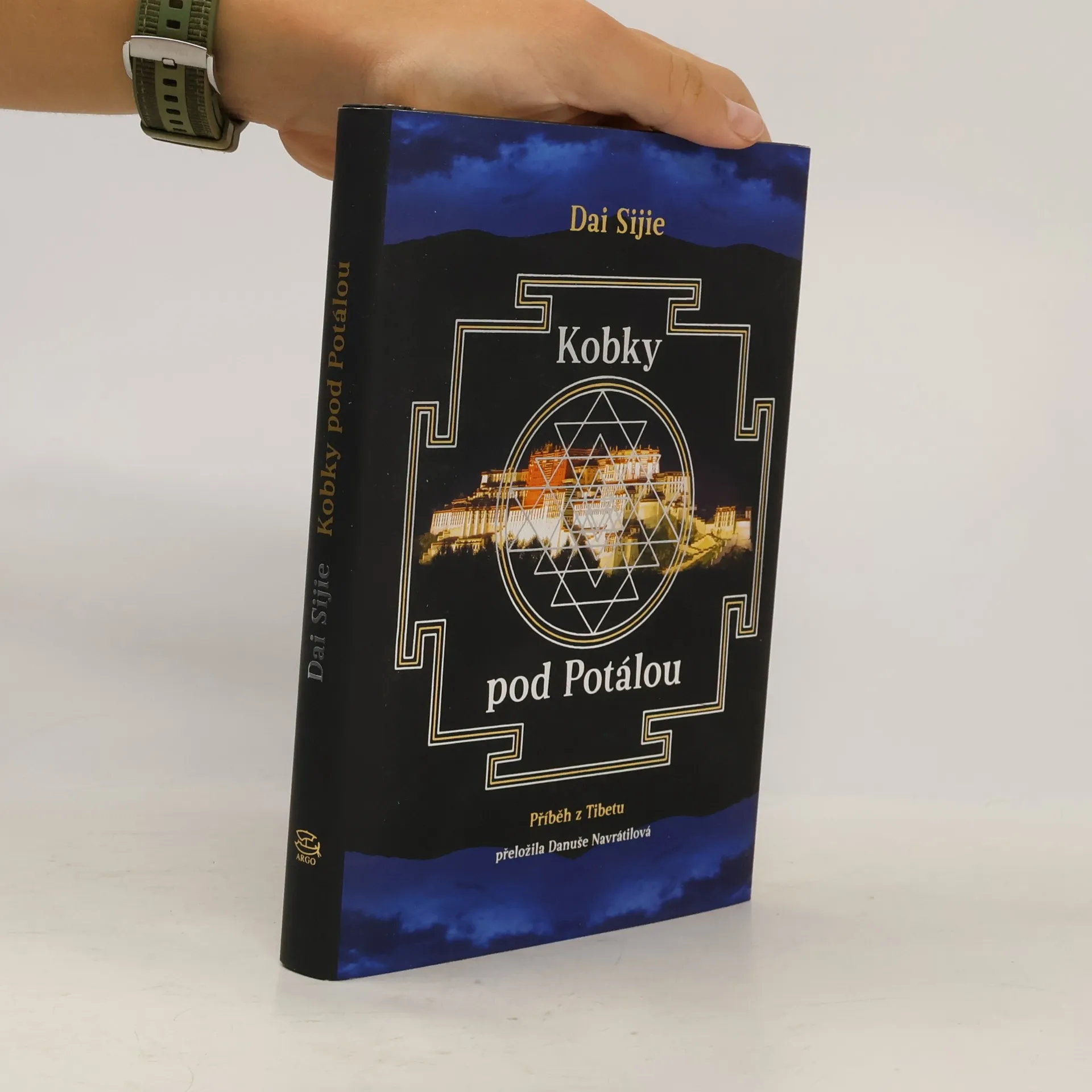
      1968, palais du Potala au Tibet. L'ancienne demeure du dalaï-lama est occupée par une petite troupe de très jeunes gardes rouges fanatisés, étudiants à l'école des beaux-arts, menés par un garçon particulièrement cruel, "le Loup". Dans les anciennes écuries du palais, Bstan Pa, ancien peintre du dalaï-lama, est retenu prisonnier. Le Loup veut lui faire avouer sous la torture ses crimes contre-révolutionnaires. Alors que les jeunes gardes rouges profanent les plus hautes oeuvres d'art bouddhique, le vieux peintre se remémore une existence dédiée à la peinture sacrée. Il se souvient de son apprentissage auprès de son maître, des échelons gravis grâce à son talent exceptionnel jusqu'à approcher les plus hautes autorités religieuses et participer à la recherche du nouveau tulkou, l'enfant appelé à succéder au défunt dalaï-lama. Que peut la violence des hommes contre la beauté ?Dai Sijie nous fait pénétrer dans un univers d'harmonie et de méditation, nourri par l'évocation d'une tradition séculaire très raffinée que l'écrivain connaît à la perfection. Empreint d'une sensualité étonnante dans la description de l'art tibétain, ce nouveau roman de l'auteur de Balzac et la Petite Tailleuse chinoise procure un sentiment de dépaysement absolu dans l'espace et dans le temps.

      Folio: Les caves du Potala
      3,6
    • In this enchanting tale about the magic of reading and the wonder of romantic awakening, two hapless city boys are exiled to a remote mountain village for reeducation during China's infamous Cultural Revolution. There they meet the daughter of the local tailor and discover a hidden stash of Western classics in Chinese translation. As they flirt with the seamstress and secretly devour these banned works, they find transit from their grim surroundings to worlds they never imagined.

      ClassicoCollège: Balzac et la petite tailleuse chinoise
      3,8
    • Der Kantinendirektor kauft den dreizehnjährigen Neffen der Stummen füreinen monströsen Plan … Die kleine Eistänzerin ist überzeugt davon, dass ihr Vater, der Wächter des Stausees, ihre Mutter ermordet hat … Die alte Schmiedin schürt noch einmal das Feuer, um eine Kette herzustellen, mitder sie ihren Sohn an einen Baum fesseln kann …Auf der Insel der Edlen gibt es eigentlich nur Müll und die Ärmsten der Armen, die versuchen, durch 'Wertstoffgewinnung' ihr Leben zu bestreiten. Vor dieser sehr realen Kulisse, die dennoch jedem Science-Fiction-Film zurEhre gereichen würde, spielen drei gespenstisch gute Geschichten, in denen Dai Sijie dem modernen China ein unvergessliches Gesicht gibt.

      Der kleine Trommler
      3,8
    • L'evangile Selon Yong Sheng

      • 496pagine
      • 18 ore di lettura

      "Chine, XXe siècle. Yong Sheng est le fils d'un charpentier réputé pour ses sifflets qui, une fois accrochés aux plumes des colombes, produisent de merveilleuses mélodies. Tout destinait le garçon à devenir artisan, jusqu'à ce qu'il rencontre Mary, une institutrice de l'école chrétienne. Dès lors, sa vocation éclot : il sera le premier pasteur chinois de la ville. Mais en 1949, la Révolution culturelle est en marche, et l'existence du jeune homme bascule. Armé de sa seule bonté, Yong Sheng devra affronter la cruauté d'un régime qui n'épargne personne. S'inspirant de la vie de son grand-père, l'auteur de Balzac et la Petite Tailleuse chinoise démontre ici encore son incroyable talent de conteur."--cover page 4

      L'evangile Selon Yong Sheng
      3,5