
Bookbot

Florin-Gheorghe Fodorean

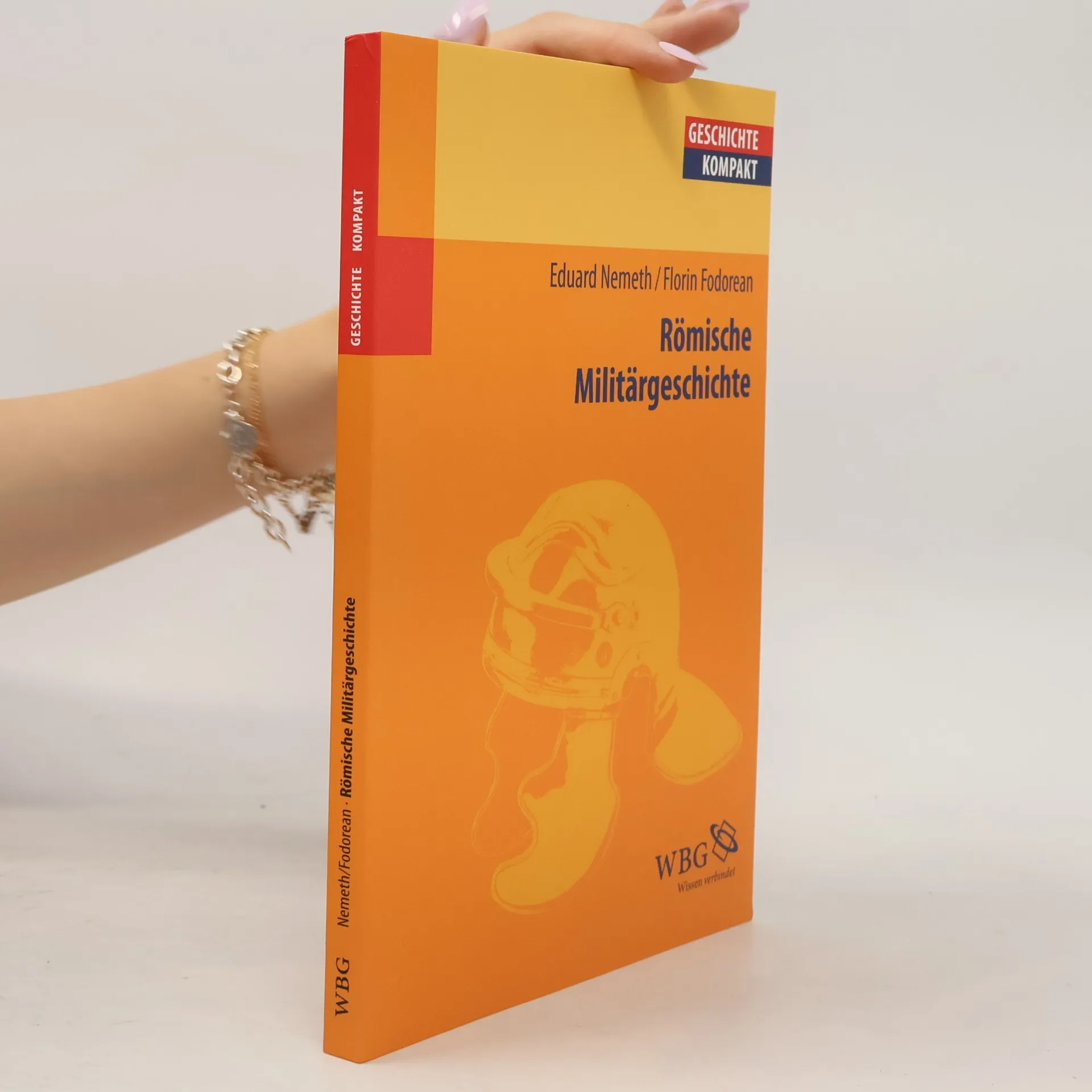
    Römische Militärgeschichte
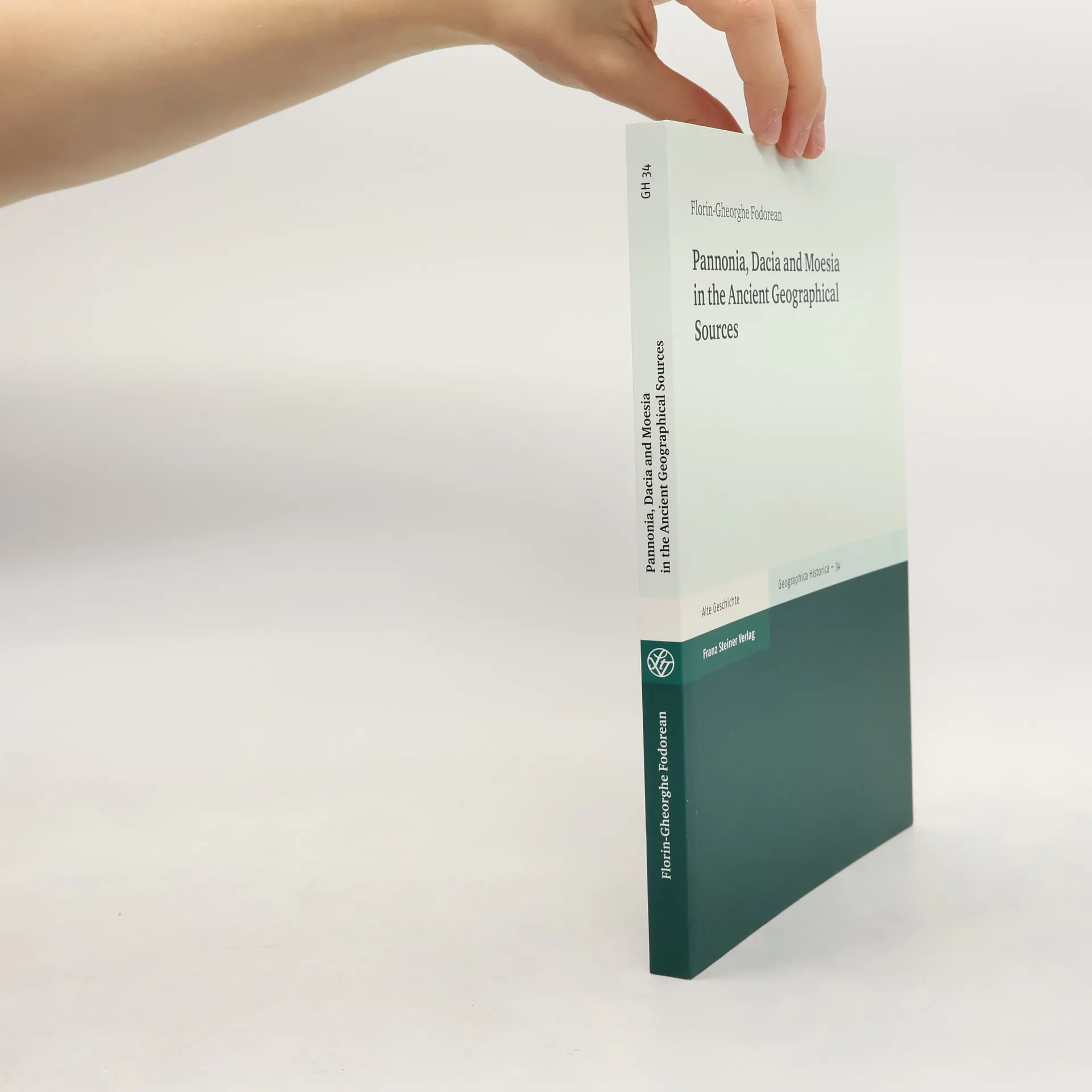
    Geographica Historica - 34: Pannonia, Dacia and Moesia in the Ancient Geographical Sources
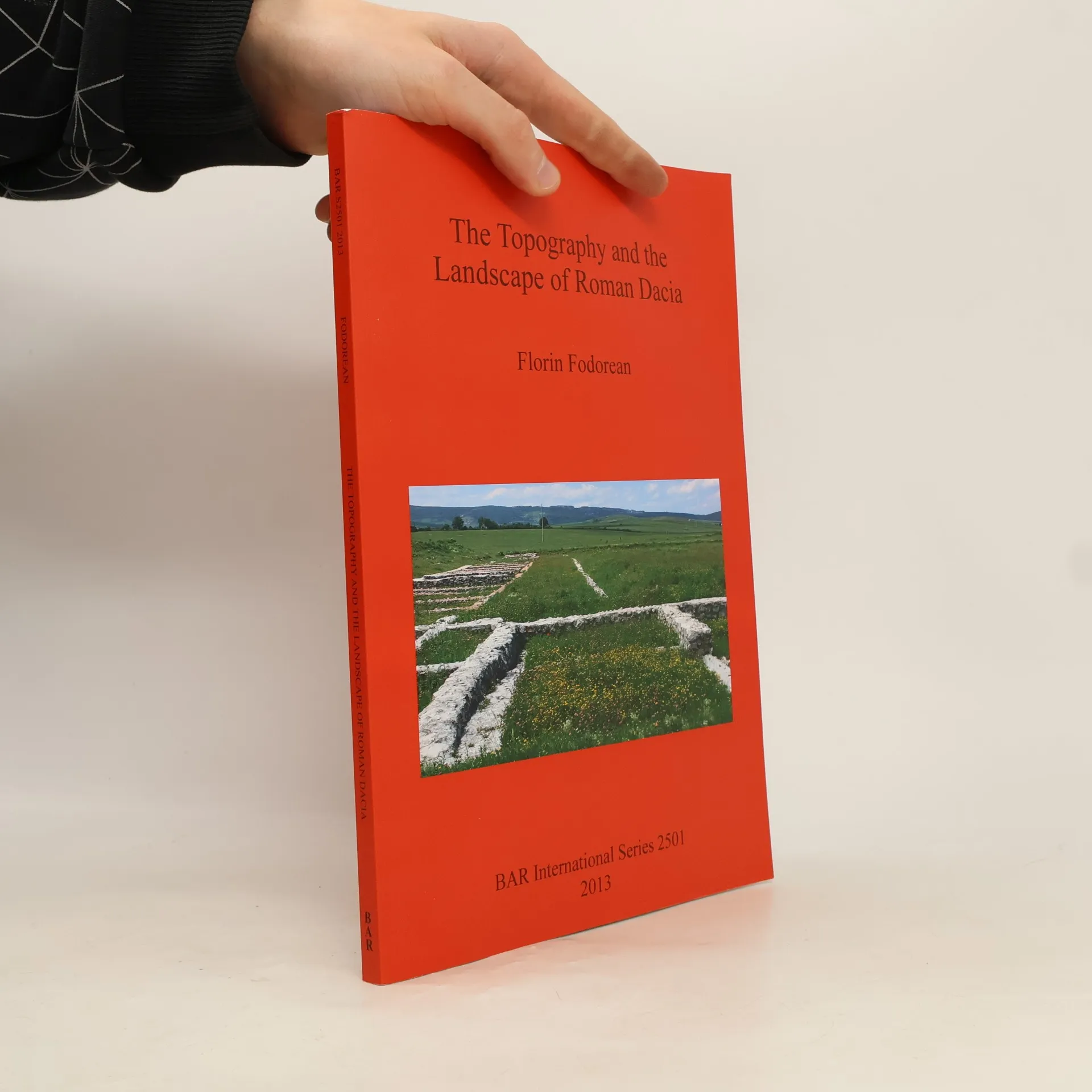
    The Topography and the Landscape of Roman Dacia
    • The study delves into the topography and landscape of Roman Dacia, exploring its road network and geographical perceptions before and after the Roman conquest. It analyzes ancient sources, including the 'Tabula Peutingeriana' and archaeological remains, to reconstruct the main roads. The author also investigates rural settlements like Potaissa and Napoca, along with Roman bridges. By integrating historical cartography and modern digital data, the work offers a comprehensive recreation of the landscape of Roman Dacia, highlighting its historical significance.

      The Topography and the Landscape of Roman Dacia
    • The Peutinger map and the Antonine itinerary represent two of the most important documents on travelling in the Roman world. With a focus on the three provinces Pannonia, Dacia and Moesia, Florin-Gheorghe Fodorean analyzes and compares the distances registered in these documents of ancient geography. By including data from other ancient sources – the Itinerarium Burdigalense, the Notitia Dignitatum, and the Cosmographia of the Anonymous from Ravenna – and by applying a new combination of methods, the author provides new insights into the Peutinger map and the Antonine itinerary. Fodorean discusses some important ancient literary sources, uses the data provided by milestones and compares the distances between the settlements recorded in the two documents. This new methodological approach leads him to the conclusion that the compilers of these most important documents of ancient geography used different sources.

      Geographica Historica - 34: Pannonia, Dacia and Moesia in the Ancient Geographical Sources
    • Römische Militärgeschichte

      • 134pagine
      • 5 ore di lettura

      Von der bäuerlichen Siedlung am Tiber zum mächtigen Imperium Romanum - die Expansion Roms ist spektakulär. Dabei spielte die Durchschlagskraft und Organisation des Heerwesens die entscheidende Rolle. Aber die Legionen eroberten nicht nur ein gigantisches Reich, sie verbreiteten auch die lateinische Kultur und Sprache. Eduard Nemeth und Florin Fodorean, Experten für römische Militärgeschichte, zeichnen auf Basis des neuesten Forschungstandes die Entwicklungen des römischen Militärs vom Bürgerheer der römischen Frühzeit bis zum „barbarisierten“ Militär der Spätantike nach. Neben Organisation und Struktur der Armee analysieren sie Militärstrategien ebenso wie große Siege und schmachvolle Niederlagen und bietet damit eine kompakte Einführung in die römische Militärgeschichte.

      Römische Militärgeschichte