

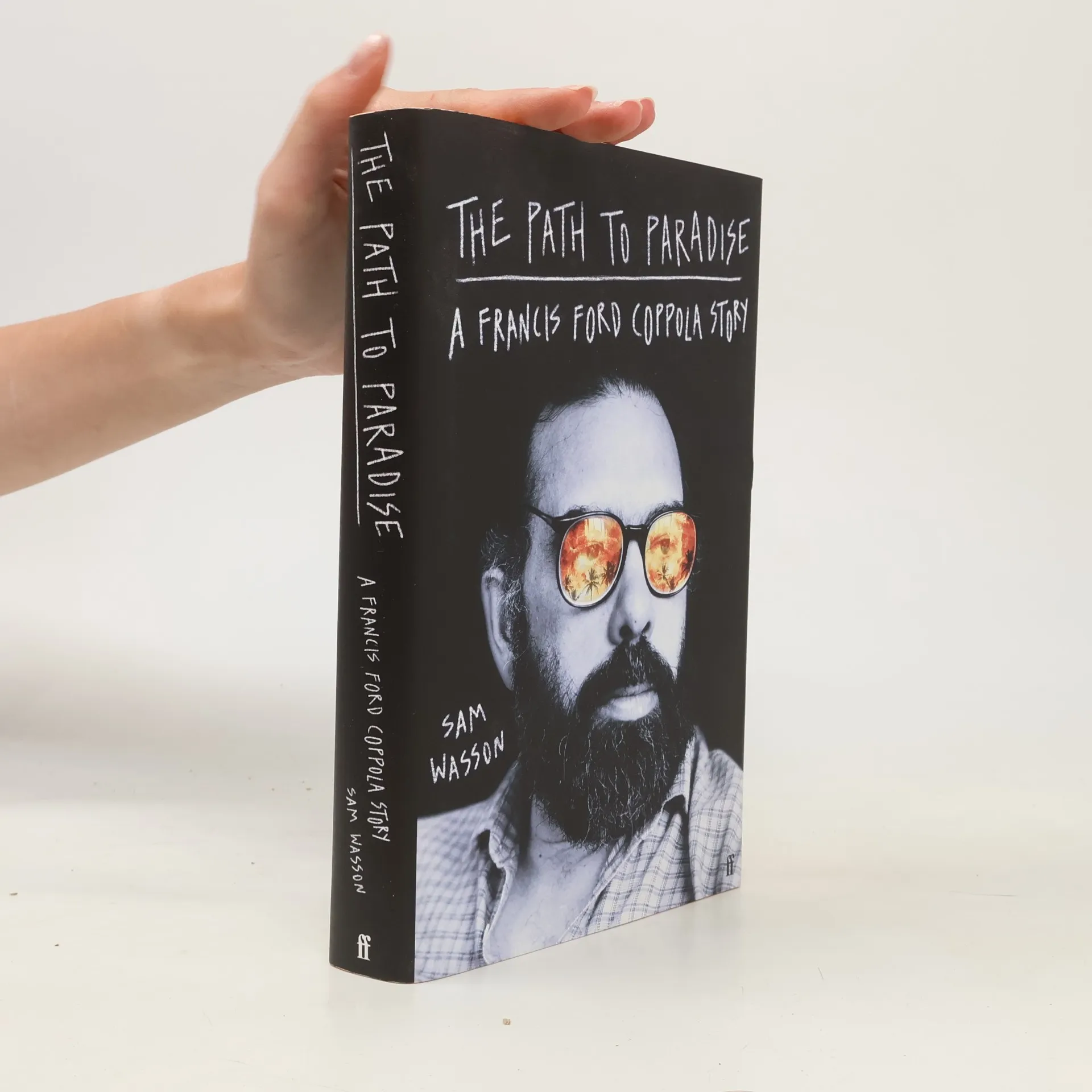
A visionary who was ahead of his time, the book presents Francis Ford Coppola's great adventure in film-making.
Sam Wasson Ordine dei libri (cronologico)
Sam Wasson è autore di opere bestseller del New York Times e di diversi altri volumi di critica cinematografica. La sua scrittura esplora frequentemente l'intersezione tra moda, cultura e cinema, esaminando come questi elementi abbiano plasmato l'identità e lo stile moderni. L'analisi di Wasson è acuta e la sua prosa possiede una notevole capacità di portare in vita epoche passate e le loro icone con accattivante eleganza. La sua esperienza nel cinema e nella storia culturale fornisce una prospettiva unica alle sue opere.

Hollywood
- 739pagine
- 26 ore di lettura
"Hollywood: The Oral History covers the history of Hollywood from the Silent era up to the 21st century. What makes this book unique from any other survey of Hollywood's history is that it is the history of an art form through the words of those people who created it - from Harold Lloyd to Katharine Hepburn to Warren Beatty to Jane Fonda and beyond, including directors, writers, producers, editors, designers of sets and costumes. As such, the authenticity of the text is irrefutable. The material in the book - gathered over the decades by the American Film Institute - has never been published before, has never been heard before"--Publisher's description
From the New York Times bestselling author comes a revelatory account of the making of a modern American masterpiece. Chinatown is hailed as the Holy Grail of 1970s cinema, known for its notorious twist ending and haunting closing line. This narrative unveils the incredible true story behind its creation, spotlighting the colorful characters of a vibrant Hollywood era. Jack Nicholson shines at the peak of his fame, entangled in a passionate yet doomed romance with Anjelica Huston. Director Roman Polanski, both predator and prey, grapples with the haunting memory of his wife’s brutal murder as he returns to Los Angeles, where his own self-destruction begins to unfold. The narrative also captures the fevered deal-making of Robert Evans, a quintessential producer, and Robert Towne's legendary script, often regarded as the greatest original screenplay ever written. Wasson strips away layers of myth to reveal the true account of this classic film's creation. The story is set against the backdrop of the decline of '70s filmmaker-friendly studios, marking the transition to corporate Hollywood. This exploration will join the ranks of classics like Easy Riders, Raging Bulls, and The Devil's Candy as one of the great movie-world books. Praise for Wasson highlights his talent for chronicling old Hollywood and his flair for style.
The Big Goodbye
- 416pagine
- 15 ore di lettura
Here is director Roman Polanski, both predator and prey, haunted by the savage murder of his wife, returning to Los Angeles, where the seeds of his own self- destruction are quickly planted. Here too is Robert Towne's fabled script, widely considered the greatest original screenplay ever written.
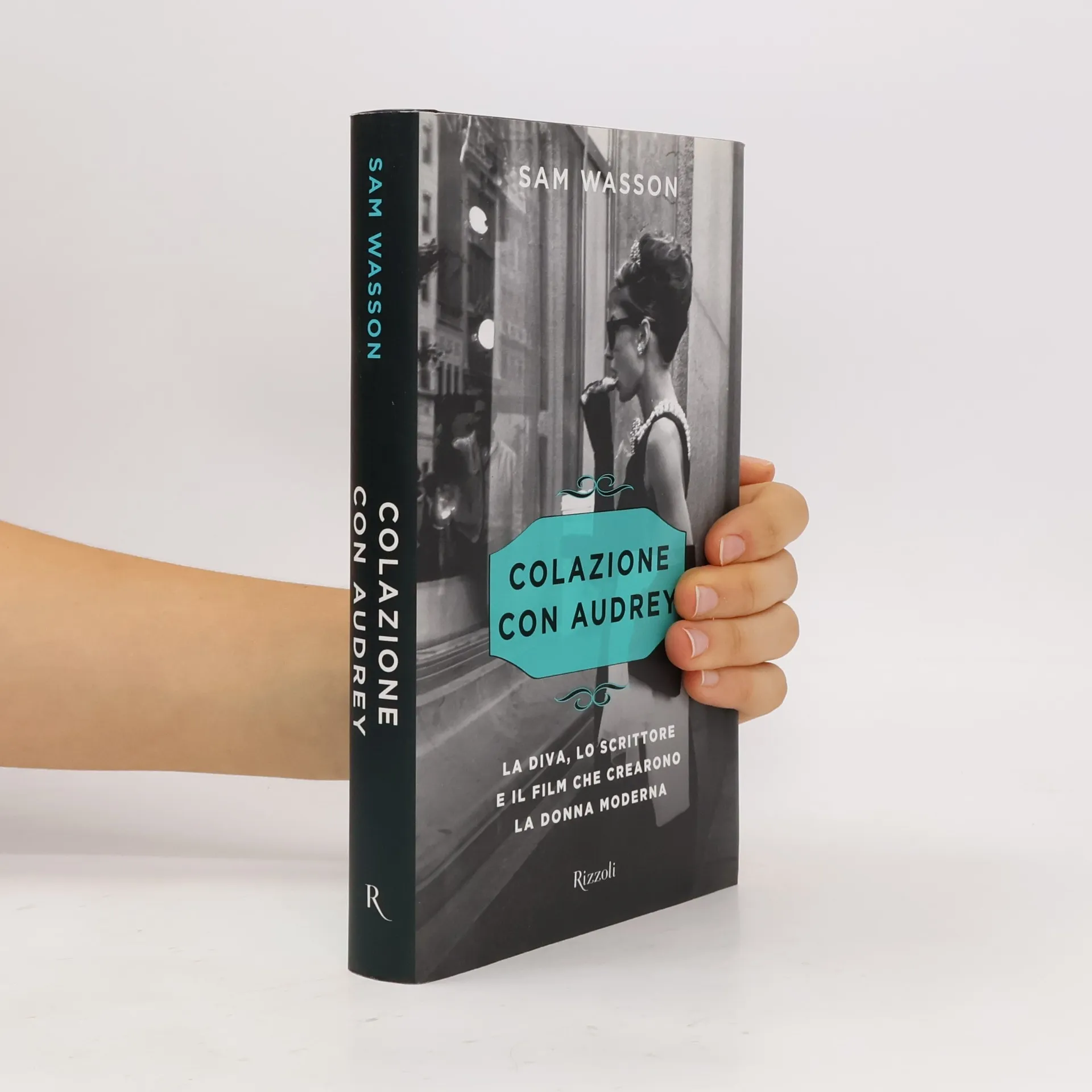
Colazione con Audrey
La diva, lo scrittore e il film che crearono la donna moderna
- 251pagine
- 9 ore di lettura
Sullo sfondo di un’America ancora intrappolata nel perbenismo degli anni ’50 ma già tesa verso lo spirito ribelle di Woodstock, Sam Wasson racconta la storia di un film, la storia di una donna e la storia di un’epoca. Alle 5 del mattino del 2 ottobre 1960, Holly Golightly cammina per la Quinta Strada in una New York deserta, con gli occhiali da sole scuri e un abito di Givenchy destinato a diventare leggendario: è così che inizia Colazione da Tiffany ed è con questa scena che si apre una nuova era per la società americana (e non solo). Sam Wasson racconta la nascita, la realizzazione e le conseguenze di un film unico. Svela le avventure rocambolesche che sceneggiatore, regista, attori e produttori hanno dovuto affrontare per portare a termine una lavorazione piena di imprevisti; i trucchi messi in atto per passare illesi (o quasi) tra le maglie della censura e le intuizioni geniali che hanno permesso al film di superare un’accoglienza diffidente, di fare breccia nei cuori degli spettatori e di diventare un vero classico. Tutto parte dalla storia di una giovane comparsa che diventa un’icona di stile: Audrey Hepburn, con la sua grazia, riesce a guadagnarsi la fiducia di un pubblico eterogeneo e a conquistare mariti, mogli, genitori e figli. Nel momento in cui la società si sente soffocata nei vecchi panni del primo dopoguerra e scalpita aspettando un cambiamento, Audrey e Colazione da Tiffany propongono un cinema diverso, una moda nuova e uno stile di vita libero da polverosi moralismi (e in cui il sesso non è più né un tabù né una condanna!). L’autore ripercorre la storia del film, i retroscena più significativi ma anche le sfumature più segrete: Marilyn Monroe che si sfila le scarpe per ballare con Truman Capote, Billy Wilder che si nasconde in un armadio, Givenchy che pensa di parlare con la Hepburn sbagliata, Blake Edwards che organizza una festa per girare la scena di una festa e Moon River che rischia di non entrare nel film... salvo poi far risplendere Colazione da Tiffany alla notte degli Oscar.