

Bookbot

Robert Scholes

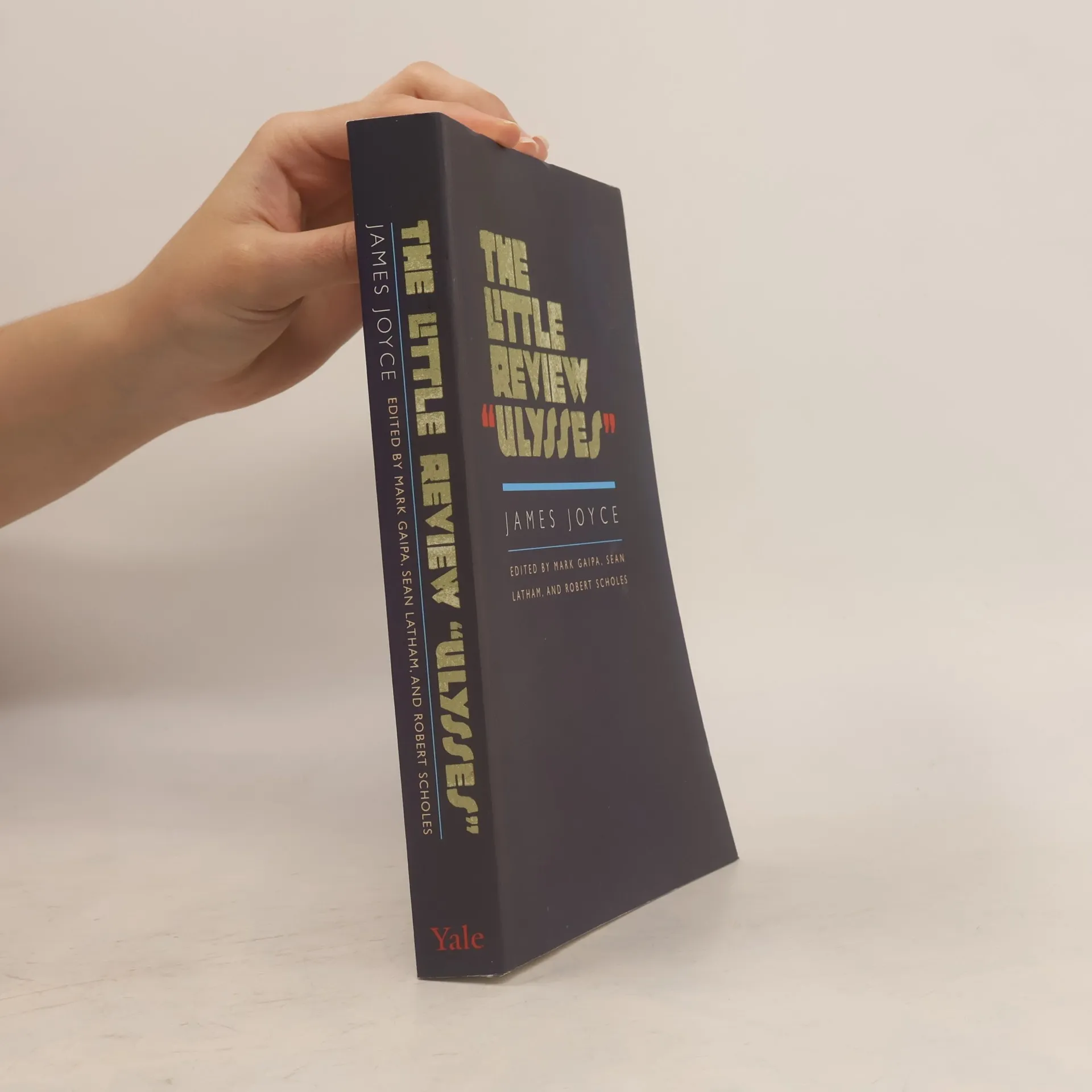
    The Little Review "Ulysses"
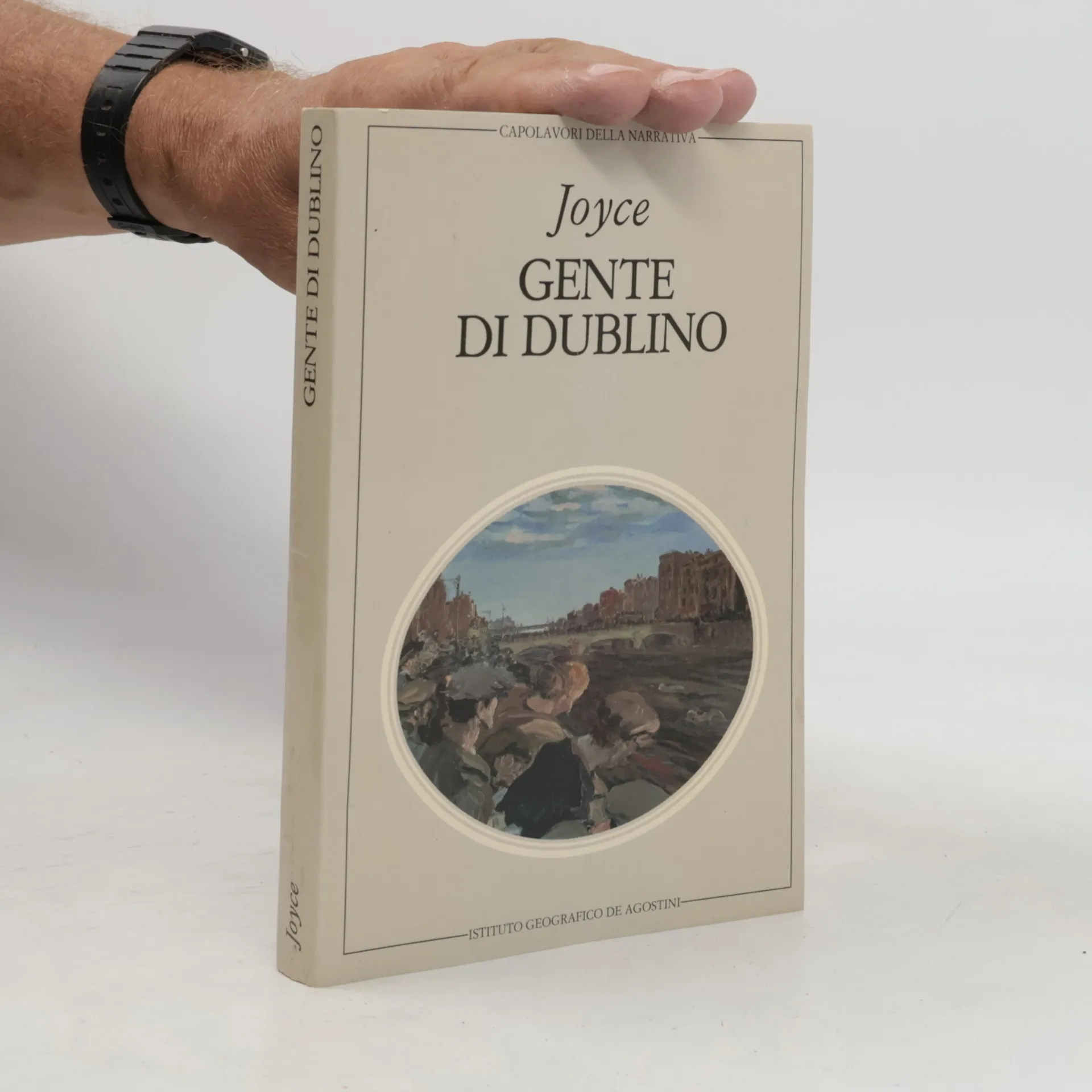
    Gente di Dublino
    La letteratura fantastica
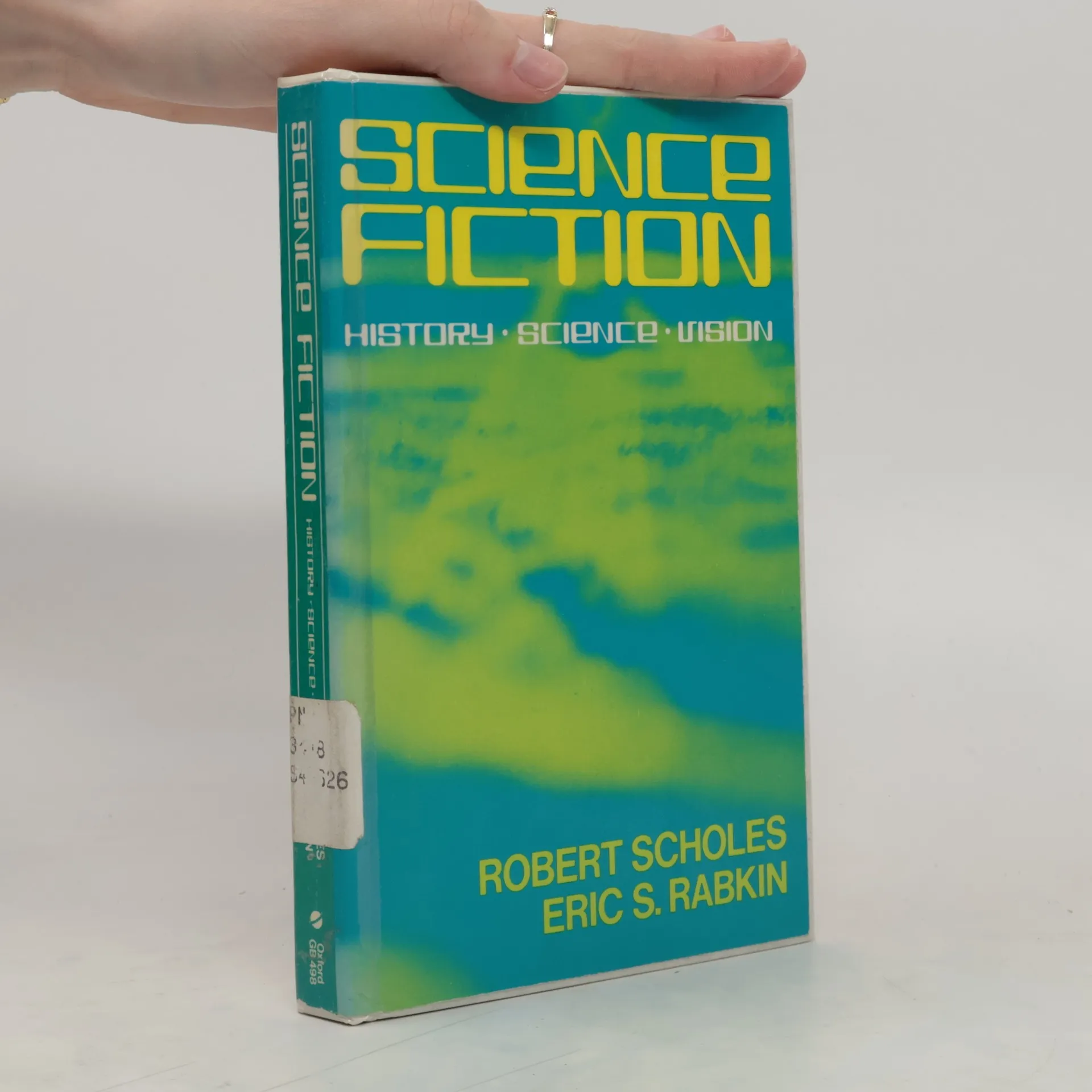
    Science Fiction
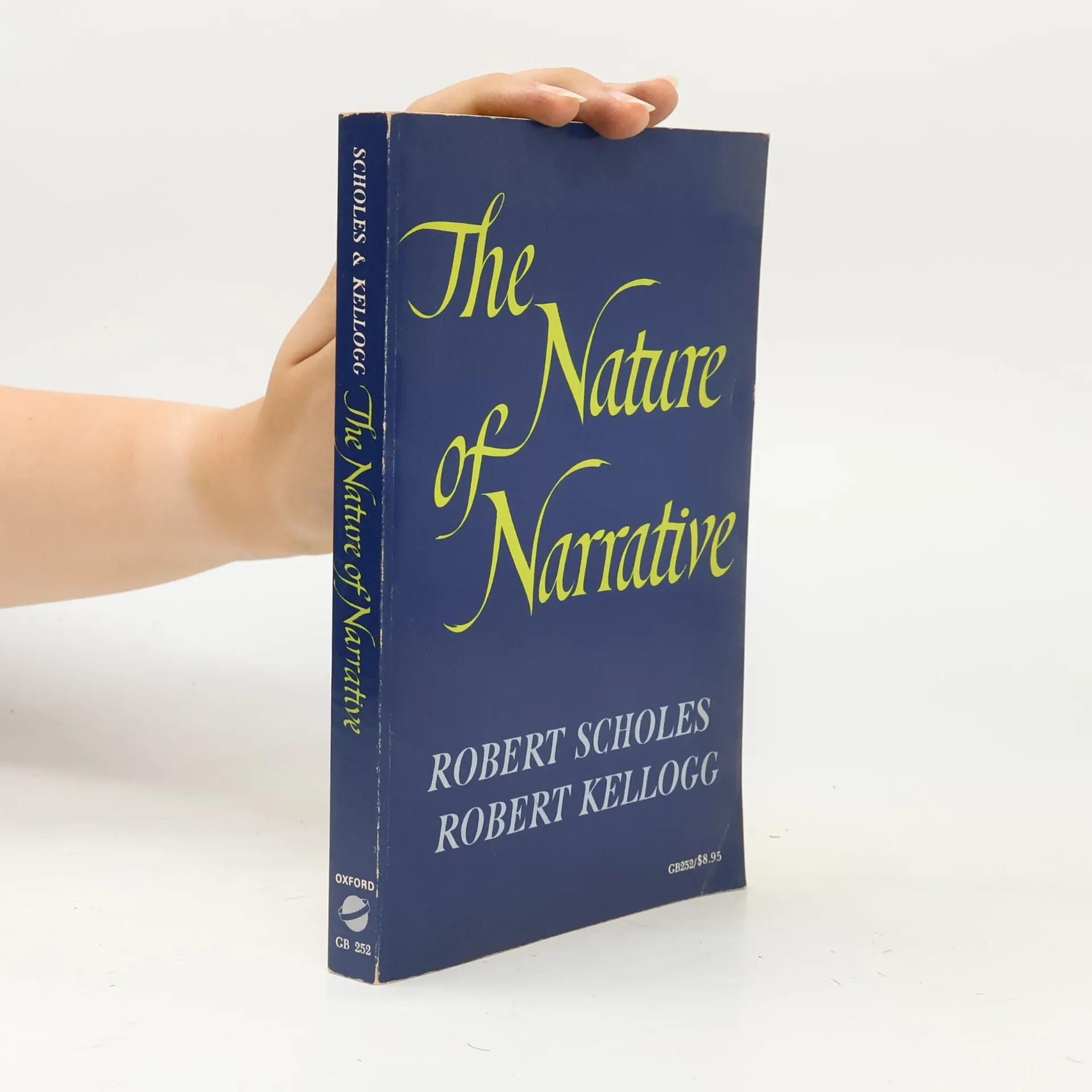
    Galaxy Books - 252: The Nature of Narrative
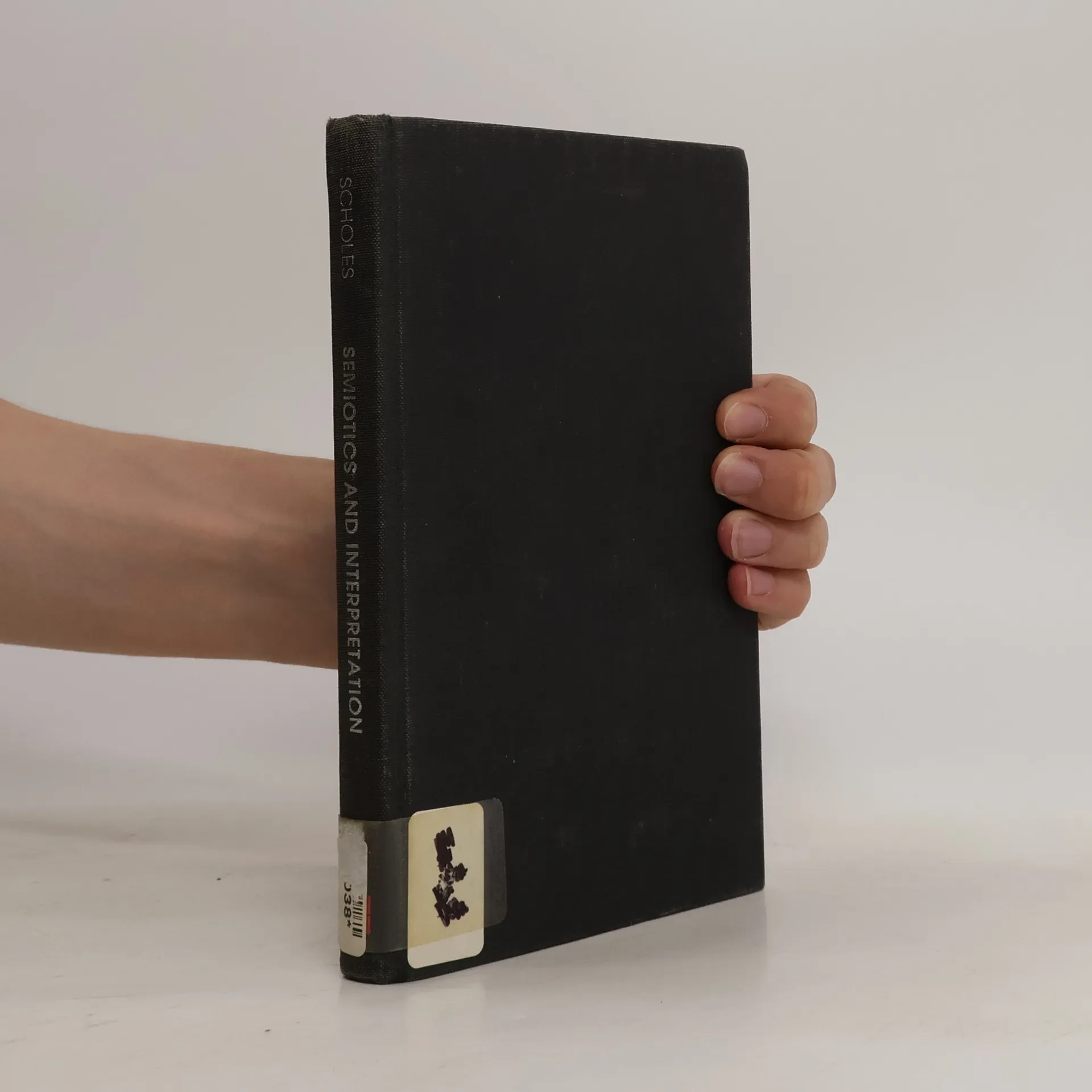
    Semiotics and Interpretation
    • The Little Review "Ulysses"

      • 480pagine
      • 17 ore di lettura

      James Joyce’s Ulysses first appeared in print in the pages of an American avant-garde magazine, The Little Review , between 1918 and 1920. The novel many consider to be the most important literary work of the twentieth century was, at the time, deemed obscene and scandalous, resulting in the eventual seizure of The Little Review and the placing of a legal ban on Joyce’s masterwork that would not be lifted in the United States until 1933. For the first time, The Little Review “Ulysses” brings together the serial installments of Ulysses to create a new edition of the novel, enabling teachers, students, scholars, and general readers to see how one of the previous century’s most daring and influential prose narratives evolved, and how it was initially introduced to an audience who recognized its radical potential to transform Western literature. This unique and essential publication also includes essays and illustrations designed to help readers understand the rich contexts in which Ulysses first appeared and trace the complex changes Joyce introduced after it was banned.

      The Little Review "Ulysses"2015
    • La letteratura fantastica

      • 192pagine
      • 7 ore di lettura

      In The Fantastic, Tzvetan Todorov seeks to examine both generic theory and a particular genre, moving back and forth between a poetics of the fantastic itself and a metapoetics or theory of theorizing, even as he suggest that one must, as a critic, move back and forth between theory and history, between idea and fact. His work on the fantastic is indeed about a historical phenomenon that we recognize, about specific works that we may read, but it is also about the use and abuse of generic theory. As an essay in fictional poetics, The Fantastic is consciously structuralist in its approach to the generic subject. Todorov seeks linguistic bases for the structural features he notes in a variety of fantastic texts, including Potocki's The Sargasso Manuscript, Nerval's Aur lia, Balzac's The Magic Skin, the Arabian Nights, Cazotte's Le Diable Amoureux, Kafka's The Metamorphosis, and tales by E. T. A. Hoffman, Charles Perrault, Guy de Maupassant, Nicolai Gogol, and Edgar A. Poe.

      La letteratura fantastica1987
      3,9
    • "The book offers . . . a clutch of examples of semiotics usefully and intelligently applied, which Scholes's patient, cheerful tone and his resolutely concrete vocabulary manage to combine into a breezily informative American confection."-Terence Hawkes, Times Literary Supplement

      Semiotics and Interpretation1982
      4,0
    • Science Fiction

      History, Science, Vision

      • 272pagine
      • 10 ore di lettura

      This is both an introduction to an overwhelming popular literary genre and a stimulating analysis of its literary, socal, and scientific elements. Contains detailed discussions of the most significant writers,a nd of ten representative novels from 1818 to 1976.

      Science Fiction1977
      3,8
    • Personaggi dublinesi che, nella loro inerzia e nella loro ipocrisia, riflettono caratteri universali. Racconti naturalistici che mettono a fuoco i momenti fondamentali dell'esistenza: la fanciullezza, l'adolescenza, la maturità.

      Gente di Dublino1977
      3,5
    • Reexamines the development and the popular conception of narrative literature and looks at meaning, characterization, plot, and point of view in various narrative forms.

      Galaxy Books - 252: The Nature of Narrative1966
      4,0