
10 libri per 10 euro qui
Bookbot

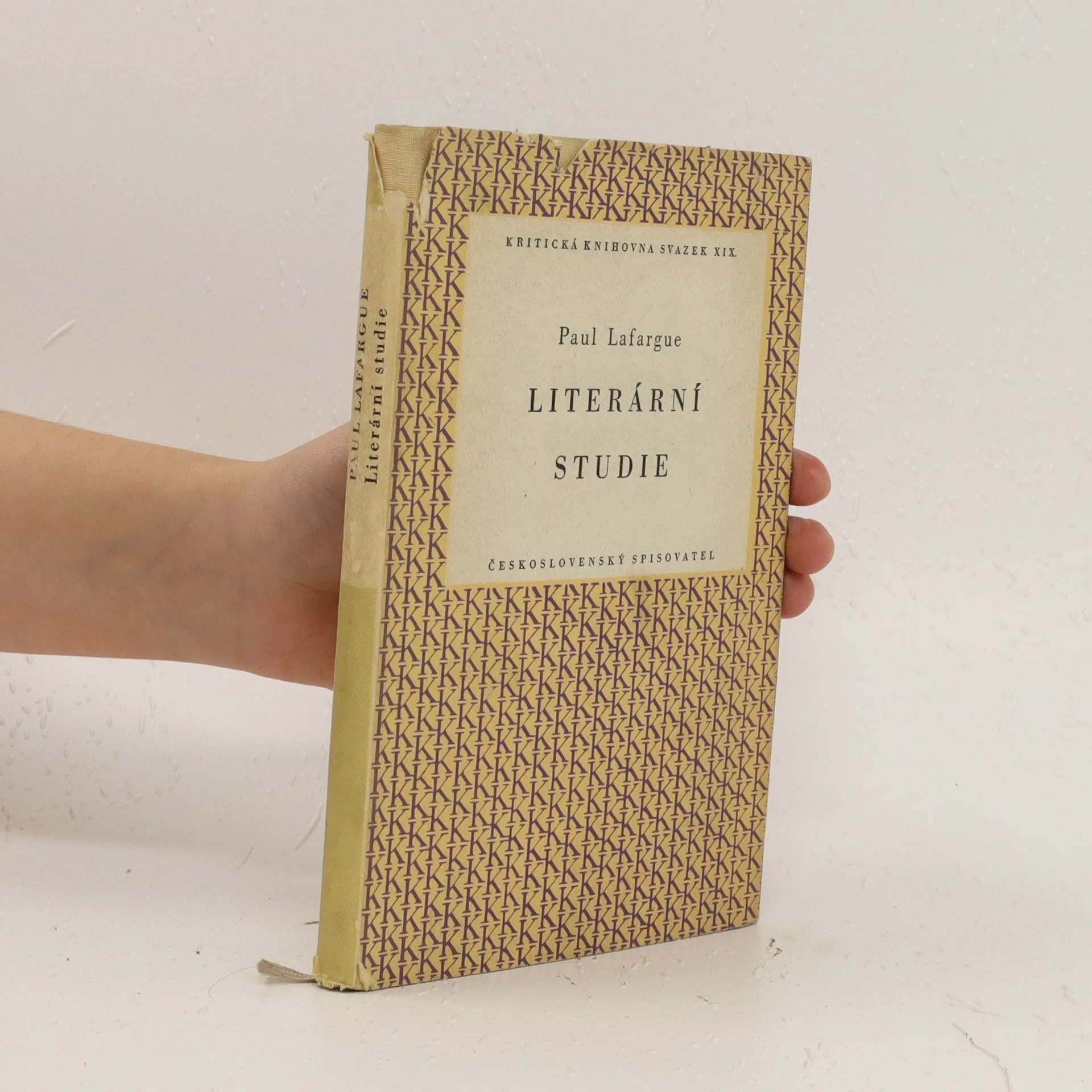
Paul Lafargue

    15 gennaio 1842 – 26 novembre 1911

    Il socialista marxista rivoluzionario francese e genero di Karl Marx, Lafargue, nacque a Cuba da genitori francesi e creoli. La sua opera fondamentale, "Il diritto all'ozio", sostiene non solo il diritto al lavoro, ma anche il diritto all'inattività. In essa, suggerì provocatoriamente che gli schiavi africani vivevano in circostanze migliori rispetto ai lavoratori europei, sfidando le nozioni prevalenti sul lavoro e sul progresso.

    Paul Lafargue
    Das Recht auf Faulheit (Großdruck)
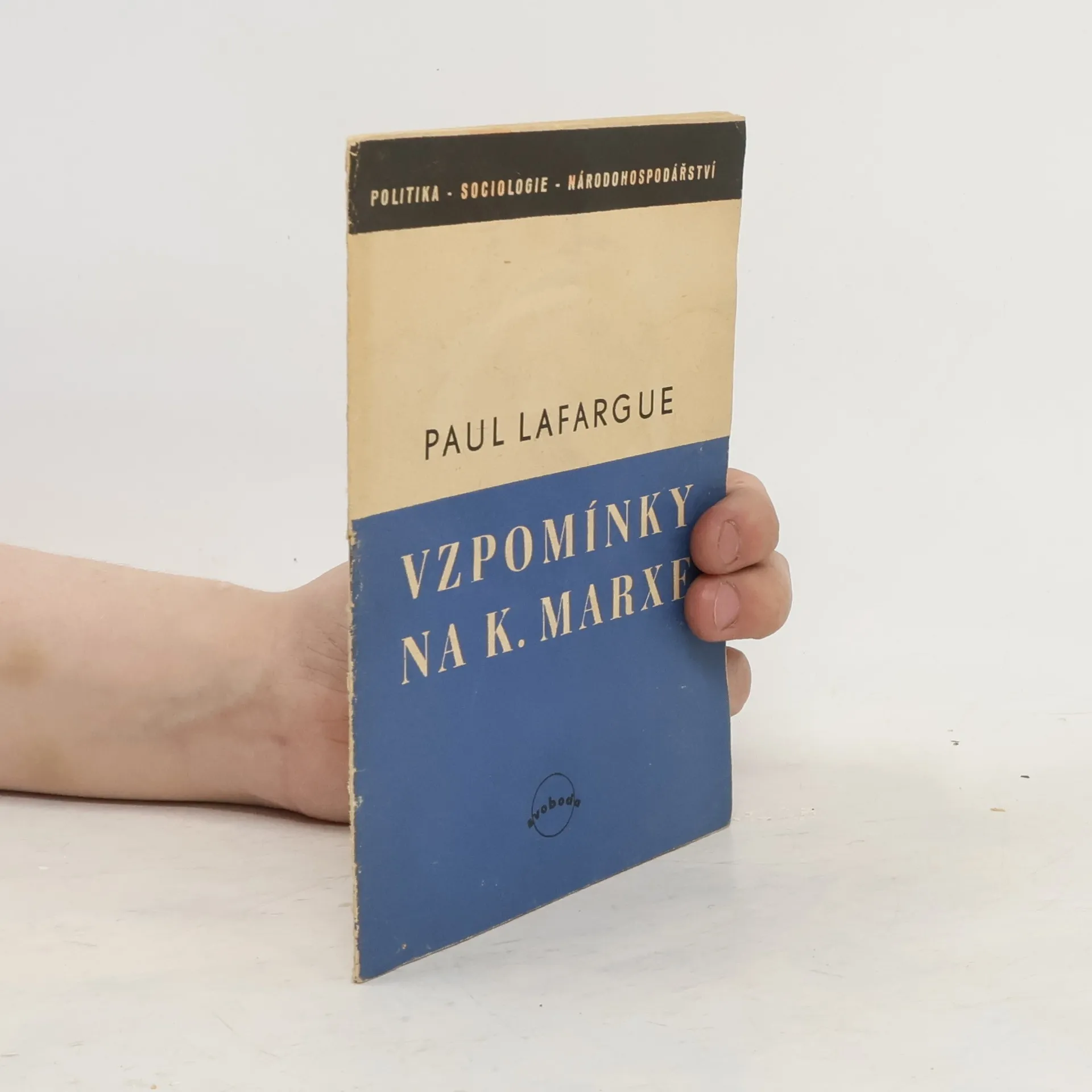
    Vzpomínky na Marxe
    Das Recht auf Faulheit & Persönliche Erinnerungen an Karl Marx
    The Right to Be Lazy, and Other Studies
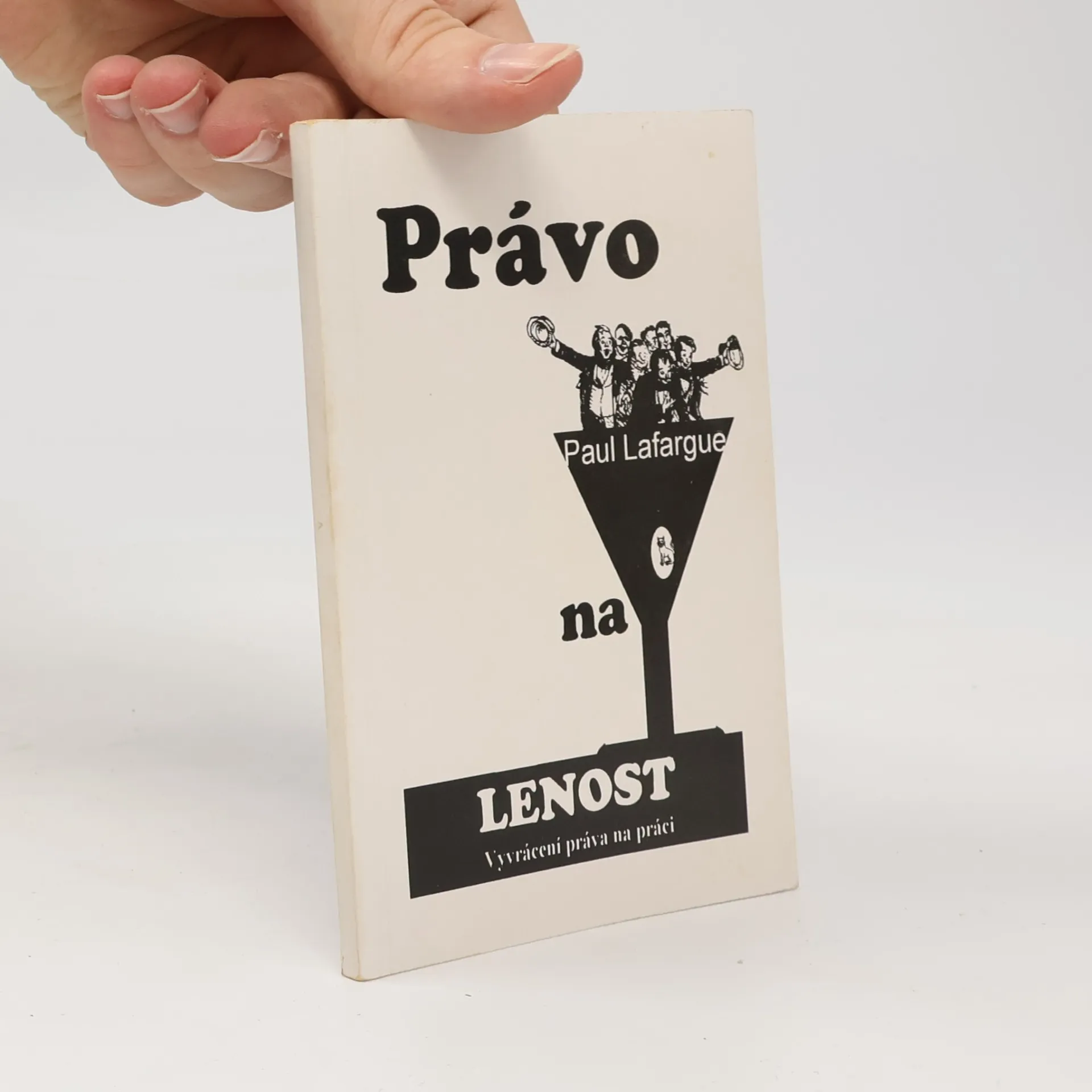
    The Right To Be Lazy
    The Right to Be Lazy
    • The Right to Be Lazy

      • 200pagine
      • 7 ore di lettura

      Now in a new translation, a classic nineteenth-century defense for the cause of idleness by a revolutionary writer and activist (and Karl Marx's son-in law) that reshaped European ideas of labor and production. Exuberant, provocative, and as controversial as when it first appeared in 1880, Paul Lafargue’s The Right to Be Lazy is a call for the workers of the world to unite—and stop working so much! Lafargue, Karl Marx’s son-in-law (about whom Marx once said, “If he is a Marxist, then I am clearly not”) wrote his pamphlet on the virtues of laziness while in prison for giving a socialist speech. At once a timely argument for a three-hour workday and a classical defense of leisure, The Right to Be Lazy shifted the course of European thought, going through seventeen editions in Russia during the Revolution of 1905 and helping shape John Maynard Keynes’s ideas about overproduction. Published here with a selection of Lafargue’s other writings—including an essay on Victor Hugo and a memoir of Marx—The Right to Be Lazy reminds us that the urge to work is not always beneficial, let alone necessary. It can also be a “strange madness” consuming human lives.

      The Right to Be Lazy
    • The Right To Be Lazy

      Easy to Read Layout

      • 76pagine
      • 3 ore di lettura

      Exploring the impact of capitalism, this work argues that labor leads to intellectual decline and physical deformities. It delves into the societal implications of work within a capitalist framework, challenging the notion that labor is inherently valuable. Through critical analysis, it exposes the detrimental effects of a profit-driven economy on both individuals and society as a whole. This thought-provoking perspective encourages readers to reconsider the relationship between work, health, and intellectual development.

      The Right To Be Lazy
    • "The Right to be Lazy" by Paul Lafargue critiques various ideologies surrounding labor, including liberal, conservative, Christian, and socialist views. The essay advocates for the value of leisure and challenges the societal norms that prioritize relentless work over personal well-being.

      The Right to Be Lazy, and Other Studies
    • Das Recht auf Faulheit (Großdruck)

      Widerlegung des »Rechts auf Arbeit«

      • 56pagine
      • 2 ore di lettura

      In dieser provokanten Schrift argumentiert Paul Lafargue gegen das gesellschaftliche Ideal des Arbeitens und plädiert stattdessen für das „Recht auf Faulheit“. Er kritisiert die Vorstellung, dass Arbeit einen hohen moralischen Wert hat, und beleuchtet die negativen Auswirkungen der übermäßigen Arbeitsmoral auf das Individuum und die Gesellschaft. Lafargue fordert eine Neubewertung der Lebensweise, in der Freizeit und Muße als essenzielle Bestandteile des menschlichen Glücks anerkannt werden. Seine Thesen sind eine scharfe Widerlegung des „Rechts auf Arbeit“ und regen zum Nachdenken über den Sinn von Arbeit an.

      Das Recht auf Faulheit (Großdruck)
    • Das Recht auf Faulheit

      Widerlegung des »Rechts auf Arbeit« (Band 56, Klassiker in neuer Rechtschreibung)

      • 56pagine
      • 2 ore di lettura

      Die Reihe präsentiert bedeutende Werke der Weltliteratur in einer modernen Rechtschreibung, die den Duden-Richtlinien entspricht. Herausgeberin Klara Neuhaus-Richter sorgt dafür, dass klassische Texte für heutige Leser zugänglicher werden, ohne den ursprünglichen Inhalt zu verändern. Dies ermöglicht eine zeitgemäße Leseerfahrung und fördert das Verständnis für diese literarischen Meisterwerke.

      Das Recht auf Faulheit
    • Das Recht auf Faulheit

      Aus dem Französischen übersetzt von Eduard Bernstein

      • 64pagine
      • 3 ore di lettura

      Lafargue hinterfragt die ideologischen Grundlagen des Arbeitsbegriffs seiner Zeit und kritisiert die Arbeiterbewegung, die seiner Meinung nach von einer "Arbeitssucht" geprägt ist. Er fordert nicht ein Recht auf Faulheit, sondern die Abschaffung kapitalistischer Produktionsweisen. Anders als Marx und Engels lehnt er den Fortschrittsgedanken ab und sieht das Streben nach produktivem Wachstum als Ursache für das Elend der Arbeiter. Im Mittelpunkt seiner Analyse steht die Konsumkritik, die er sarkastisch mit der Aufforderung verbindet, dass Proletarier durch ihre Arbeit nur ihr persönliches Elend vergrößern.

      Das Recht auf Faulheit