


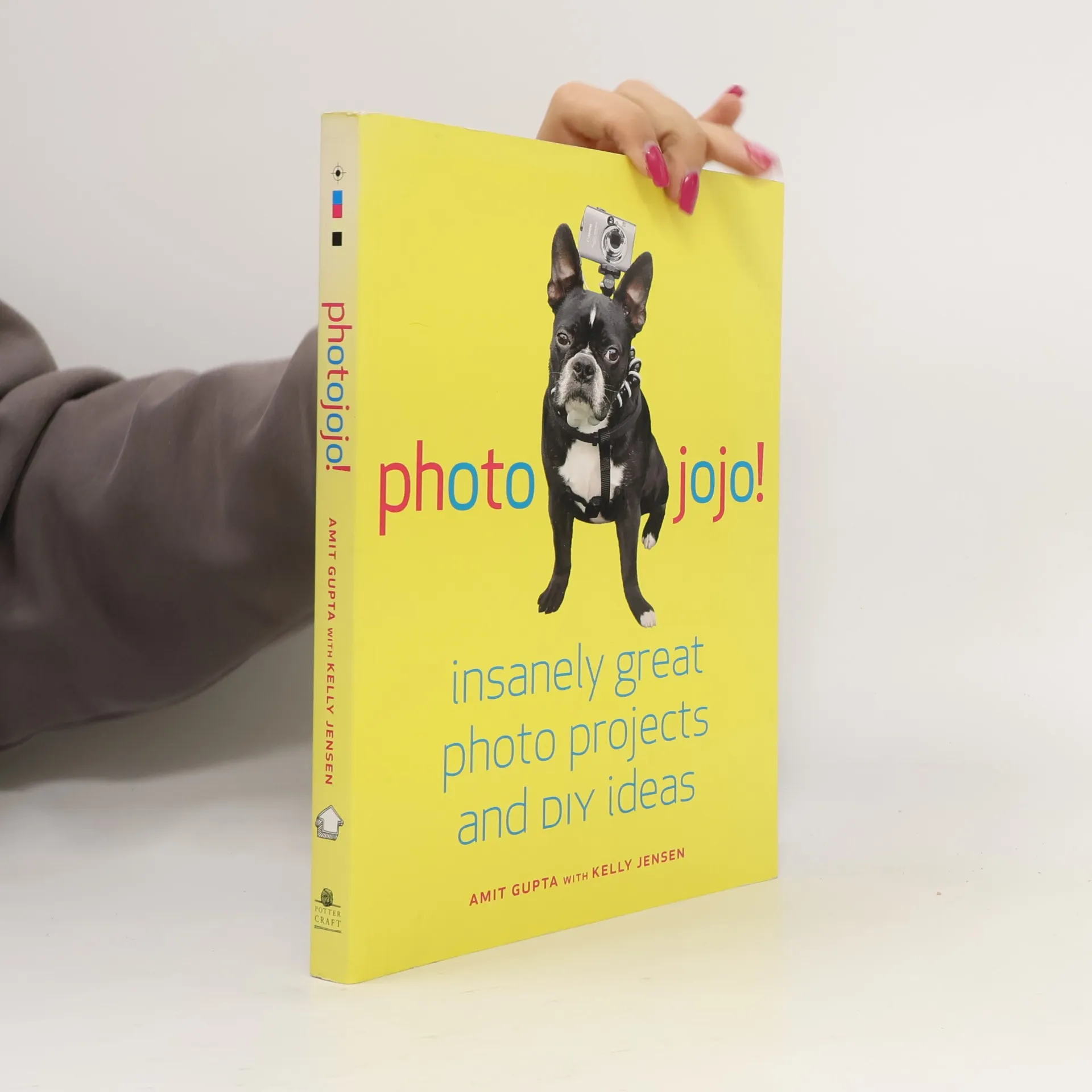
Photojojo!
- 192pagine
- 7 ore di lettura
A photo, an idea, and simple crafting skills are all you need to transform your pictures into useful, fun, giftable art. With clear DIY instructions, Photojojo! by Amit Gupta and Kelly Jensen shows you how to turn your forgotten photos into ingenious photo projects. Do you have lots of pics of friends and family you want to show off? Make a sleek, stylish photo display rail so you can change them up at a moment’s notice. Need something to play with? Make photo slider puzzles, Rubik’s cubes, and temporary tattoos. Or spruce up your pad with a photo chandelier or a giant wall mural you can print at home! All the projects use basic materials and are easy enough to whip up in an afternoon.Once you’re armed with what you can do with all your images, check out Photojojo’s inspiring ideas to get you shooting photographs more creatively. Investigate the world from a canine perspective with the amazing doggie cam, or grab your friends and head out on a photo safari. Make a sneaky hidden jacket camera and turn string, a washer, and a screw into a monopod that fits in your pocket, MacGyver-style. Learn how to motivate yourself to take a photo every day with project 365, or get the little ones involved with Photojojo’s head-spinning photography method: because you + kid + centrifugal force = awesome. Yep, photography just became a whole lot more fun.