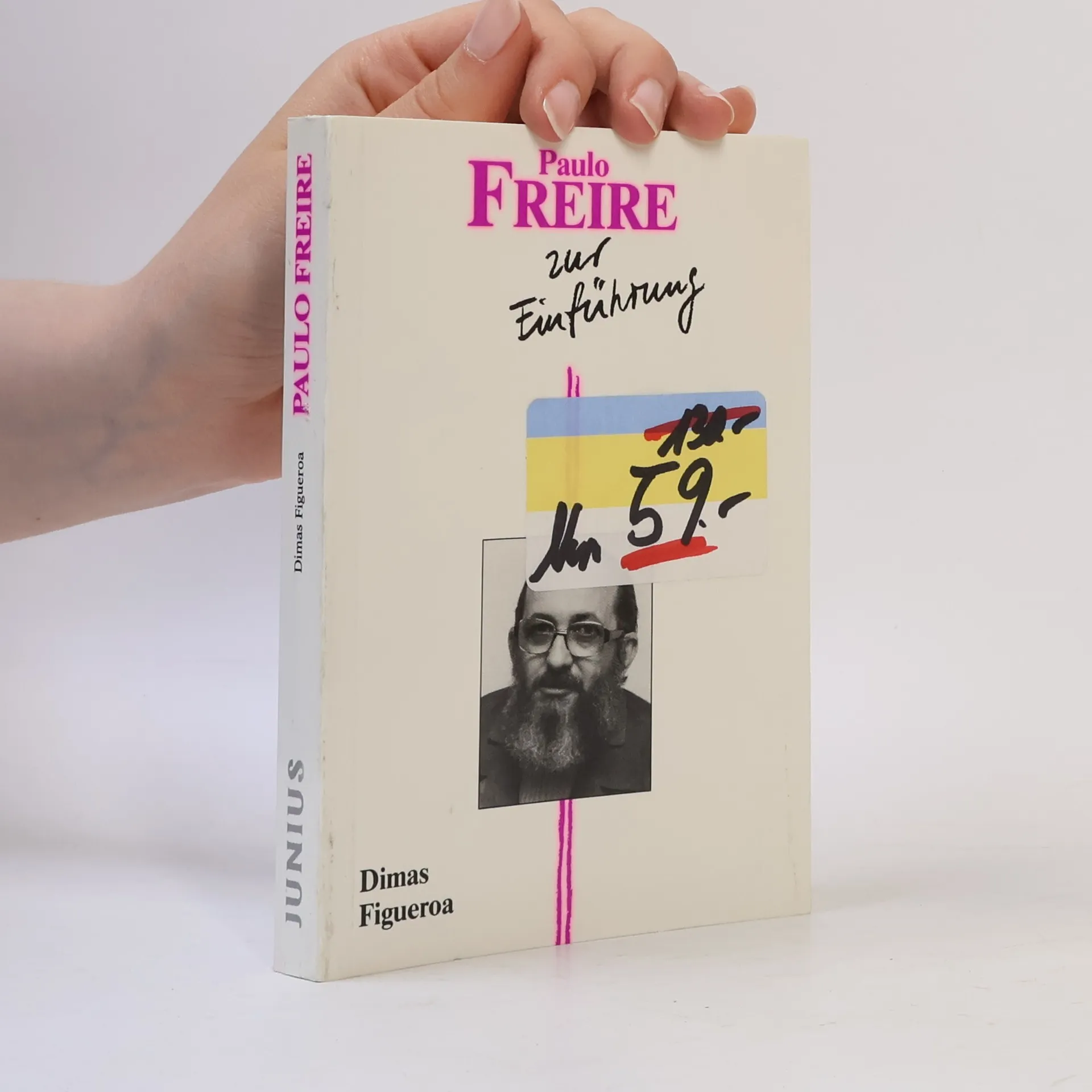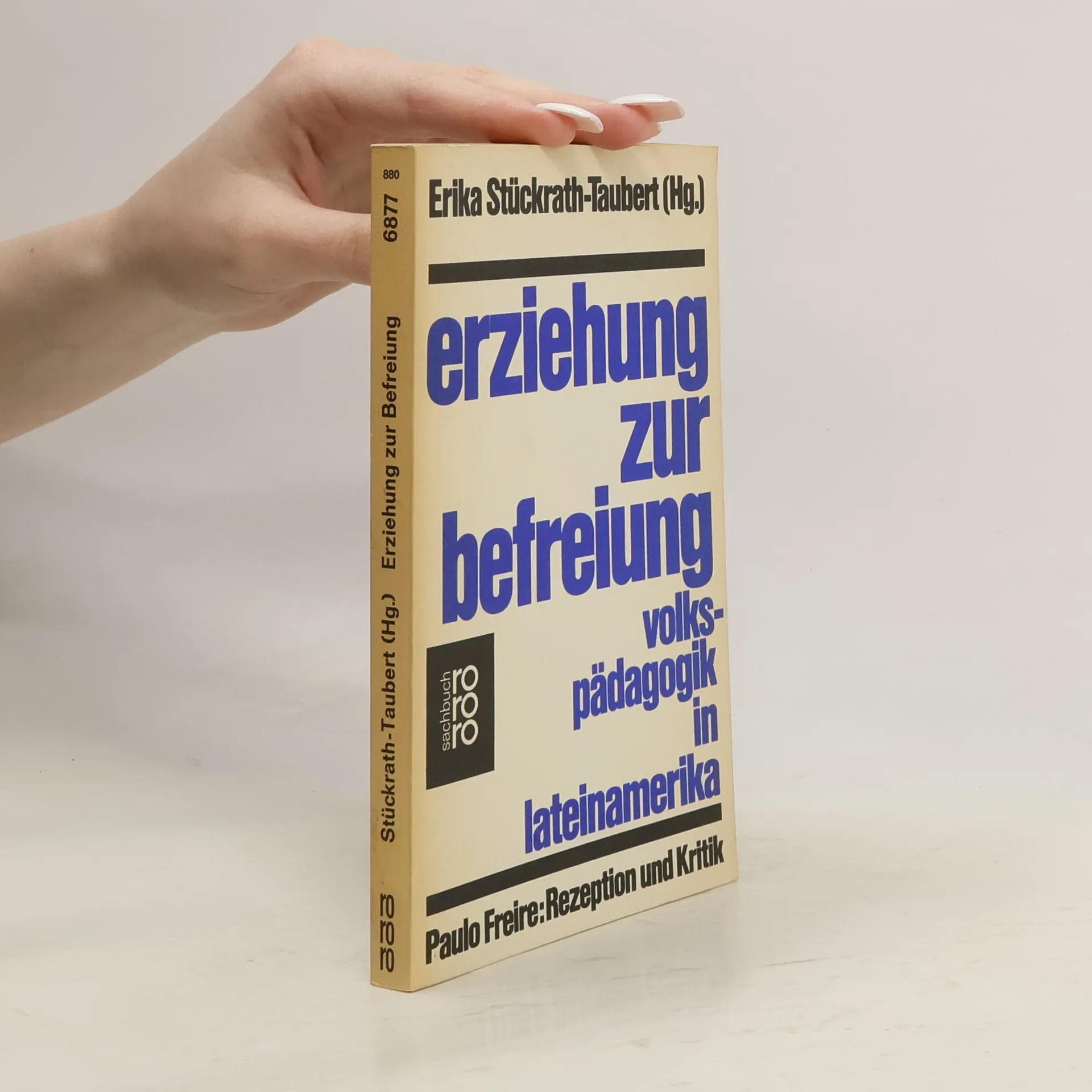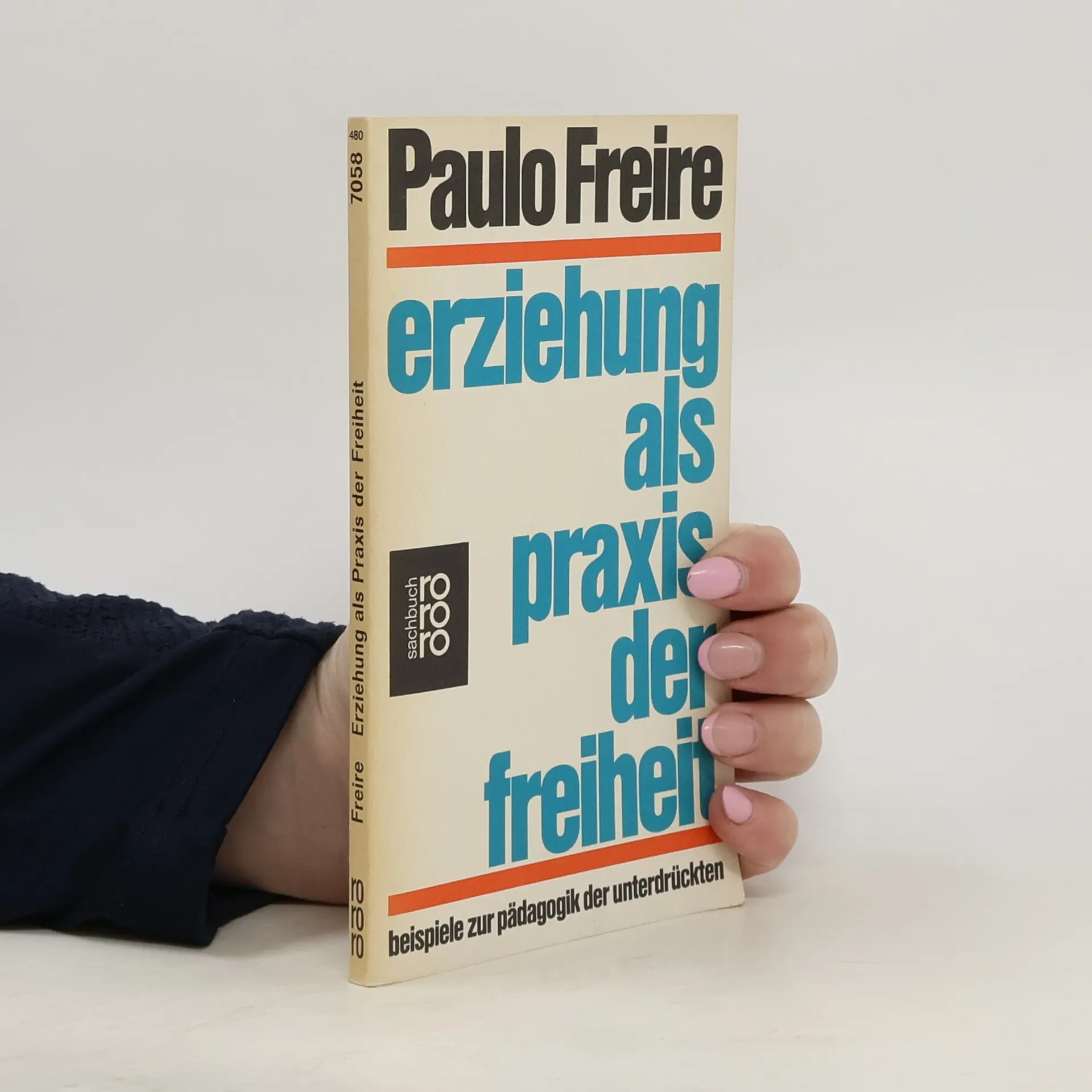
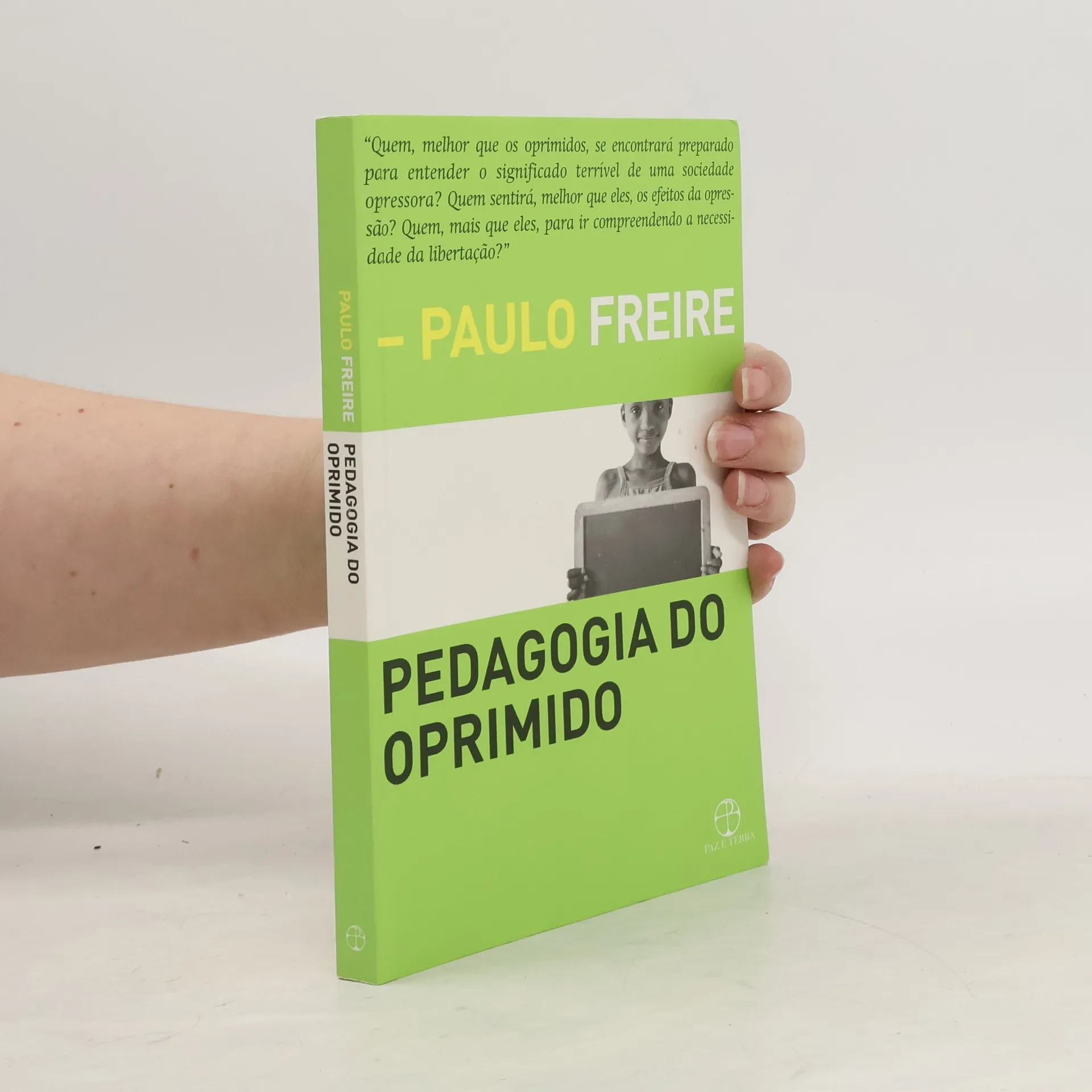
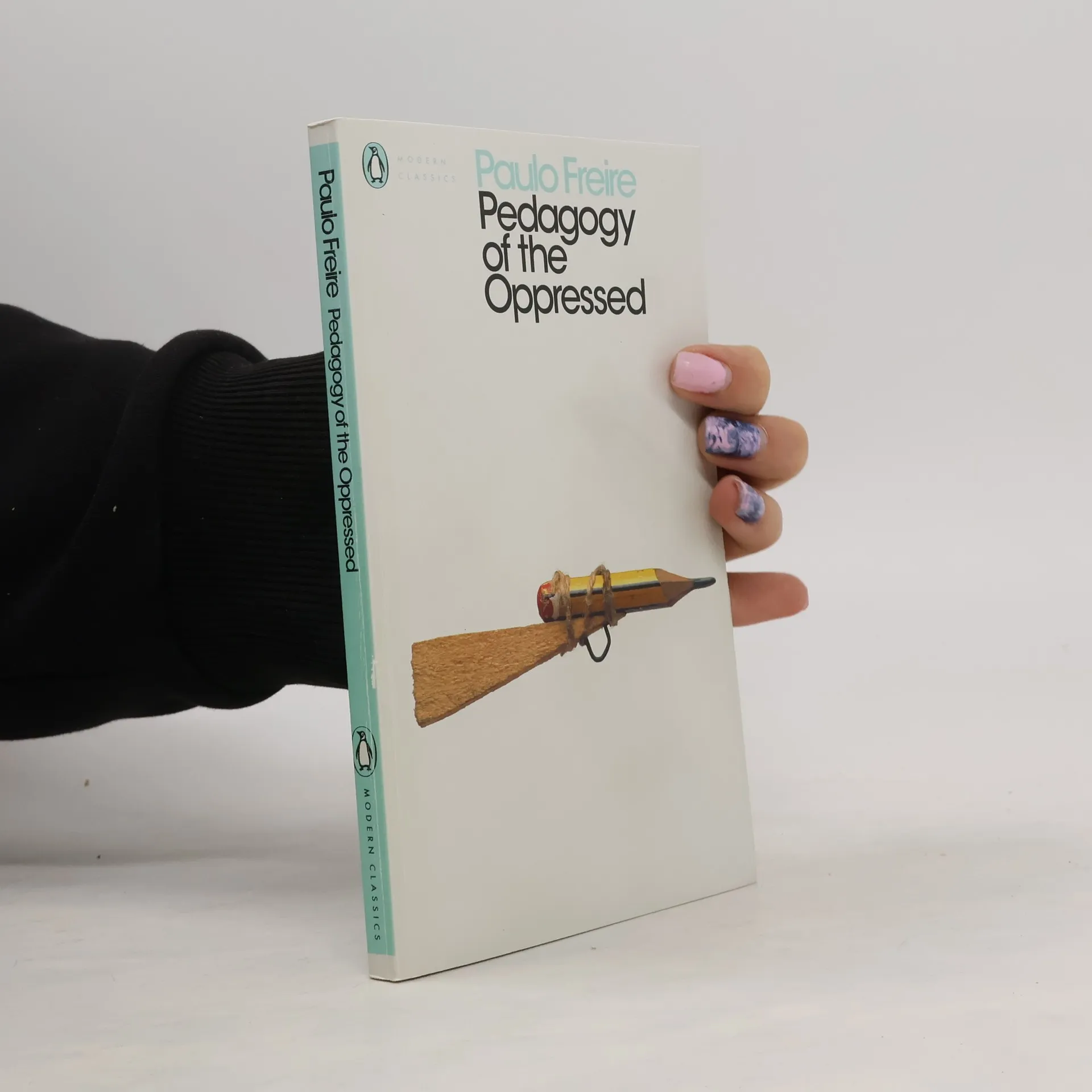
On the 30th anniversary of its publication, this classic manifesto by Freire reflects on the impact his book has had, and on many of the issues it raises for readers in the 1990s. These include the fundamental question of liberation and inclusive language as it relates to Freire's own insights and approaches.
Paulo Freire Libri
Paulo Freire si pone tra i più influenti pensatori educativi della fine del XX secolo, celebrato per il suo lavoro pionieristico nell'educazione degli adulti e nella pedagogia critica. Ha sostenuto l'educazione come atto di cultura e libertà, sfidando i metodi tradizionali con concetti come la 'coscientizzazione', un processo che consente agli studenti di sviluppare una consapevolezza critica della propria realtà e delle forze oppressive che la plasmano. Freire contrappose questo approccio liberatorio alla ricezione passiva della conoscenza che definì educazione 'bancaria'. La sua filosofia, in particolare quella esposta in 'Pedagogia degli Oppressi', continua a ispirare gli educatori di tutto il mondo a promuovere ambienti di responsabilizzazione e pensiero critico.


Pedagogy in Process
- 176pagine
- 7 ore di lettura
Pedagogy in Process presents a first-hand account of the most comprehensive attempt yet to put into practice Paulo Freire's theory of education within a real societal setting. When Guinea Bissau on the West African coast declared independence in 1973 the rate of illiteracy in its adult population was ninety percent. The new government faced the enormous task of educating its citizens. With Freire as collaborator and advisor the government launched a huge grass-roots literacy campaign and this book is Freire's memoir of that campaign. Those familiar with Freire's work will identify his ongoing insistence on the unity between theory and practice, mental and manual work, and past and present experience. This is essential reading for anyone interested Freire's revolutionary ideas on education and the transformative power they hold when applied to society and the classroom. This edition includes a substantive introduction by Michael Apple who is Professor Emeritus of Curriculum and Instruction and Educational Policy Studies at the University of Wisconsin–Madison, USA.
Education for Critical Consciousness
- 208pagine
- 8 ore di lettura
Famous for his advocacy of 'critical pedagogy', Paulo Freire was Latin America's foremost educationalist, a thinker and writer whose work and ideas continue to exert enormous influence in education throughout the world today. Education for Critical Consciousness is the main statement of Freire's revolutionary method of education. It takes the life situation of the learner as its starting point and the raising of consciousness and the overcoming of obstacles as its goals. For Freire, man's striving for his own humanity requires the changing of structures which dehumanize both the oppressor and the oppressed. This edition includes a substantial new introduction by Carlos Alberto Torres, Distinguished Professor and Founding Director of the Paulo Freire Institute, UCLA, USA. Translated by Myra Bergman Ramos.
Pedagogy of Hope
- 256pagine
- 9 ore di lettura
With the publication of Pedagogy of the Oppressed, Paulo Freire established himself as one of the most important and radical educational thinkers of his time. In Pedagogy of Hope, Freire revisits the themes of his masterpiece, the real world contexts that inspired them and their impact in that very world. Freire's abiding concern for social justice and education in the developing world remains as timely and as inspiring as ever, and is shaped by both his rigorous intellect and his boundless compassion. Pedagogy of Hope is a testimonial to the inner vitality of generations denied prosperity and to the often-silent, generous strength of millions throughout the world who refuse to let hope be extinguished. This edition includes a substantial new introduction by Henry A. Giroux, University Chair for Scholarship in the Public Interest and the Paulo Freire Distinguished Scholar in Critical Pedagogy at McMaster University, Canada. Translated by Robert R. Barr.
Pedagogy of the Heart
- 144pagine
- 6 ore di lettura
Pedagogy of the Heart represents some of the last writings by Paulo Freire. In this work, perhaps more so than any other, Freire presents a coherent set of principles for education and politics. For those who have read Freire's other works the book includes new discussions of familiar subjects including community, neoliberalism, faith, hope, the oppressed, and exile. For those coming to Freire for the first time, the book will open up new ways of looking at the interrelations of education and political struggle. Freire reveals himself as a radical reformer whose lifelong commitment to the vulnerable, the illiterate and the marginalised has had a profound impact on society and education today. The text includes substantive notes by Ana Maria Araújo Freire, a foreword by Martin Carnoy, a preface by Ladislau Dowbor, as well as a substantive new introduction by Antonia Darder, who holds the Leavey Presidential Endowed Chair in Ethics and Moral Leadership in the School of Education at Loyola Marymount University, USA. Translated by Donaldo Macedo and Alexandre Oliveira.
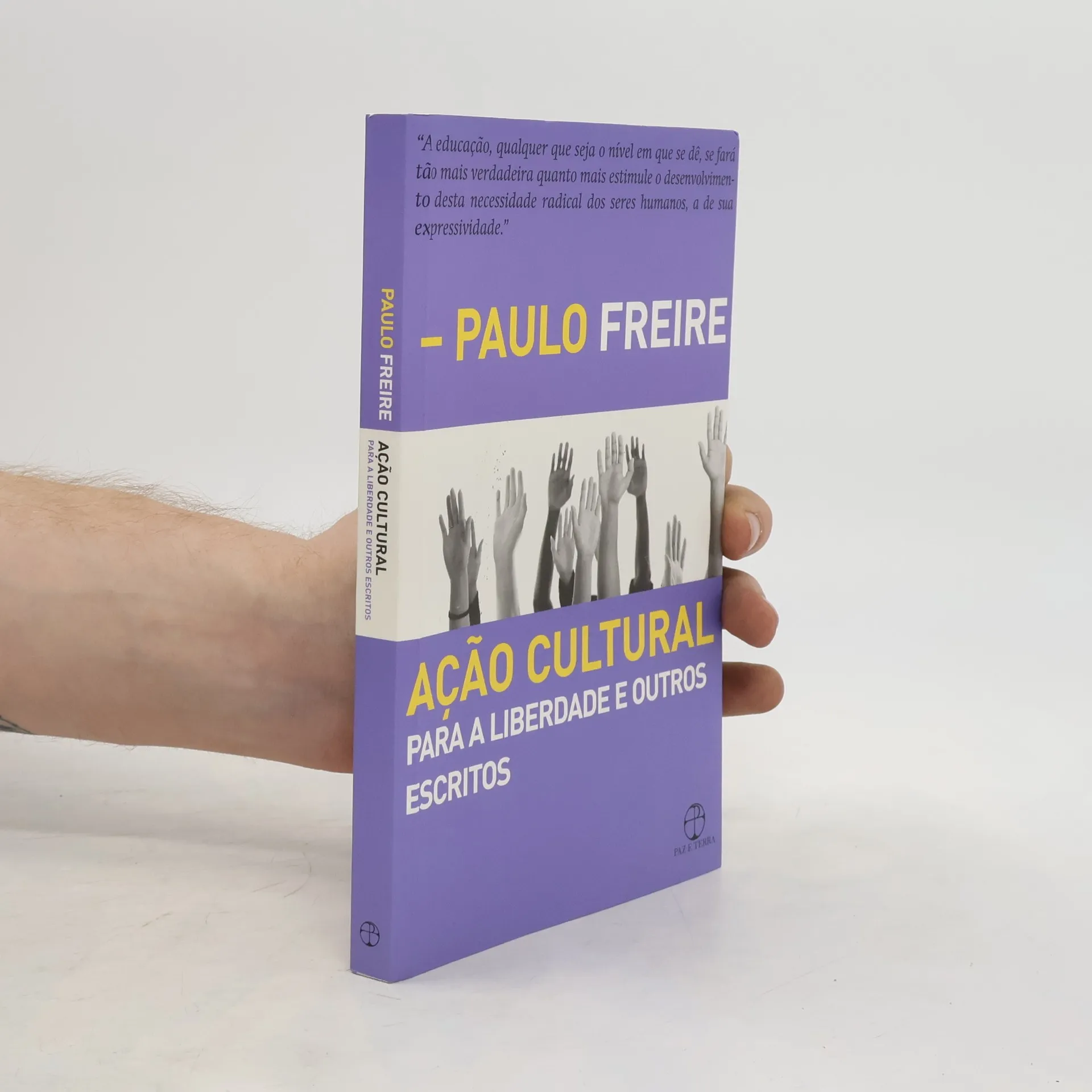
Neste livro, Paulo Freire aborda os mais diferentes aspectos da realidade brasileira com o olhar de quem luta por uma mudança profunda e crítica do mundo. Reunindo textos escritos entre 1968 e 1974, mas de atualidade desconcertante, e abordando temas que vão da alfabetização à reforma agrária, Ação cultural para a liberdade e outros escritos é indispensável para a compreensão dos obstáculos impostos à verdadeira justiça social e mostra por que, numa época tão mecanicista, a verdadeira pedagogia é aquela que olha a todo momento para a expressividade do aluno, para o exercício de sua compreensão crítica da sociedade, e não para a sua acomodação.