
**A NEW YORK TIMES BOOK OF THE YEAR 2022 and FINANCIAL TIMES BEST BOOK OF 2023** **Shortlisted for the Royal Science Society Book Prize 2023** From the author of the prescient Spillover: Animal Infections and the Next Human Pandemic Breathless is the story of the scientific quest to decipher, control and fight Covid-19. Breathless traces SARS-CoV-2's fierce journey through the human population as seen by the scientists who study its origin, ever-changing nature and capacity to kill. It shows how strange viruses emerge as we disrupt wild ecosystems - sometimes causing global catastrophe - and suggests this coronavirus could be a 'forever virus' that's destined to bedevil us endlessly. Quammen also explains that experts saw this pandemic coming; that scientists warned 'the next big one' would be caused by a changeable new virus, but were ignored for political or economic reasons; and that while the origins of this virus may not be known for years, some suppositions are compelling and others can be dismissed. Breathless takes us inside the frantic international effort to control SARS-CoV-2 as if peering over the shoulders of the brilliant scientists who led the chase. Praise for Spillover: 'A frightening and fascinating masterpiece of science reporting' Walter Isaacson 'A real-life thriller with an outcome that affects us all' Elizabeth Kolbert

David Quammen Ordine dei libri (cronologico)
David Quammen è celebrato per la sua avvincente scrittura scientifica, naturalistica e di viaggio, che offre ai lettori profonde intuizioni sull'interconnessione del mondo naturale. La sua distintiva voce narrativa dà vita a complessi temi ecologici ed evolutivi, promuovendo un maggiore apprezzamento per gli intricati sistemi del pianeta. Il lavoro di Quammen è caratterizzato dal suo rigore intellettuale e dalla sua capacità di illuminare le meraviglie dell'ambiente. È noto per la sua riflessiva esplorazione di come la vita si svolge in diversi paesaggi.


The Tangled Tree
- 480pagine
- 17 ore di lettura
"In the mid-1970s, scientists began using DNA sequences to reexamine the history of all life. Perhaps the most startling discovery to come out of this new field -- the study of life's diversity and relatedness at the molecular level -- is horizontal gene transfer (HGT), or the movement of genes across species lines. It turns out that HGT has been widespread and important; we now know that roughly eight percent of the human genome arrived sideways by viral infection--a type of HGT."--Amazon.com
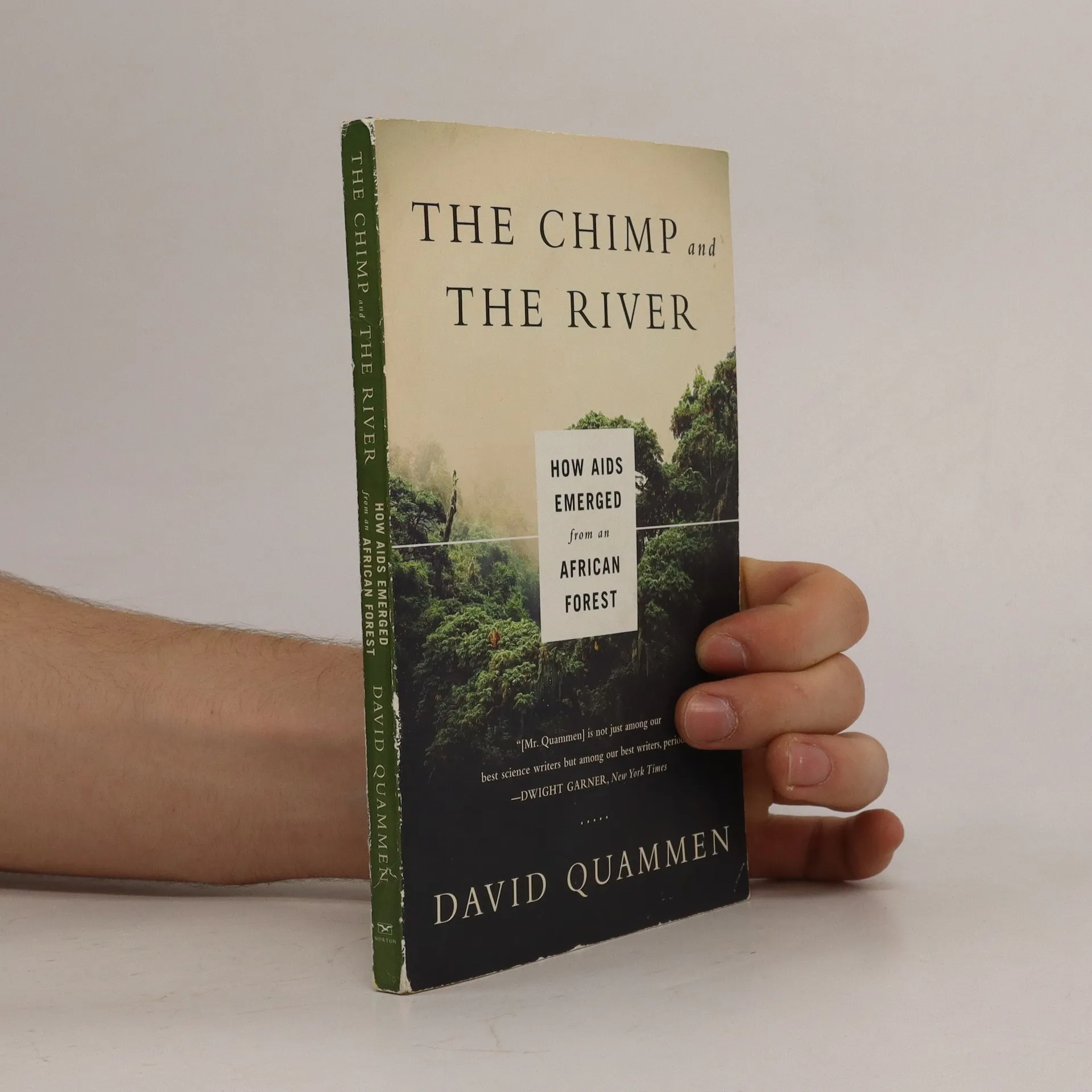
The Chimp and the River
- 174pagine
- 7 ore di lettura
In this "frightening and fascinating masterpiece" (Walter Isaacson), David Quammen explores the true origins of HIV/AIDS. The real story of AIDS—how it originated with a virus in a chimpanzee, jumped to one human, and then infected more than 60 million people—is very different from what most of us think we know. Recent research has revealed dark surprises and yielded a radically new scenario of how AIDS began and spread. Excerpted and adapted from the book Spillover, with a new introduction by the author, Quammen's hair-raising investigation tracks the virus from chimp populations in the jungles of southeastern Cameroon to laboratories across the globe, as he unravels the mysteries of when, where, and under what circumstances such a consequential "spillover" can happen. An audacious search for answers amid more than a century of data, The Chimp and the River tells the haunting tale of one of the most devastating pandemics of our time.
In 1976 a deadly virus emerged from the Congo forest. As swiftly as it came, it disappeared, leaving no trace. Over the four decades since, Ebola has emerged sporadically, each time to devastating effect. It can kill up to 90% of its victims. In between these outbreaks, it is untraceable, hiding deep in the jungle. The search is on to find Ebolaâe(tm)s elusive host animal. And until we find it, Ebola will continue to strike. Acclaimed science writer and explorer David Quammen first came near the virus whilst travelling in the jungles of Gabon, accompanied by local men whose village had been devastated by a recent outbreak. Here he tells the story of Ebola, its past, present and its unknowable future.
Island Life
- 522pagine
- 19 ore di lettura
As the co-formulator with Charles Darwin of the theory of biological evolution via natural selection, naturalist Alfred Russel Wallace (1823-1913) argued that plant and animal species develop throughout organic history. Wallace focused special attention on the diversity of tropical life forms and became acutely aware of the adaptive relationship between each species and its particular environment: an ongoing relationship that is necessary for survival and reproduction. After amassing empirical evidence from the Malay Archipelago, Wallace wrote Island Life (1881) in order to document the dynamic realtionship between organisms and their climatic habitats. Anticipating our present concern with both endangered species and vanishing environments, Wallace's ecological studies helped substantiate the fact of evolution. This book is an excellent example of long-term research and the far-reaching insights such scientific projects hold for understanding and appreciating the evolving life on Earth.
Spillover
- 608pagine
- 22 ore di lettura
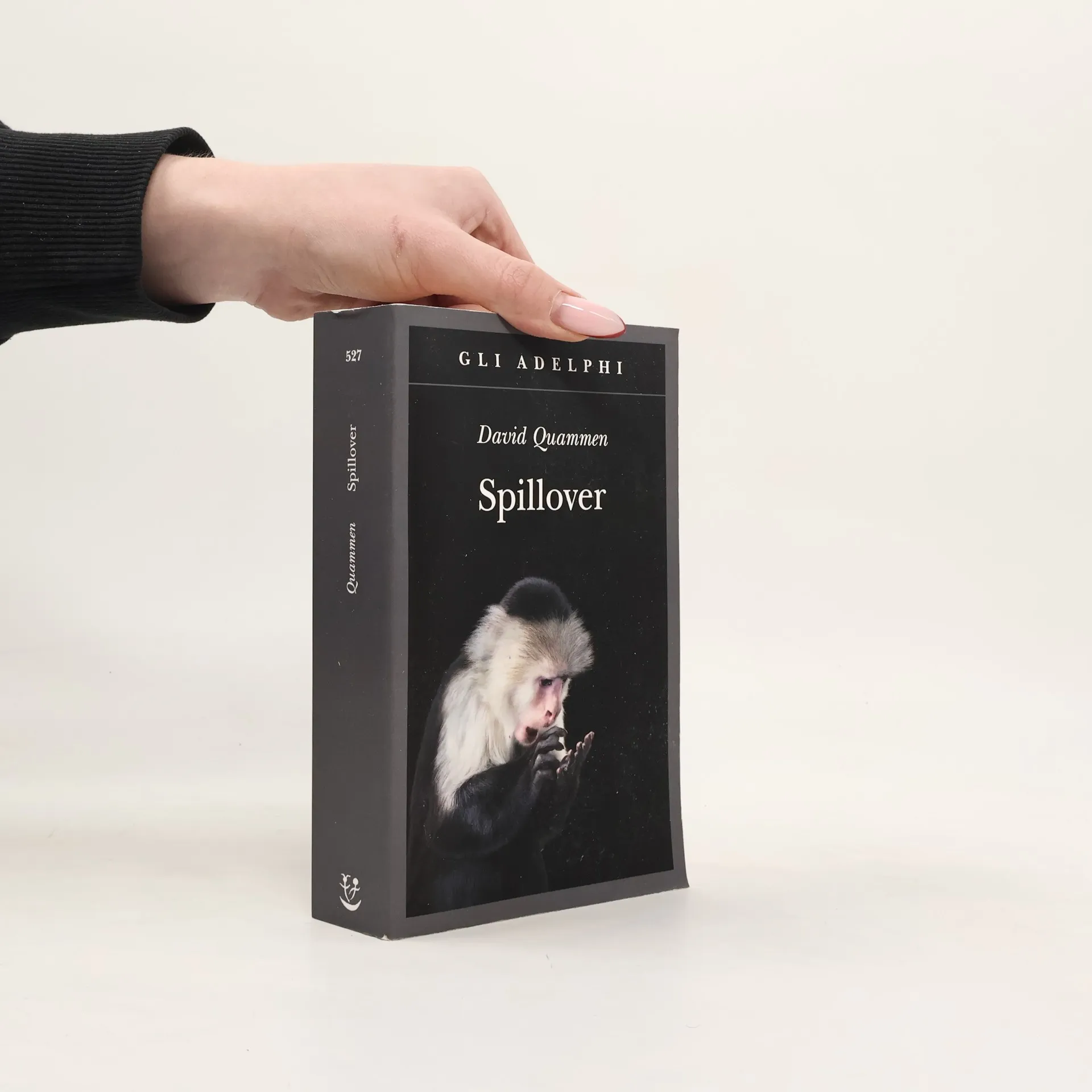
«Non vengono da un altro pianeta e non nascono dal nulla. I responsabili della prossima pandemia sono già tra noi, sono virus che oggi colpiscono gli animali ma che potrebbero da un momento all'altro fare un salto di specie – uno spillover in gergo tecnico – e colpire anche gli esseri umani ... Il libro è unico nel suo genere: un po' saggio sulla storia della medicina e un po' reportage, è stato scritto in sei anni di lavoro durante i quali Quammen ha seguito gli scienziati al lavoro nelle foreste congolesi, nelle fattorie australiane e nei mercati delle affollate città cinesi. L'autore ha intervistato testimoni, medici e sopravvissuti, ha investigato e raccontato con stile quasi da poliziesco la corsa alla comprensione dei meccanismi delle malattie. E tra le pagine più avventurose, che tengono il lettore con il fiato sospeso come quelle di un romanzo noir, è riuscito a cogliere la preoccupante peculiarità di queste malattie». - Le scienze
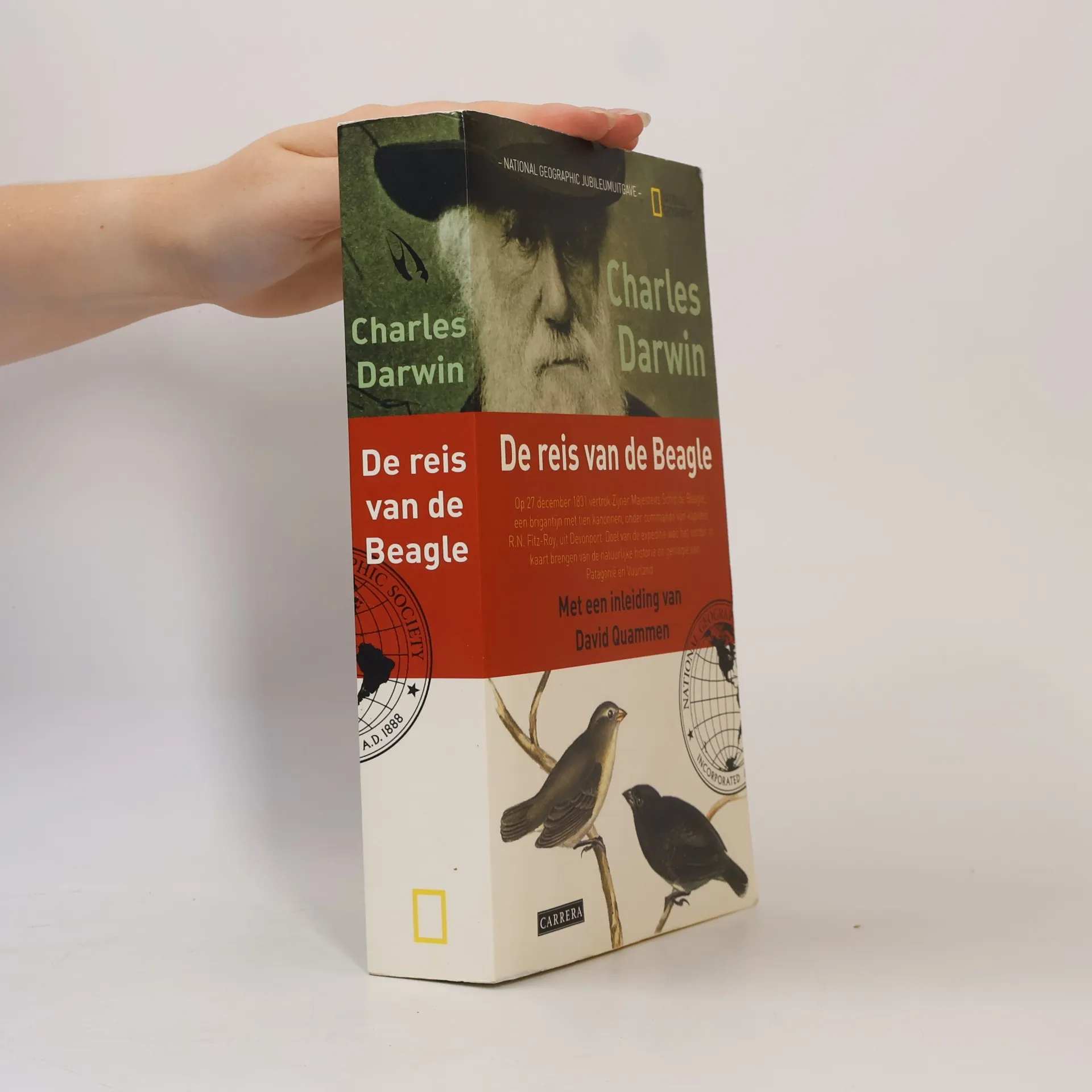
De reis van de Beagle
- 459pagine
- 17 ore di lettura
Reisverslag van de 5 jaar durende zeereis die de Britse wetenschapper Charles Darwin vanaf 1831 maakte naar Zuid-Amerika, Afrika, Australië en eilanden in de Stille en Indische Oceaan.
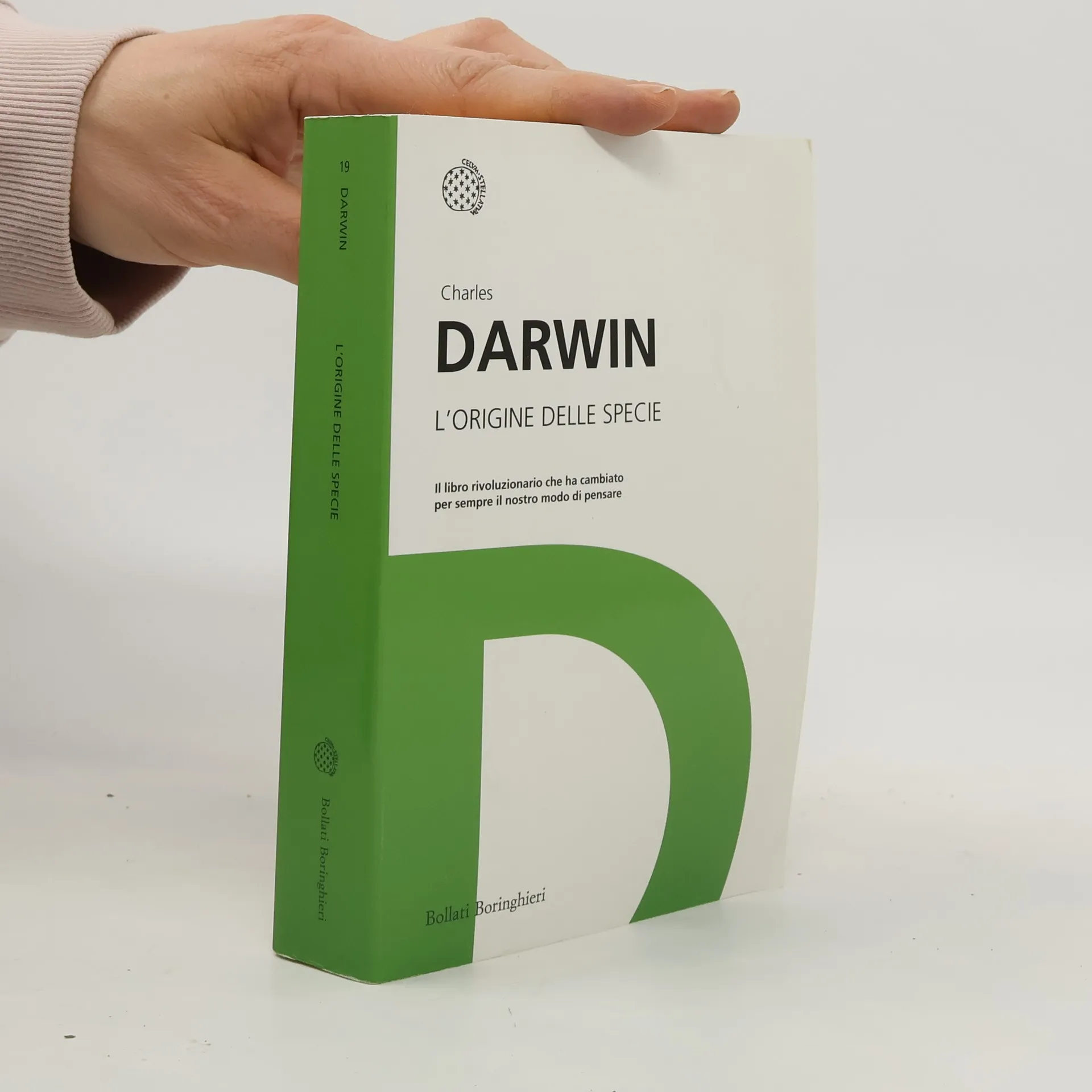
I grandi pensatori: L'origine delle specie
- 581pagine
- 21 ore di lettura
Pochi libri hanno avuto nella storia un’influenza tanto radicale, capillare e duratura come L’origine delle specie di Darwin. Rielaborato e meditato per quasi vent’anni nella quiete della campagna inglese, alla sua pubblicazione, nel 1859, questo capolavoro della letteratura moderna ha cambiato per sempre il nostro modo di vedere il mondo, segnando da allora un «prima» e un «dopo». La teoria della selezione naturale, proposta in queste pagine, è alla base della moderna biologia evoluzionistica, ma da molti decenni ormai è entrata a far parte del nostro bagaglio culturale più ampio, ben al di là del suo merito scientifico. E, come per tutti i classici, la sua attualità non tramonta e continua a stupire.
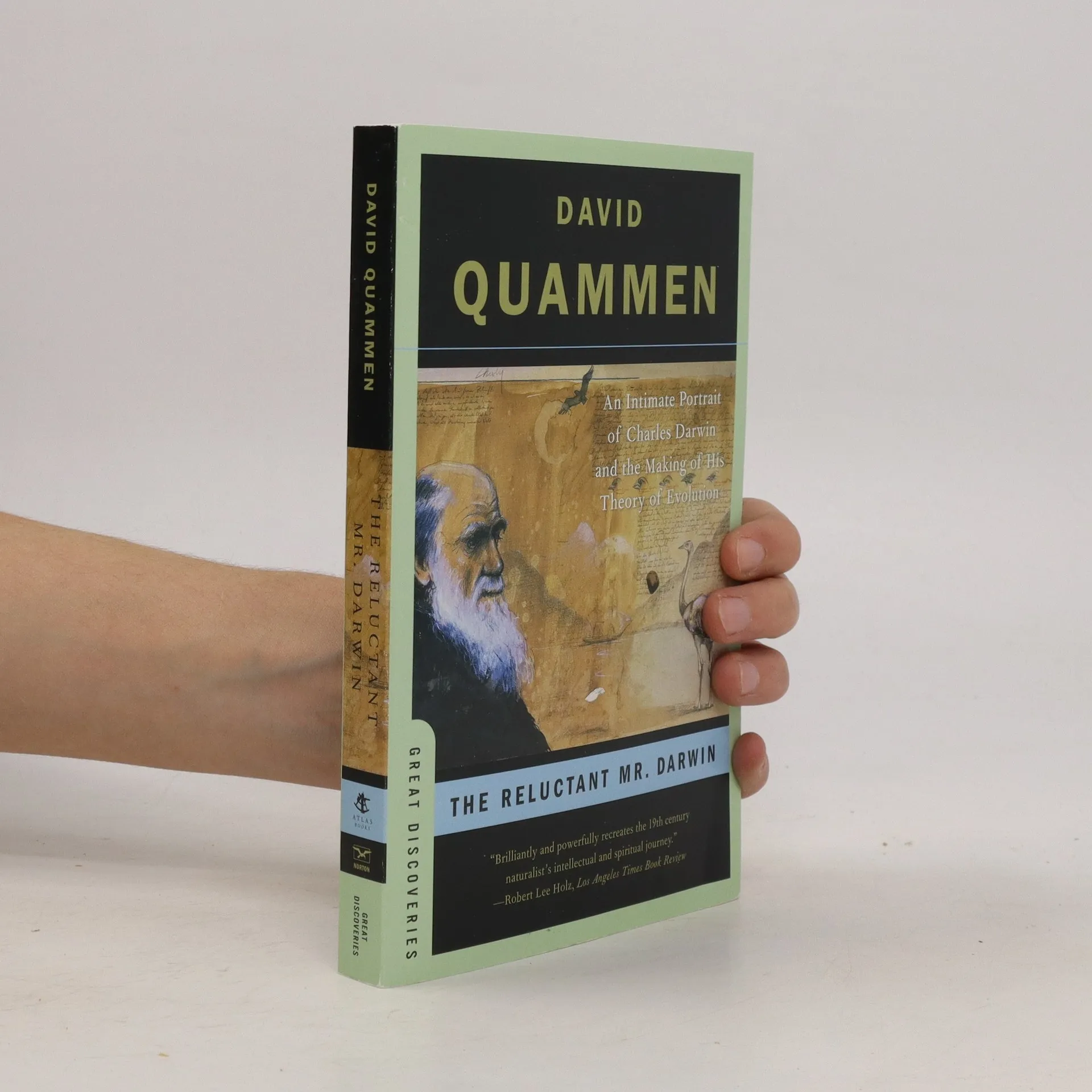
Evolution, during the early nineteenth century, was an idea in the air. Other thinkers had suggested it, but no one had proposed a cogent explanation for how evolution occurs. Then, in September 1838, a young Englishman named Charles Darwin hit upon the idea that 'natural selection' among competing individuals would lead to wondrous adaptations and species diversity. Twenty-one years passed between that epiphany and publication of On the Origin of Species. The human drama and scientific basis of Darwin's twenty-one-year delay constitute a fascinating, tangled tale that elucidates the character of a cautious naturalist who initiated an intellectual revolution.Also published under the title "The Reluctant Mr Darwin" in the US.
The Reluctant Mr. Darwin
- 304pagine
- 11 ore di lettura
21 years passed between Charles Darwim's epiphany that 'natural selection' formed the basis of evolution and the scientist's publication of 'On the Origin of Species'. This text looks at why Darwin delayed the publication and examines what happened during the course of those two decades.
Alla ricerca del predatore alfa
- 602pagine
- 22 ore di lettura
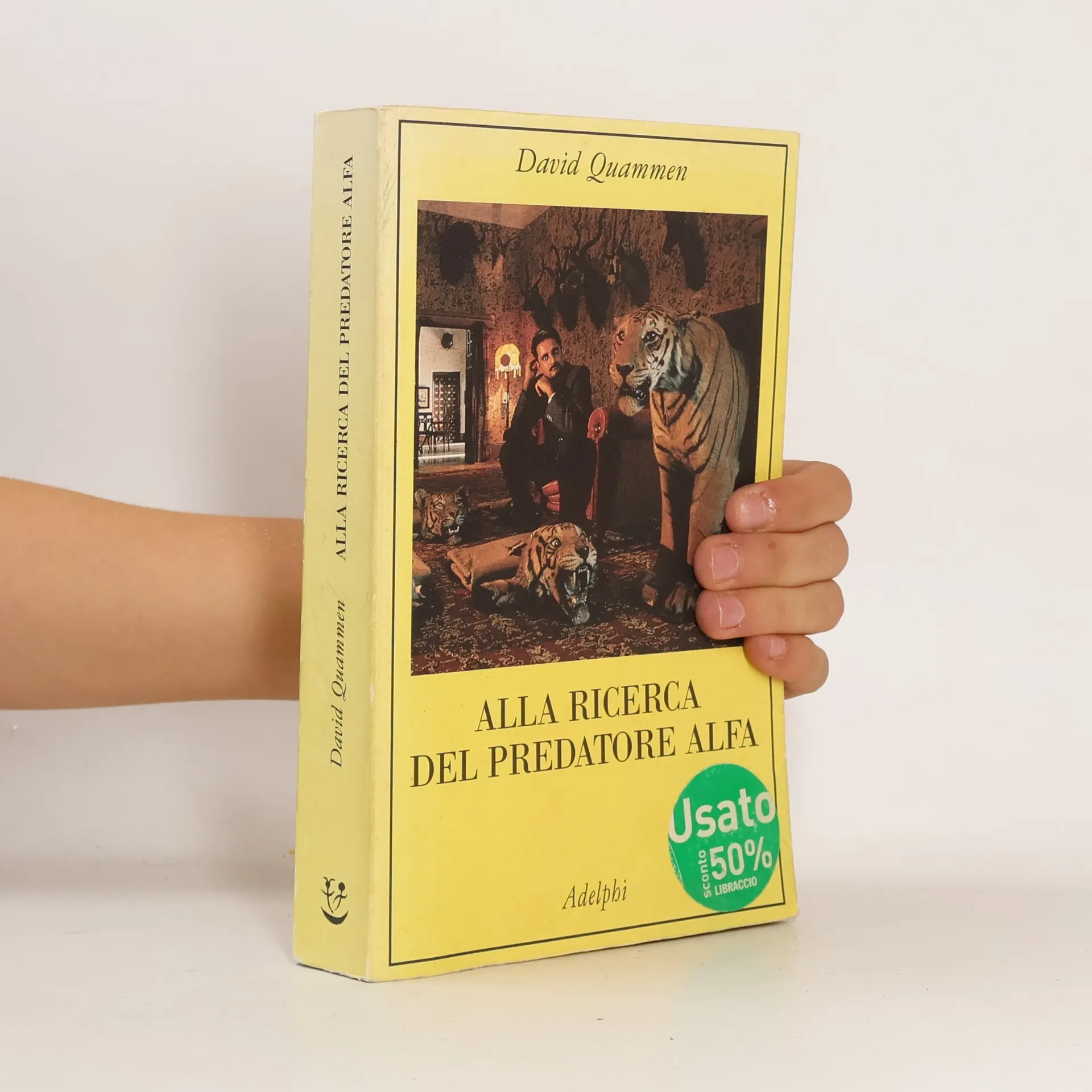
Un tempo simboli di forza e grandezza, i predatori alfa come leoni, tigri, orsi e coccodrilli, oggetto di venerazione e glorificazione, si trovano ora sull'orlo dell'estinzione. In poche generazioni, a causa dell'impatto umano, potrebbero scomparire definitivamente. L'estinzione è parte delle regole della vita, ma il mangiatore di uomini continua a vivere nelle nostre "giungle della mente", evocando emozioni ancestrali e la consapevolezza del nostro posto nella catena alimentare. La storia del nostro rapporto con questi animali riflette tanto la potenza di un archetipo quanto il desiderio di rimozione, manifestato in scelte tra legge e selvatico, ordine e caos. Dalla caccia di Assurbanipal a quella di Nicolae Ceauşescu, la caccia al predatore ha rappresentato l'affermazione del potere. Tuttavia, la vista di un grande predatore in cattività ci inquieta, poiché ci ricorda che la sua perdita segna anche una diminuzione della nostra libertà. L'autore osserva il soggetto con distacco e offre un'analisi che spazia tra scienza, letteratura e mito, scrivendo con uno stile sobrio e incisivo. Ha la rara capacità di trasformare reportage e osservazione naturalistica in un racconto memorabile.
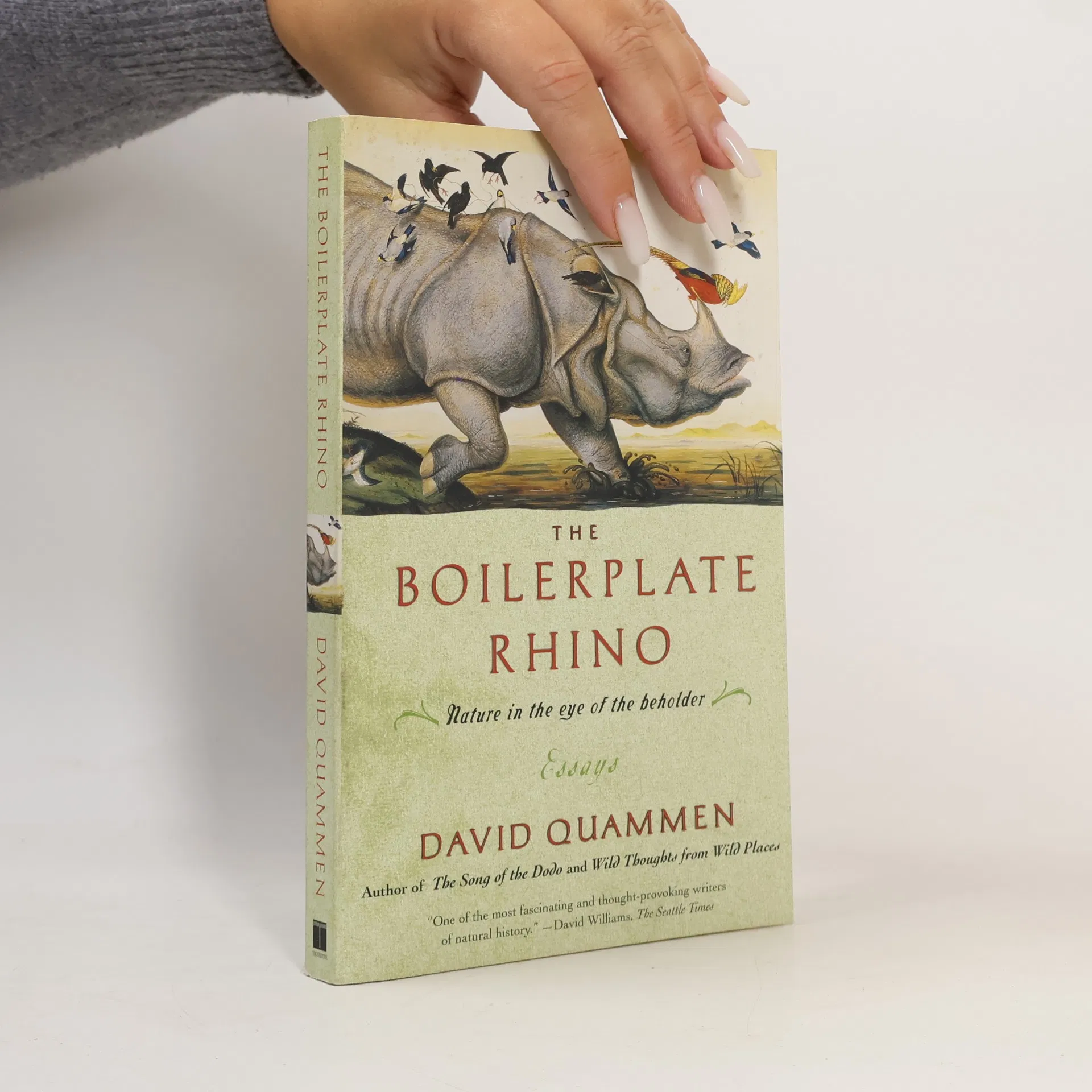
The Boilerplate Rhino: Nature in the Eye of the Beholder
- 288pagine
- 11 ore di lettura
In 1981 David Quammen began what might be every freelance writer's dream: a monthly column for Outside magazine in which he was given free rein to write about anything that interested him in the natural world. His column was called "Natural Acts," and for the next fifteen years he delighted Outside's readers with his fascinating ruminations on the world around us. The Boilerplate Rhino brings together twenty-six of Quammen's most thoughtful and engaging essays from that column, none previously printed in any of his earlier books.In lucid, penetrating, and often quirkily idiosyncratic prose, David Quammen takes his readers with him as he explores the world. His travels lead him to rattlesnake handlers in Texas; a lizard specialist in Baja; the dinosaur museum in Jordan, Montana; and halfway across Indonesia in search of the perfect Durian fruit. He ponders the history of nutmeg in the southern Moluccas, meditates on bioluminescent beetles while soaking in the waters of the Amazon, and delivers "The Dope on Eggs" from a chicken ranch near his hometown in Montana.Quammen's travels are always jumping-off points to explore the rich and sometimes horrifying tension between humankind and the natural world, in all its complexity and ambivalence. The result is another irrepressible assortment of ideas to explore, conundrums to contemplate, and wondrous creatures to behold.
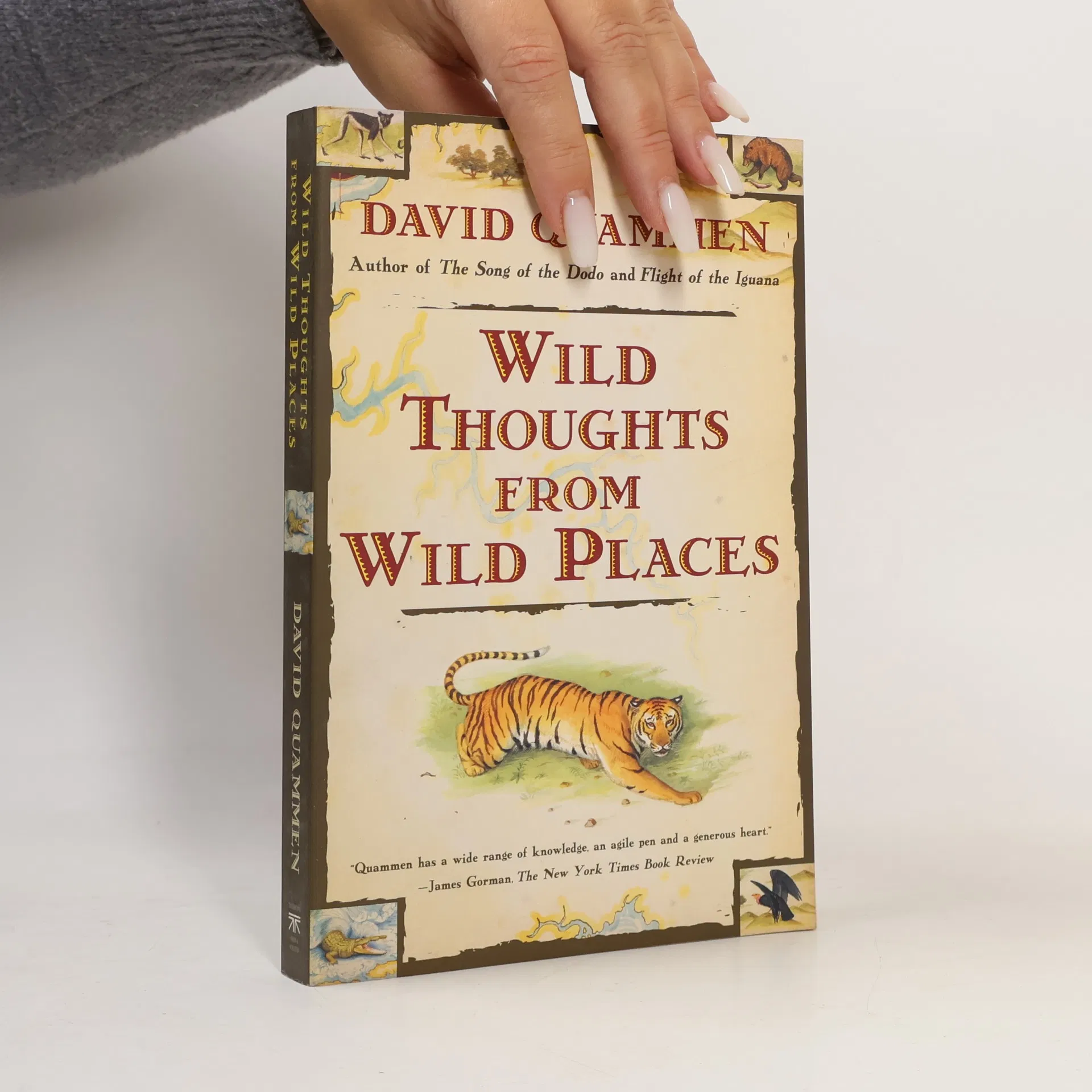
Wild Thoughts from Wild Places
- 304pagine
- 11 ore di lettura
In Wild Thoughts from Wild Places, award-winning journalist David Quammen reminds us why he has become one of our most beloved science and nature writers. This collection of twenty-three of Quammen's most intriguing, most exciting, most memorable pieces takes us to meet kayakers on the Futaleufu River of southern Chile, where Quammen describes how it feels to travel in fast company and flail for survival in the river's maw. We are introduced to the commerce in pearls (and black-market parrots) in the Aru Islands of eastern Indonesia. Quammen even finds wildness in smog-choked Los Angeles -- embodied in an elusive population of urban coyotes, too stubborn and too clever to surrender to the sprawl of civilization. With humor and intelligence, David Quammen's Wild Thoughts from Wild Places also reminds us that humans are just one of the many species on earth with motivations, goals, quirks, and eccentricities. Expect to be entertained and moved on this journey through the wilds of science and nature.
Quammen's essays delve into intriguing topics like species survival on islands and the surprising behavior of vegetarian piranhas, blending humor with insightful observations. Through his offbeat approach, he provides a unique perspective on the natural world while addressing broader biological issues and their implications for humanity.
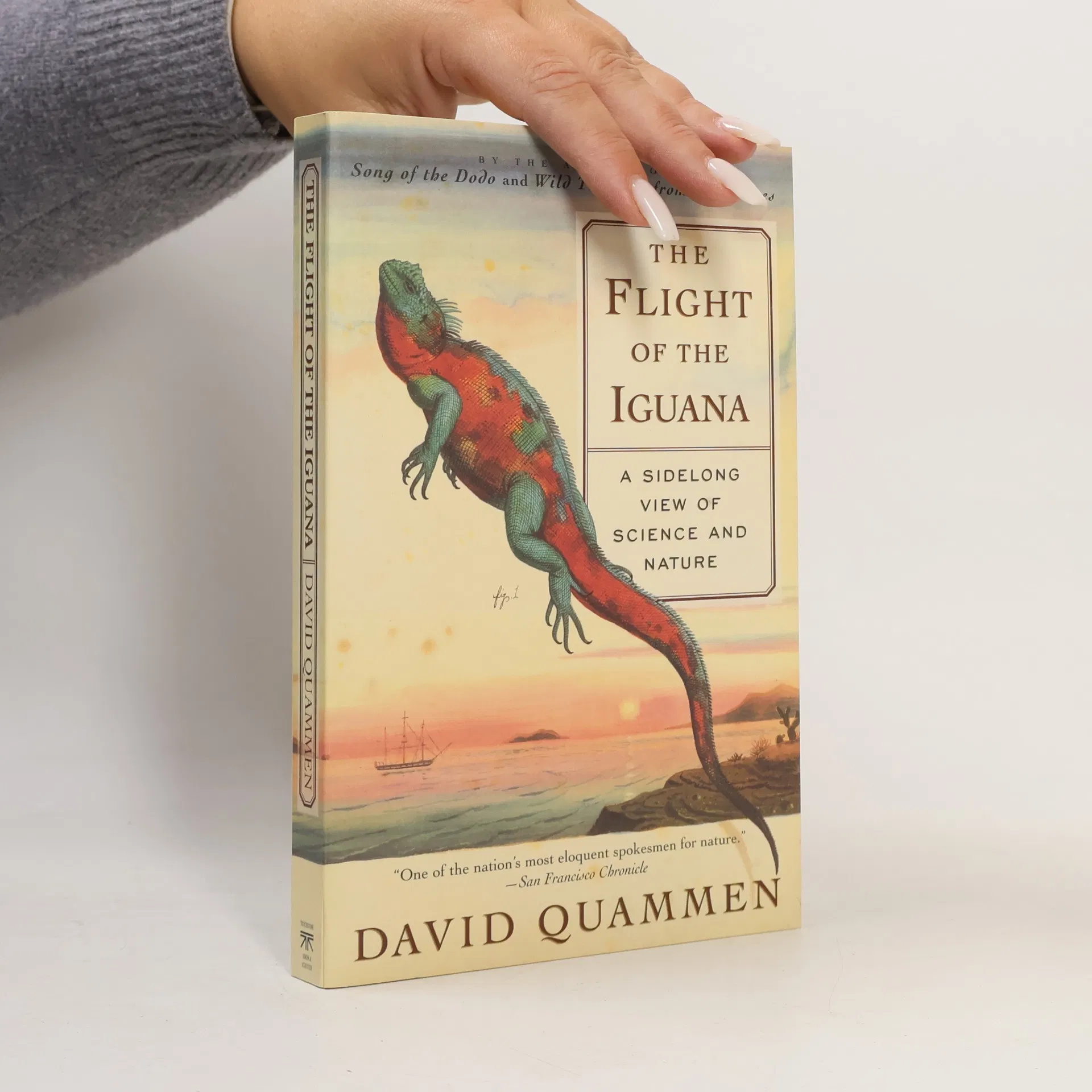
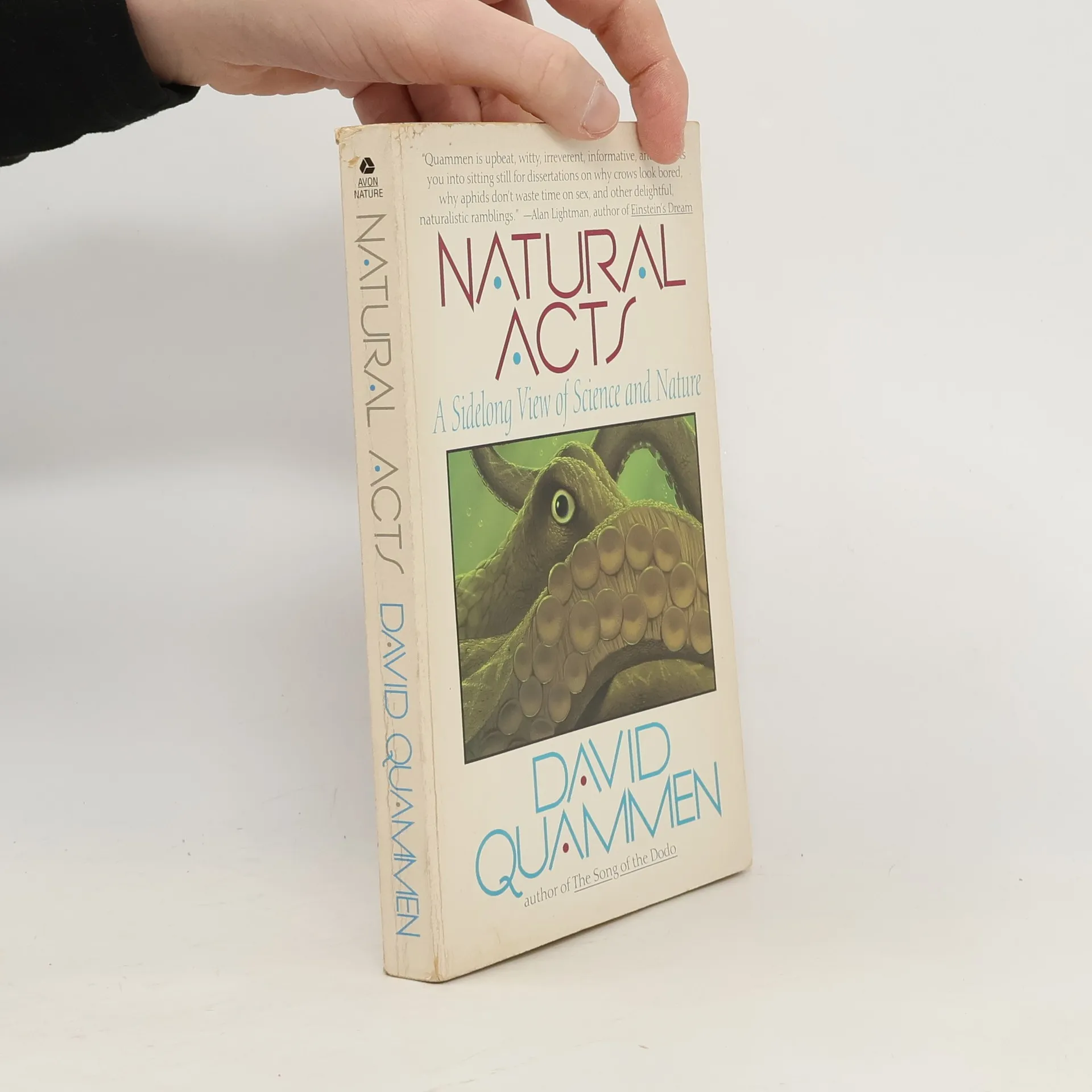
A revised and expanded edition of Quammenâ s first book of nonfiction, including the best of his recent work.â Lively writing about science and nature depends less on the offering of good answers, I think, than on the offering of good questions,â said David Quammen in the original introduction to Natural Acts. For more than two decades, he has stuck to that credo. In this updated version of his first essay collection, Quammenâ s lively curiosity leads him from New Mexico to Romania, from the Congo to the Amazon, asking questions about mosquitoes (what are their redeeming merits?), dinosaurs (how did they change the life of a dyslexic Vietnam vet?), and cloning (can it save endangered species?). This expanded edition returns to print Quammenâ s best-loved â Natural Actsâ columns, which first appeared in Outside magazine in the early 1980s, and includes recent pieces such as â Planet of Weeds,â an influential Harperâ s cover story. The new Natural Acts is an eye-opening journey that will please both Quammen fans and newcomers to his work.
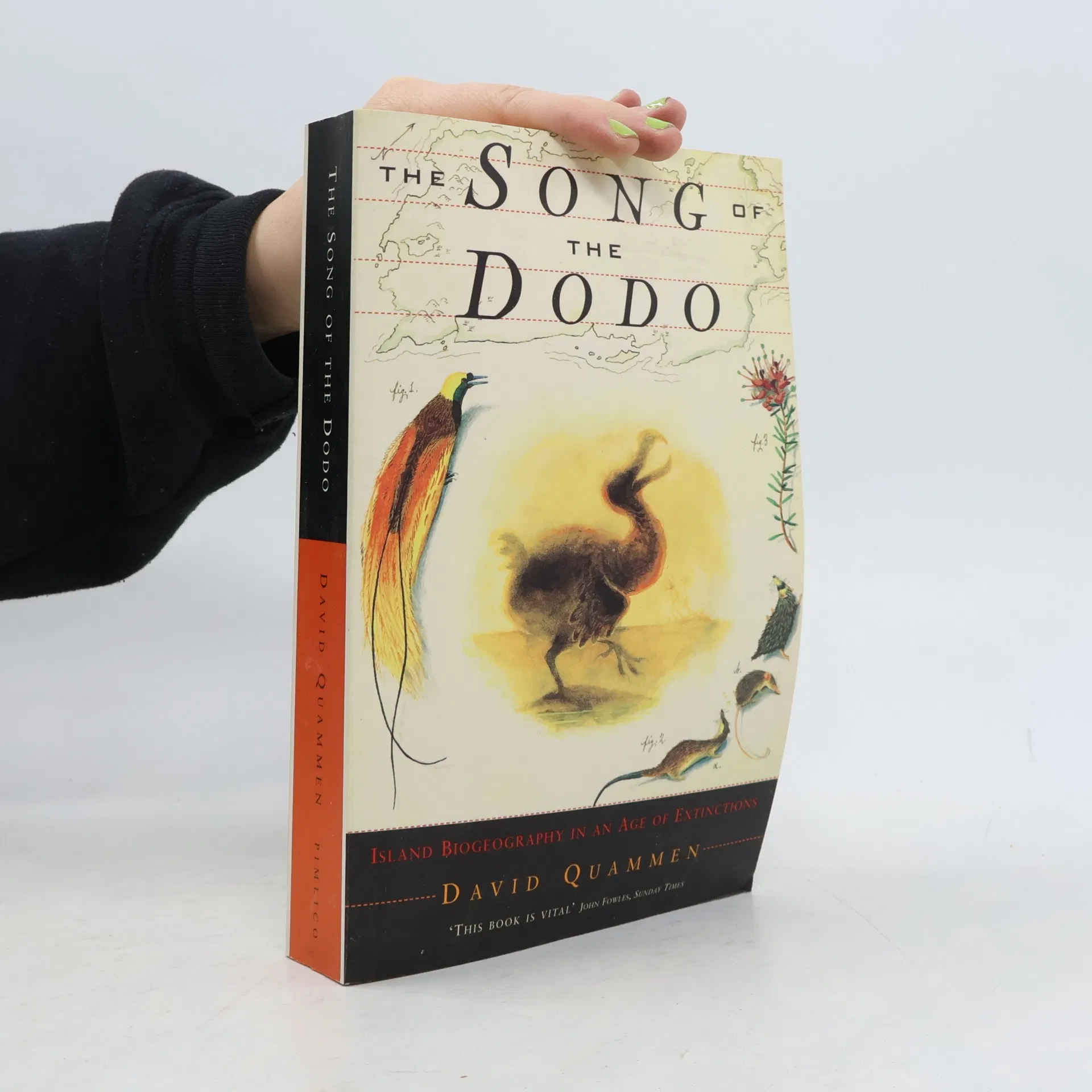
Why have island ecosystems always suffered such high rates of extinction? Over the past eight years, David Quammen has followed the threads of island biogeography on a globe-encircling journey of discovery.
De Zolta formule
- 256pagine
- 9 ore di lettura
Mayberry, met een staat van dienst in de Vietnam Special Forces, denkt een kalm leven gevonden te hebben. Dan ontvangt hij 'van een broer van een vriend' een brief met de formule voor een 'superbom'. Hij houdt het best bewaakte geheim van de Amerikaanse regering in handen. Waarom juist hij? Mayberry raakt in een maalstroom van gebeurtenissen. Sommiige verwacht hij, andere zijn onvoorstelbaar. Ze voeren hem terug nar Vietnam. Waarom? Hij moet het weten? Naar de hel met de kalmte! David Quammens roman is een briljante mengeling an feiten en fictie, waarin de race om de 'superbom' de achtergrond vormt voor een met grote vaart geschreven verhaal over internationale nucleaire spionage. David Quammen is een meester van de suspense in de traditie van Eric Ambler en Len Deighton.